Toshodai-ji
Good to know before you go
- Getting there
- Nishinokyō Station · 10 min walk (Kintetsu Kashihara Line)
- Hours
- 8:30–17:00 (last entry 16:30)
- Admission
- ¥1,000 (adults / university students), ¥400 (junior high and high school students), ¥200 (elementary school students)
- Time needed
- 45–75 min
- Best time to go
- June 5–7 during the Kaisanki memorial service, when the National Treasure dry-lacquer seated statue of Ganjin Wajo is publicly displayed.
Hours can change on holidays — check the official site before travelling.
About
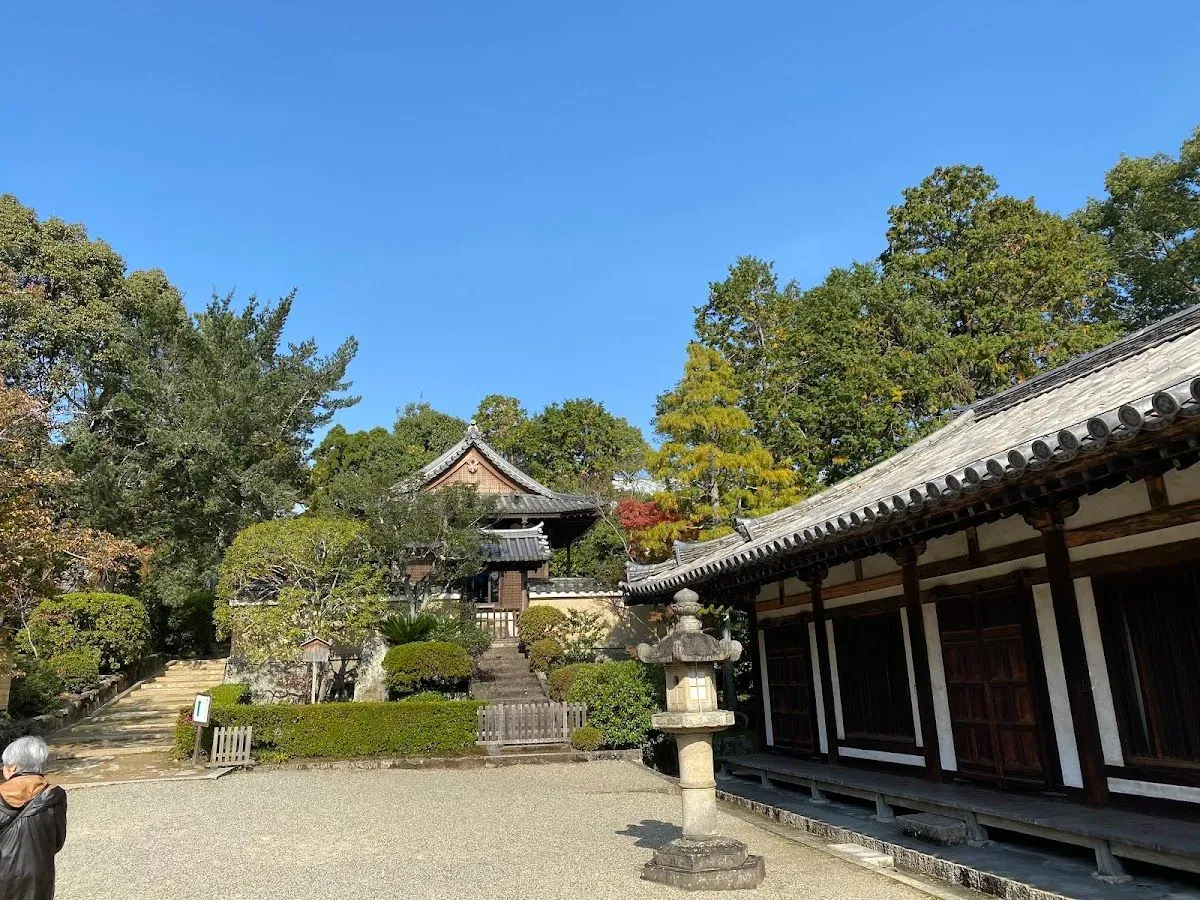
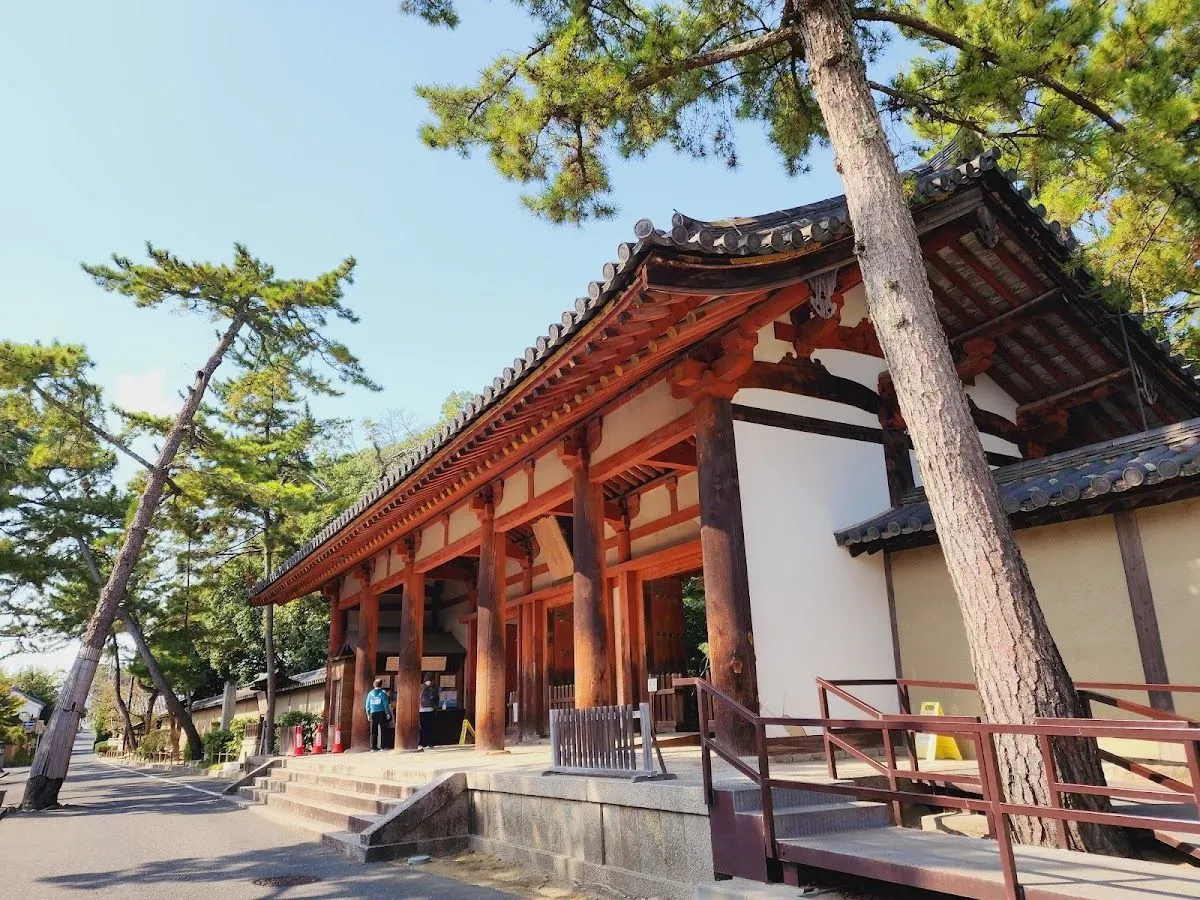
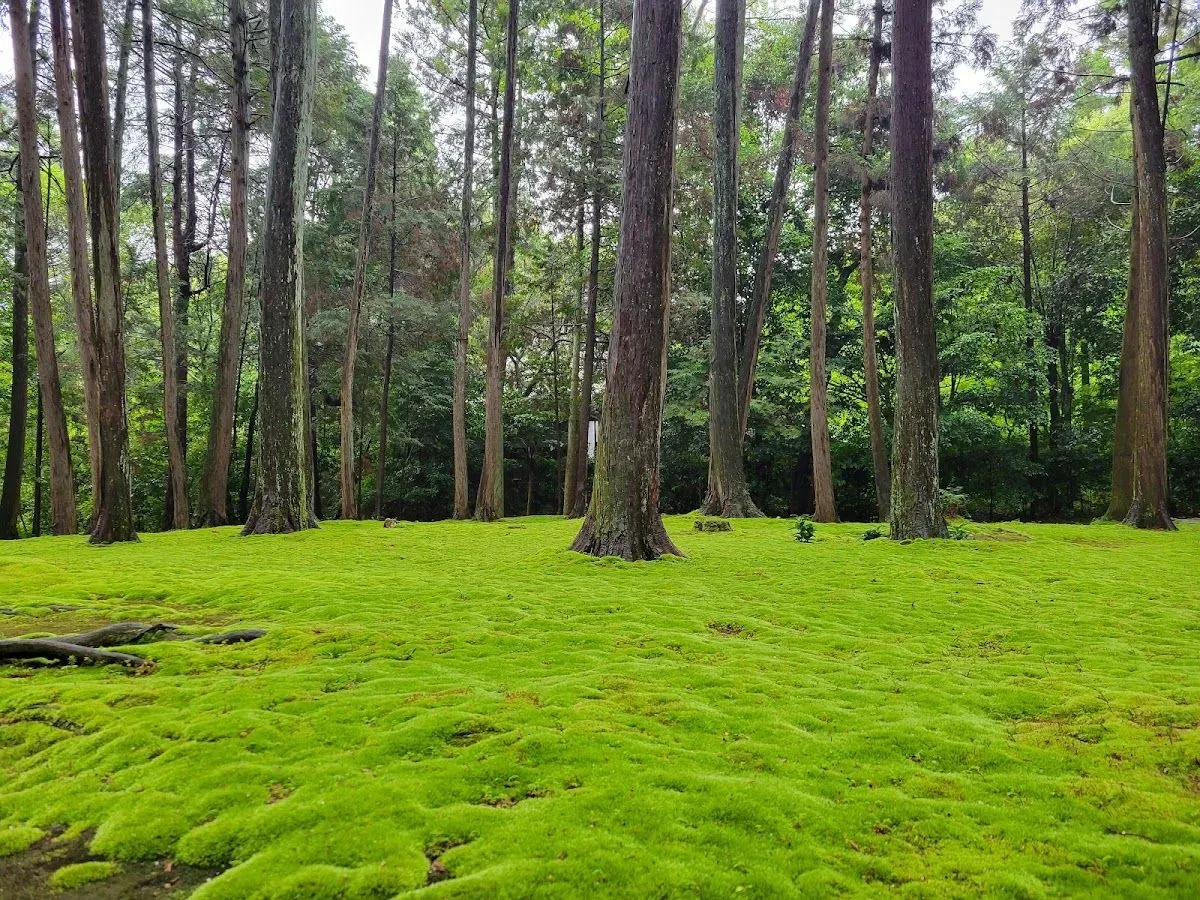
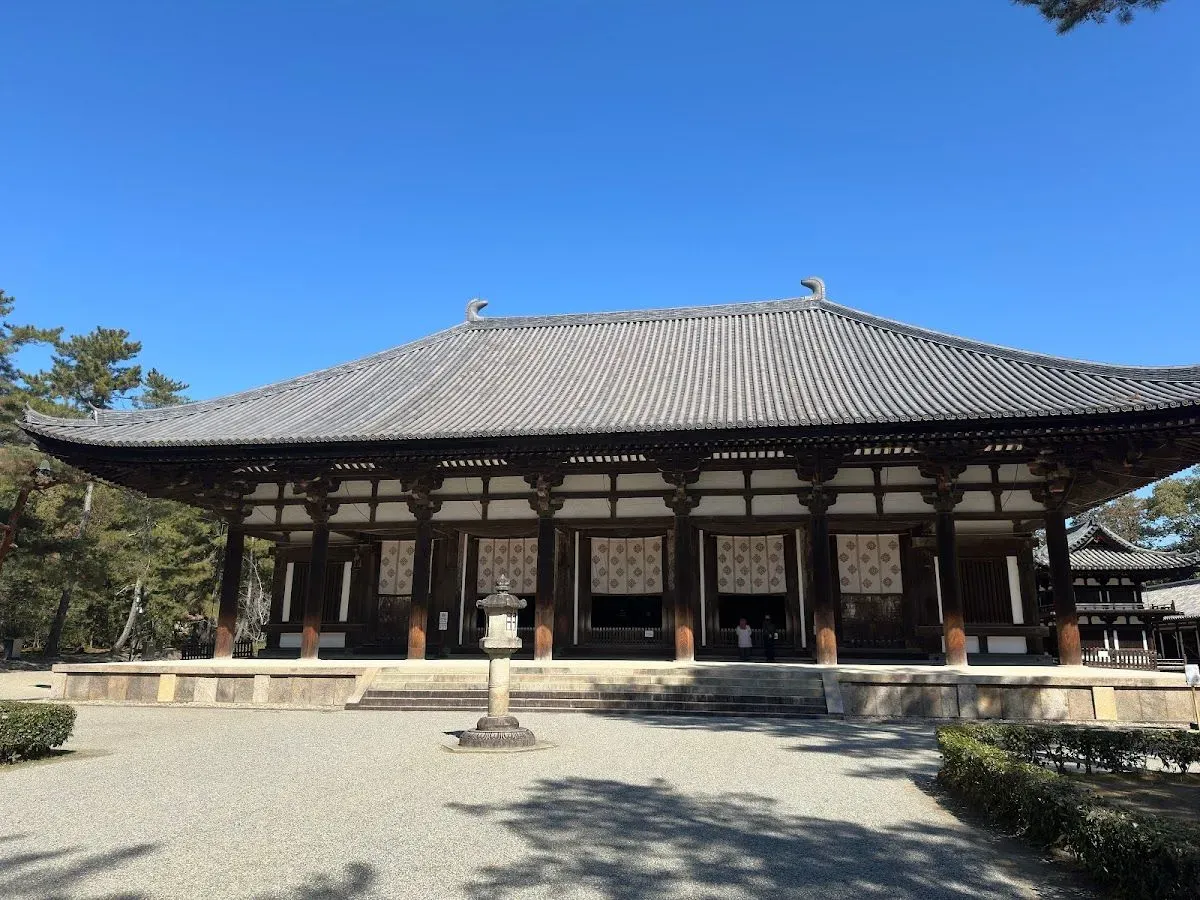
Founded in 759 by the Chinese monk Ganjin, Toshodai-ji is a quiet, UNESCO-listed temple renowned as the archetype of classical Nara-era architecture. Its eighth-century Classic Golden Hall (Kondo) is the only surviving original of its kind, housing a breathtaking, towering statue of Senju Kannon. Expect a serene atmosphere with moss-covered grounds and ancient wooden halls that feel remarkably untouched by modern tourism.
What Japanese guides note
A standard visit connects directly with neighboring Yakushi-ji, situated roughly 700 meters south along the historical Nishinokyo pedestrian route. Inside the grounds, photography of Buddhist statuary is prohibited, and viewing the Golden Hall's central triad is done from the exterior open portico. Visitors seeking access to the Shin-Hozo collection or the original Ganjin statue must verify opening schedules beforehand, as both halls remain closed outside specific exhibition windows.
Details from local sources
- The Kodo (Lecture Hall) is the sole surviving structure from the eighth-century Heijo Imperial Palace, relocated and adapted from the palace's East Choshuden assembly hall. [source]
- Unlike conventional Thousand-Armed Kannon statues that symbolize one thousand arms using forty-two, the Golden Hall statue preserves 953 individual arms composed of 42 major and 911 minor arms. [source]
- The Kyozo (Sutra Repository) predates the temple itself, originating as a rice granary from Prince Niitabe's eighth-century estate and standing as Japan's oldest log-cabin storehouse. [source]
- The Mieido was originally a palace building of Ichijo-in from Kofuku-ji that served as the Nara Prefectural Office and District Court before being relocated here in 1964. [source]
Insider Tip
Combine this with nearby Yakushi-ji temple; a combined discount ticket is often available and both are easily reached by bicycle.
Frequently asked
Is the original seated statue of Ganjin Wajo on display every day?
No. The eighth-century National Treasure statue inside the Mieido is unveiled to the public only three days per year around Ganjin's memorial date (June 5–7). An exact replica statue, however, is enshrined inside the Kaisando hall on the grounds and can be viewed year-round.
How can visitors travel between central Nara and Toshodai-ji?
From Kintetsu Nara Station, take the Kintetsu line with a transfer at Yamato-Saidaiji Station to Nishinokyō Station, followed by a 10-minute walk north. Direct Nara Kotsu buses also run regularly from JR Nara Station and Kintetsu Nara Station to the Toshodai-ji bus stop.
Are the treasures in the Shin-Hozo exhibition hall accessible year-round?
No. The Shin-Hozo (New Treasure Hall) is only open during designated special exhibitions, typically held in spring and autumn. When operational, viewing requires an additional entry fee of ¥200 for adults and ¥100 for school-aged students beyond the regular temple grounds ticket.
Our Nara walking tours

Photos