
Think you can't conquer both Hiroshima's heavy history and Miyajima's mystical island peak in a single day? Think again. This hyper-efficient, dawn-to-dusk itinerary shows you exactly how to thread the needle between solemn reflection and wild island adventure without wasting a single second.
How can you honor history at the Hiroshima Peace Memorial?
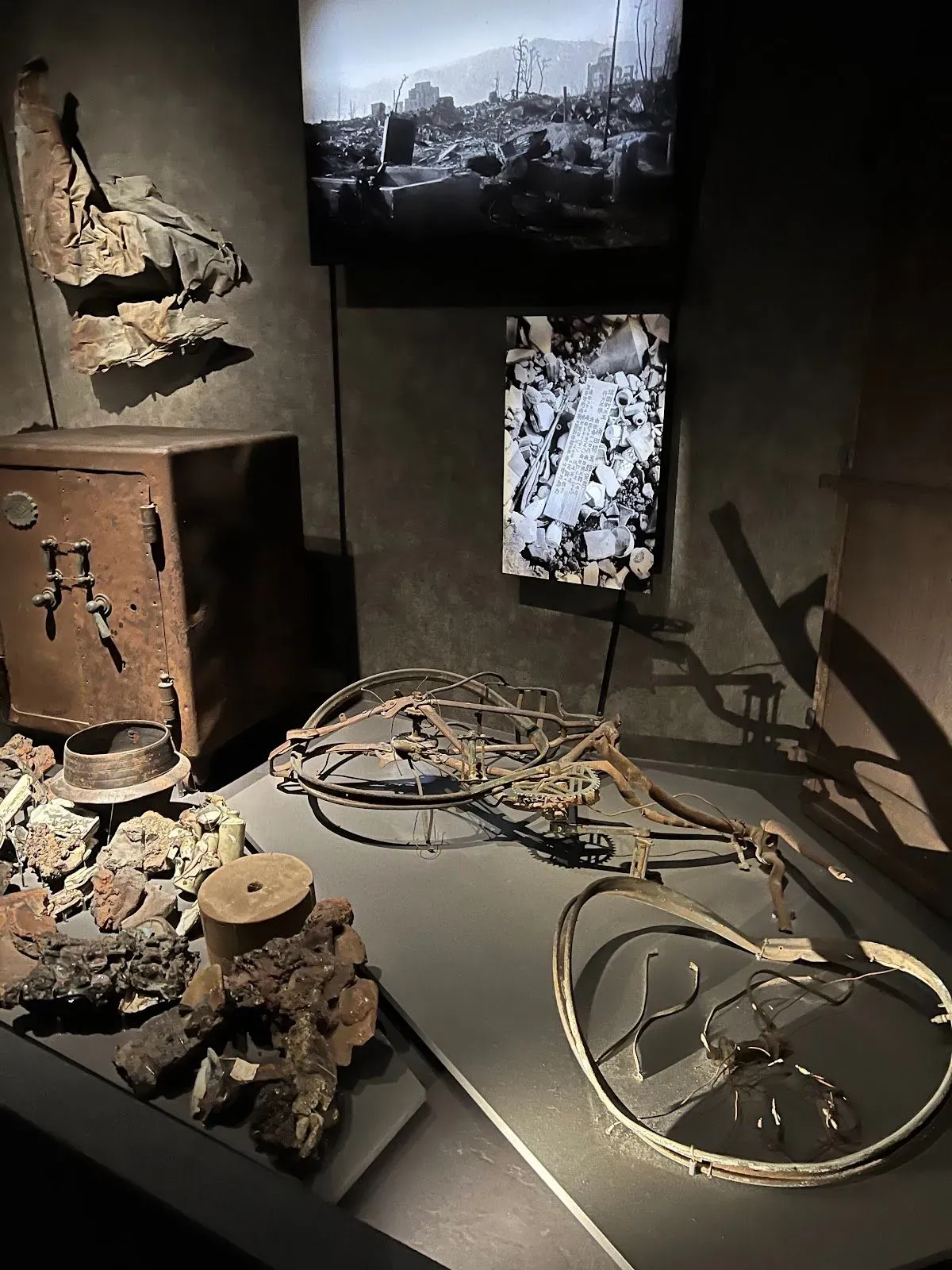
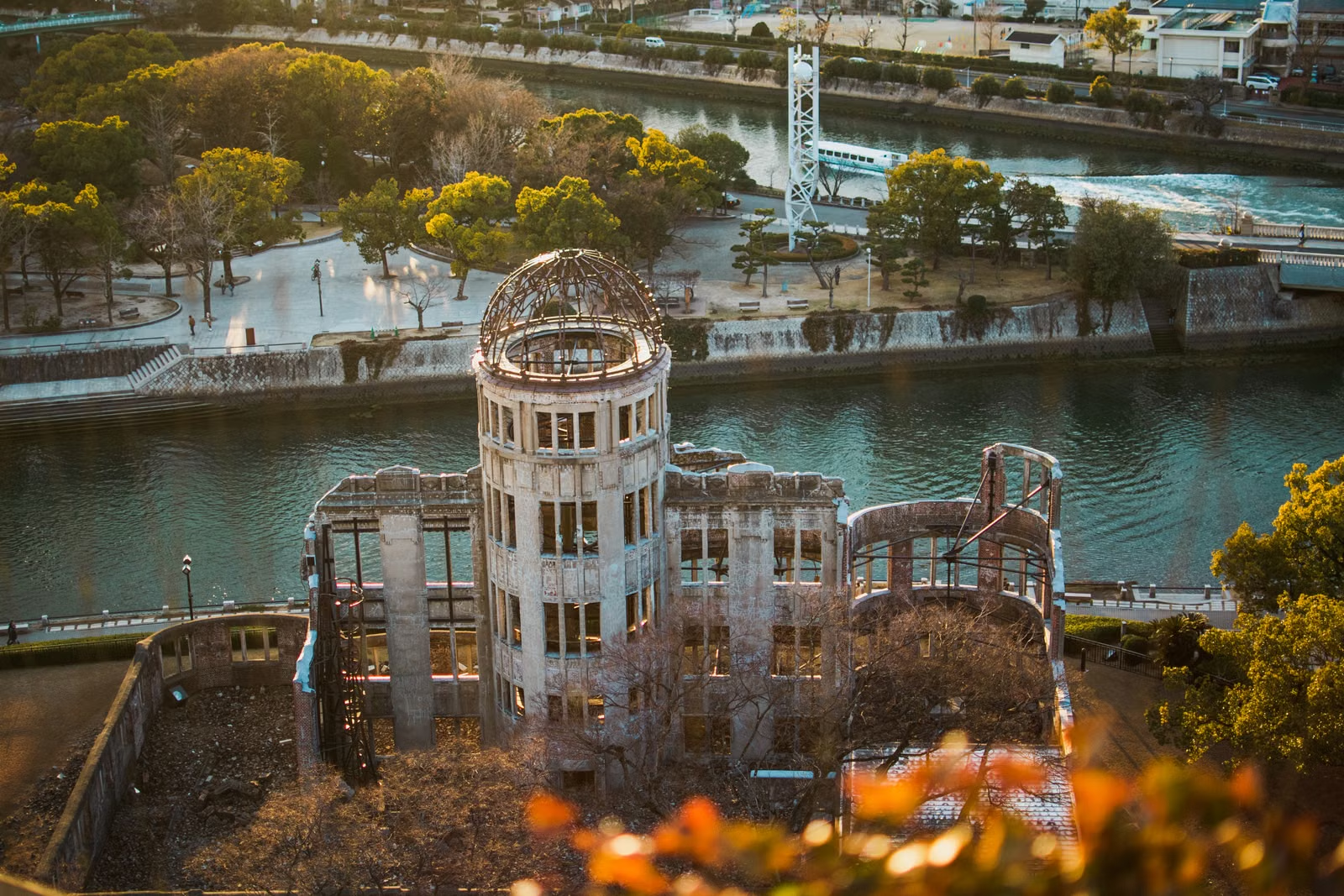
Start your morning at the Hiroshima Peace Memorial Park and Museum, opening early at 7:30 AM for a quiet, deeply moving look at the 1945 atomic blast through personal artifacts and survivor testimonies. Witnessing the skeletal Atomic Bomb Dome firsthand sets a powerful, necessary foundation for understanding Hiroshima’s modern message of global peace. Walk the solemn grounds as the morning mist rises off the Motoyasu River. Inside the museum, the displays are visceral—a child's shredded tricycle, watches frozen at exactly 8:15 AM, and haunting shadow-burns on stone. It is heavy, essential, and unforgettable. Beat the massive crowds by arriving right at opening before the tour buses descend.
Where can you eat the best Hiroshima-style okonomiyaki?
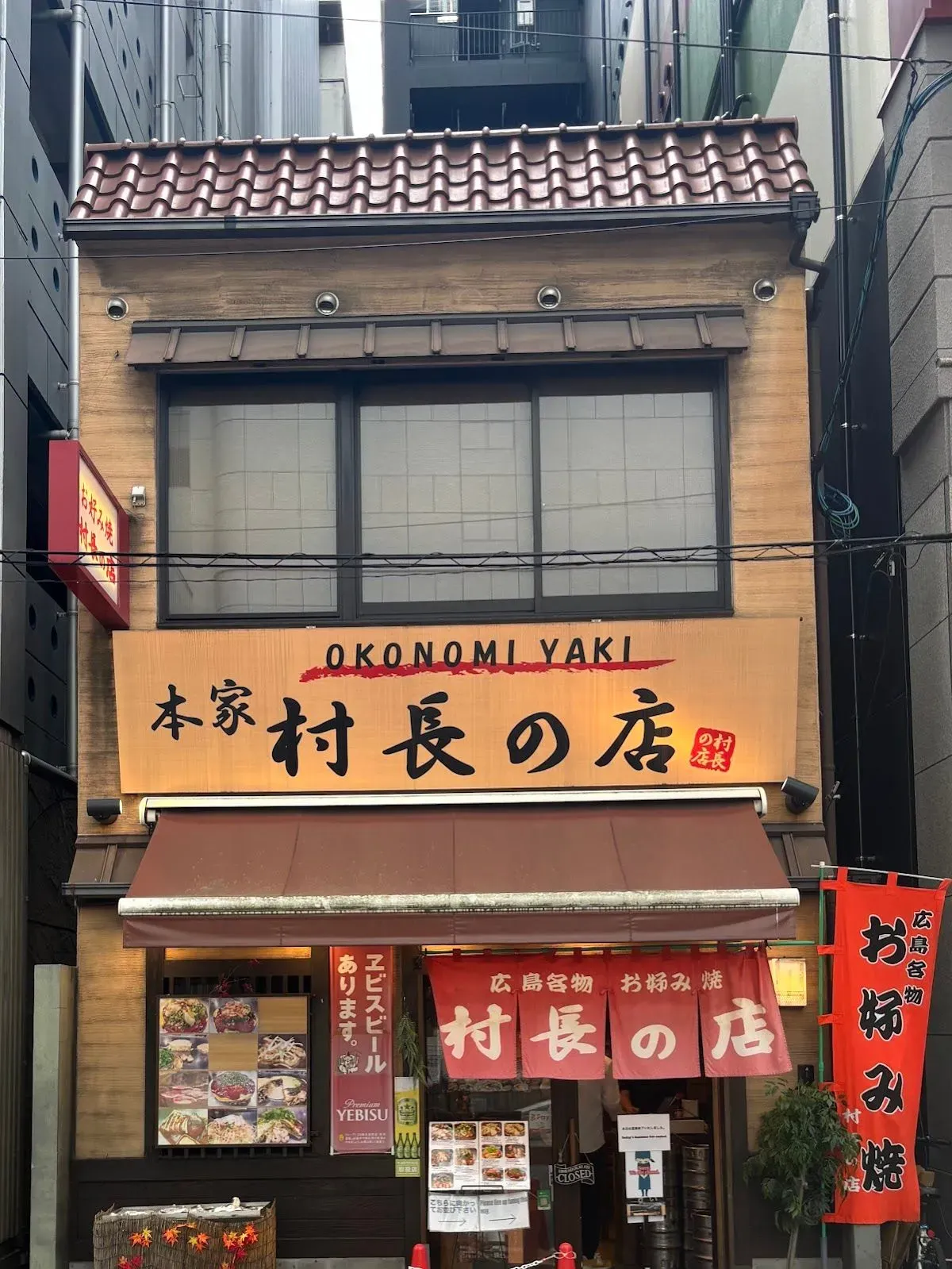
For the ultimate savory fuel, head directly to Okonomimura, a legendary multi-story food temple in Shintenchi housing over 20 independent, counter-only stalls. Here, chefs layer cabbage, pork belly, yakisoba noodles, and fried eggs onto a sizzling iron griddle, offering a deliciously messy, hyper-local lunch that costs between ¥800 and ¥1,500. Squeeze onto a low stool at any stall that catches your eye—each has its own secret sauce. If you are heading to Kansai next, don't miss our Osaka Castle, Dotonbori & Hidden Osaka – Private 3h Tour to experience Japan's ultimate street-food capital with an insider.
How do you experience Miyajima’s floating torii gate at its best?
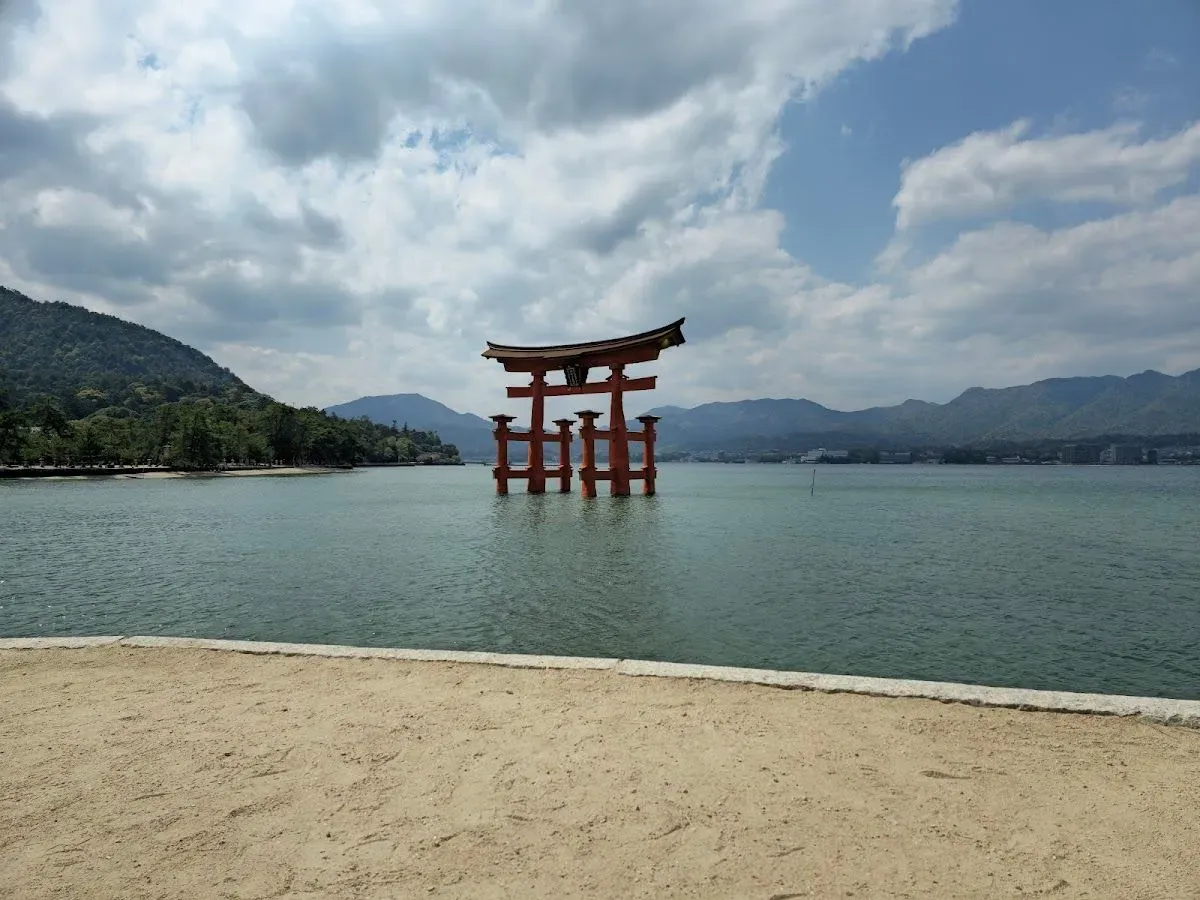
To see the iconic vermillion torii gate of Itsukushima Shrine floating magically on the water, time your visit during high tide when the sea floods the Heian-period boardwalks. For just ¥300, you can explore this UNESCO World Heritage site and watch the 16-meter-tall camphorwood gate stand proudly against the backdrop of sacred Mount Misen. As you step onto the vermillion wooden corridors, feel the gentle sea breeze and the slight give of the floorboards, designed with gaps to relieve tidal pressure. At high tide, the shrine feels less like a building and more like an elegant ship afloat. Watch out for the island's famous, mischievous deer who will happily eat your paper map.
What is the fastest way to reach the summit of Mount Misen?
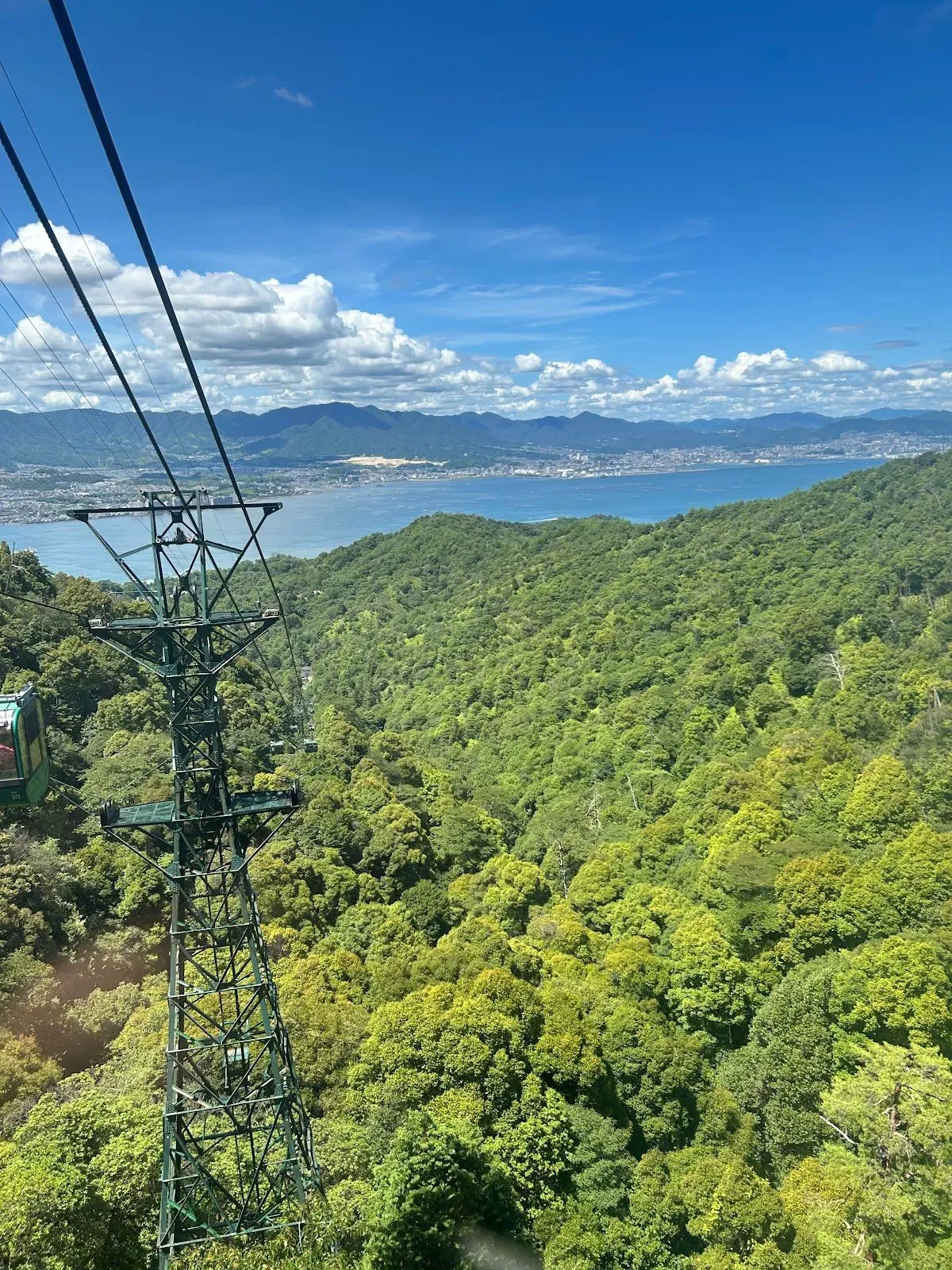
The fastest and most spectacular route to the 535-meter summit of Mount Misen is the Miyajima Ropeway, a scenic two-stage aerial gondola costing ¥2,000 round-trip. From the upper Shishi-iwa Station, a rewarding 30-minute hike brings you to the summit, where panoramic views of the Seto Inland Sea islands await. Glide over the treetops of a protected primeval forest, listening to the birds below. From Shishi-iwa Station, lace up your sneakers for the rocky trail to the peak. You'll pass the Reikado Hall, where the Eternal Flame has burned continuously for over 1,200 years—the very flame used to light the Peace Flame back in Hiroshima’s Peace Park.
Why should you visit Daisho-in Temple on Miyajima?
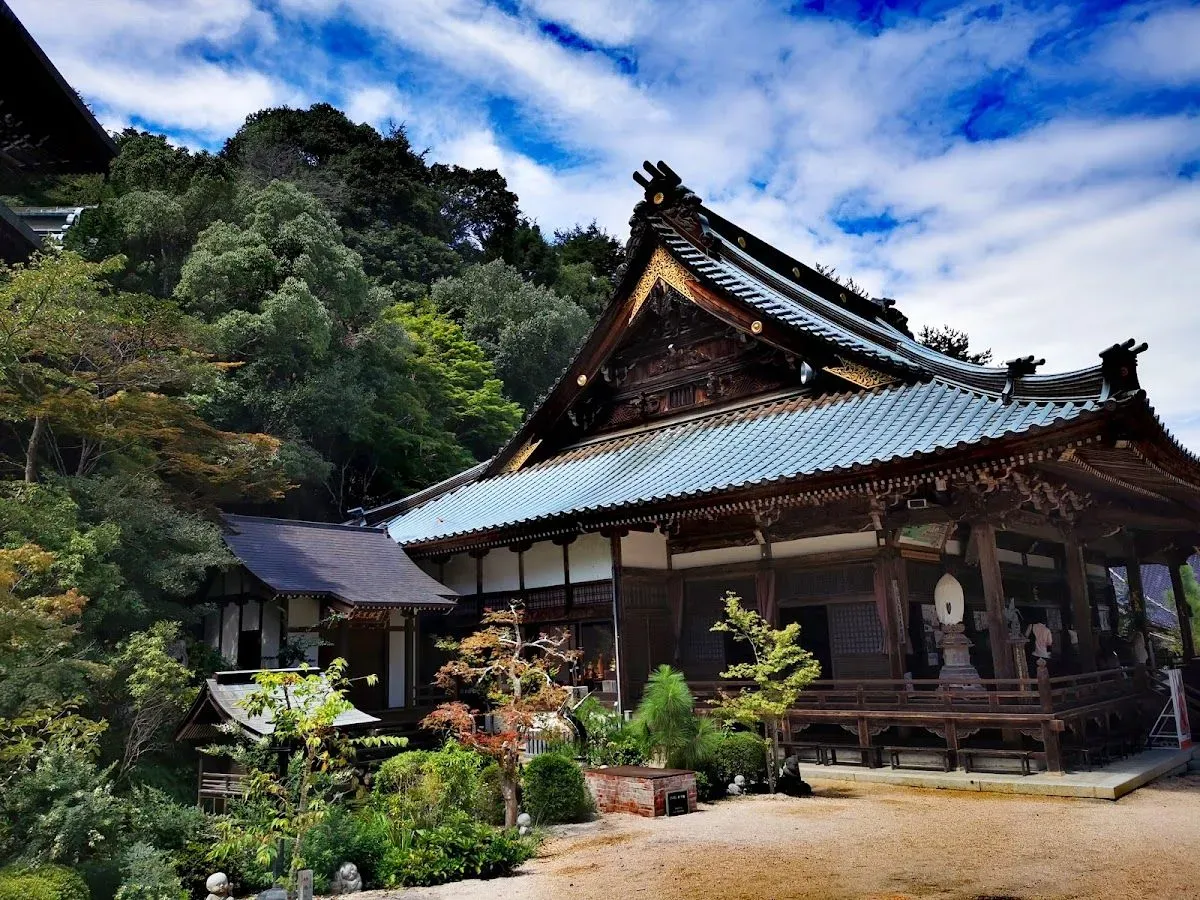
You must visit Daisho-in Temple because it is Miyajima’s oldest and most spiritually interactive Buddhist sanctuary, located peacefully at the foot of Mount Misen. Free to enter, this hidden gem invites you to spin 500 brass sutra wheels for blessings, wander through hundreds of stone Jizo statues, and explore a pitch-black underground meditation path. While crowds swarm the waterfront, Daisho-in offers pure, contemplative magic. Walk up the main steps gently spinning the metal scripture cylinders to earn blessings. If you love discovering these quieter, sacred corners of Japan, consider booking our Hidden Tokyo - Peaceful Gardens, Historic Shrines & Old Town Streets when you return to the capital.
Experience Japan's Best with Wabisabi
From the quiet temples of Miyajima to the hidden streets of Tokyo and Osaka, let our local guides show you the side of Japan most tourists miss.
Book this tour →