Where else can you buy a 1980s microchip, pray at a 400-year-old samurai temple, and eat charcoal-grilled yakitori under a train track all in one afternoon? The neighboring districts of Akihabara and Ueno represent Tokyo's ultimate culture clash, where high-tech neon collides with Edo-period history. Skip the tourist traps and dive into the grit, glamour, and green spaces of Tokyo's most dynamic corridor.
Where to find Tokyo's best street food market?
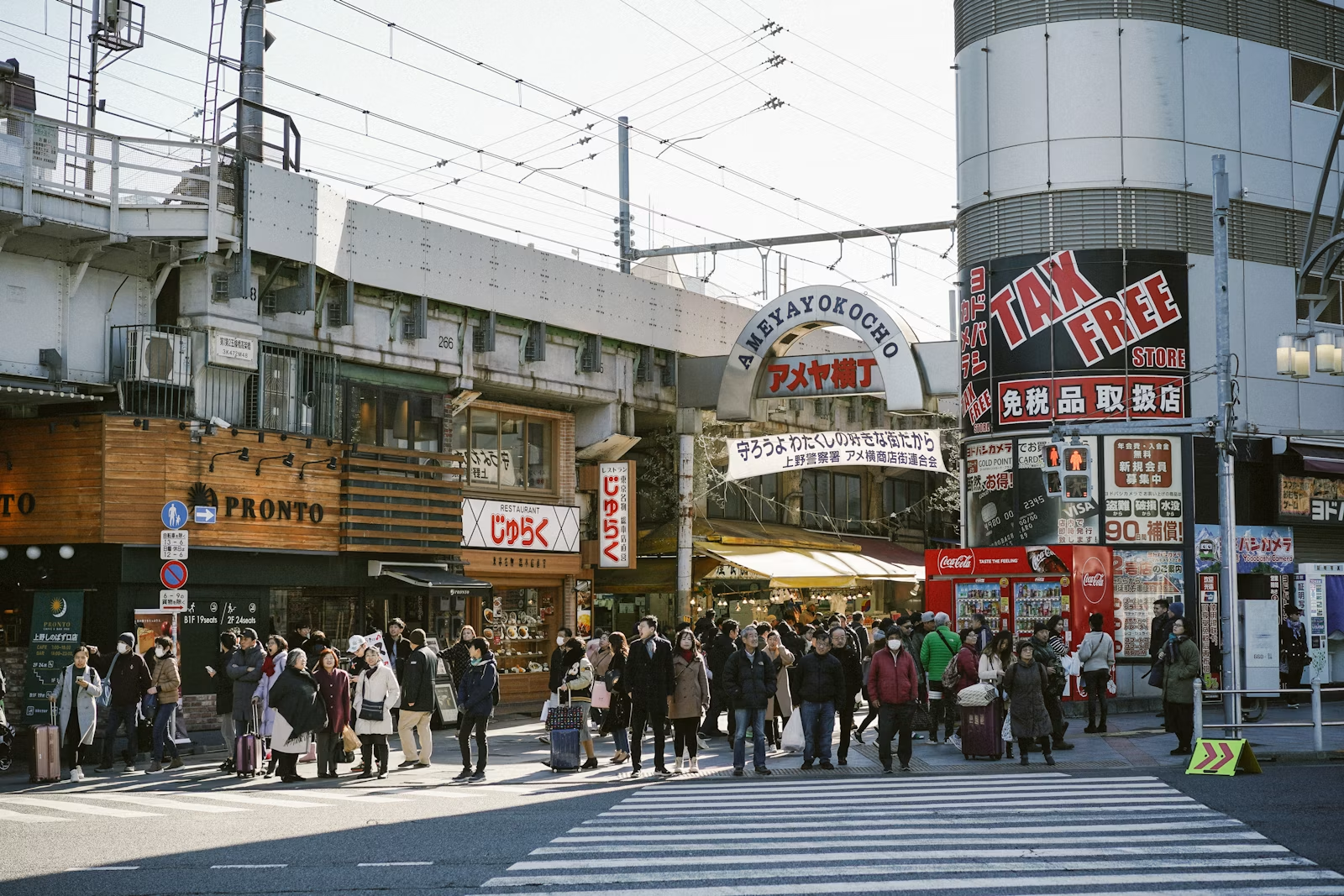
You can find Tokyo's best street food market at Ameyoko Shopping Street, a bustling open-air market spanning 500 meters alongside the Yamanote Line tracks in Ueno, which originally started as a black market selling sweet potatoes and American goods after World War II. Smell the charcoal-grilled yakitori and hear the gravelly shouts of fishmongers hawking fresh uni under the rumble of commuter trains. This chaotic alleyway preserves the gritty post-war energy of Tokyo. Taste your way through spicy duster-sized chicken skewers and fresh melon slices before diving into the crowded basement wet markets. Experience this sensory feast on our Ueno Temples & Ameyoko Market Walking Tour - Culture + Food + Shopping.
How do you experience Ueno's samurai history?
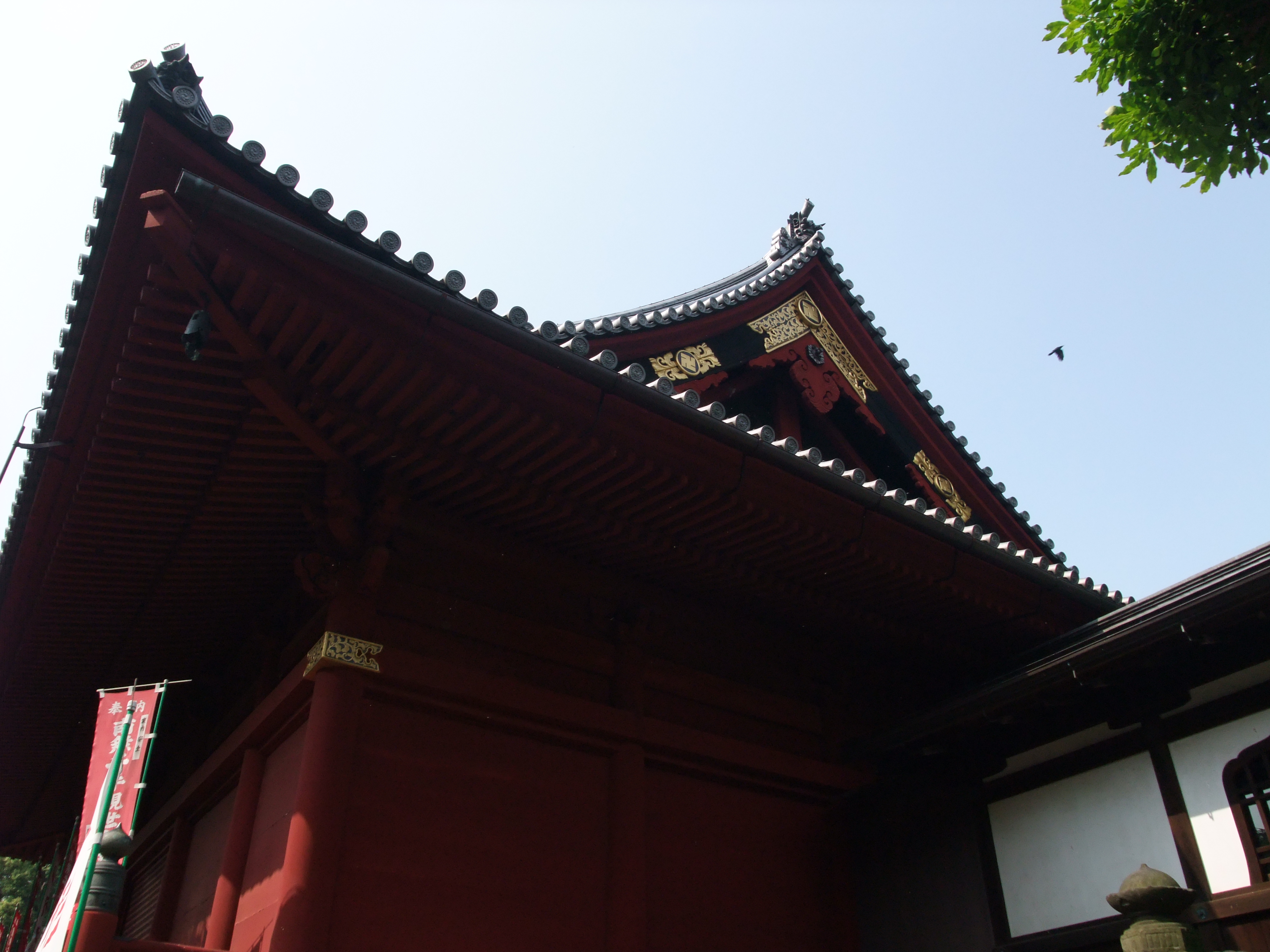
You can experience Ueno's samurai history by visiting Kaneiji Temple, founded in 1625 to protect Edo Castle from malevolent spirits, which once spanned the entirety of what is now Ueno Park before most of its 30 original structures were destroyed during the Boshin War in 1868. Step away from the museum crowds in Ueno Park and enter this quiet sanctuary of dark wood and stone lanterns. Kaneiji remains the resting place of six Tokugawa shoguns, holding a quiet gravity that contrasts with the neon of Tokyo. The surviving five-story pagoda and main hall offer a rare, uncrowded glimpse into Edo-period spiritual defense.
Where to find retro video games in Tokyo?
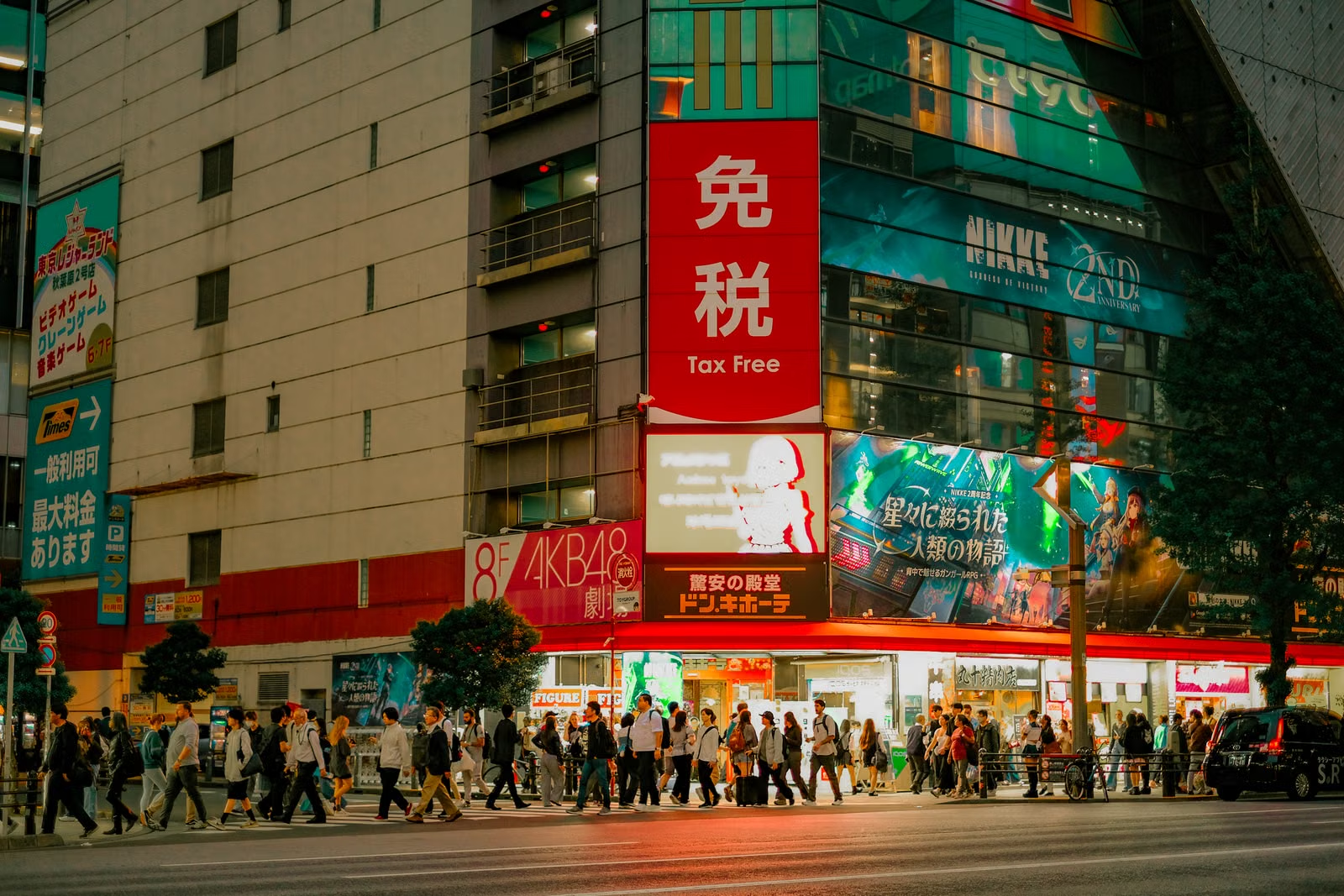
You can find retro video games in Tokyo at Super Potato Akihabara, a multi-story flagship store located just 350 meters from Akihabara Station, packed with thousands of vintage Japanese cartridges, rare consoles, and a retro arcade on the top floor featuring classic games for ¥100 per play. Breathe in the nostalgic hum of CRT televisions and the polyphonic bleeps of 8-bit soundtracks. Super Potato is a living museum of gaming history, where you can buy a boxed copy of 1985's Super Mario Bros. or sip a nostalgic glass bottle of Ramune soda while playing Street Fighter II on the top-floor arcade.
What is the tech-blessing shrine of Akihabara?
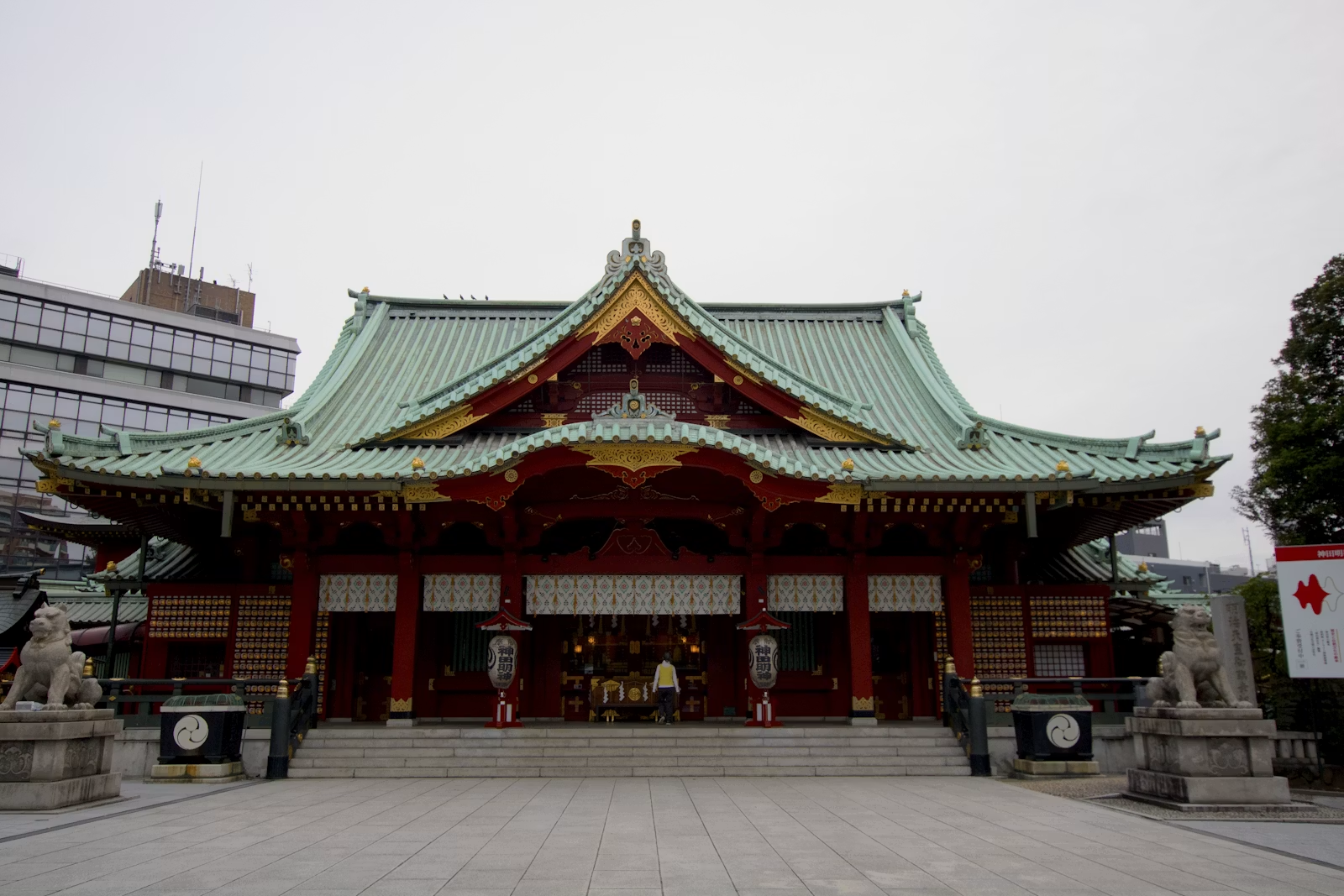
Kanda Myojin is a historic Shinto shrine founded in 730 AD that serves as the spiritual guardian of 108 Tokyo neighborhoods, famous for offering specialized IT charms to protect computers from viruses alongside traditional wooden ema plaques decorated with anime drawings by local geeks. This vibrant vermilion shrine perfectly bridges Tokyo's ancient beliefs with its high-tech present. Business executives in tailored suits bow alongside anime fans buying charms to protect their hard drives from data corruption. Discover the fascinating cultural crossover between Shinto spirits and modern technology on our private Ueno Temples & Akihabara Tour - Private Day Tour.
Where to buy handmade Japanese crafts in Tokyo?
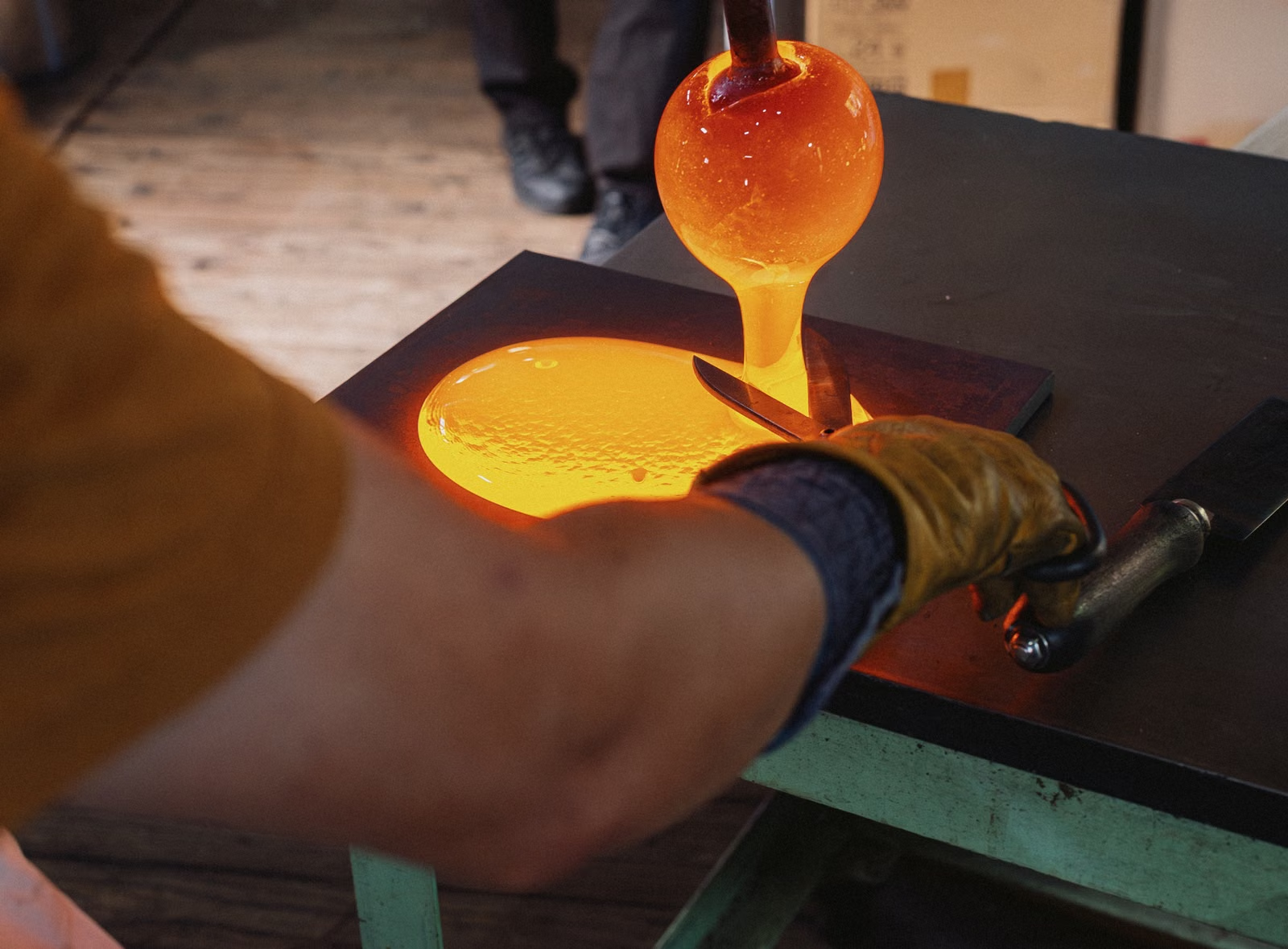
You can buy handmade Japanese crafts at 2k540 Aki-Oka Artisan, an innovative shopping arcade built beneath the elevated train tracks between Akihabara and Okachimachi stations, housing over 30 independent local artisans selling high-quality leather goods, ceramics, and textiles. Ditch the mass-produced plastic souvenirs and walk into this sleek, whitewashed sanctuary beneath the tracks. The name refers to its railway distance from Tokyo Station: 2,540 meters. Here, master craftsmen work in open-faced studios, hand-dying indigo scarves, carving wooden kitchenware, and custom-fitting premium leather wallets right before your eyes. Ueno Park is approximately 1.5 kilometers north of Akihabara. You can walk between them in about 15 to 20 minutes along the train tracks, or take a quick 3-minute train ride on the JR Yamanote Line. Even if you aren't into anime, Akihabara is fascinating for its massive multi-story electronics department stores like Yodobashi Camera, retro gaming shops, unique themed cafes, and historic spots like Kanda Myojin Shrine. The under-the-tracks artisan market at 2k540 is also a major highlight for design lovers. Ueno Park is beautiful year-round, but it is especially famous for its 800 cherry blossom trees blooming in late March and early April. For a quieter experience, visit early in the morning before the museums open at 09:30. Yes, most major electronics, hobby, and retro gaming shops in Akihabara offer 10% consumption tax exemption for foreign tourists. To claim this discount instantly at checkout, you must present your physical passport showing a temporary visitor stamp. Yes, Ameyoko Market is open daily, typically from 10:00 to 20:00. While some individual seafood stalls might close on Wednesdays, the street food stalls, clothing shops, and bars remain lively every day of the week.
Experience Akihabara & Ueno with Wabisabi
Skip the sensory overload and discover the secret alleys, historic temples, and retro gaming dens with our expert local guides.
Book this tour →