Rising 3,776 meters above sea level, Mount Fuji is the undisputed, snow-capped heart of Japan. But don't just stare at it from a bullet train window. To truly experience this sacred volcano, you need to explore the ancient shrines, steaming hot springs, and glass-like lakes that guard its base.
Chureito Pagoda — Mount Fuji's Most Iconic Viewpoint
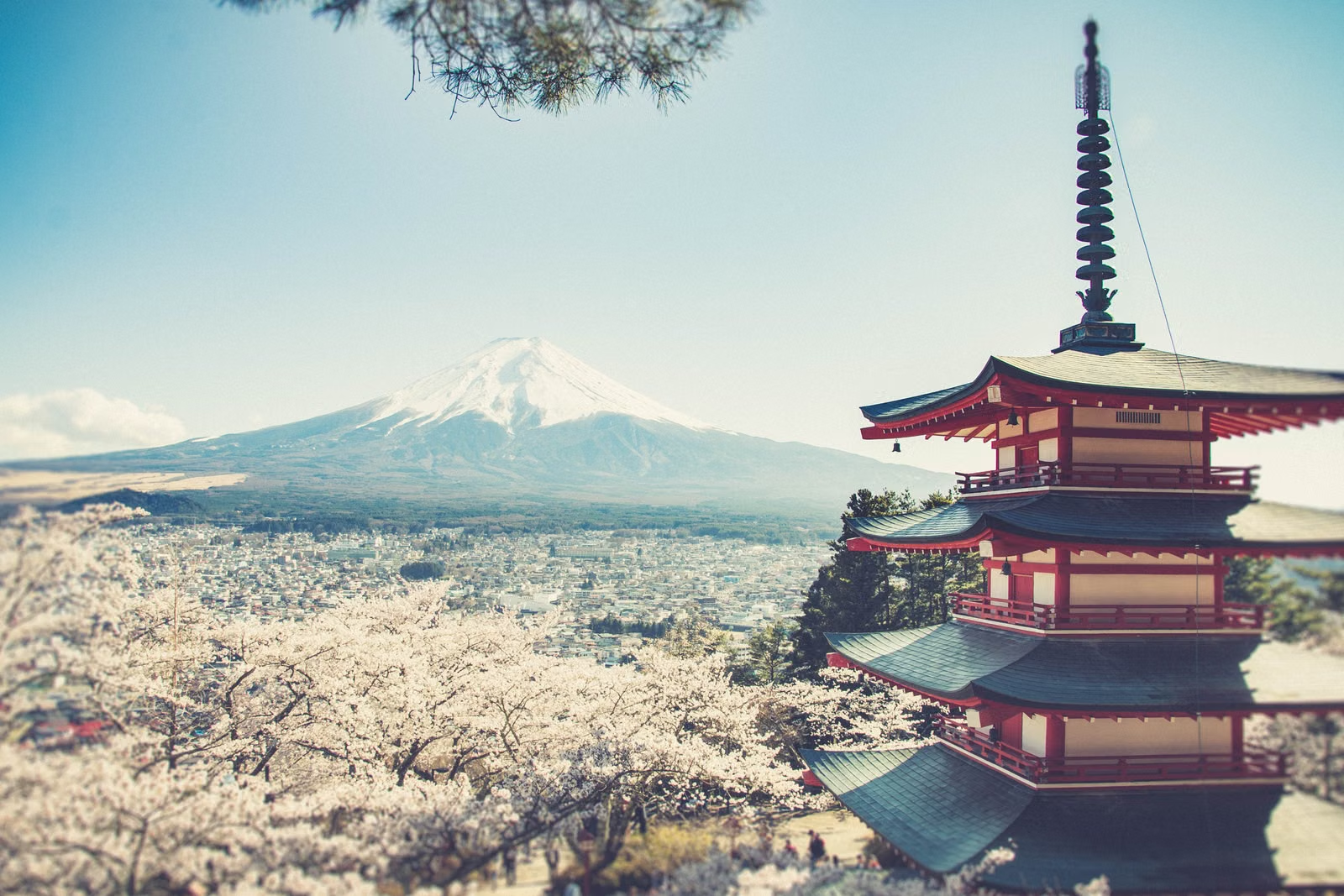
To capture the classic postcard shot of Mount Fuji framed by a red five-story pagoda and seasonal cherry blossoms, climb the 398 grueling stone steps at Arakurayama Sengen Park in Fujiyoshida, located roughly 100 kilometers west of central Tokyo. Burn your calves on the climb, but the payoff is legendary. Built in 1958 as a peace memorial, this red pagoda offers a symmetrical view of Fuji that feels almost cinematic. Go at dawn to beat the tour buses, when the morning mist still clings to the valley below and the rising sun paints the snow-capped peak in pale pink hues.
Lake Kawaguchiko — The Ultimate Waterfront Vista
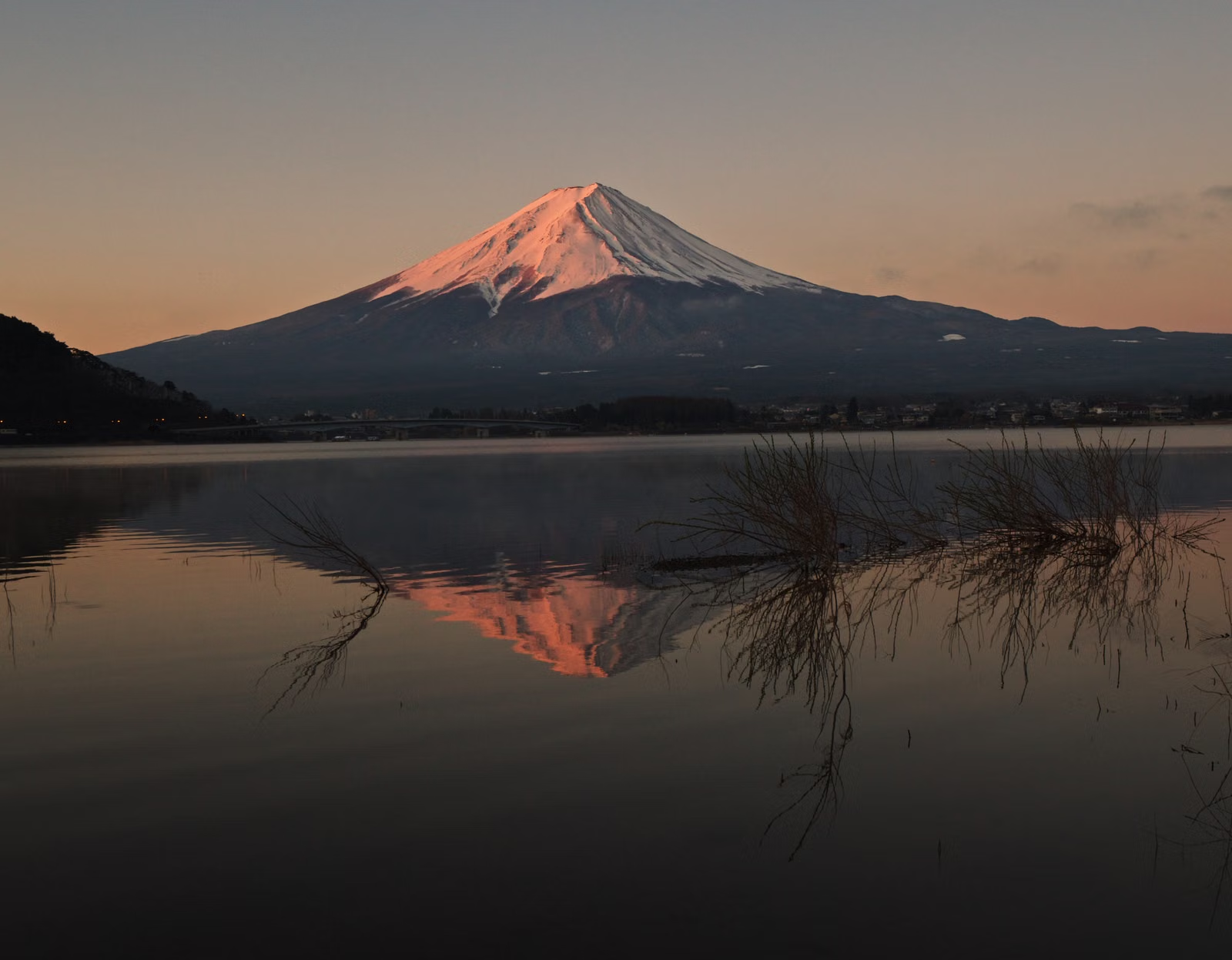
Lake Kawaguchiko offers the most accessible and diverse views of Mount Fuji, featuring a scenic 20-kilometer shoreline trail, vibrant lavender fields at Oishi Park, and historic lakeside hot spring resorts. It serves as the main hub for exploring the Fuji Five Lakes region, located just under two hours from Tokyo. This is the crown jewel of the Fuji Five Lakes. Rent a retro bicycle near the station and pedal along the northern shore, where the mountain reflects perfectly in the mirror-like water. Before heading to the lakes, warm up your walking legs in the capital with our Tokyo City Highlights - Shibuya + Harajuku + Asakusa tour.
Fuji-Q Highland — Record-Breaking Roller Coasters in Fuji's Shadow
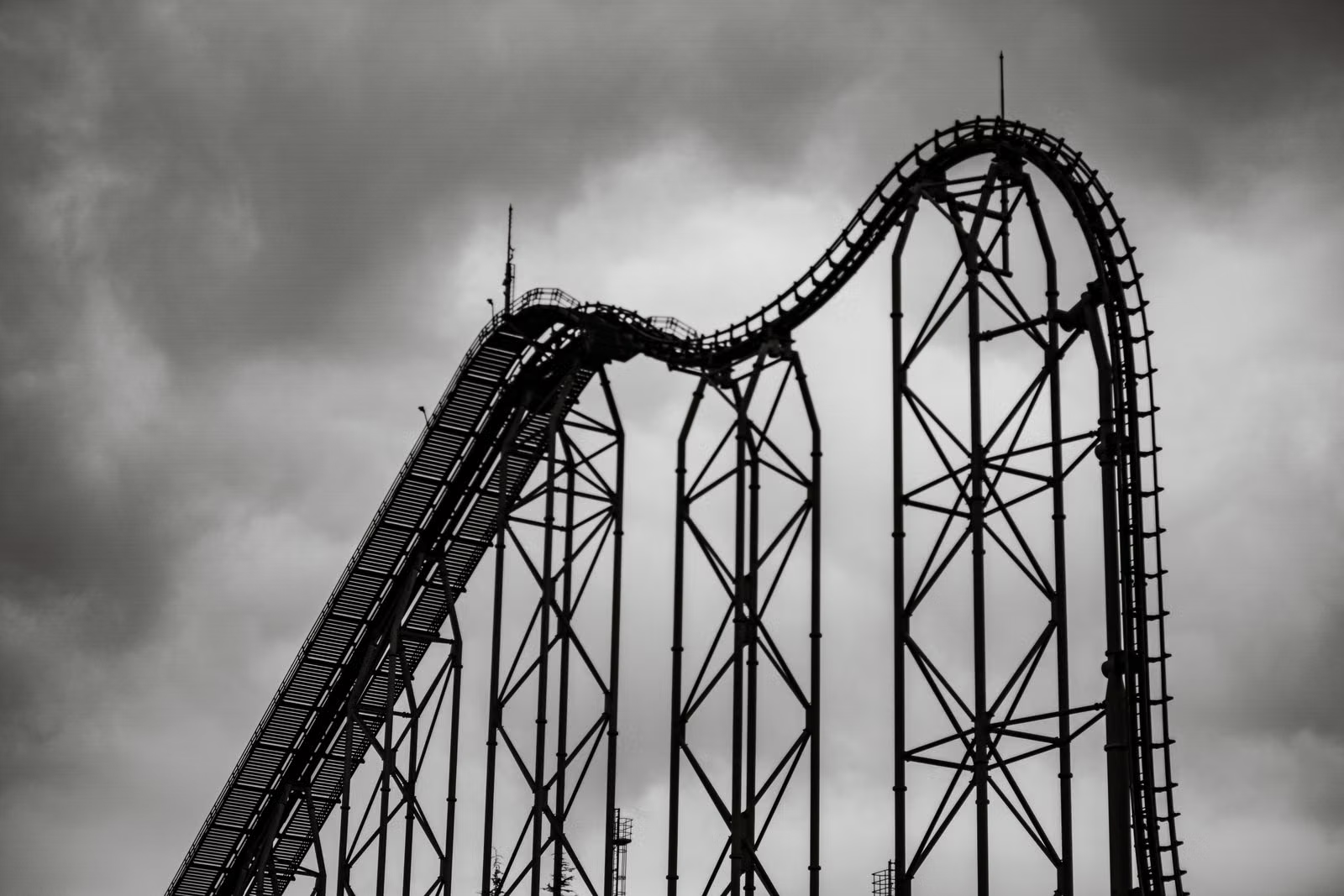
Fuji-Q Highland is a world-class amusement park located at the northern base of Mount Fuji, famous for its four record-breaking roller coasters including Takabisha, which boasts a terrifying 121-degree drop angle. Standard one-day passes cost ¥6,000 to ¥7,800 depending on the season. Adrenaline junkies, this is your mecca. Scream your lungs out on Do-Dodonpa, which accelerates from 0 to 180 km/h in just 1.56 seconds, all while Mount Fuji looms massively in the background. It is a surreal mix of jaw-dropping natural beauty and heart-stopping G-forces that you cannot find anywhere else in Japan.
Oshino Hakkai — Crystal-Clear Spring Water Villages
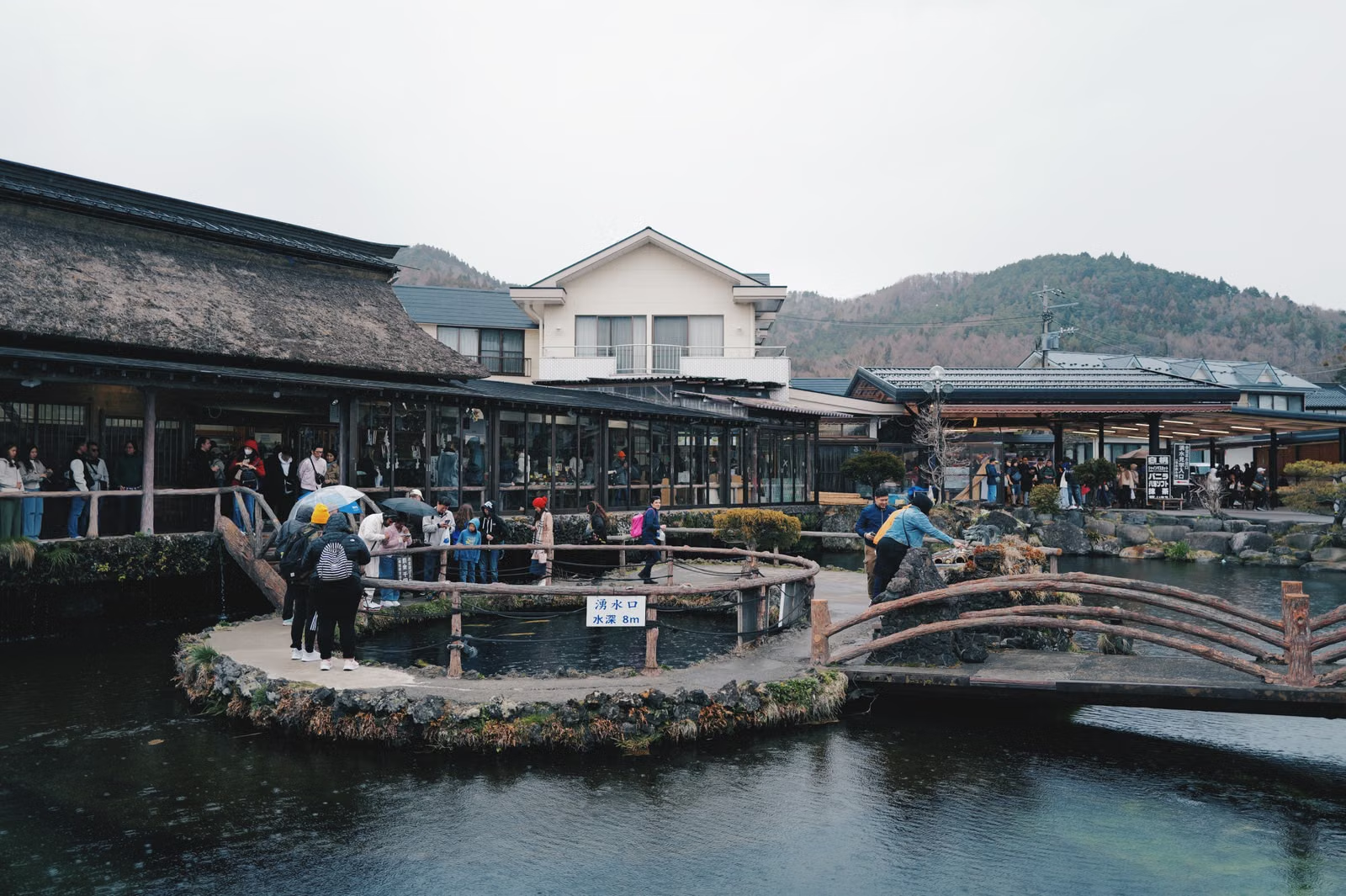
Oshino Hakkai is a picturesque tourist village featuring eight pristine spring pools fed by Mount Fuji's melting snow, which filters through porous volcanic lava layers for over 80 years before surfacing. This historic site is located between Lake Kawaguchiko and Lake Yamanaka. The water here is so clear you can see deep-swimming trout navigate the vibrant green moss beds below. Traditional thatched-roof farmhouses, waterwheels, and wooden bridges complete the ancient Japanese aesthetic. Sip the sweet, cold spring water straight from the source dragon-fountain, and grab a toasted grass mochi filled with sweet red bean paste.
Fuji Subaru Line 5th Station — The Gateway to the Summit
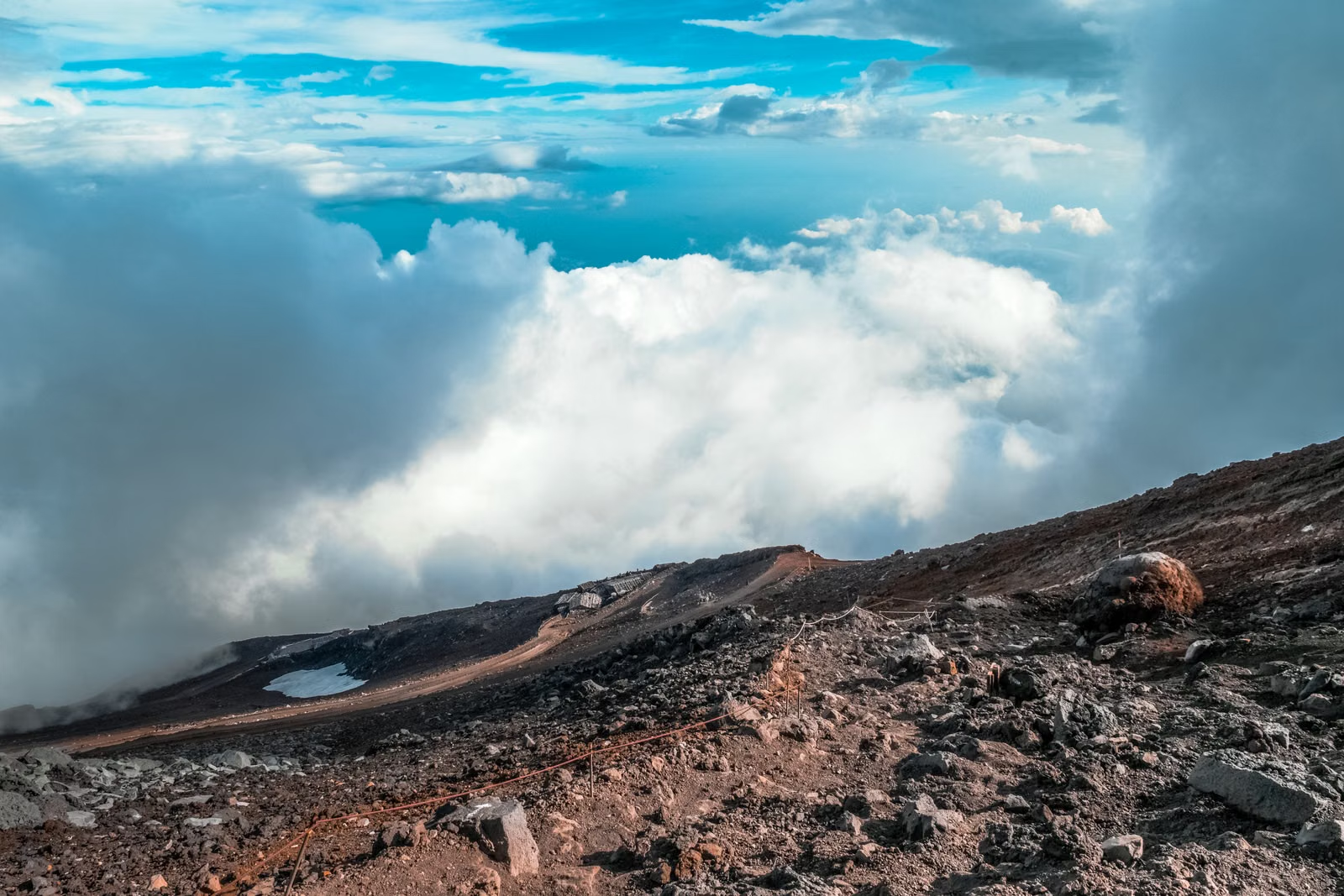
The Fuji Subaru Line 5th Station is the most popular starting point for climbing Mount Fuji via the Yoshida Trail, sitting at an elevation of 2,305 meters above sea level. It offers restaurants, souvenir shops, and panoramic views of the Fuji Five Lakes below. Even if you are not climbing to the 3,776-meter summit, this bustling high-altitude station is worth a visit. Stand above the clouds and breathe the crisp, thin alpine air. If you love exploring historic heights, check out our Ueno Temples & Akihabara Tour - Private Day Tour to discover Tokyo's oldest elevated sacred sites.
Fugaku Wind Cave — Subterranean Frozen Wonders
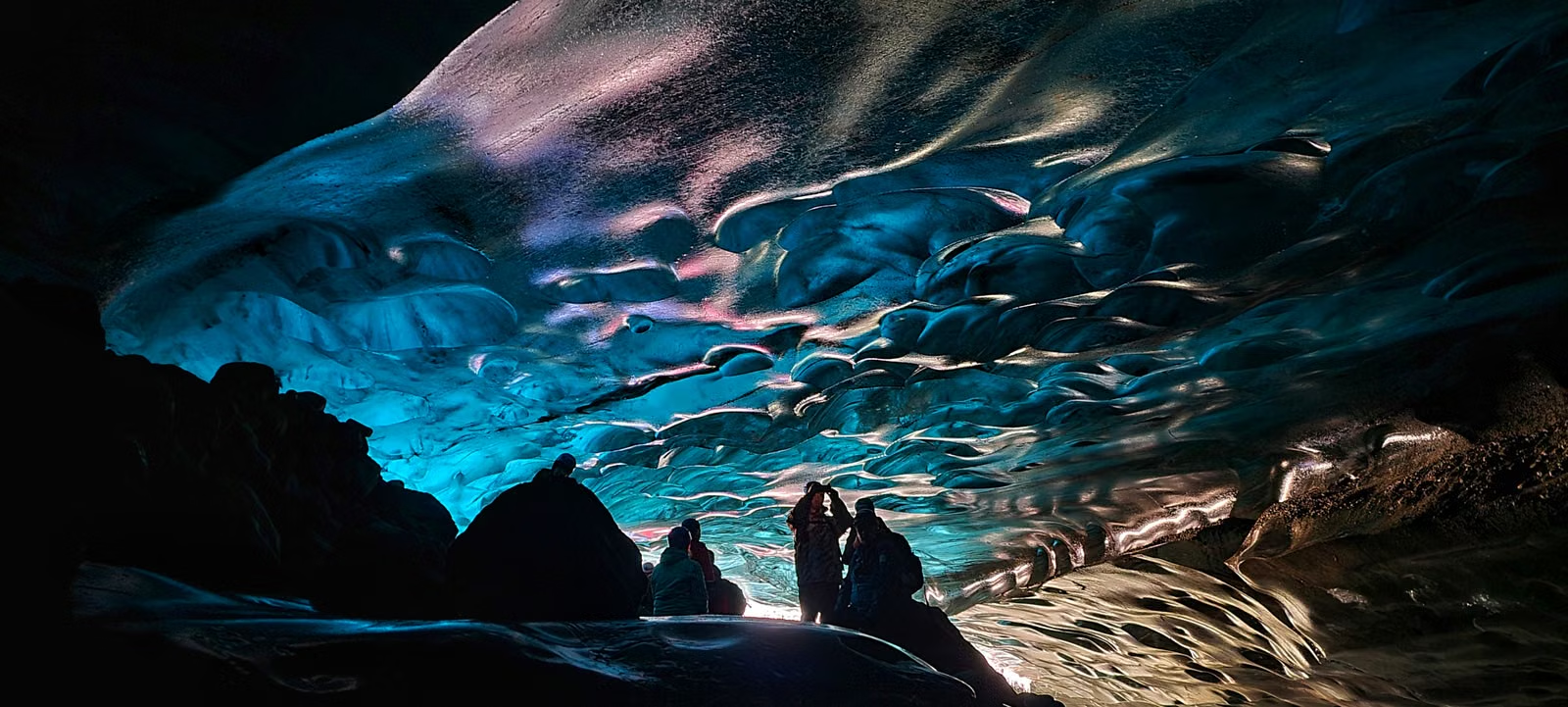
The Fugaku Wind Cave and Narusawa Ice Cave are natural lava tubes formed by Mount Fuji's historic eruptions, maintaining an average internal temperature of 3°C year-round and housing spectacular ice pillars. These caves are located within the dense Aokigahara Forest, roughly 20 minutes from Kawaguchiko. Step down into a frozen underworld. These ancient basalt caves stretch over 200 meters underground, featuring natural ice pillars that freeze solid in winter and survive deep into the summer. Walk through the low-ceilinged stone tunnels where historic silkworms were once stored, and feel the eerie, silent chill of Fuji's volcanic underbelly.
Fuji Yurari Onsen — Soaking with a Sacred Mountain View
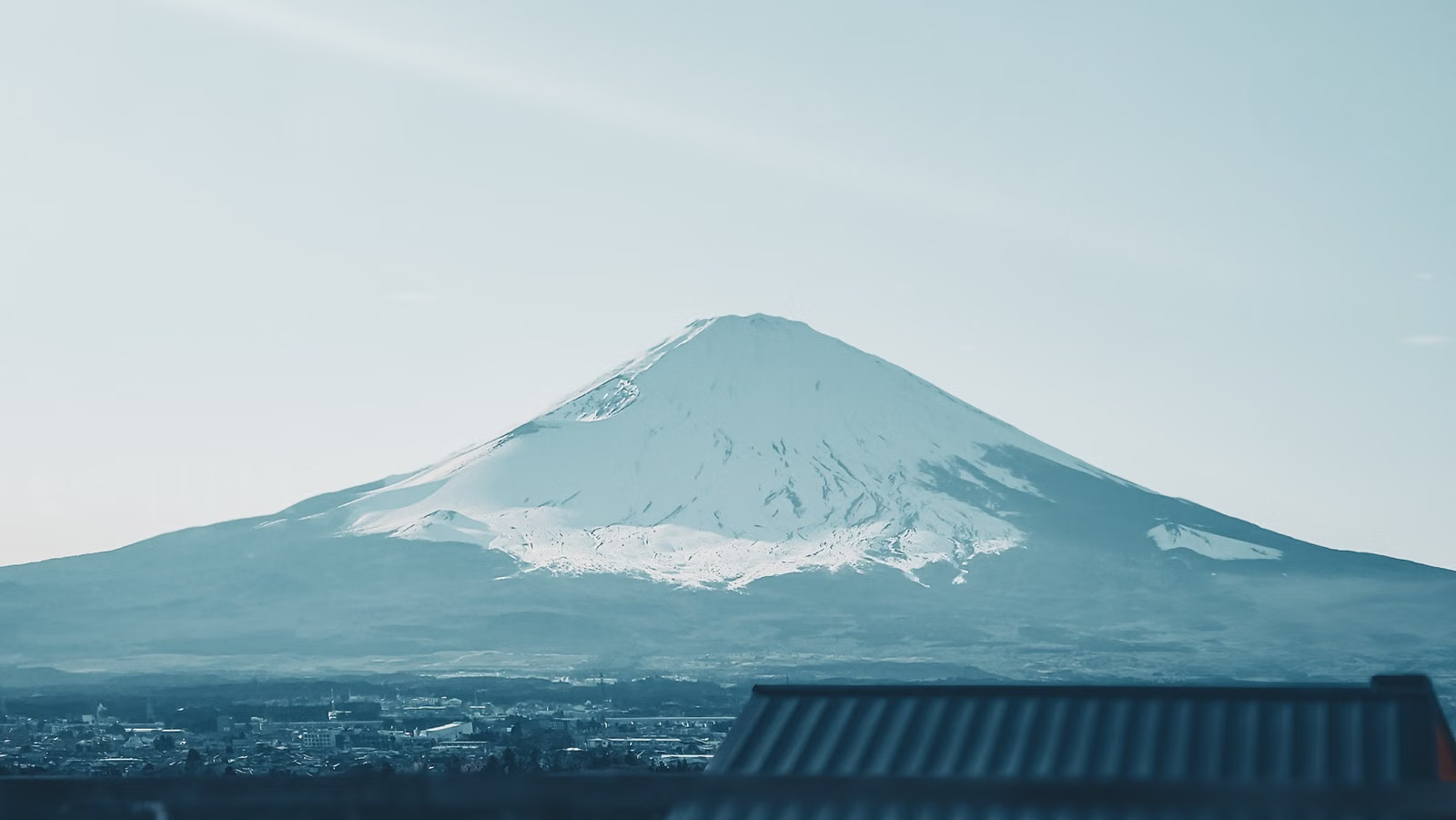
Fuji Yurari Onsen is a premium hot spring facility located near Lake Motosuko, offering sixteen distinct mineral baths, including outdoor pools with unobstructed views of Mount Fuji. A day-use entry ticket costs between ¥1,300 and ¥1,700 depending on the day of the week. There is no better way to soothe sore muscles after hiking than soaking in mineral-rich volcanic waters. Slip into the outdoor panoramic bath, breathe in the fresh mountain air, and watch the sunset turn Mount Fuji's snow fields golden. The multi-sensory experience of hot steam, cool breeze, and pristine mountain views is pure bliss.
Arakura Sengen Shrine — The Sacred Base of the Mountain
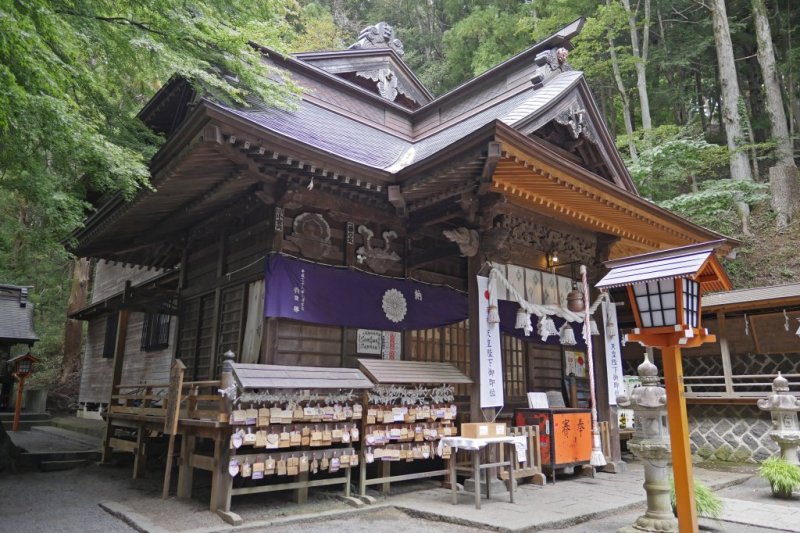
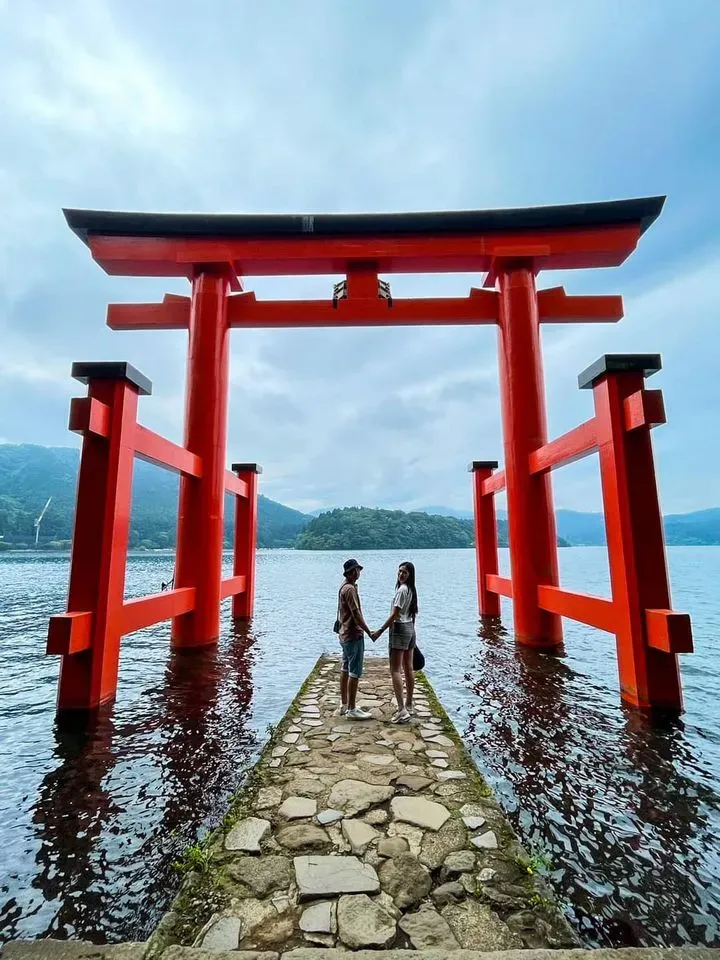
Arakura Sengen Shrine is a historic Shinto shrine founded in 705 AD, serving as the spiritual gateway to Arakurayama Sengen Park and offering deep cultural insights into ancient Fuji worship. The shrine grounds house beautiful vermilion torii gates and centuries-old cedar trees. Before rushing up to the famous pagoda viewpoint, stop and pay your respects at this historic shrine. Walk under the towering giant cedar trees and the massive red torii gate that frames Mount Fuji perfectly. It is a quiet, spiritual sanctuary that connects you to the centuries of pilgrims who climbed this mountain as a religious rite. The best months to visit Mount Fuji are from November to February, when the skies are clearest and the iconic snow cap is fully formed. If you plan to climb to the summit, the official hiking season runs strictly from early July to early September. Yes, Mount Fuji is highly accessible as a day trip from Tokyo. You can take the JR Fuji Excursion direct train from Shinjuku to Kawaguchiko Station in about 1 hour and 50 minutes, or opt for highway buses which take around 2 hours. Visiting the Fuji Five Lakes area and viewing the mountain is entirely free. However, if you choose to hike to the summit, a voluntary ¥1,000 conservation donation is requested at the trailheads to support environmental maintenance. Lake Kawaguchiko offers the most accessible views and tourist facilities, making it ideal for first-time visitors. For a wilder, less crowded perspective, Lake Motosuko offers the iconic view featured on the ¥1,000 banknote. Yes, beginners can climb Mount Fuji via the popular Yoshida Trail, which is well-marked and lined with mountain huts. However, it requires decent physical fitness, proper hiking gear, and careful pacing to avoid altitude sickness.
Experience Tokyo and Mount Fuji with Wabisabi
Before or after your mountain escape, join our local insiders to uncover the best hidden corners of Tokyo's historic streets.
Book this tour →