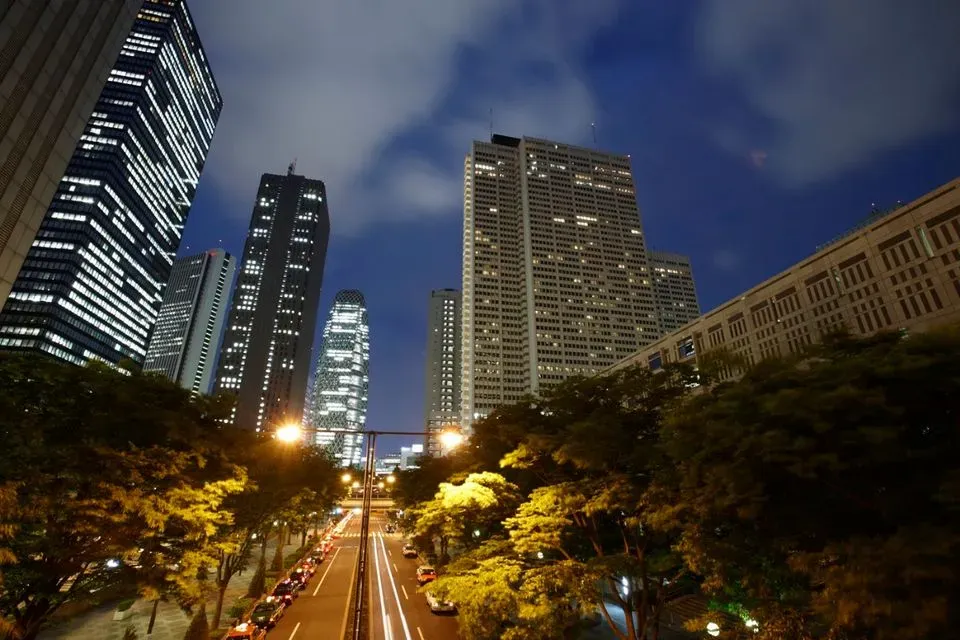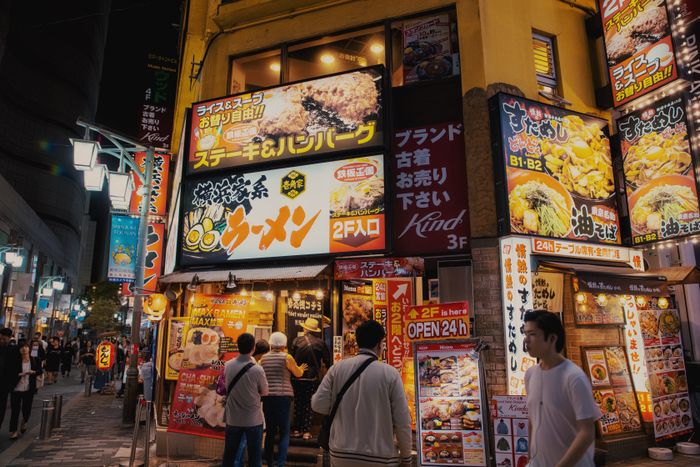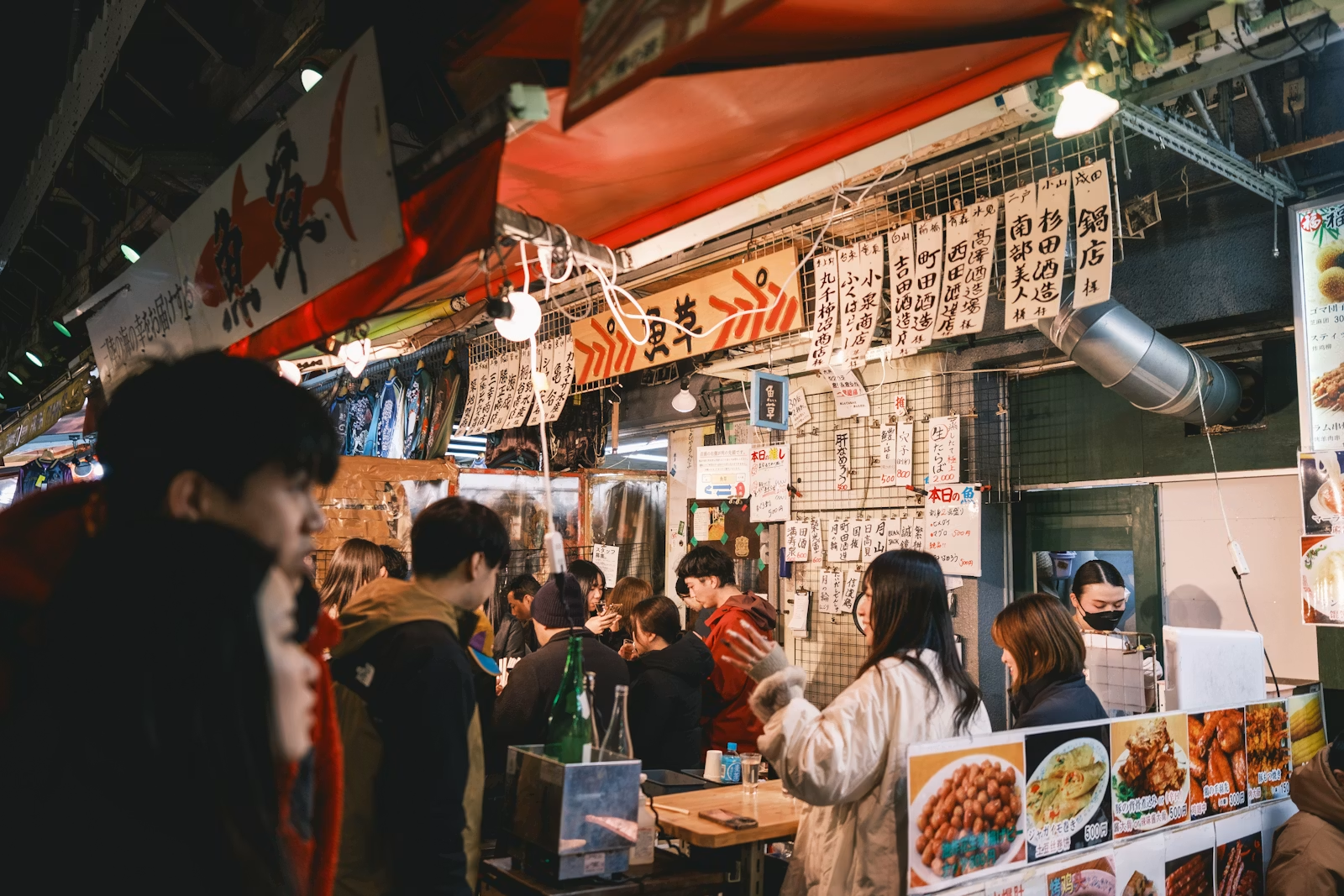

Tokyo doesn't have a street food culture like Bangkok or Taipei, but if you know where to look, the city offers some of the most sublime grab-and-go bites on the planet. From historic temple approaches to neon-soaked alleyways, these eight spots serve up authentic, affordable Japanese street eats. Skip the tourist traps and eat like a local at Tokyo's true culinary hotspots.
Niku no Ohyama — Legendary ¥150 Menchi-Katsu in Ueno
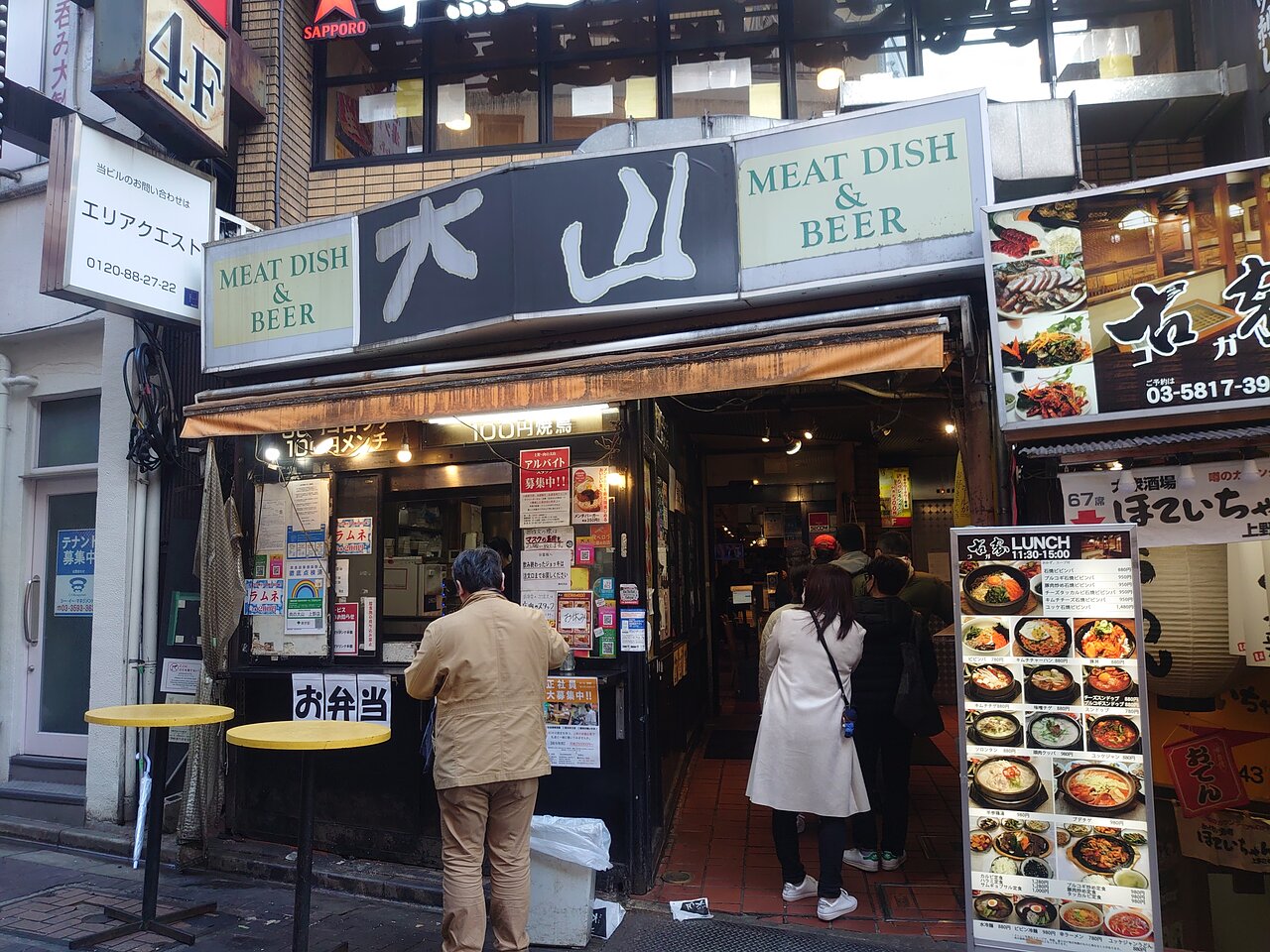
Located in the bustling Ameyoko Market, Niku no Ohyama is a historic butcher-owned stall established in 1932 that serves Tokyo's ultimate menchi-katsu, a crispy beef and pork cutlet, starting at just ¥150. Step into the chaotic energy of Ueno's back alleys, where the scent of frying oil and roasting yakitori fills the air. To dive deeper into the historic markets of Tokyo, join our Ueno Temples & Ameyoko Market Walking Tour - Culture + Food + Shopping to taste local treats with an expert guide. The crispy panko shell gives way to an incredibly savory, onion-sweet meat filling.
Asakusa Kokonoe — Sizzling Deep-Fried Manju Near Senso-ji
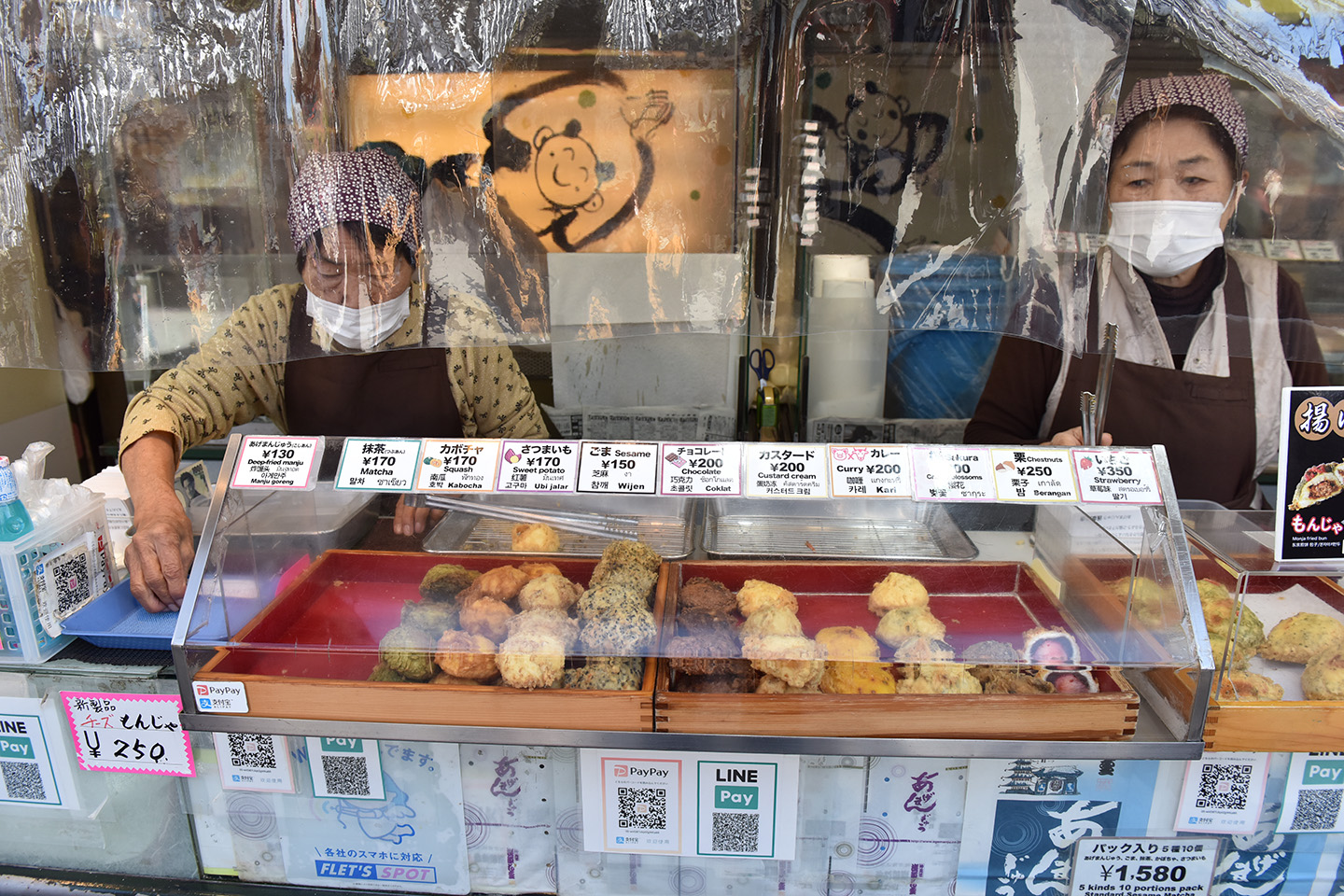
Situated right next to the historic Senso-ji Temple on Nakamise-dori, Asakusa Kokonoe has been serving freshly fried agemaju, which are crispy deep-fried sweet red bean buns, since 1962, with individual prices starting from exactly ¥130 per piece. As you navigate the bustling approach to Tokyo's oldest temple, look for the steam rising from Kokonoe's busy storefront. They take traditional steamed manju cakes, coat them in a light tempura batter, and flash-fry them to golden perfection. The contrast between the crunchy exterior and the piping hot, sweet filling is unmatched.
Gindaco Highball Sakaba — Crispy Takoyaki and Ice-Cold Highballs
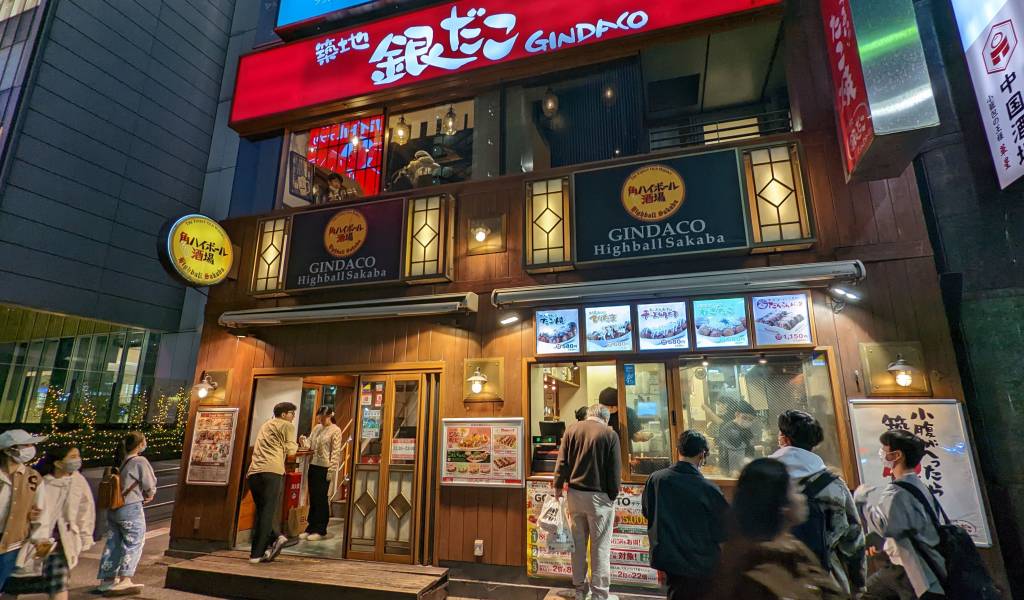
Located in the heart of Shinjuku's nightlife district just 5 minutes from the station, this lively standing bar serves Tokyo's signature crispy-style takoyaki, or octopus balls, for exactly ¥650 for an eight-piece boat, perfectly paired with chilled whiskey highballs. While takoyaki originates in Osaka, Gindaco has perfected the Tokyo-style crunch by splashing oil onto the iron grills at the very end of cooking. The result is an incredibly crispy outer shell hiding a molten, creamy center with thick chunks of tender octopus. It's the ultimate pre-party street snack.
Yanaka Shippoya — Whimsical Cat-Tail Donuts in Old Tokyo
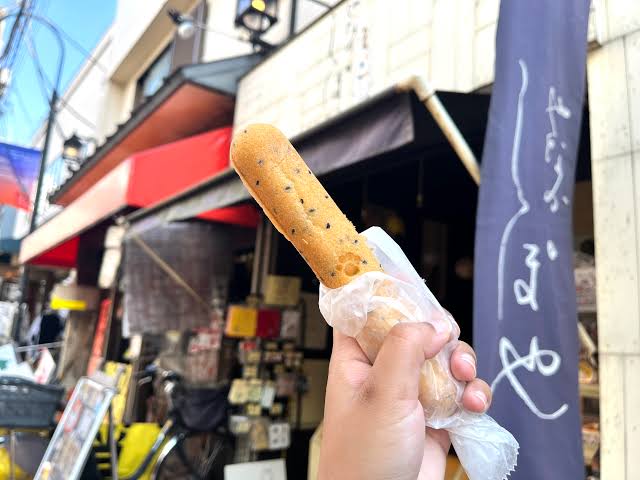
Located along the historic Yanaka Ginza shopping street, Yanaka Shippoya is a specialized local bakery crafting delicious baked donuts shaped like cute cat tails, priced between ¥150 and ¥200 each, paying homage to the district's famous stray cat population. For a peaceful escape from the modern neon, our Hidden Tokyo - Peaceful Gardens, Historic Shrines & Old Town Streets tour takes you through the quiet residential lanes of Yanaka to sample old-school street snacks like these delightfully light, crispy-edged baked donuts featuring unique patterns representation of different cat breeds.
Kabuto — Charcoal-Grilled Eel Skewers in Memory Lane
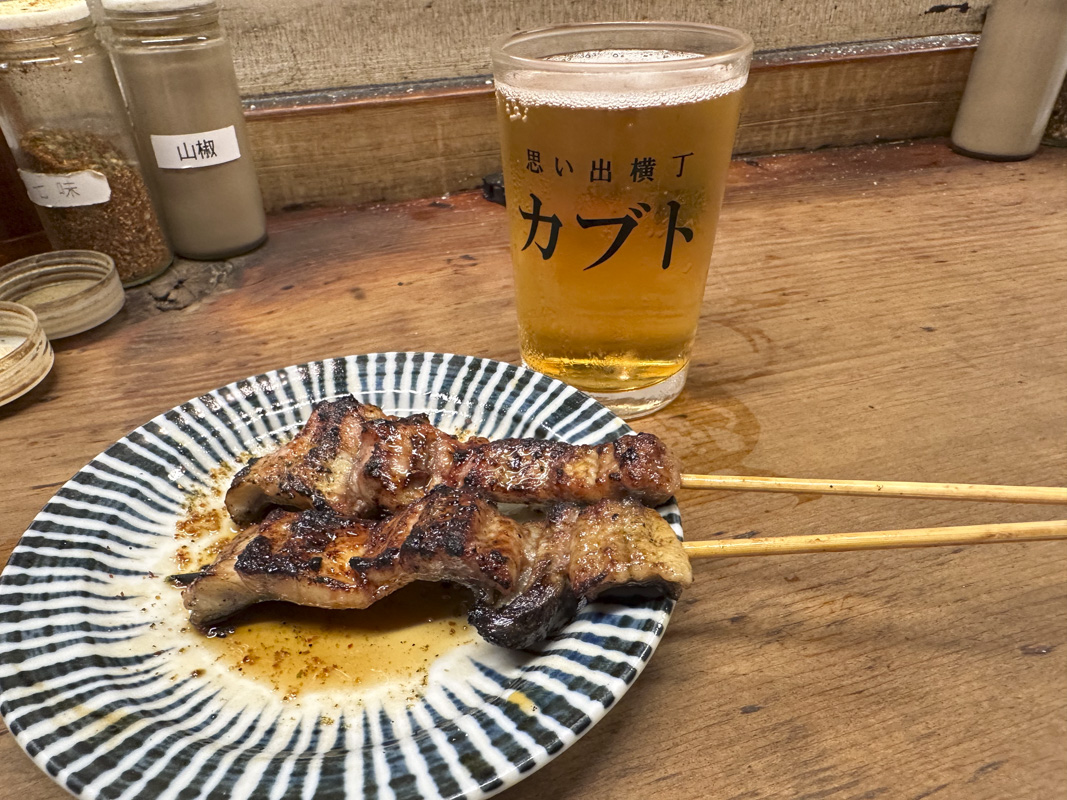
Operating since 1948 in Shinjuku's iconic Omoide Yokocho alleyway, Kabuto specializes in utilizing every part of the eel, serving historic charcoal-grilled skewers starting at ¥350 each inside a tiny, atmospheric counter with only seven seats. Squeeze into this legendary stall where smoke billows from decades-old charcoal grills. Kabuto is a masterclass in traditional Tokyo street food, offering skewers of eel heads, livers, and fillets glazed in a rich, sweet-savory tare sauce. It's an intense, sensory-heavy dining experience that captures the raw grit of post-war Shinjuku.
Tsukiji Shouro — Sweet and Savory Japanese Omelet Skewers
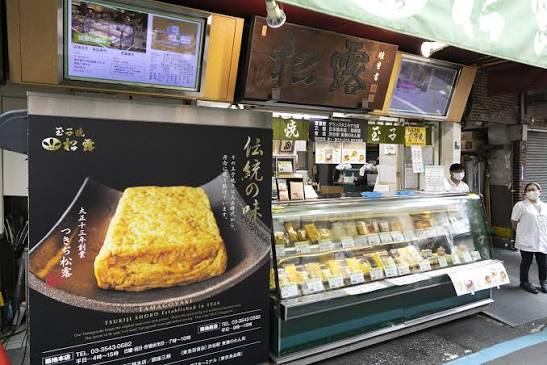
Located in the historic Tsukiji Outer Market just a 4-minute walk from the station, Tsukiji Shouro has been baking traditional Japanese tamagoyaki, or sweet rolled omelets, since 1924, selling convenient single-serving skewers for just ¥150. Even though the wholesale fish market moved to Toyosu, Tsukiji's outer streets remain a street food paradise. Shouro's master chefs use fresh eggs and a rich dashi broth to roll perfect, golden layers of omelet. Served cold or warm, it has a custard-like texture and a delicate balance of sweetness and umami.
Marion Crepes — The Pioneer of Harajuku's Sweet Street Food

Established in 1976 on Harajuku's famous Takeshita Street, Marion Crepes is Tokyo's oldest crepe stand, famous for rolling thin, buttery French-style crepes stuffed with fresh fruit, whipped cream, and even whole slices of cheesecake for around ¥600. Explore the backstreets of Tokyo's fashion capital on our Tokyo Vintage Shopping Tour - Hidden Gems in Harajuku + Shimokitazawa to find secret clothing boutiques and the best local dessert spots. No visit to Harajuku is complete without holding one of these sweet, warm paper cones.
Taiyaki Wakaba — Artisanal Fish-Shaped Waffles Filled with Sweet Red Bean

Operating in the quiet neighborhood of Yotsuya since 1953, Taiyaki Wakaba is widely considered one of Tokyo's three great historical taiyaki shops, baking individual fish-shaped pastries stuffed with sweet red bean paste for exactly ¥190 each. Unlike mass-produced taiyaki, Wakaba uses the traditional 'ten-bashi' method, baking each fish individually in heavy single-cast iron molds over open flames. This creates an incredibly thin, crispy, slightly salty crust with charred edges that perfectly balances the sweet, house-made Hokkaido azuki bean filling packed from head to tail.
Taste Tokyo's Street Food with Wabisabi
Skip the tourist traps and uncover Tokyo's finest hidden culinary gems. Let our local guides show you the best neighborhood stalls, historic markets, and secret alleyways.
Book this tour →