Tucked into Kanagawa’s mist-veiled peaks, Hakone is Tokyo’s favorite escape, blending sulfur-scented volcanic valleys with lakeside Shinto sanctuaries. Before escaping the capital's neon hum, ground yourself with our Tokyo City Highlights - Shibuya + Harajuku + Asakusa and slip into the quiet corners on a Hidden Tokyo - Peaceful Gardens, Historic Shrines & Old Town Streets tour. Then, hop the Romancecar to experience these top things to do in Hakone.
Hakone Shrine — The Floating Lakeside Torii
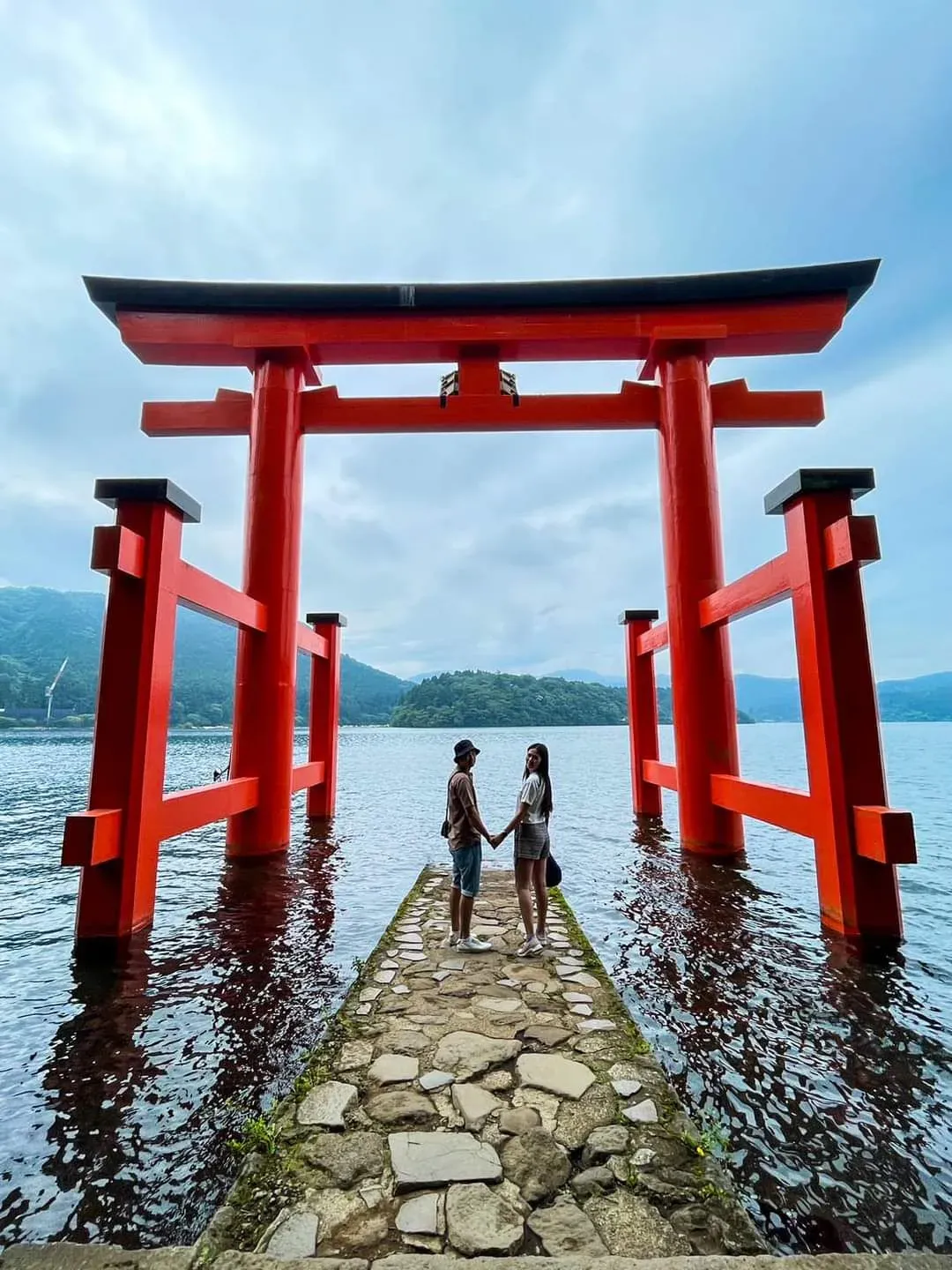
Founded in 757 AD, this ancient Shinto sanctuary is famous for its striking vermilion Heiwa no Torii gate rising directly out of Lake Ashi’s deep waters. Walking its stone steps lined with towering cryptomeria trees provides a mystical atmosphere, drawing over a million annual visitors seeking blessings for safe travel and prosperity. The air cools as you ascend the moss-covered steps beneath a canopy of thousand-year-old cedars. While crowds fight for photos at the water's edge, the main shrine complex sits in quiet dignity further up the mountainside. Breathe in the scent of incense and damp earth, and ring the heavy brass bell to pay your respects to the mountain deities.
Hakone Open-Air Museum — Picasso and Stained-Glass Towers
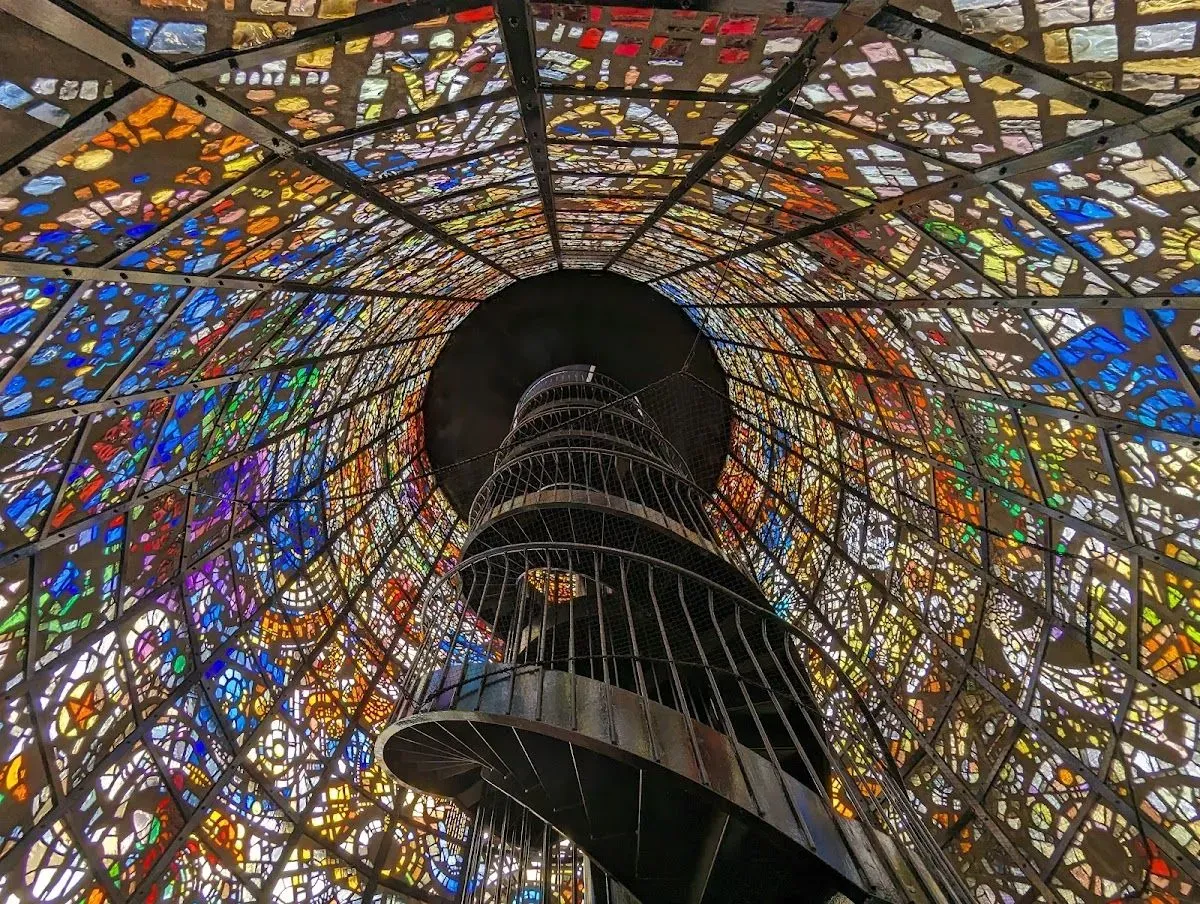
Established in 1969 as Japan’s first outdoor art museum, this 70,000-square-meter park showcases over 120 masterpieces by modern sculptors like Henry Moore and Joan Miró. It features a dedicated Picasso Exhibition Hall housing 188 ceramic works, making it a premier global destination where art harmonizes perfectly with the surrounding alpine valley. Wander manicured lawns where massive, abstract bronze figures frame the distant peaks of the Hakone caldera. The crown jewel is the Symphonic Sculpture—a towering cylinder of stained glass where you can climb a spiral staircase flooded with kaleidoscope light. Afterward, soak your tired feet in the museum's natural hot spring footbath while admiring the sculptures.
Owakudani — The Steaming Volcanic Valley
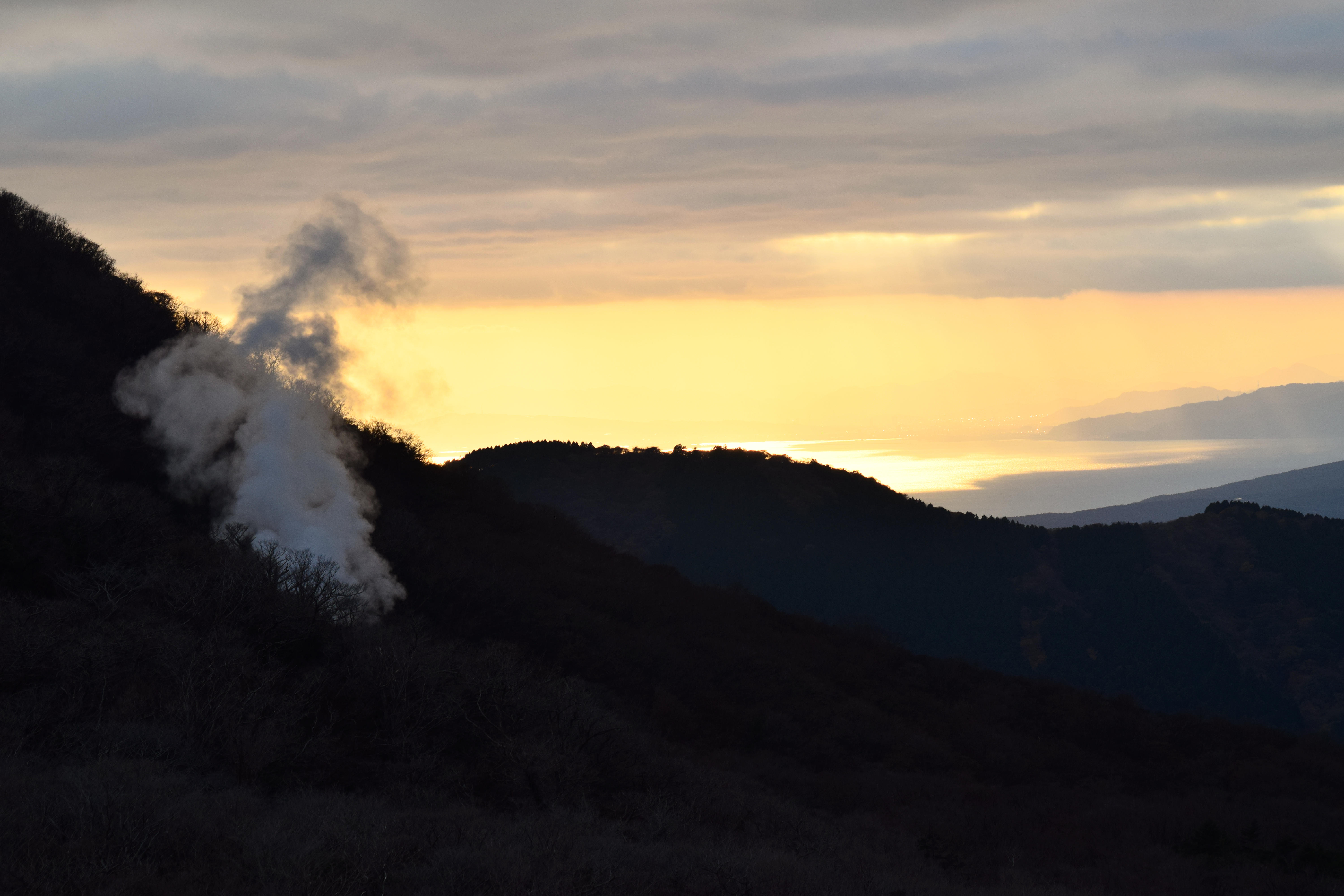
Formed around 3,000 years ago during the eruption of Mount Hakone, this active volcanic zone features steaming sulfur vents, bubbling hot springs, and panoramic views of Mount Fuji. Visitors ride the ropeway to taste the famous kuro-tamago, black eggs boiled in the mineral-rich waters, which local legend claims add seven years to your life. The moment your ropeway cabin clears the ridge, the sweet-sour tang of sulfur hits your nose as a desolate, yellow-streaked crater opens below. Steam rises in thick plumes from deep crevices in the bare clay. Grab a bag of five hot black eggs, crack the ash-darkened shells, and eat them with salt while watching Mount Fuji rise above the clouds.
Tenzan Onsen — Forest Hot Springs for Everyone
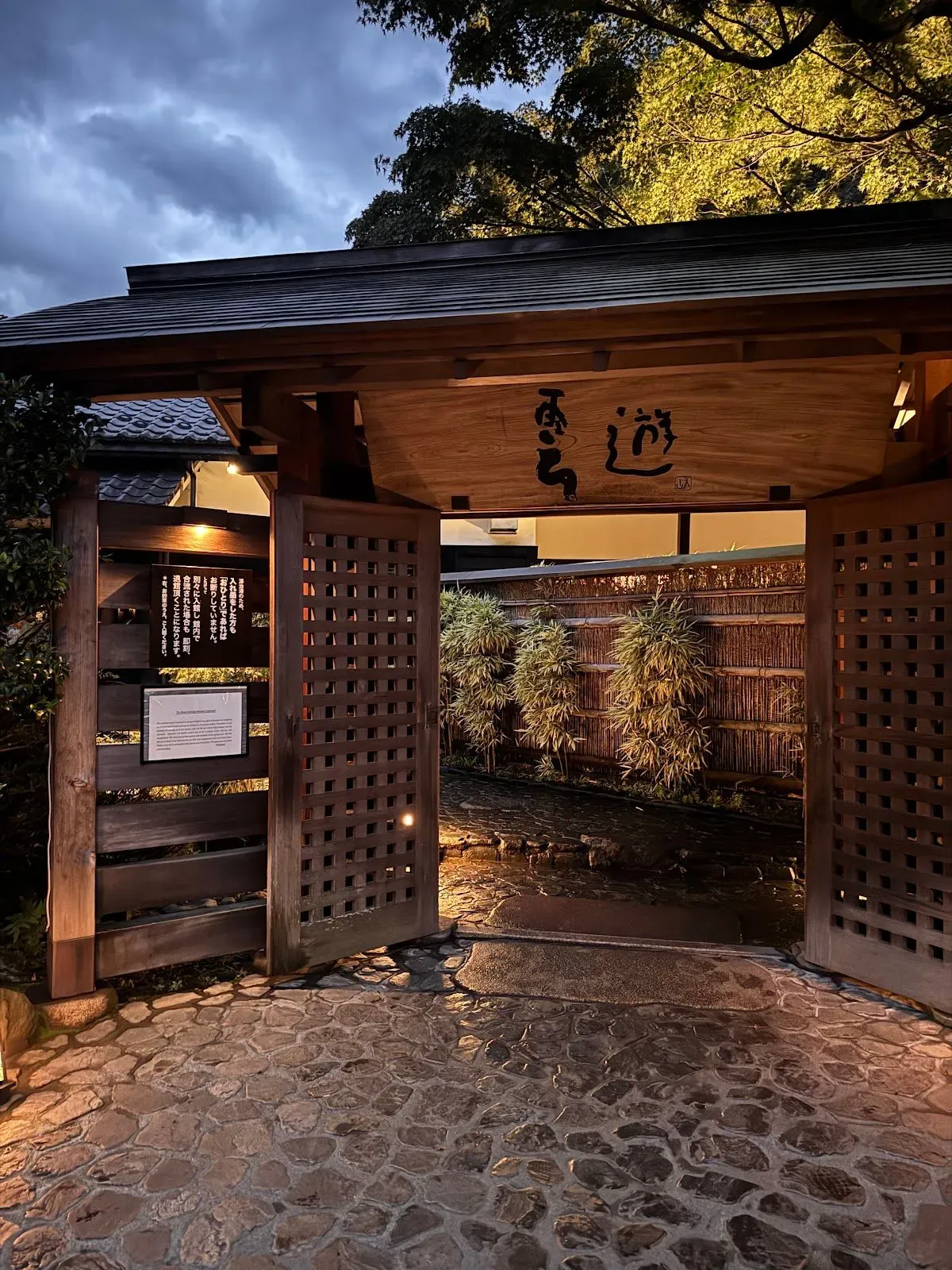
Located in the Sukumo River valley, this traditional, day-use bathhouse offers multiple mineral-rich outdoor baths nestled against a forested mountainside. Famous for its pure, free-flowing spring water (gensen kakenagashi) and welcoming tattoo policy, it charges ¥1,450 for adult admission, making it Hakone's most authentic and accessible traditional bathing experience. Listen to the Sukumo River rushing below as you slide into a steaming, cedar-lined pool. Tenzan is designed for slow, meditative soaking, with stone-paved baths of varying temperatures tucked beneath leafy maples. The atmosphere is quiet and strictly respectful. Afterward, wrap yourself in a yukata and rest on the tatami mats in the peaceful relaxation hall.
Hakone Sightseeing Cruise — Mount Fuji Views from a Pirate Ship
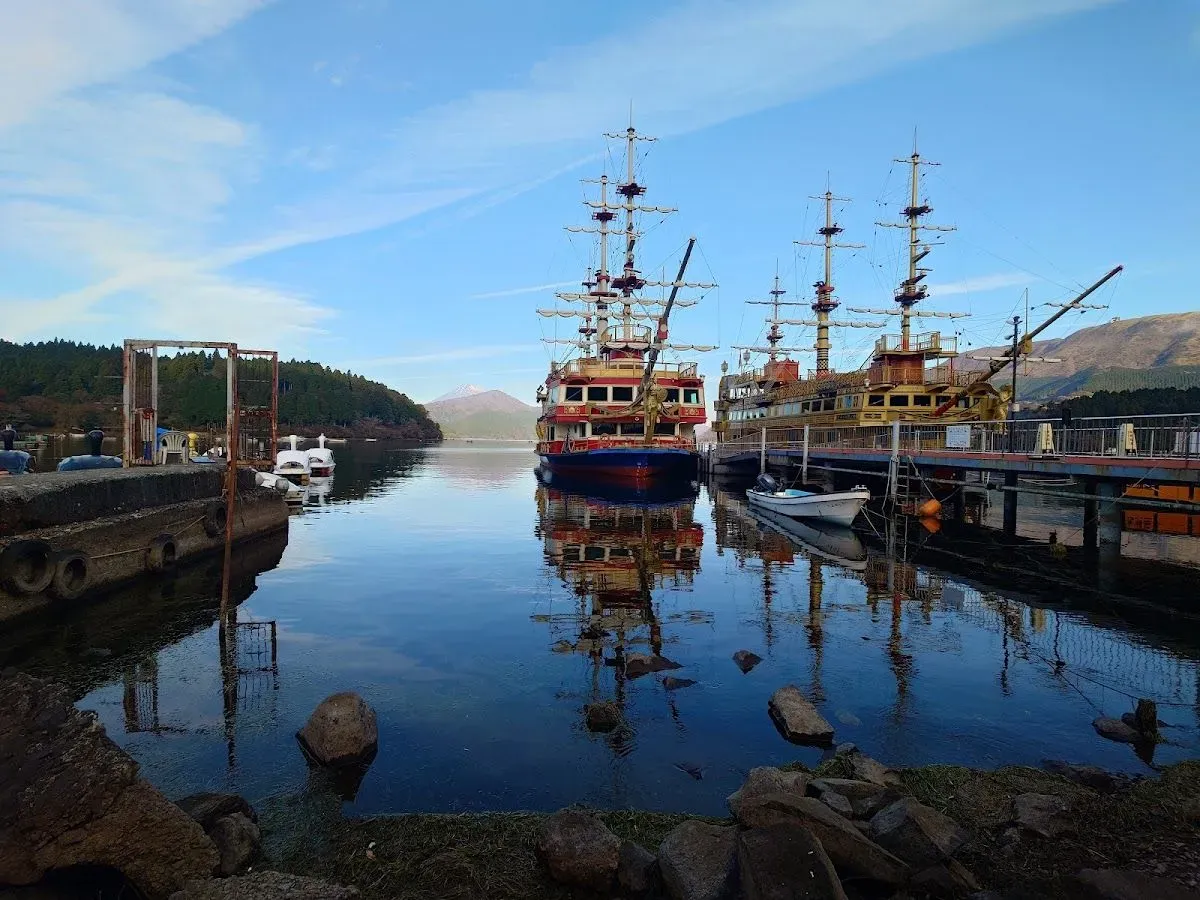
This iconic lake cruise transports passengers across the caldera waters of Lake Ashi in elaborately decorated, pirate-themed galleons, connecting Togendai, Motohakone, and Hakonemachi ports. A one-way adult ticket costs ¥1,700, offering spectacular vantage points of Mount Fuji, the floating torii gate of Hakone Shrine, and the lush surrounding mountains. Step onto the open-air deck as the cool lake breeze carries the scent of pine. The pirate ships are wonderfully kitschy but deliver some of the most breathtaking views in Japan. On a clear day, the snow-capped peak of Mount Fuji reflects perfectly on the blue water, creating a postcard-perfect view that has defined Hakone for decades.
Hakone Ropeway — Flying Over Sulphur Fields

Spanning four kilometers between Sounzan and Togendai stations, this scenic aerial lift is recognized as one of the world's most popular ropeways. A one-way adult ticket costs ¥2,000, carrying passengers up to 130 meters above the valley floor to offer stunning, bird's-eye views of Lake Ashi, Mount Fuji, and the steaming volcanic vents of Owakudani. Glide silently over a changing landscape as your gondola climbs from the green forests of Gora toward the barren, steaming craters of Owakudani. Large panoramic windows offer 360-degree views of Kanagawa's wild terrain. The descent toward Lake Ashi is pure magic, as the glittering water suddenly opens up before you, framed by distant mountains.
Experience Tokyo with Wabisabi
Before you head to the mountains of Hakone, let our expert guides show you the hidden temples, bustling markets, and neon alleys of the capital.
Book this tour →