Restaurants in Tokyo with Vegetarian Options: 8 Best Spots
Food

Restaurants in Tokyo with Vegetarian Options: 8 Best Spots

A no-nonsense guide to navigating Tokyo's plant-based dining scene, featuring 8 standout venues for authentic ramen, monastery kaiseki, dumplings, and baked goods.

Back to blog
Bryant Horita

Bryant Horita

October 21, 2026·5 min read

Finding vegetarian meals in Tokyo is notoriously difficult. Invisible fish stocks, bonito shavings, and pork fats underpin standard Japanese kitchens. Skipping meat on a printed menu guarantees nothing. These eight spots eliminate the guesswork, offering animal-free dining across casual noodle counters, dumpling bars, and temple-style banquets.

1. Vegan Gyoza Yu — 11 Handmade Flavors in Old Taito
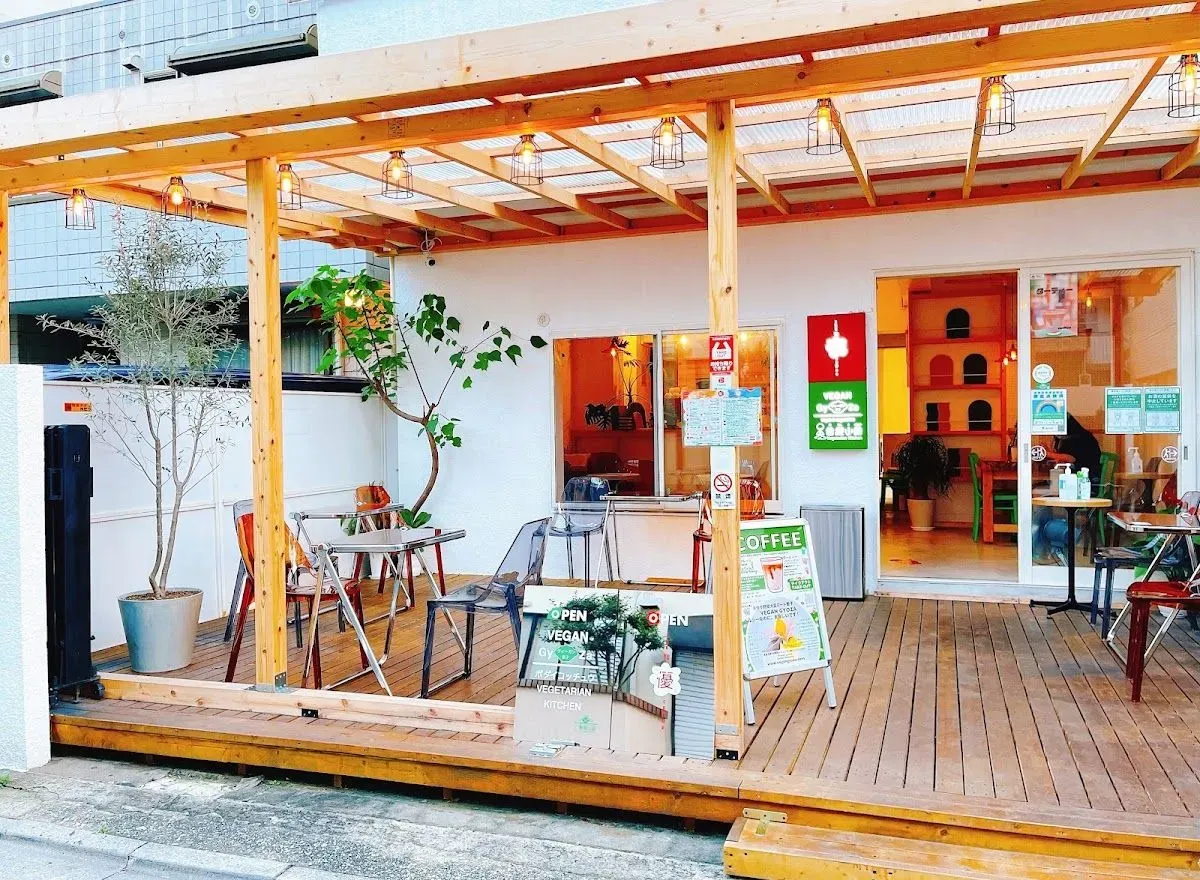
VEGAN GYOZA
📷 Google Places

Vegan Gyoza Yu in Taito City serves 100 percent plant-based dumplings. Eleven distinct fillings get their colors from vegetable extracts instead of artificial dyes. An independent chef runs the quiet counter near Uguisudani Station, turning out thick-skinned wrappers stuffed with ginger miso, shiitake soy protein, coriander, or fermented kimchi. The pan-fried eleven-piece sampler costs ¥1,900 and comes with an ingredient key. No sauce bottles sit on the counter; each dumpling carries enough concentrated seasoning inside. Pair lunch here with our Ueno Temples & Ameyoko Market Walking Tour - Blend of Culture + Food + Shopping.

💡 Insider tip: Arrive close to noon on weekdays. The counter holds just ten seats and popular flavors sell out before 19:00.
🕐 Monday: Closed; Tuesday: Closed; Wednesday: 12:00–9:00 PM; Thursday: 12:00–9:00 PM; Friday: 12:00–9:00 PM; Saturday: 12:00–9:00 PM; Sunday: 12:00–9:00 PM💴 ¥1,900🚶 4 min walk from Uguisudani Station South Exit
📍 View on Google Maps

2. Soranoiro Nippon — The Pioneer of Dashi-Free Tokyo Station Ramen
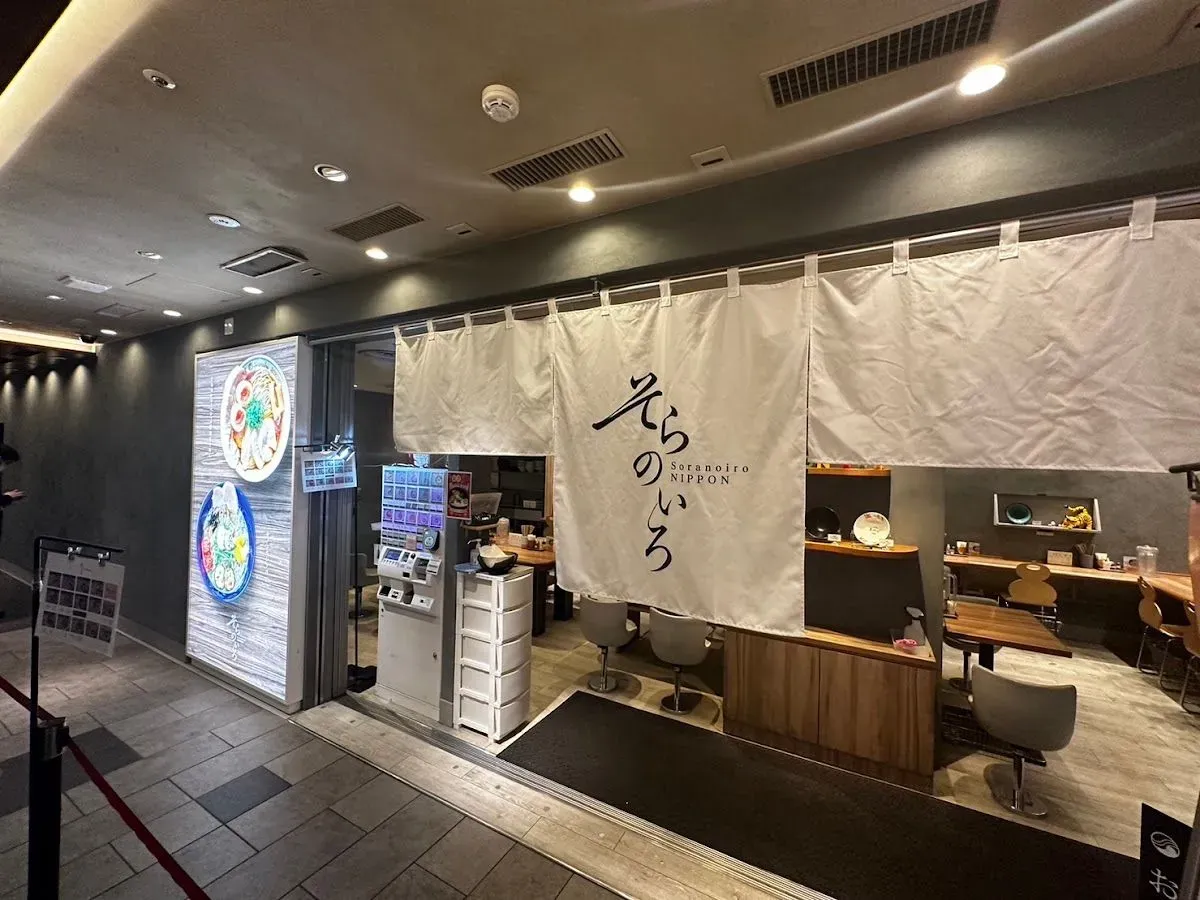
Soranoiro - Nippon
📷 Google Places

Soranoiro Nippon inside Tokyo Station serves verified plant-based ramen without animal bones or bonito shavings. Located on Tokyo Ramen Street in the Yaesu basement, the shop broke industry convention by building broths from roasted carrots, garlic, and onions. Their vegan vege-ramen (¥1,200) pairs chewy paprika-infused noodles with roasted squash, sweet cabbage purée, and shredded greens. The soup matches traditional viscosity without pork collar fat or chicken bone emulsion.

💡 Insider tip: Use the bilingual ticket machine outside. Tap the red 'Vegan' tab at the top corner to show animal-free bowls.
🕐 Daily 9:00 AM–10:30 PM💴 ¥1,200–¥1,500🚶 Tokyo Station B1F Yaesu South Exit (Tokyo Ramen Street)
📍 View on Google Maps

3. Shojin Sougo — Modern Buddhist Multi-Course Dining in Roppongi
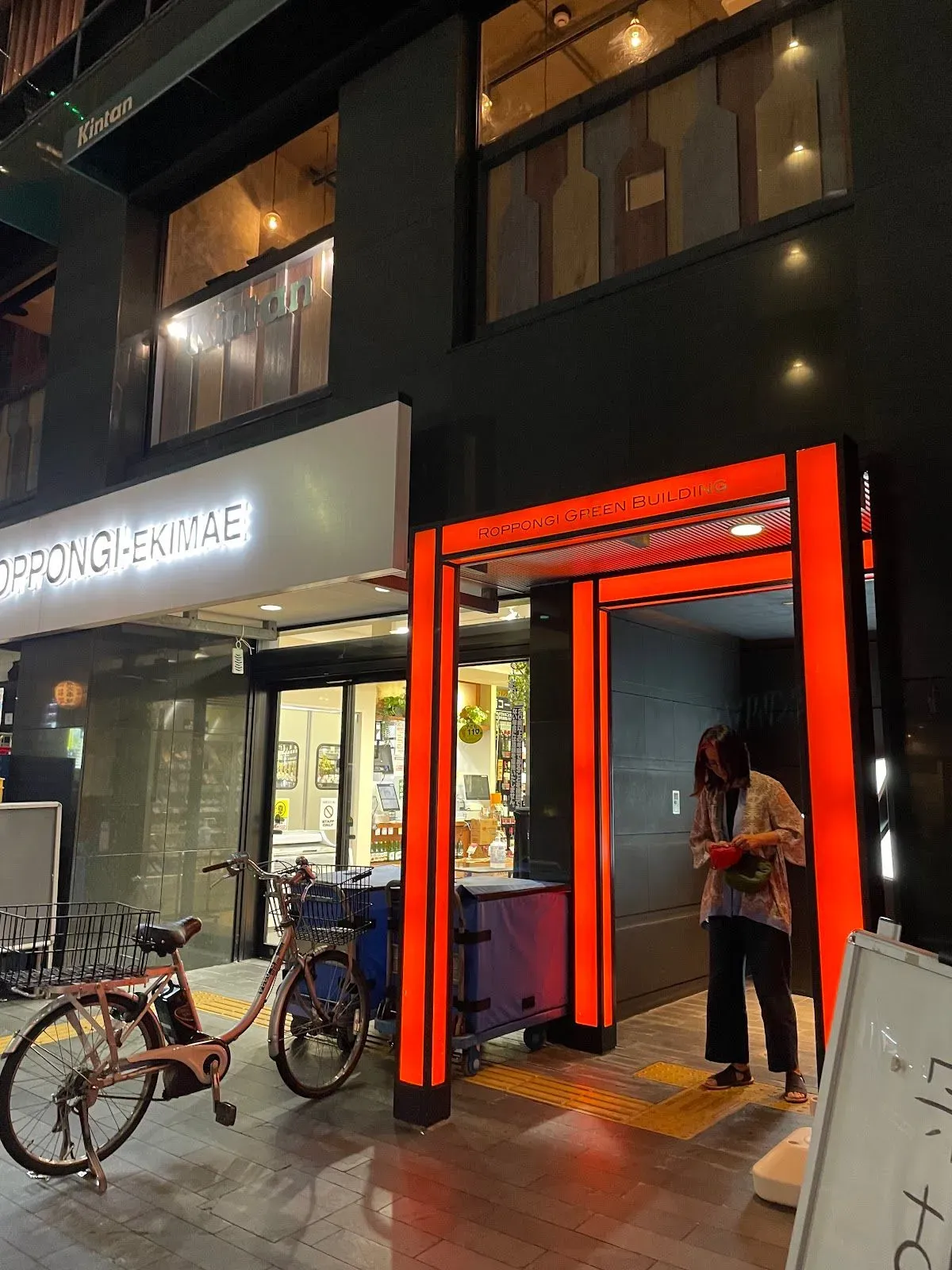
Sougo
📷 Google Places

Shojin Sougo in Roppongi translates Buddhist monastic cooking into modern seasonal tasting menus. Chef Daisuke Nomura, trained at his family's historic temple restaurant, balances five traditional colors and five flavors without animal dashi. The multi-course lunch starts around ¥6,000, serving glazed eggplant sushi, lotus root cakes, and simmered yuba ribbons according to Zen precepts. Evening service features extended seasonal courses paired with Japanese natural wines.

💡 Insider tip: Request counter seating when booking online to watch the cooks slice seasonal wild herbs with traditional wood-handled knives.
🕐 Monday: 11:30 AM–3:00 PM, 5:30–11:00 PM; Tuesday: 11:30 AM–3:00 PM, 5:30–11:00 PM; Wednesday: 11:30 AM–3:00 PM, 5:30–11:00 PM; Thursday: 11:30 AM–3:00 PM, 5:30–11:00 PM; Friday: 11:30 AM–3:00 PM, 5:30–11:00 PM; Saturday: 11:30 AM–3:00 PM, 5:30–11:00 PM; Sunday: Closed💴 From ¥6,000 (Lunch) / ¥13,000 (Dinner)🚶 1 min walk from Roppongi Station Exit 3
📍 View on Google Maps

4. Saido — Plant-Based Yakitori and Unagi Bowls in Jiyugaoka
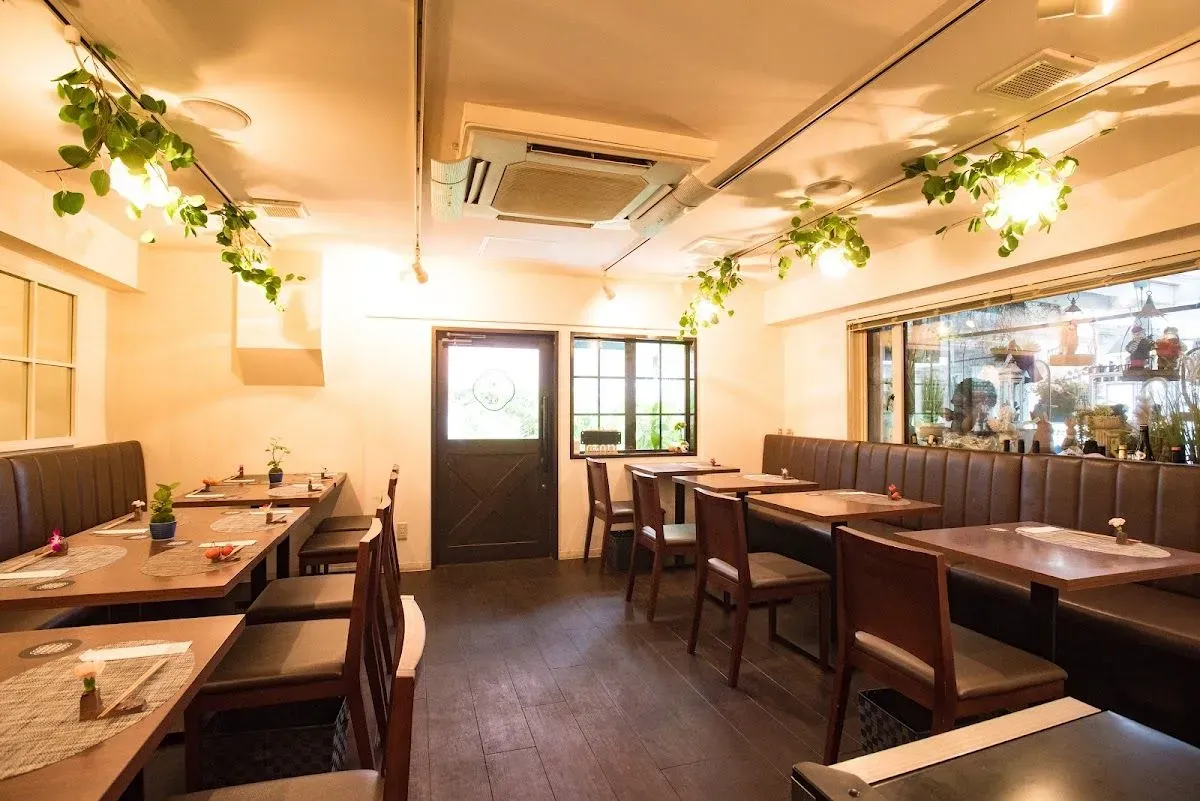
Saido
📷 Google Places

Saido in Jiyugaoka reconstructs Japanese comfort food using wild mountain vegetables and fermented mushrooms. Chef Katsumi Kusumoto rejects commercial soy chunks, layering grated nagaimo yam, pressed lotus root, and charred nori over rice to mimic the chew of grilled unagi eel. The kitchen bars refined sugars, MSG, and alliums like garlic and leeks. Lunch sets run about ¥3,300 and include house noodles, pickled vegetables, and cold-pressed fruit shrubs.

💡 Insider tip: Reservations open online one month ahead and fill quickly. Book early for weekends.
🕐 Monday: 12:00–2:00 PM, 6:00–8:00 PM; Tuesday: 12:00–2:00 PM, 6:00–8:00 PM; Wednesday: Closed; Thursday: 12:00–2:00 PM, 6:00–8:00 PM; Friday: 12:00–2:00 PM, 6:00–8:00 PM; Saturday: 12:00–2:00 PM, 6:00–8:00 PM; Sunday: 12:00–2:00 PM, 6:00–8:00 PM💴 ¥3,300–¥8,800🚶 5 min walk from Jiyugaoka Station Main Exit
📍 View on Google Maps

5. Ain Soph. Journey — Fluffy Vegan Pancakes and Bento in Shinjuku
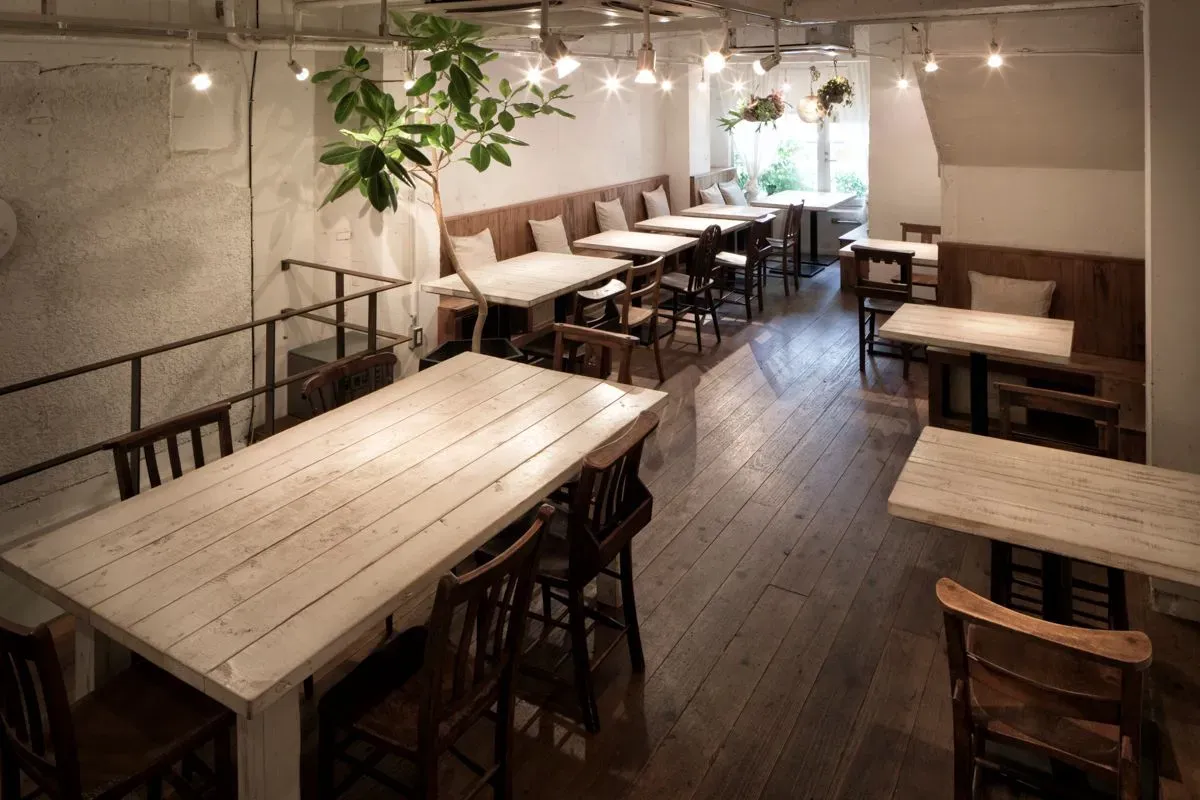
Ain Soph. Journey Shinjuku
📷 Google Places

Ain Soph. Journey sits three minutes from Shinjuku Station, turning out dairy-free comfort food since 2012. The multi-story brick cafe serves rich plates without butter, cow's milk, or eggs. The signature order is the thick pancake set (¥1,800), plated with soy whipped cream and seasonal compotes. Their spiced walnut dry curry provides a savory base before an evening on our Shinjuku Night Walking Tour - Dark Side of Tokyo (For Adults 18+ Only).

💡 Insider tip: Grab packaged vegan matcha cookies and rum-raisin sandwiches from the ground-floor pastry case for long train rides.
🕐 Monday: 11:30 AM–4:00 PM, 6:00–9:00 PM; Tuesday: 11:30 AM–4:00 PM, 6:00–9:00 PM; Wednesday: 11:30 AM–4:00 PM, 5:00–9:00 PM; Thursday: 11:30 AM–3:30 PM, 6:00–9:00 PM; Friday: 11:30 AM–4:00 PM, 6:00–9:00 PM; Saturday: 11:30 AM–4:00 PM, 5:00–9:00 PM; Sunday: 11:30 AM–4:00 PM, 5:00–9:00 PM💴 ¥1,800–¥2,800🚶 1 min walk from Shinjuku-sanchome Station Exit C5
📍 View on Google Maps

6. Brown Rice by Neal's Yard — Fermented Teishoku in Omotesando
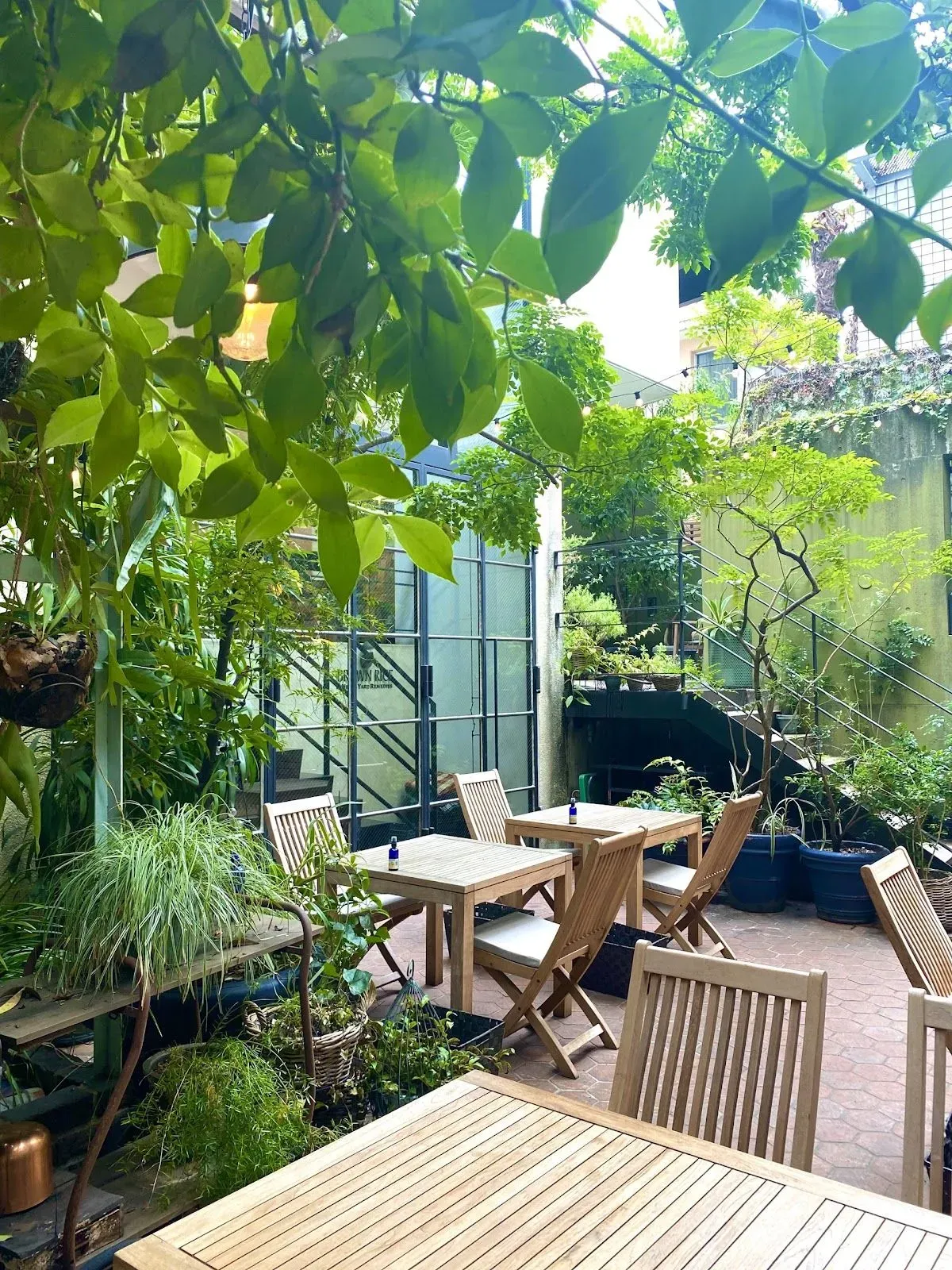
Brown Rice Tokyo Omotesando
📷 Google Places

Brown Rice by Neal's Yard in Omotesando serves organic Genmai brown rice sets, long-fermented miso soups, and steamed root vegetables. The kitchen uses no skipjack tuna flakes, dried sardines, or artificial additives. The lunch set (¥2,200) includes pressure-cooked brown rice, seasonal greens steamed in bamboo baskets, and miso broth brewed purely from kombu kelp and dried shiitake. It provides an easy midday break during our Shibuya & Harajuku Group Walking Tour - Discover the hidden gems.

💡 Insider tip: Ask for a table in the courtyard on clear days to sit under the ivy trellises.
🕐 Daily 11:30 AM–6:00 PM💴 ¥2,000–¥3,000🚶 3 min walk from Omotesando Station Exit A1
📍 View on Google Maps

7. Itosho — Michelin-Starred Monastic Kaiseki in Azabu-Juban
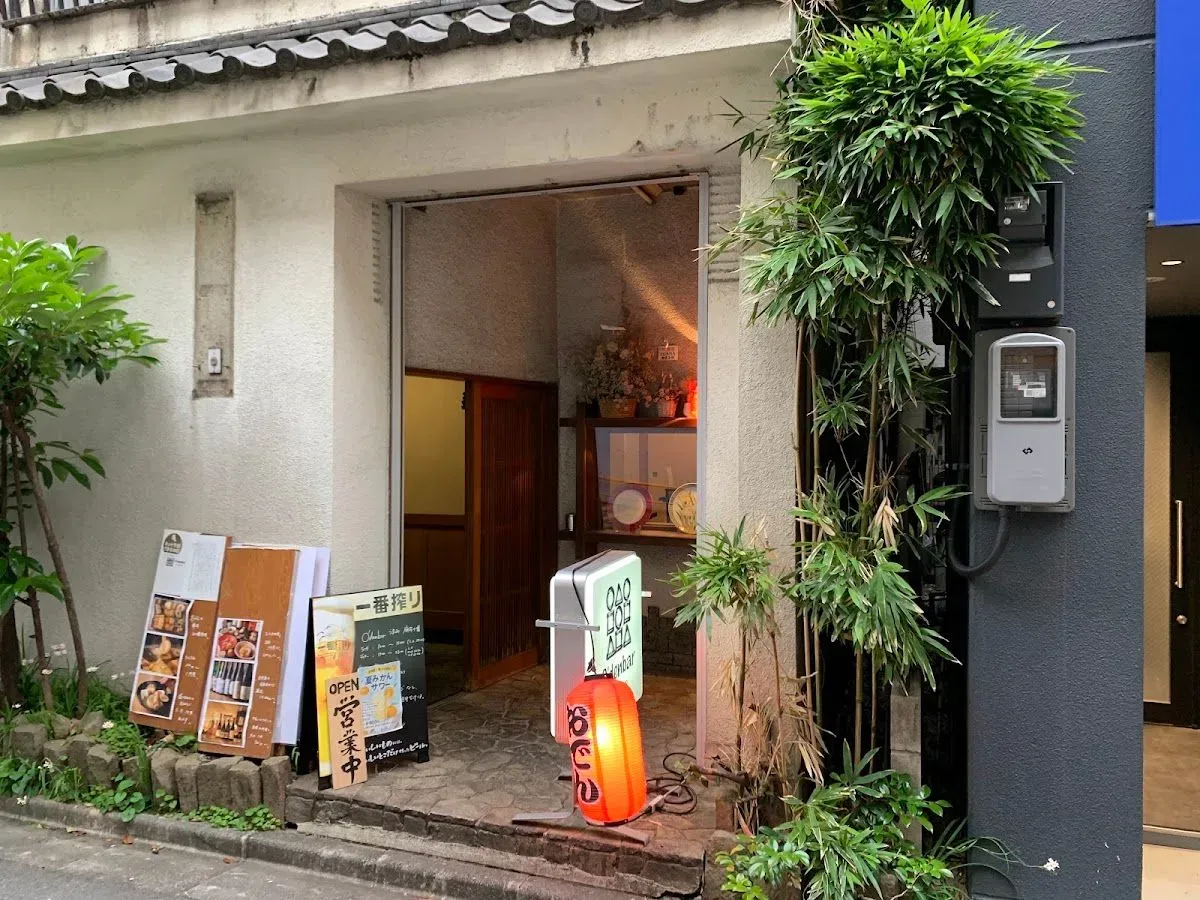
Itosho
📷 Google Places

Itosho in Azabu-Juban prepares Michelin-starred Buddhist kaiseki rooted in Hida-Takayama traditions. Master chef Hiroharu Ito has cooked shojin ryori here for over four decades, seating guests at low tables across tatami mats. His signature shojin-age crusts autumn squash and mountain yams in crushed mochi rice pellets rather than wheat batter before deep-frying. Lunch courses start around ¥8,000, featuring simmered root vegetables and clear kelp broths seasoned with sea salt.

💡 Insider tip: Itosho takes reservations only by telephone and rejects foreign credit cards. Carry sufficient cash.
🕐 Thu–Tue 12:00–15:00, 17:30–21:30, closed Wed💴 From ¥8,000 (Lunch) / ¥12,000 (Dinner)🚶 3 min walk from Azabu-Juban Station Exit 1
📍 View on Google Maps

8. Alaska Zwei — Sourdough Focaccia and Veggie Plates in Nakameguro
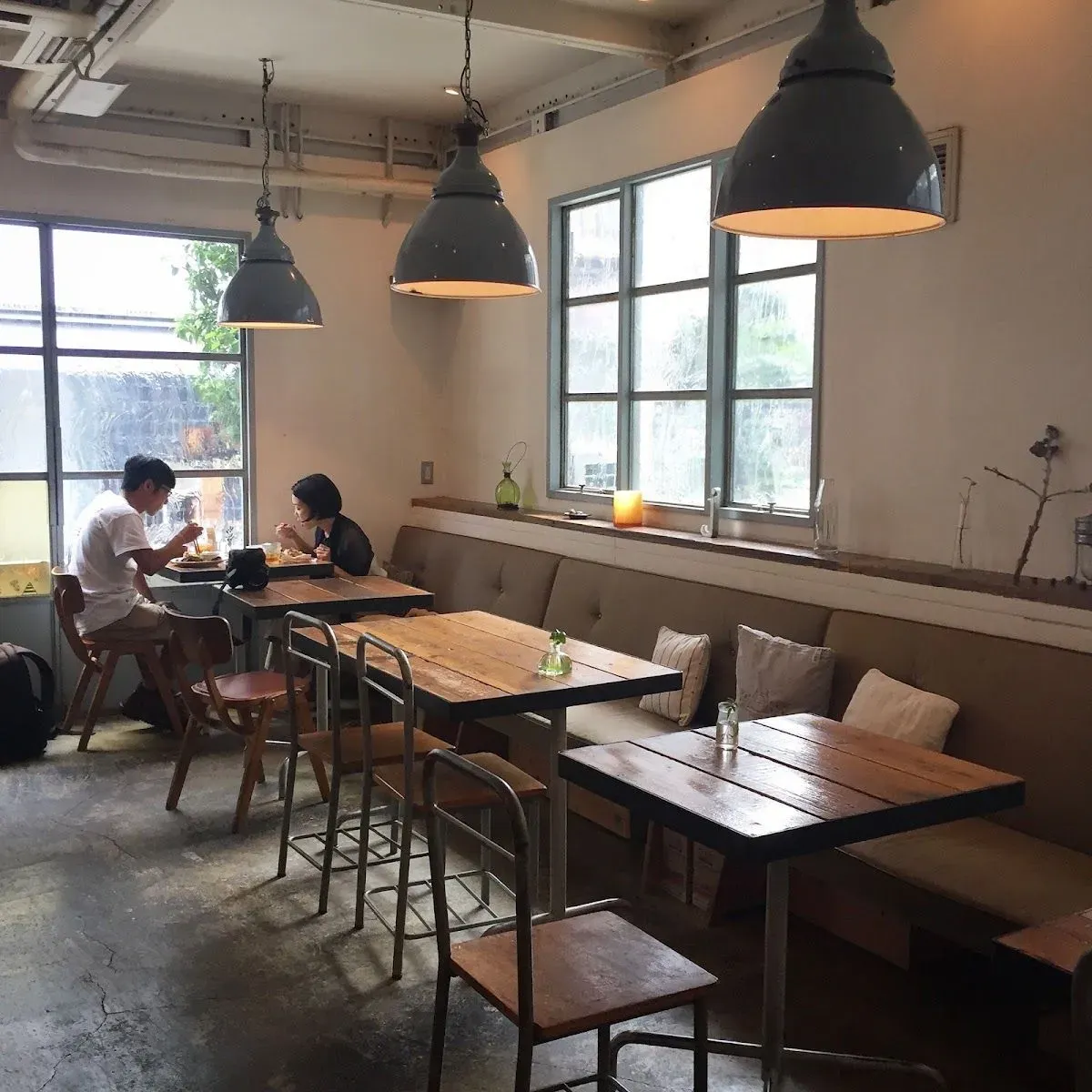
Alaska zwei
📷 Google Places

Alaska Zwei sits along a Meguro canal path ten minutes from Nakameguro Station. The glass-fronted bakery uses no dairy, eggs, or refined fats. Mornings center on olive sourdough focaccia and cardamom buns; lunch brings brown-rice vegetable curry sets (¥1,350) and open-face chickpea melts. Seating is communal, backed by drip coffee roasted in western Tokyo.

💡 Insider tip: Focaccia loaves sell out by 13:00. Arrive before noon to buy whole loaves.
🕐 Daily 9:00 AM–6:00 PM💴 ¥500–¥1,500🚶 10 min walk from Nakameguro Station Front Exit
📍 View on Google Maps

Experience Tokyo's Food Alleys with Wabisabi

Let our resident guides steer you through historic neighborhoods, market alleys, and custom dietary requests across Tokyo.

Book this tour →
Frequently asked questions

Is it difficult to find restaurants in Tokyo with vegetarian options?

General neighborhood eateries often struggle with plant-based requests because Japanese cooking relies heavily on bonito fish dashi and pork extracts even in vegetable side dishes. However, specialized vegan counters and Buddhist shojin ryori establishments are widespread across central hubs like Tokyo Station, Shibuya, and Roppongi.

Does vegetable ramen in Tokyo contain hidden fish stock or meat broth?

Most standard ramen shops boil their broth with pork bone, chicken frames, or dried skipjack flakes, even when a bowl is labeled as 'vegetable ramen'. To ensure zero animal products, stick to certified vegan noodle shops like Soranoiro Nippon or T's Tantan that specifically state their soup bases are kelp- and vegetable-derived.

What is the difference between shojin ryori and standard vegan food?

Shojin ryori is classical Buddhist monastic cuisine that avoids meat and seafood, but also intentionally excludes pungent alliums such as garlic, onions, chives, shallots, and scallions. Standard modern vegan food avoids animal products altogether but frequently incorporates these pungent roots for savory flavor.

Can traditional sushi restaurants accommodate vegetarian travelers?

High-end edomae counters centered entirely on wild raw fish rarely offer vegetarian alternatives unless booked privately weeks in advance. Casual sushi bars can readily prepare cucumber rolls (kappamaki), pickled daikon rolls (shinkomaki), and fermented soybean rolls (nattomaki), though the tamagoyaki omelet often contains fish dashi.

How do I explain that I don't eat fish or dashi in Japanese?

Politely say: 'Watashi wa sakana to dashi ga taberaremasen' (I cannot eat fish or fish stock). Carrying a printed bilingual allergy card that explicitly lists bonito flakes (katsuobushi), dried sardine broth (niboshi), and meat stocks helps waitstaff confirm ingredients with their kitchen.

#Tokyo Food#Vegetarian Tokyo#Vegan Japan#Shojin Ryori#Tokyo Dining#Tokyo Travel Tips

Book these experiences

Ready to explore? These Wabisabi Trips tours bring the stories in this article to life.