Tokyo nightlife often hides behind unmarked basement doors, but tachinomi standing bars operate in the open—fast, unfiltered, and cheap. Edo-period sake merchants invented the format by pouring drinks straight from barrel taps. Today's standing bars drop table fees and reservations for ¥400 pints and swift counter turnover. To drink alongside commuting regulars, learn to claim your standing space.
What Is a Tachinomi? How Standing Bar Culture Works
Tachinomi translates to 'standing drinking' [1.1.3]. In mid-19th-century Edo, neighborhood sakaya bottle shops let laborers drink single measures of sake on the shop floor before walking home. Modern counters retain that low overhead: no chairs, no hostesses, and no otoshi table charges.
Without chairs, customer turnover runs three to four times faster than at seated izakayas. Drink prices match that speed. Draft beer costs ¥350 to ¥500, small hot plates run ¥200 to ¥450, and ¥2,000 covers two drinks and three dishes. Drink for thirty minutes, finish up, and surrender the counter to the next patron.
Tachinomi Rules and Etiquette: How to Order and Pay
Space is the standing counter's scarcest commodity. During the 18:00 to 20:00 rush, angle your body and tuck your feet beneath the counter ledge instead of standing square to the bar. Never drop bags on the counter. Use the under-bar hooks or wedge your daypack between your feet.
Counters frequently rely on cash-on-delivery, known as chashu-on-deri. Drop a ¥1,000 or ¥2,000 note into the wooden or plastic dish before you. When the server delivers your beer or skewer, they take the exact sum and drop the change back in the tray. Move on after 45 minutes if people are waiting behind you.
1. Toriyoshi — Shimbashi's Post-Work Yakitori Benchmark
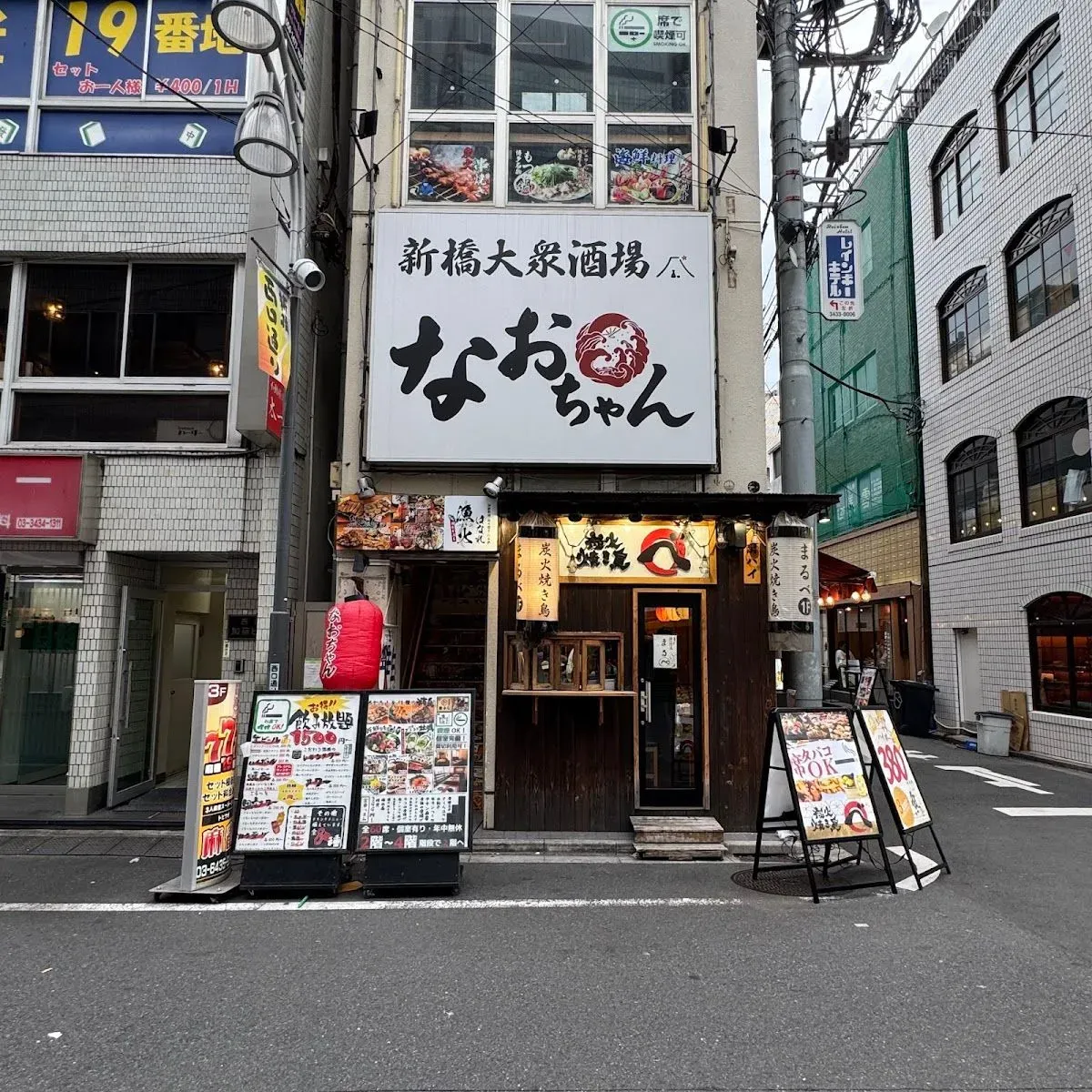
Under the brick railway arches of Shimbashi Station, Toriyoshi delivers fast post-work decompression. Salarymen pack the counter for charcoal-grilled skewers starting at ¥180, while dry Asahi pints land within two minutes of arrival. Negima chicken thighs and crunchy sunagimo gizzards hit the binchotan charcoal the moment you order. Smoke drifts into the alley, and tabs rarely exceed ¥1,800.
2. Daitouryo — Ueno Ameyoko's Motsu Stew Staple
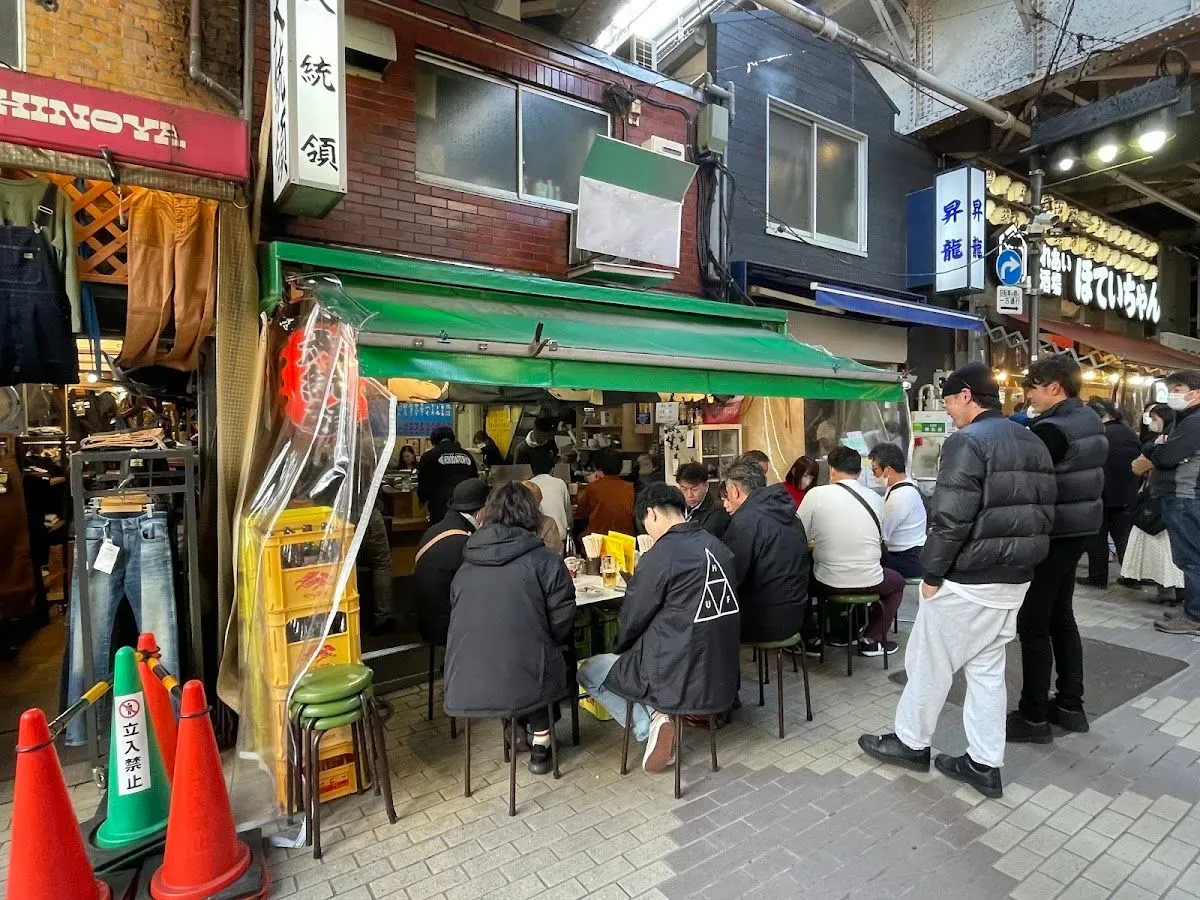
Daitouryo has operated in Ameyoko since 1950, opening daily at 10:00 along the market strip between Ueno and Okachimachi stations. The kitchen stews horse entrails with konjac and white miso in massive cauldrons until the broth turns dark and sticky. Order the stew alongside an icy draft shochu and bottled Hoppy set for under ¥500. To walk the surrounding alleys with a guide, book the Ueno Temples & Ameyoko Market Walking Tour - Blend of Culture + Food + Shopping.
3. Fujiya Honten — Shibuya's Modern Standing Wine Pioneer
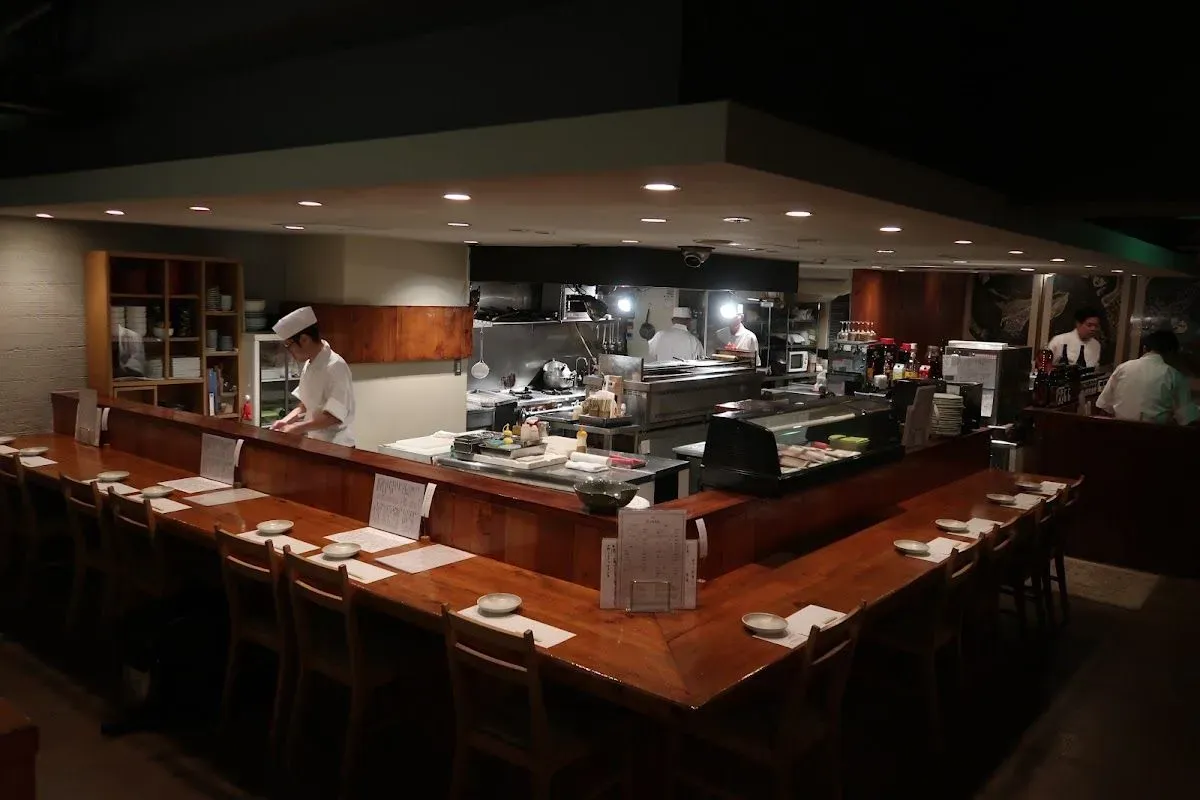
Fujiya Honten moved the gritty tachinomi format into a Shibuya basement fitted with slate counters and natural wines. Running since the early Showa period, the current shop drops otoshi fees and pours European wines from ¥600. The kitchen plates house-cured ham, fried mackerel fillets, and duck breast. To explore the district's evening food stalls, book the Shibuya Night Walking Tour - Highlights & Hidden gems.
4. Kadokura — Ueno's Ham Katsu and Highball Hub
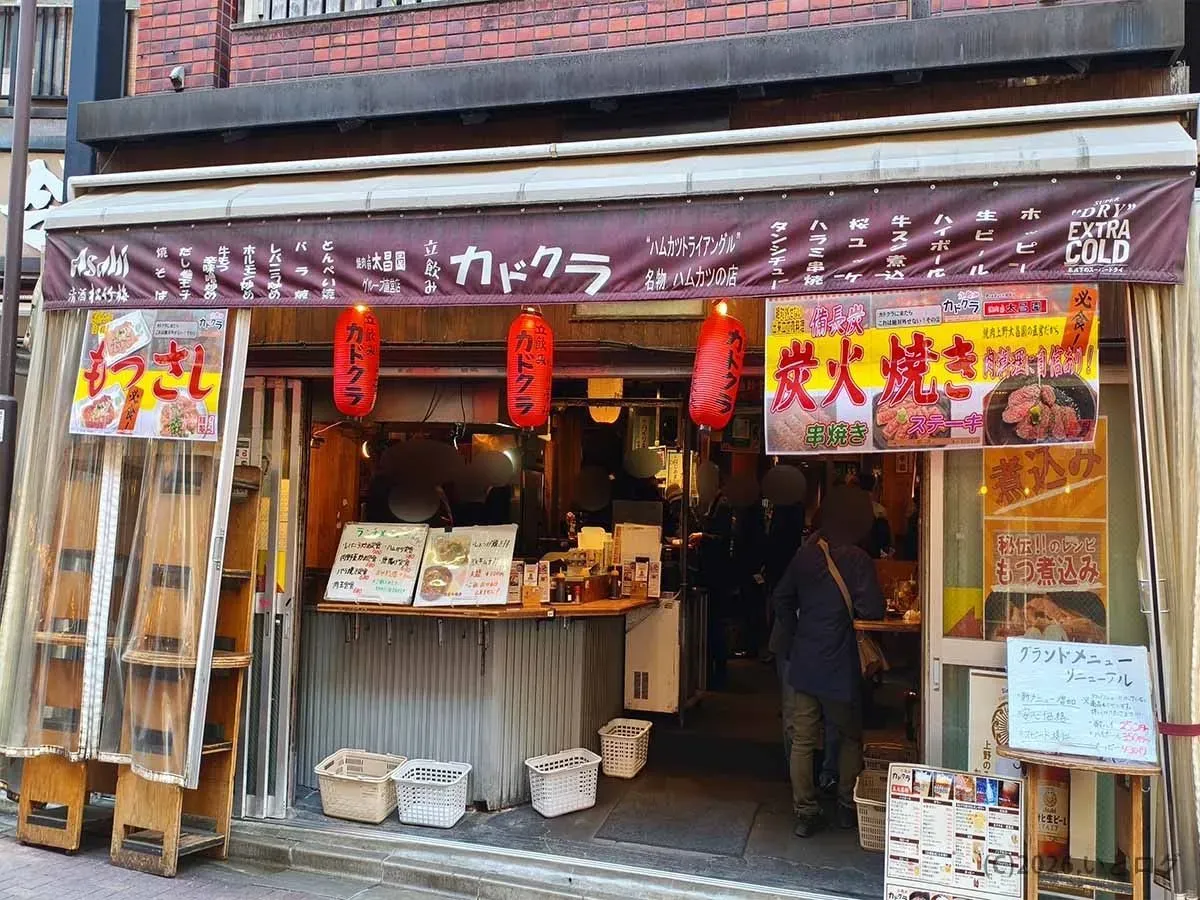
Run by the operators of Taishoen yakiniku, Kadokura fries its signature mille-feuille ham katsu to order for ¥380. The kitchen stacks shaved ham sheets before breading and frying, producing a crisp, tender cutlet superior to standard pressed meat. Draft Asahi pours from counter dispensers for ¥400, and beef tendon stew bubbles at the entrance.
5. Buri — Ebisu's Frozen Cup Sake Specialist
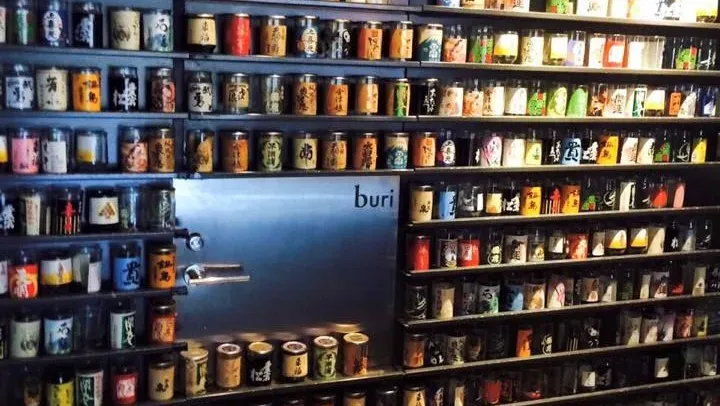
Buri stocks more than seventy regional cup sakes along Ebisu's western backstreets, pairing them with charcoal-grilled yakitori from ¥200. The wall displays cups from Akita, Niigata, and Nagano. Order your sake mizore (slush-frozen): the bartender raps the supercooled bottle against the wood counter, instantly crystallizing the liquid.
6. Kinoshita Shoten — Shinbashi Sake Tasting Counter
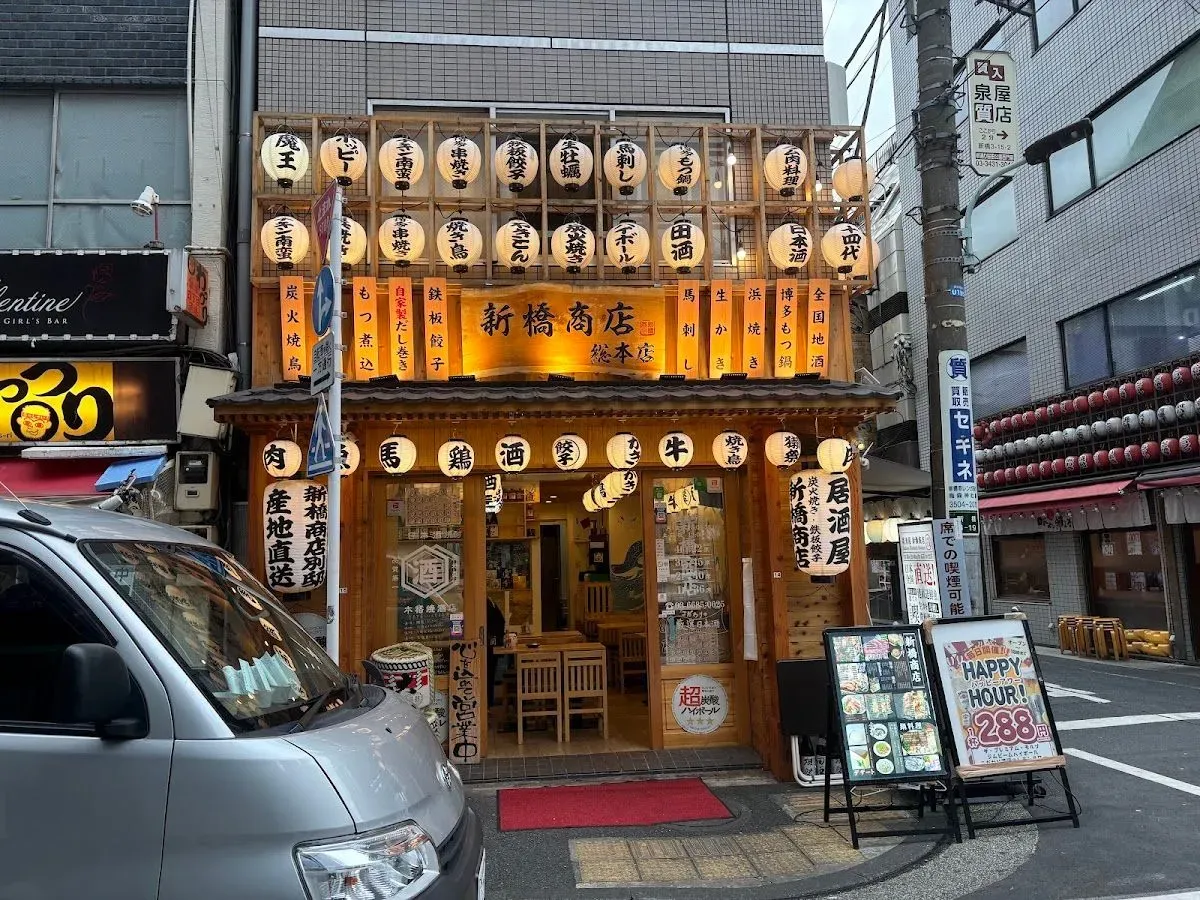
In the concrete basement of the 1966 Shimbashi Ekimae Building, Kinoshita Shoten pours regional sakes starting at ¥400. Rotating 90ml pours range from bone-dry junmai to seasonal pressings, served alongside small dishes of marinated seafood. Toss cash directly into the cedar masu boxes on the bar for instant payment.
7. Tachinomi Midori — Meguro's Budget-Friendly Raw Fish Bar
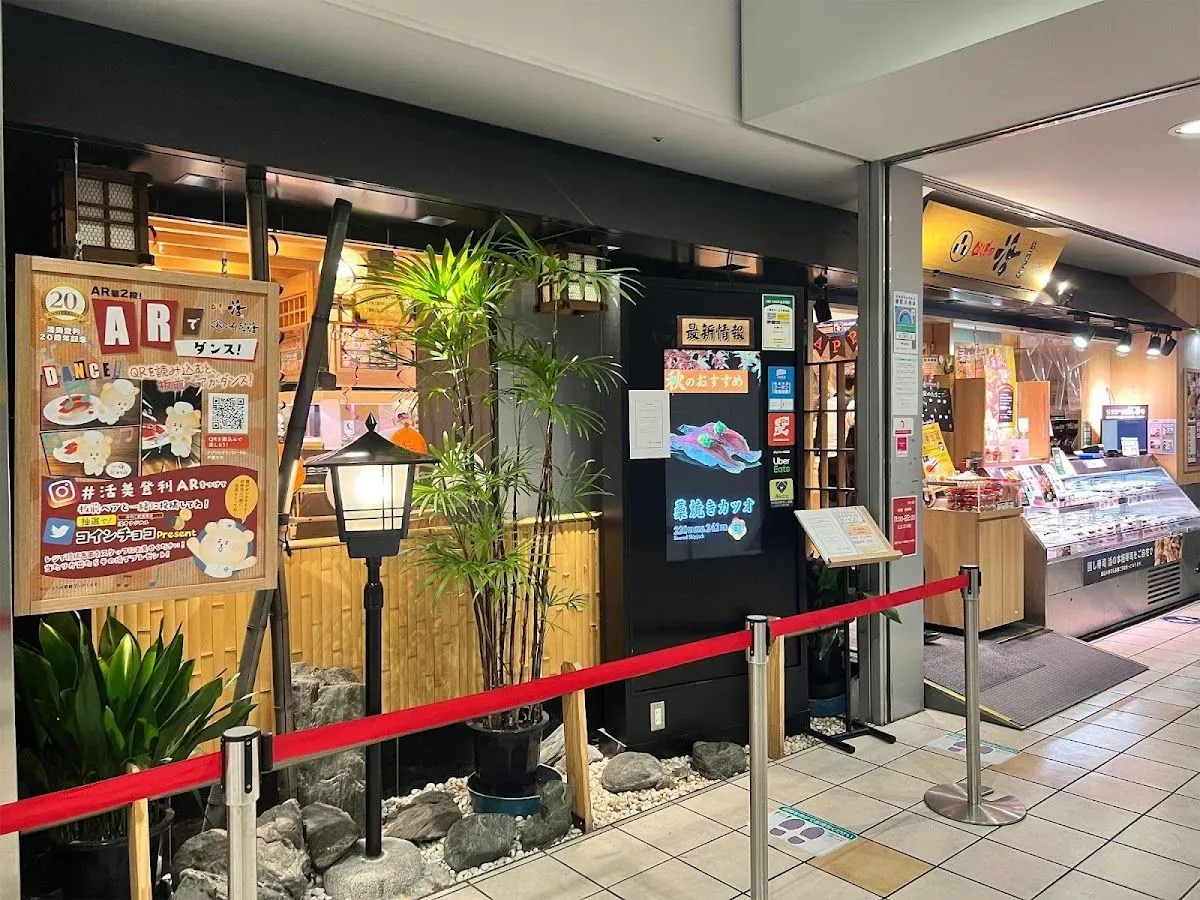
Tachinomi Midori avoids the hour-long lines at Meguro's seated sushi bars by stripping out chairs and serving identical fish at standing counters. Thick cuts of chutoro tuna, sea urchin, and grilled scallop skirts land on stainless trays within minutes. Three sashimi plates and a draft beer cost less than ¥2,500.
8. Sake no Ana Standing Bar — Ginza's Precision Sake Flight Counter
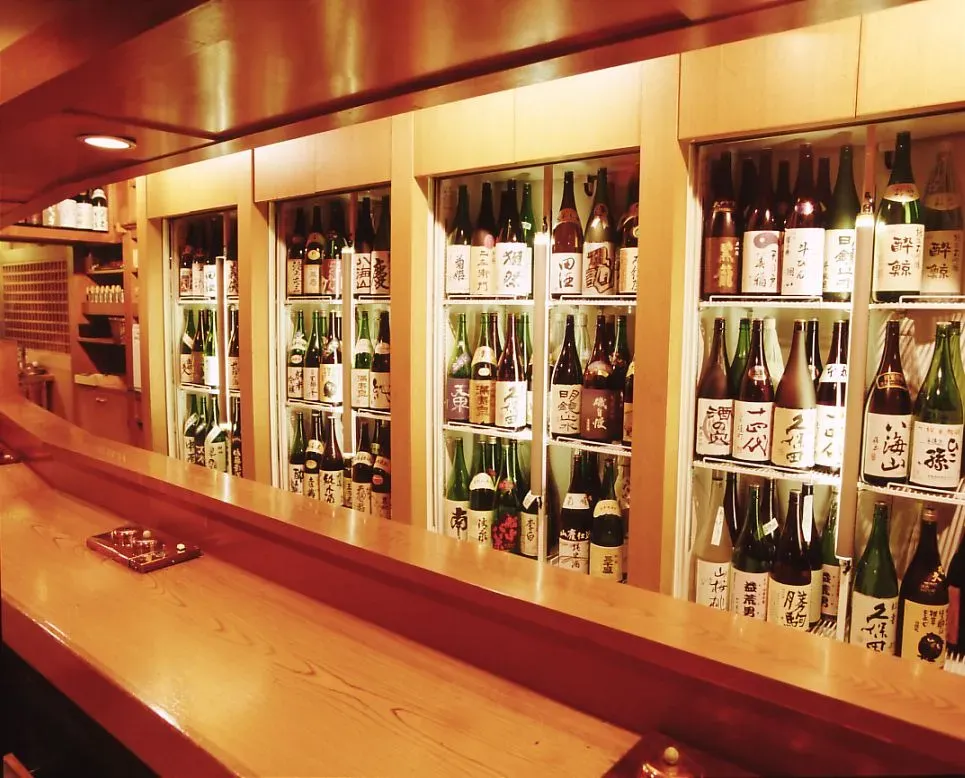
Sake no Ana drops Ginza's steep covers and hushed rooms at its basement counter on Gaslight Street. The bar pours 60ml tastes from more than 100 craft breweries across all 47 prefectures. Three-glass flights cost between ¥1,100 and ¥1,800, served in crystal stemware with brewery notes printed in English.
Experience Tokyo's Food Culture with Wabisabi
Explore historic drinking alleys, lively market arcades, and neighborhood izakaya counters alongside licensed local guides who show you where Tokyoites actually spend their evenings.
Book this tour →