
November is Tokyo at its operational peak. Expect 15°C afternoons, dry skies, and late-autumn maples colliding with winter light displays. Here are the confirmed dates, venues, and logistics for November 2026.
What makes November the smartest month to visit Tokyo?
Tokyo averages 17°C daytime highs and 9°C night lows in November, with roughly four rainy days all month. Pack light layers for dry, crisp walking weather.
November offers rare timing: central park maple and ginkgo foliage peaks just as business districts power up millions of winter illumination bulbs.
1. Meiji Shrine Autumn Grand Festival — Yabusame on Culture Day
Meiji Jingu holds its Autumn Grand Festival from November 1 to 3, honoring Emperor Meiji’s birthday on Culture Day (Bunka no Hi).
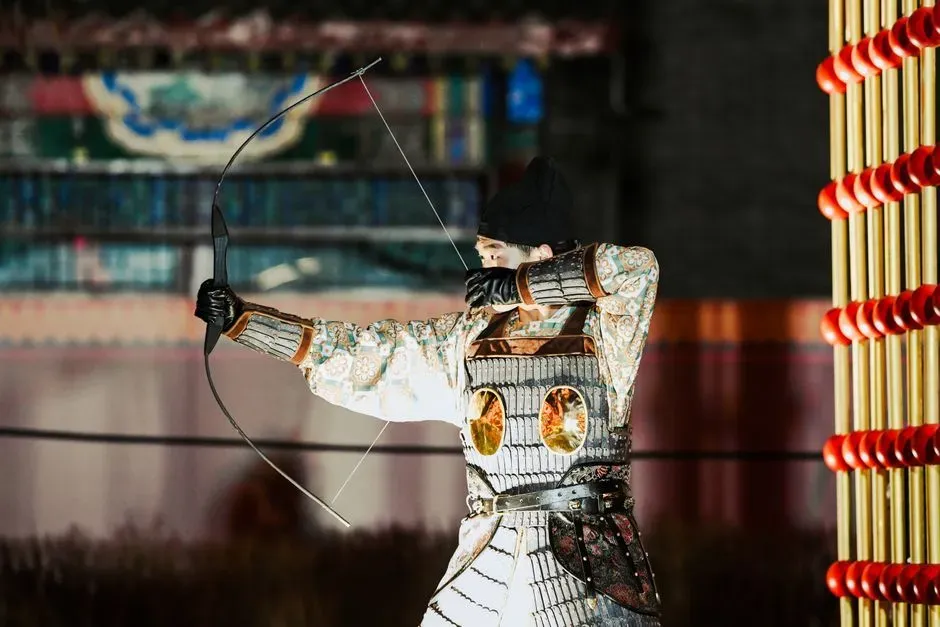
The main draw is yabusame (mounted archery) on the western lawn at 13:00 on November 3. Archers in Kamakura-period hunting robes shoot turnip-headed arrows at wooden targets at full gallop.
Admission is free; arrive by 11:30 for a spot at the rope line. Pair the morning archery with our Tokyo Highlights - Shibuya + Harajuku + Asakusa.
2. Asakusa Tori-no-Ichi — The Rake Fair at Otori Shrine
In 2026, the zodiac calendar marks only two rooster days: Saturday, November 7, and Thursday, November 19. Both fairs run a full 24 hours, midnight to midnight.
Otori Shrine in Senzoku draws roughly 700,000 buyers for bamboo kumade rakes. Prices range from ¥1,000 talismans to ¥100,000 displays loaded with faux gold coins, ledgers, and rice bales.
Tradition demands you haggle down the price, pay the original sticker amount anyway, and leave the difference as a tip. Merchants seal deals with tejime, a rhythmic clapping ritual.
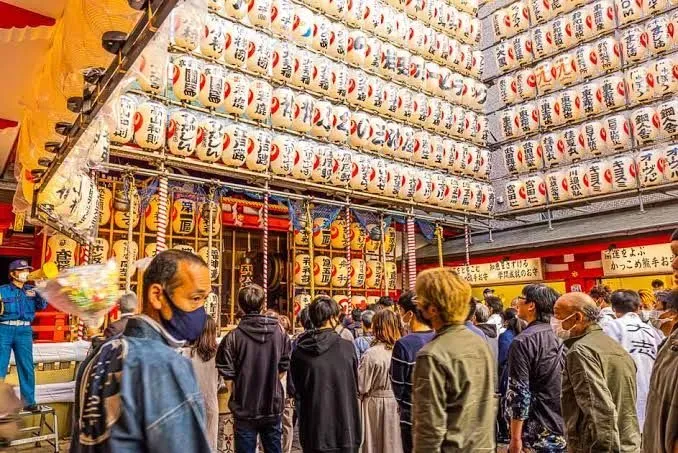
3. Hanazono Shrine Tori-no-Ichi — Shinjuku's Midnight Counterpart
Unlike Asakusa's old merchant crowd, Hanazono Shrine’s fair serves Shinjuku’s nightlife trade. Bar owners, izakaya hosts, and club staff crowd the grounds long past midnight.
Over 60 yatai stalls pack the stone courtyard, grilling squid and okonomiyaki over charcoal until dawn. It hosts some of Tokyo’s last operating misemono-goya retro variety tents.
Crowds peak between 20:00 and 01:00 before drifting into Golden Gai's alleys, which you can explore on the Shinjuku Night Walking Tour - Dark Side of Tokyo (For Adults 18+ Only).
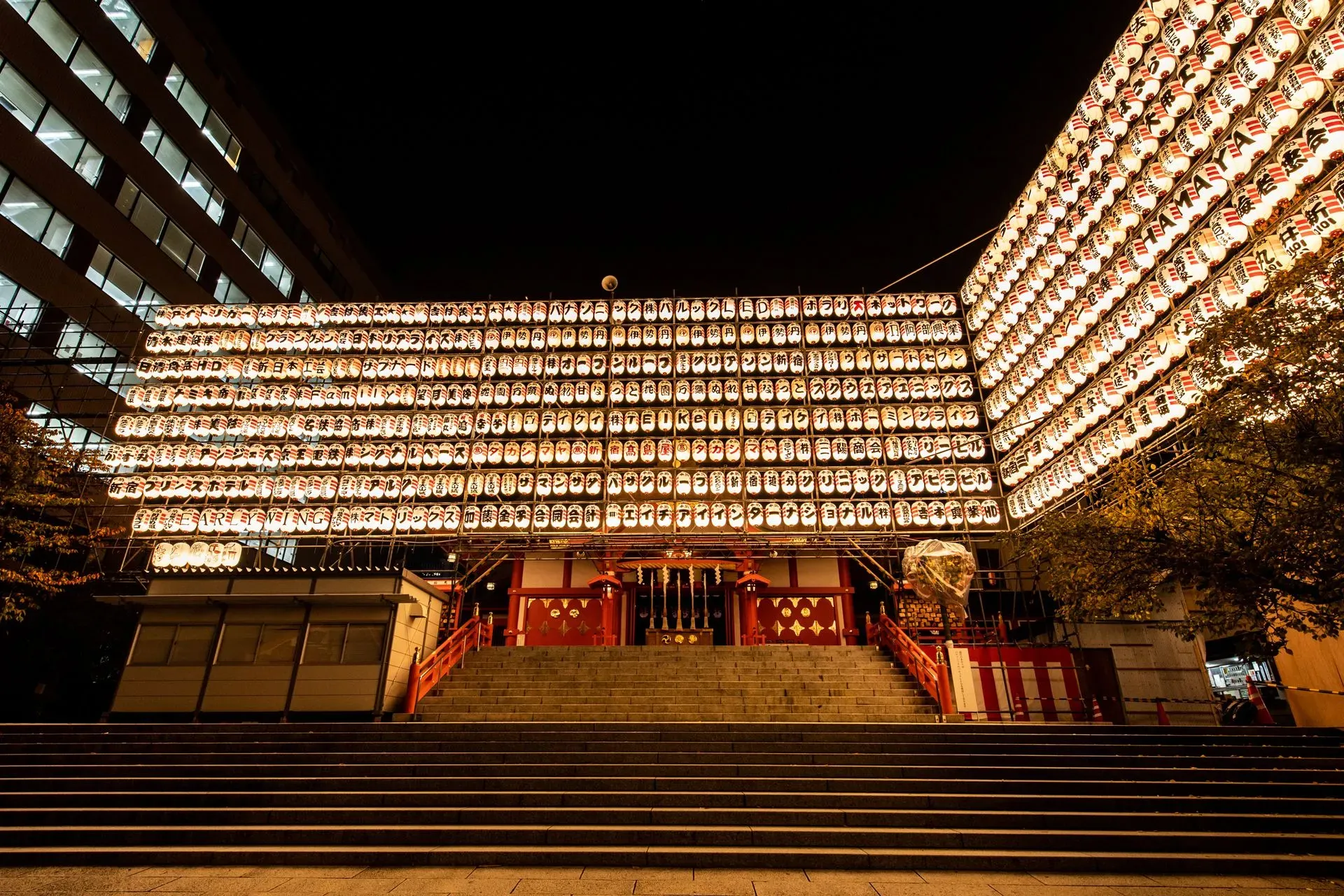
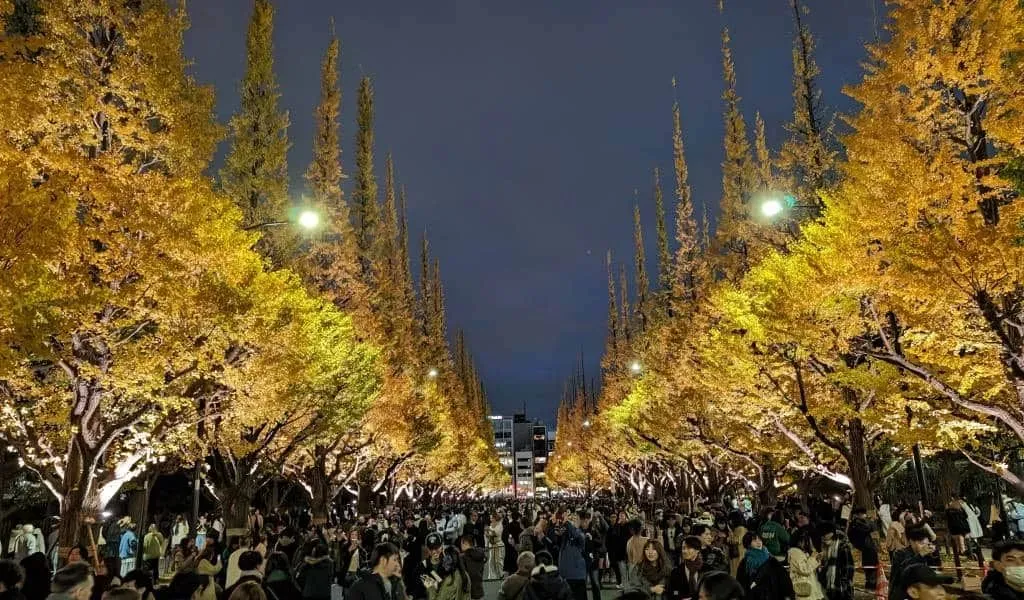
4. Meiji Jingu Gaien Ginkgo Festival — Tokyo's Golden Tunnel
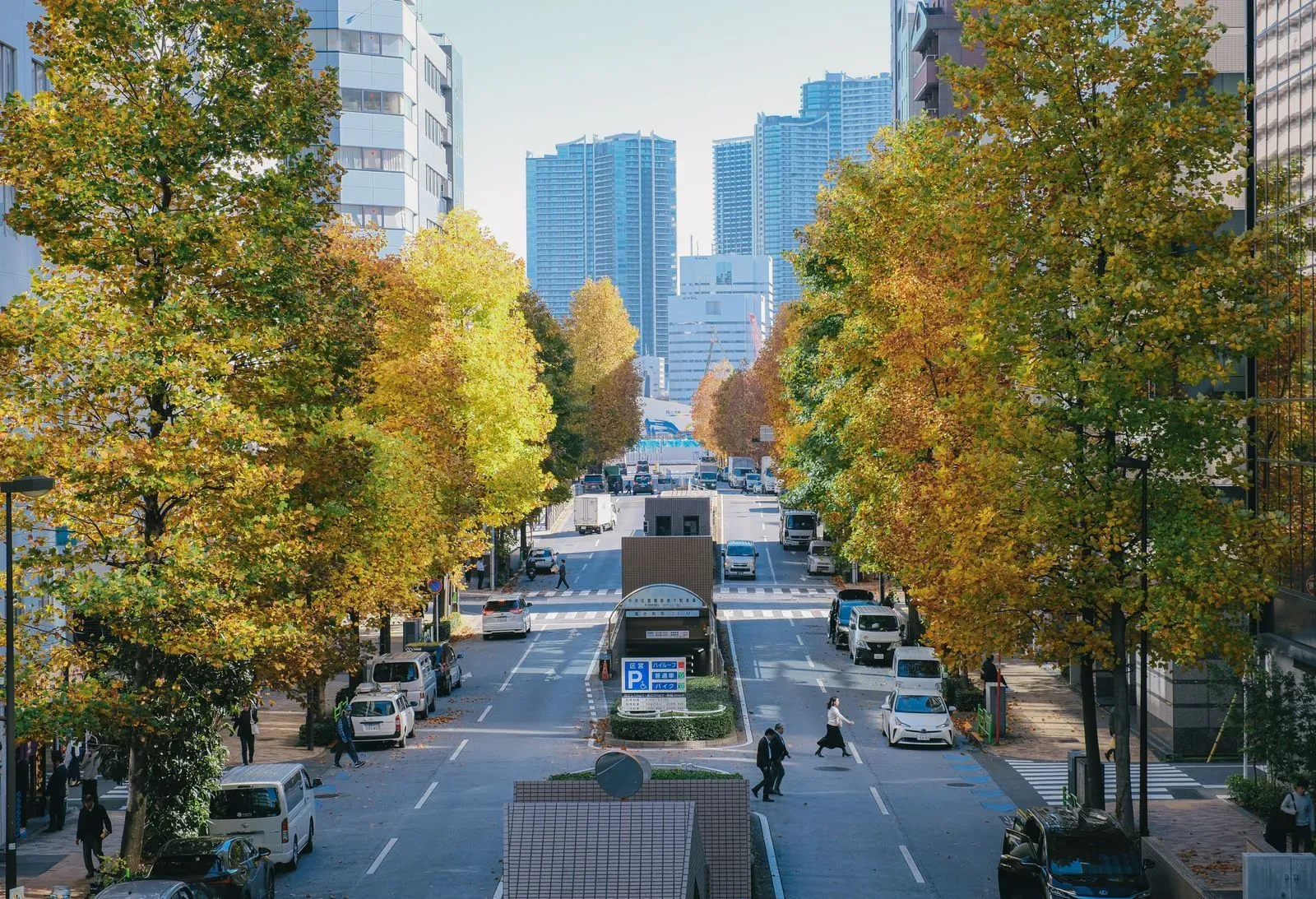
Between Shinanomachi and Aoyama-Itchome stations, 146 ginkgo trees flank a 300-meter avenue toward the Meiji Memorial Picture Gallery. Pruned into sharp spires, their crowns turn gold in late November.
Peak foliage hits reliably from November 20 to December 2. The avenue closes to cars on weekends, opening the leaf-covered tarmac to pedestrians.
Stalls set up in the Meiji Jingu Stadium lot, dishing out roasted sweet potatoes and hot amazake until 16:30 daily.
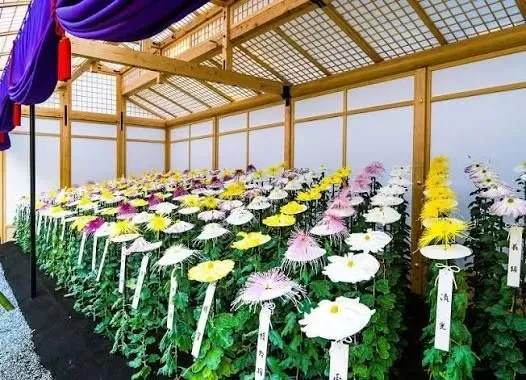
5. Shinjuku Gyoen Chrysanthemum Exhibition — Imperial Floral Art
Shinjuku Gyoen National Garden holds its Chrysanthemum Exhibition from November 1 to 15, showing imperial Meiji-era horticultural techniques.
Open pavilions shelter ozukuri displays: single root systems trained to grow hundreds of uniform blooms in tiered domes, with individual flowers spanning up to 30 centimeters.
Adult entry costs ¥500. Arrive before 10:30 on weekdays to view the pavilions before tour groups clog the pathways.
6. Yushima Tenmangu Chrysanthemum Festival — Scholar Shrine Blooms
Bunkyo’s Yushima Tenmangu runs its Chrysanthemum Festival from November 1 through 23. Students cram the shrine of scholarship deity Sugawara no Michizane to pray for exam success.
Two thousand potted plants cover the grounds. The centerpiece: kiku ningyo, life-sized historical figures clad in robes woven entirely from fresh chrysanthemum blooms.
Admission is free. Pair it with our Tokyo tour · Día 1, linking nearby Ueno and Akihabara into one walking route.
7. Rikugien Autumn Evening Illumination — Edo Garden Night Walk
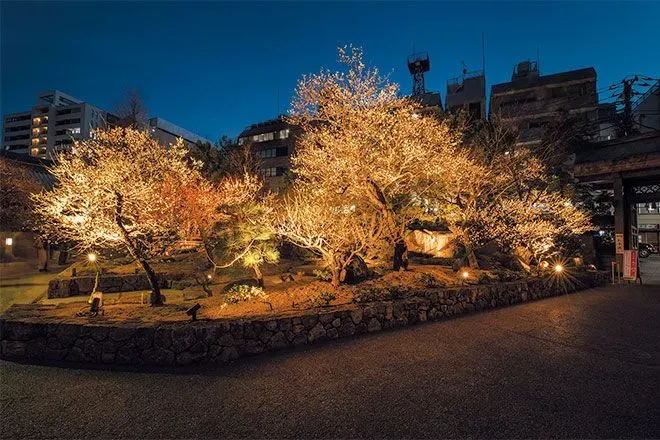
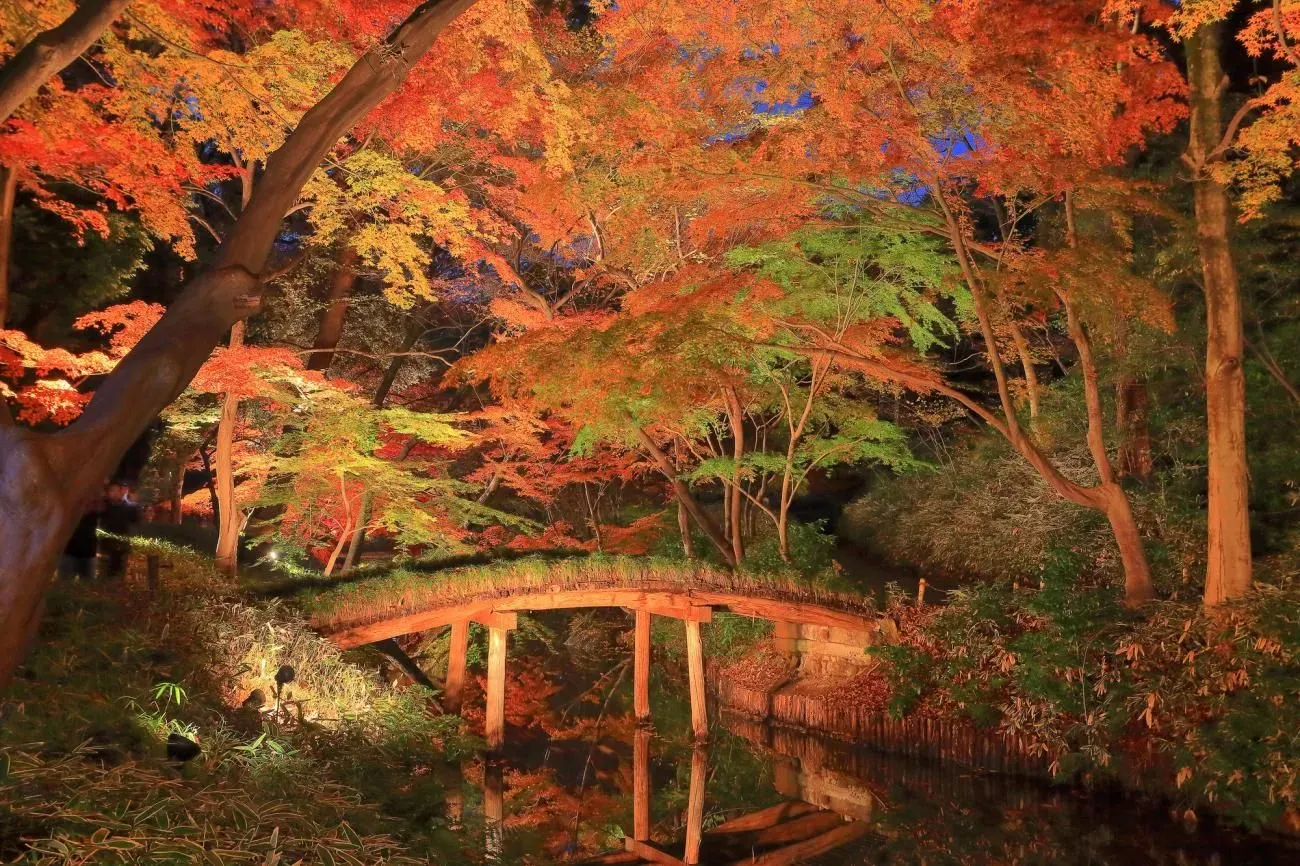
Built in 1702 by Yanagisawa Yoshiyasu, Rikugien stays open until 20:30 for late-November illuminations. Concealed floodlights mirror hundreds of Japanese maples across Sensui Pond.
Timed tickets cost ¥1,100 online and sell out weeks early. The walk-up queue on Hongo-dori routinely backs up 40 minutes in the cold.
Grab a bench at Sasakani-no-Chaya teahouse along the pond for hot matcha and wagashi beside the illuminated islands.
8. Kanda Used Book Festival & Jimbocho Book Town
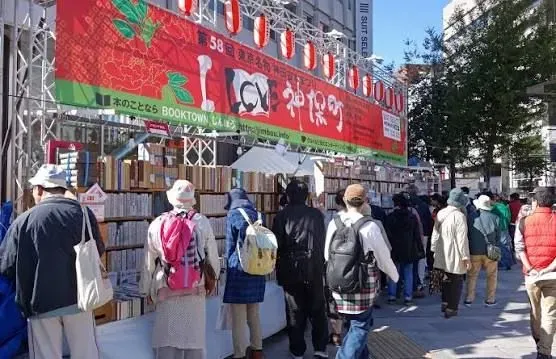
Jimbocho houses 130 antiquarian bookstores. During November's first week, dealers wheel hundreds of metal carts onto Yasukuni-dori for an annual sidewalk sale.
Over a million volumes hit the pavement, from ¥100 paperbacks to rare Edo-period woodblock maps. Bring cash and a canvas bag; paper handles break under art books.
Escape the chill in vintage kissaten like Sabouru or Ladrio for dark-roast drip coffee and thick buttered toast.
9. Shichi-Go-San at Hie Shrine — Kimonos and Thousand-Year Candy
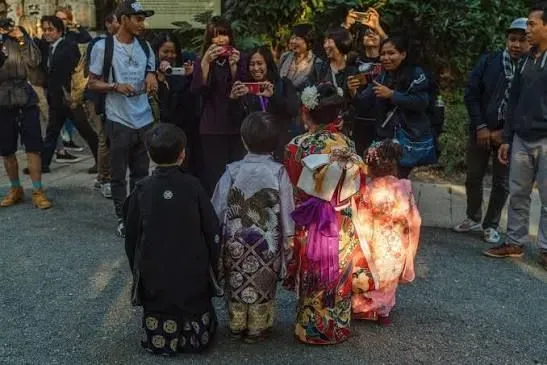
Around November 15, families celebrate Shichi-Go-San, an ancient milestone for three- and seven-year-old girls and five-year-old boys. Children wear silk kimonos and pleated hakama.
Akasaka's Hie Shrine is ground zero for the rite. Parents queue for purification rituals and long paper sleeves of chitose ame ('thousand-year candy').
The shrine features an outdoor hillside escalator and a tunnel of red torii gates. Photograph from a distance; do not block family processions.
10. Roppongi Hills Keyakizaka Illumination — 800,000 Blue LEDs
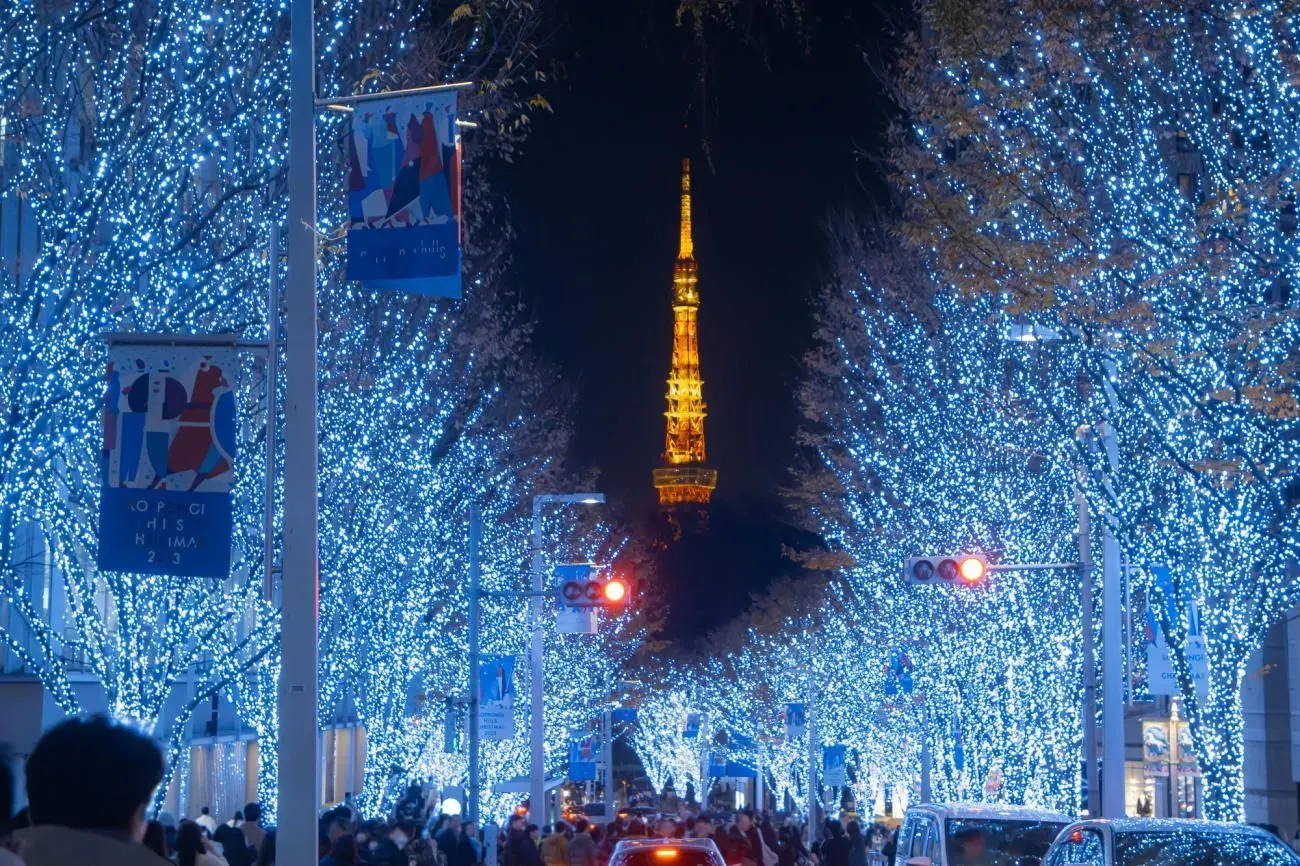
Starting early November, Keyakizaka Street powers 800,000 LEDs along a 400-meter curve, toggling between icy 'Snow & Blue' and warm amber.
The classic vantage point is the Roppongi Hills pedestrian bridge over Keyakizaka-dori. From here, the illuminated road curves directly toward Tokyo Tower's red frame.
Lights run daily from 17:00 to 23:00. The bridge fills with tripods from 17:00 to 18:30; visit after 21:00 for clean sightlines.
11. Marunouchi Illumination — Champagne Gold Along Naka-dori
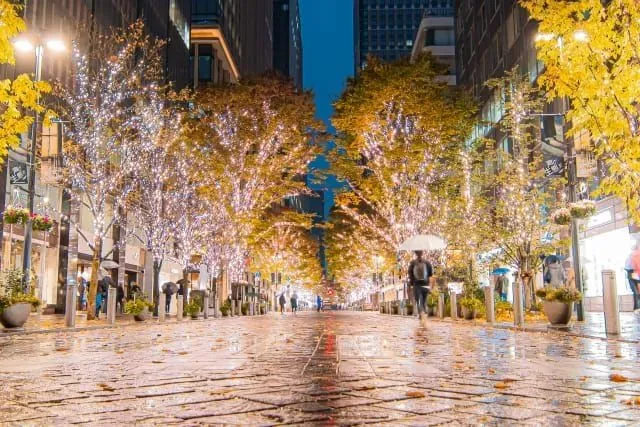
Marunouchi Naka-dori wraps 340 trees along its 1.2-kilometer brick promenade in 1.2 million LEDs from mid-November to mid-February, creating a luminous corridor outside Tokyo Station.
The neighborhood runs its custom 'Champagne Gold' display entirely on solar and green-energy credits. The avenue bans cars every afternoon for walkers.
Benches, heated terraces, and pop-up wine carts line the pavement between glass towers, offering a calmer evening pace than Shinjuku or Shibuya.
12. Hachikazugi & Koishikawa Korakuen Foliage Peak
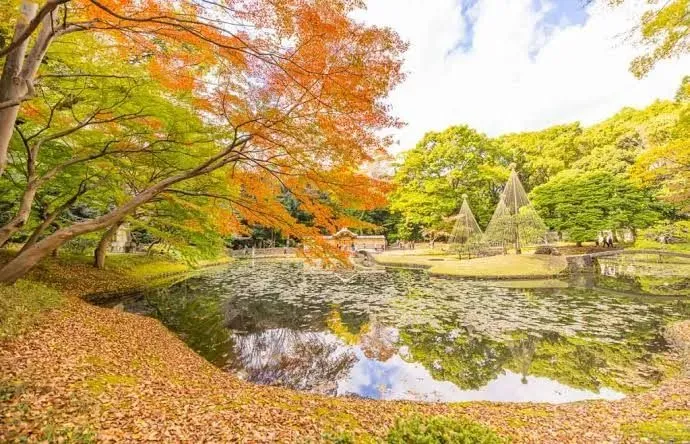
Laid out in 1629 by the Mito Tokugawa clan, Koishikawa Korakuen blends Chinese and Japanese literary motifs with central Tokyo's densest late-November foliage.
Around November 25, maples lining Daisensui Pond turn scarlet. The stone Engetsu-kyo (Full Moon Bridge) casts an unbroken circular reflection across the water.
Entry is ¥300. Tokyo Dome looms directly overhead, juxtaposing a 17th-century strolling pond against a screaming roller coaster.
13. Tokyo Ramen Festa at Komazawa Olympic Park
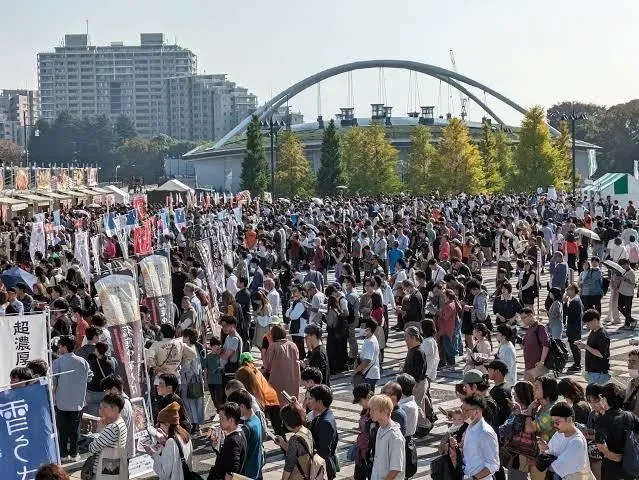
Running from late October through early November, Tokyo Ramen Festa brings 30 regional soup masters to Komazawa Olympic Park’s central plaza.
Buy ¥1,000 vouchers at central machines, then join the queues for regional broths like Niigata back-fat niboshi or rich Kitakata shoyu.
Vendors routinely run out of chashu pork and seasoned eggs by 14:00. Hit the stalls before 11:30 on weekdays to dodge 30-minute lines.
14. Design Festa at Tokyo Big Sight — Asia's Raw Indie Art Meet
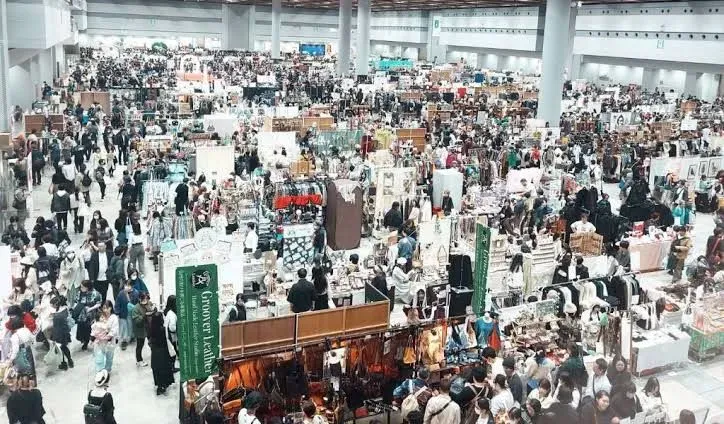
In mid-November, Odaiba's Tokyo Big Sight hosts Design Festa, Asia's largest independent arts expo, drawing 10,000 creators selling directly to buyers.
No corporate booths allowed. The floor belongs to independent jewelers, screen-printers, vinyl kaiju sculptors, leatherworkers, and live muralists.
Single-day tickets run ¥1,000 at the door or ¥800 at convenience-store kiosks. Bring cash; many indie artists do not take cards.
15. Mount Takao Autumn Leaves Festival — The One-Hour Escape
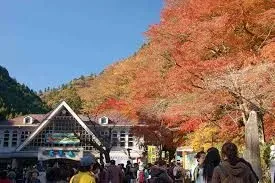
Fifty minutes west of Shinjuku on the Keio Line, Mount Takao hosts its Momiji Matsuri throughout November. Mountain maples turn mid-month, weeks ahead of downtown.
The Kiyotaki cable car tackles a 31-degree incline through a canopy of scarlet leaves. Weekend queues exceed an hour by 10:00.
Ditch the crowd: catch the 07:00 express from Shinjuku and hike Trail 6. Reward yourself at the summit with hot tororo soba topped with grated mountain yam.
16. Tokyo Christmas Market Kick-off at Toyosu
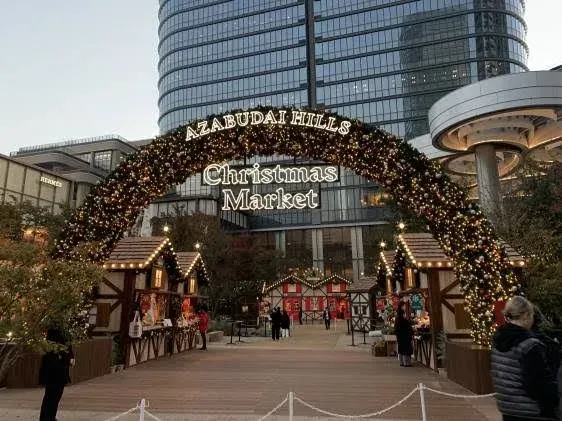
In late November, Toyosu Seaside Park opens the Tokyo Christmas Market, complete with Bavarian timber chalets and a 14-meter wooden pyramid imported from Germany’s Erzgebirge.
The market pours hot spiced glühwein alongside imported stollen and grilled wurst on the bay. Advance weekend tickets include a commemorative ceramic mug.
The shoreline promenade offers direct views of Rainbow Bridge and the Tokyo skyline, providing a sharp change of pace from traditional November shrines.
Experience Tokyo in November with Wabisabi
Join our expert local walking tours to catch peak seasonal foliage, quiet shrine grounds, and backstreet markets without getting lost in the crowds.
Book this tour →