Treat Tokyo like an adult checklist, and your trip unspools within two subway transfers. Successful Tokyo family travel swaps marathon itineraries for short, focused walks, open parks, and dependable elevator routes.
1. Pacing & Transit Strategy — The 90-Minute Rule for Young Walkers
Tokyo tourists average 15,000 to 20,000 steps daily. Children under ten crash after 90 minutes or roughly 4,000 steps. Cap neighborhood walks at 90 minutes, then force a hard stop at a park or a quiet kissaten.
Subway transfers inside Shinjuku or Otemachi can add an unplanned 800-meter underground march. Check platform maps for elevator markers before boarding. On the Yamanote Line, cars four and eight consistently stop closest to elevator banks.
2. Asakusa & Ueno — Old Town Culture and Wide Paved Parks
Pair Asakusa with Ueno to balance shrine visits with open ground. Hit Senso-ji by 08:30, before Nakamise-dori jams shoulder-to-shoulder. Grab a bag of eight warm, bean-paste-filled ningyo-yaki cakes for ¥500 to keep kids moving.
When museum fatigue hits, walk fifteen minutes west into Ueno Park. The National Museum of Nature and Science costs ¥630 for adults and is free for minors under 18, featuring basement dinosaur skeletons and a 360-degree theater. For a set route connecting historic sites and markets, book our Tokyo Highlights - Shibuya + Harajuku + Asakusa itinerary.
3. Harajuku & Shibuya — Youth Trends and High-Density Crossings
Takeshita Street spans 350 meters of sensory assault. It thrills teenagers and traps strollers. Enter from Harajuku Station between 10:30 and 11:30, just as dessert stalls open and before the midday gridlock hits. Grab fruit-and-cream crepes at Santa Monica Crepes from ¥650.
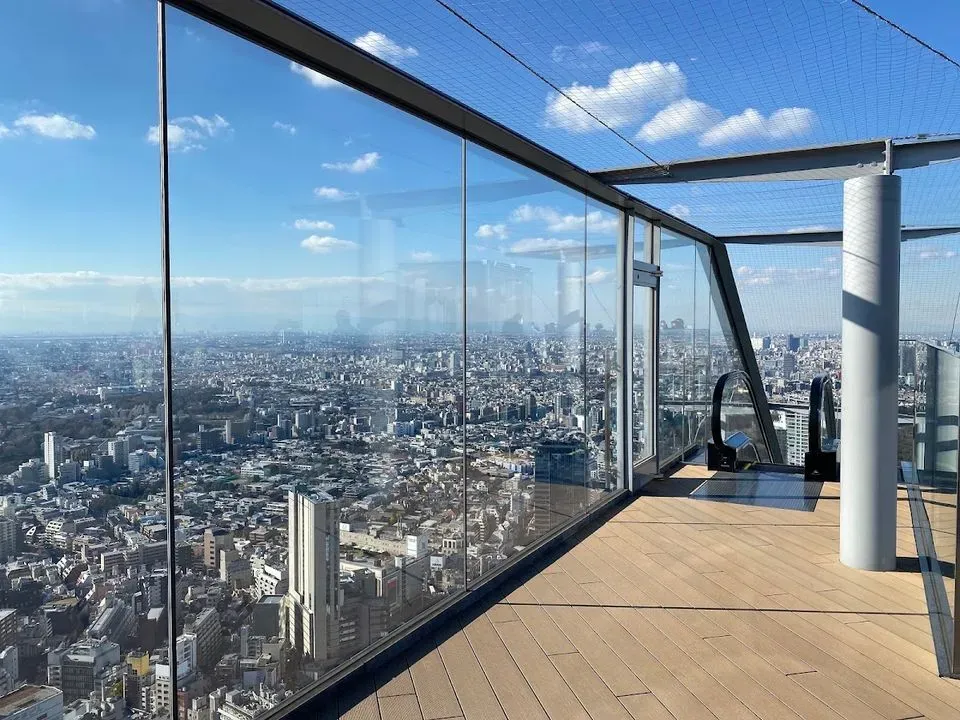
Skip the subway and take pedestrian Cat Street south toward Shibuya. The twenty-minute walk cuts crowd density in half. At Shibuya Crossing, dodge the street-level stampede and ride the elevator to the Magnet by Shibuya 109 rooftop. Entry costs roughly ¥1,500 with a drink ticket, delivering a clear view without the shoving.
4. Akihabara vs. Nakano Broadway — Comparing Pop Culture Routes
Akihabara looks sleek in photos, but vertical shops like Radio Kaikan bottleneck families. Narrow aisles, single stairwells across six floors, and adult merchandise stocked right beside mainstream figurines make the district an exhausting supervisory chore.
Nakano Broadway serves families better. The retro shopping arcade spreads across three air-conditioned, elevator-accessible floors, five minutes west of Shinjuku on the JR Chuo Line. Mandarake runs dedicated shops for retro toys, Pokemon cards, and classic games with wider aisles. For anime fans, our Tokyo friki tour covers Nakano Broadway and Ikebukuro with stops targeted to your children's fandoms.
5. Yanaka & Nezu — Low-Sensory Shinto Gates and Quiet Heritage Streets
When the metropolis overwhelms, spend the morning in Yanaka and Nezu. The area survived World War II air raids, preserving quiet residential alleys of low wooden homes and stray cats. Bicycles outnumber cars, and engine noise drops to near zero.
Nezu Shrine features two hundred crimson torii gates that echo Kyoto's Fushimi Inari without the brutal two-hour climb. Kids can dart through the tunnels in ten minutes. Pick up warm, fish-shaped custard or red-bean taiyaki from Nezu no Taiyaki for ¥210 each to eat in the courtyard.
6. Kamakura & Coastal Enoshima — The Best Low-Stamina Day Trip
Nikko demands two hours each way on express trains, plus steep stone staircases at Toshogu Shrine that exhaust young children. Kamakura sits 55 minutes south of Tokyo Station on the direct JR Yokosuka Line. One-way fares cost under ¥1,000.
Board the Enoden coastal tram for three stops from Kamakura to Hase Station. The Great Buddha at Kotoku-in sits outdoors in a wide gravel courtyard where children can walk unimpeded. Entry costs ¥300 for adults and ¥150 for elementary students. For an organized coastal route, book the Discover the Best of Kamakura with a Local Guide tour.
7. Tokyo Transit Navigation — Platform Elevators and Rush Hour Logistics
Do not board Tokyo commuter trains with children between 07:30 and 09:00 on weekdays. Cars exceed 150 percent capacity, risking physical separation. Start your morning at 09:30 once platforms clear and seats open.
Leave jogging strollers at home. Bring an ultra-compact buggy like the Babyzen Yoyo. Tokyo station elevators often sit at the far ends of 200-meter platforms. A stroller that folds in three seconds lets you ride escalators and clear narrow 55-centimeter ticket barriers without detouring for wide gates.
8. Family Dining Logistics — Depachika Basements and Department Store Rooftops
Six-stool ramen counters cannot accommodate families with small children or strollers. Head instead to department store basements like Isetan Shinjuku or Ginza Mitsukoshi. These depachika sell yakitori, bento boxes, onigiri, and sliced fruit starting at ¥400.
Carry your depachika spread straight to department store rooftops. Ginza Six and Shinjuku Isetan offer manicured lawns, wood decks, bench seating, and clean family restrooms. Parents get high-end food; children eat outside without indoor noise restrictions.
Explore Tokyo at Your Family's Pace with Wabisabi
Let our local bilingual guides handle train platforms, crowd navigation, and kid-approved snack stops on a flexible private tour tailored to your family.
Book this tour →