Heisei Chishinkan Wing, Kyoto National Museum
Good to know before you go
- Getting there
- Shichijō Station · 7 min walk (Keihan Main Line)
- Hours
- 9:30–17:00 (Fridays until 20:00; admission until 30 minutes before closing; closed Mondays)
- Admission
- ¥700 (adults), ¥350 (university students), free for ages 17 and under or 70 and over; special exhibitions vary
- Time needed
- 90–120 min
- Best time to go
- Friday evenings, when extended hours until 20:00 allow viewing with fewer visitors than daytime peak hours.
Hours can change on holidays — check the official site before travelling.
About
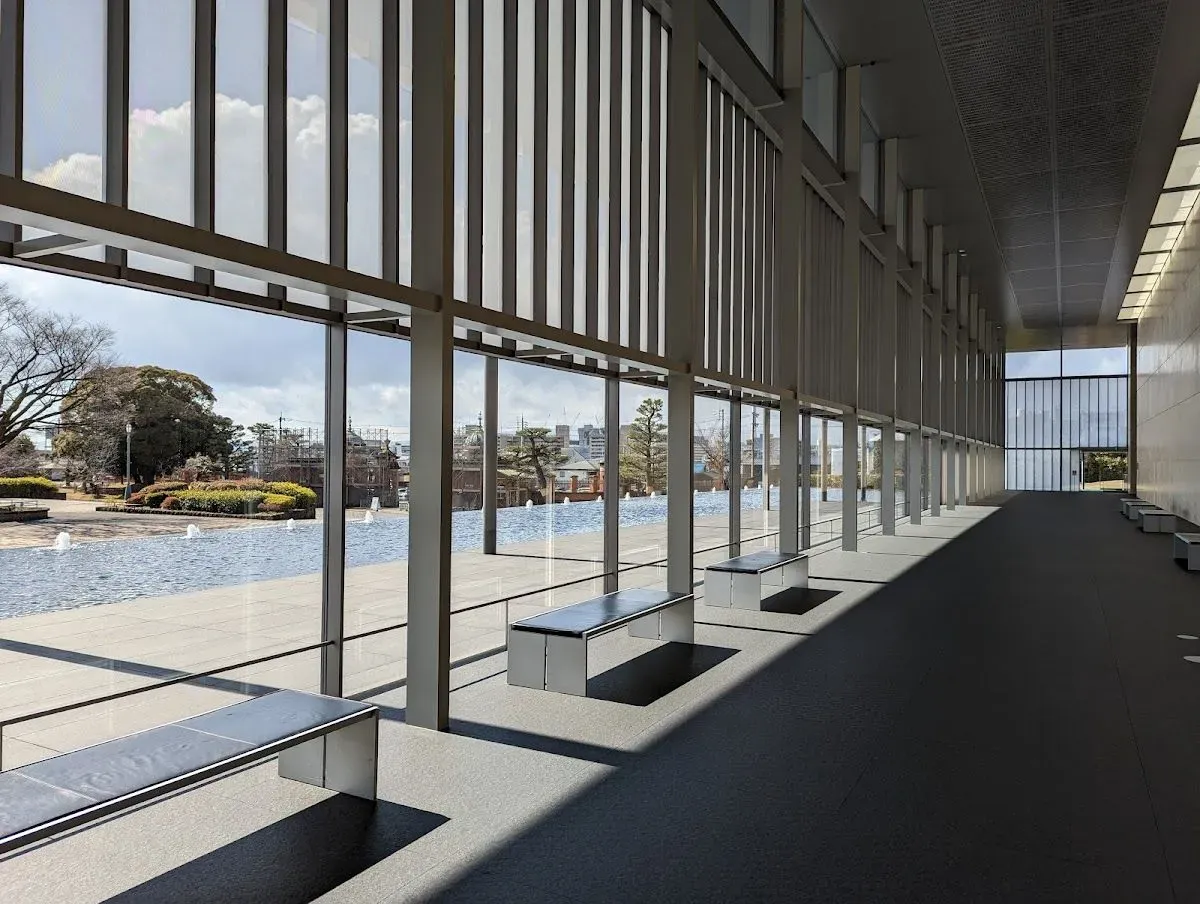
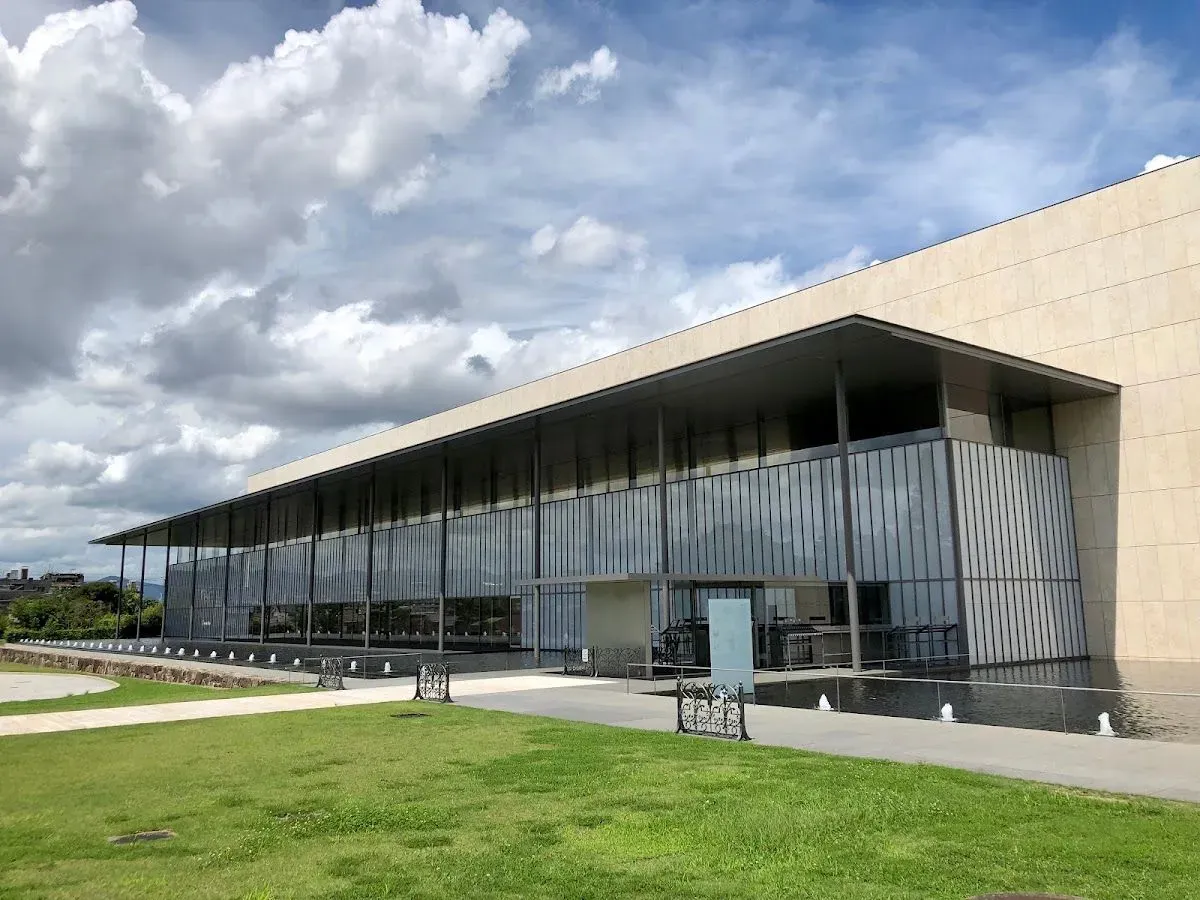
Designed by Yoshio Taniguchi, this striking modernist wing houses a rotating display of the museum's world-class collection of ancient Kyoto treasures, calligraphies, and Buddhist statues. The contrast between the minimalist glass-and-steel architecture and the centuries-old cultural relics inside is breathtaking. Expect tranquil, dimly lit galleries designed to highlight the intricate details of each masterpiece.
What Japanese guides note
Visitors must check the museum calendar beforehand because exhibition galleries close completely to the public during transitional changeovers between special exhibitions, leaving only the grounds accessible. Situated directly opposite Sanjūsangendō and within a brief walk of Chishaku-in, the museum connects easily to a wider Higashiyama itinerary. Walking seven minutes east from Keihan Shichijō Station bypasses frequent road delays on city buses originating at Kyoto Station.
Details from local sources
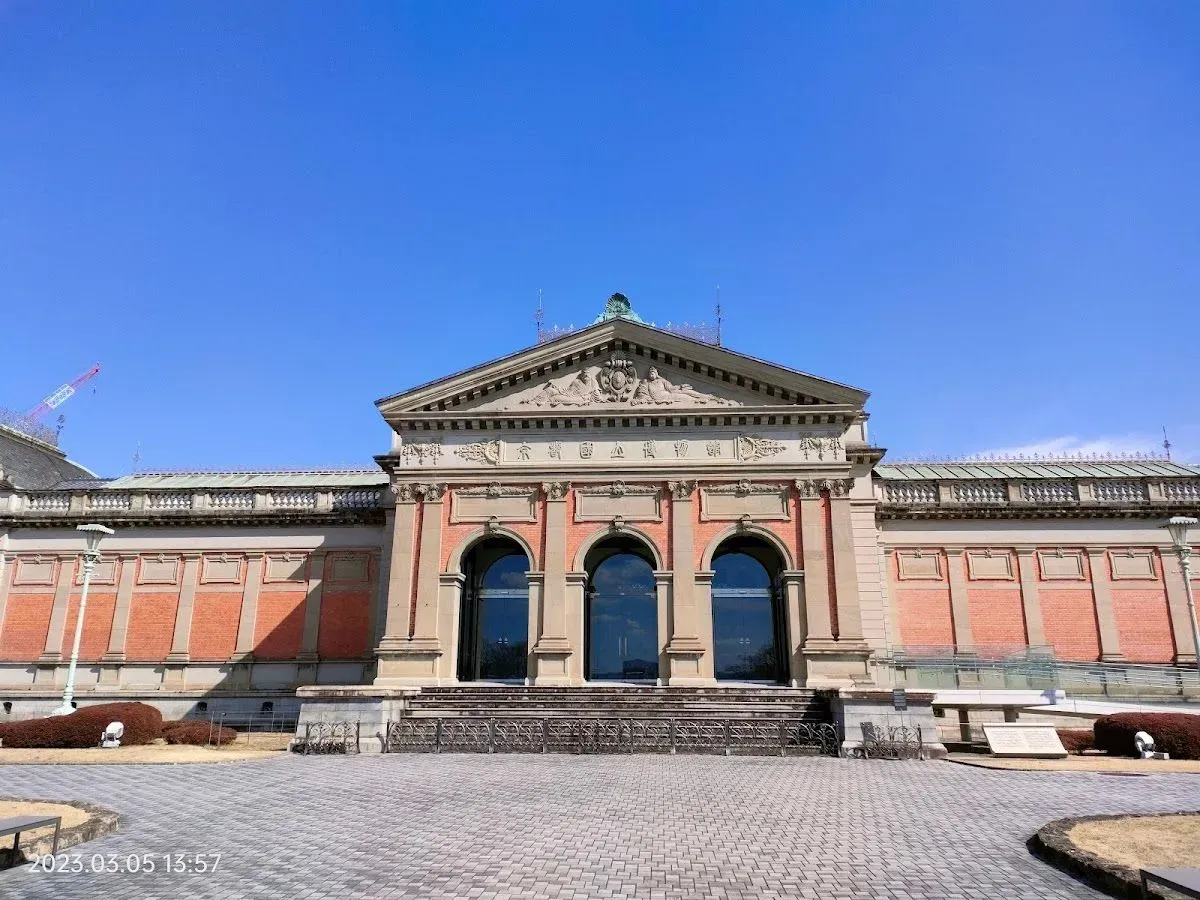
- The museum's original 1895 red-brick main hall, the Meiji Kotokan designed by Tokuma Katayama, is closed for seismic retrofitting plans, making the Heisei Chishinkan the sole active indoor exhibition hall. [source]
- When a major special exhibition is in progress, it takes over the entire wing, suspending the regular Masterpiece Gallery collection exhibits and associated Saturday lectures. [source]
- Between exhibition periods, all indoor galleries in the Heisei Chishinkan close completely for installations, leaving only the outdoor grounds open for garden-only tickets. [source]
- The wing incorporates seismic isolation floors beneath both galleries and storage vaults, paired with high-transmittance low-reflection case glass and specialized LED lighting. [source]
Insider Tip
Visit on a sunny afternoon to see the stunning reflection of the historic Meiji-era main hall in the wing's glass facade and water pool.
Frequently asked
Can I visit the permanent collection during a special exhibition?
No. When special exhibitions take place, they occupy nearly all galleries inside the Heisei Chishinkan wing. The regular Masterpiece Gallery collection displays are suspended, meaning visitors cannot buy a regular admission ticket or see the permanent rotation separately during these exhibition dates.
Is the historic red-brick building next door open to the public?
No. The 1895 Meiji Kotokan, designated an Important Cultural Property and designed by Tokuma Katayama, is closed indoors while long-term seismic retrofitting plans are underway. All exhibitions and collection galleries are held exclusively inside the modern Heisei Chishinkan wing.
Can I enter through the historic West Gate along the street?
No. The historic Meiji-period Main Gate on Yamatoōji-dōri is closed to regular visitor entry. All visitors must enter through the modern South Gate entrance on Shichijō-dōri, where the ticket windows, locker facilities, and information desks are located.
Our Kyoto walking tours


On the same walk
Photos