Imamiya Shrine
Good to know before you go
- Getting there
- Kitaōji Station · 20 min walk (Kyoto Municipal Subway Karasuma Line)
- Hours
- 9:00–17:00 (shrine office; grounds open freely)
- Admission
- Free
- Time needed
- 30–45 min
- Best time to go
- Second Sunday of April, when the annual Yasurai Matsuri takes place with demon dancers and flower umbrellas
Hours can change on holidays — check the official site before travelling.
About
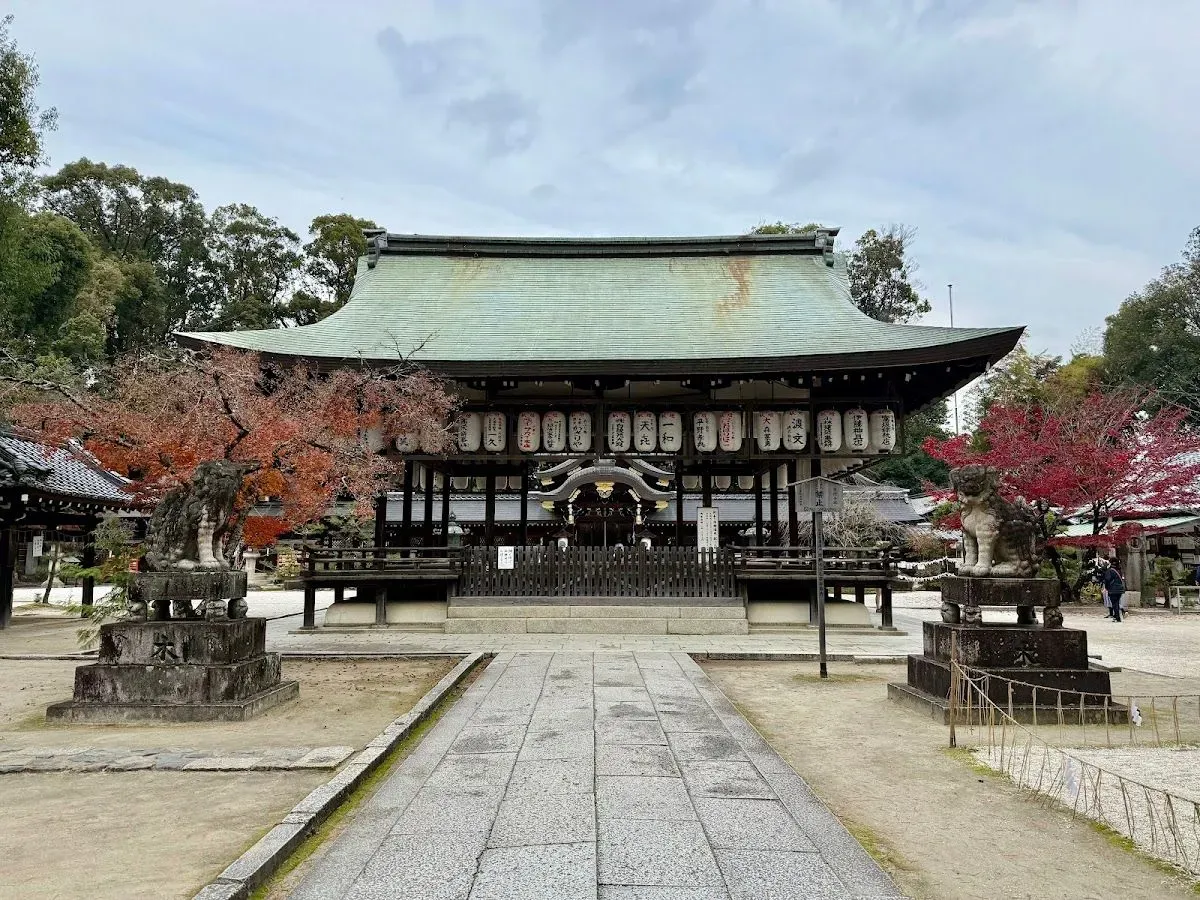
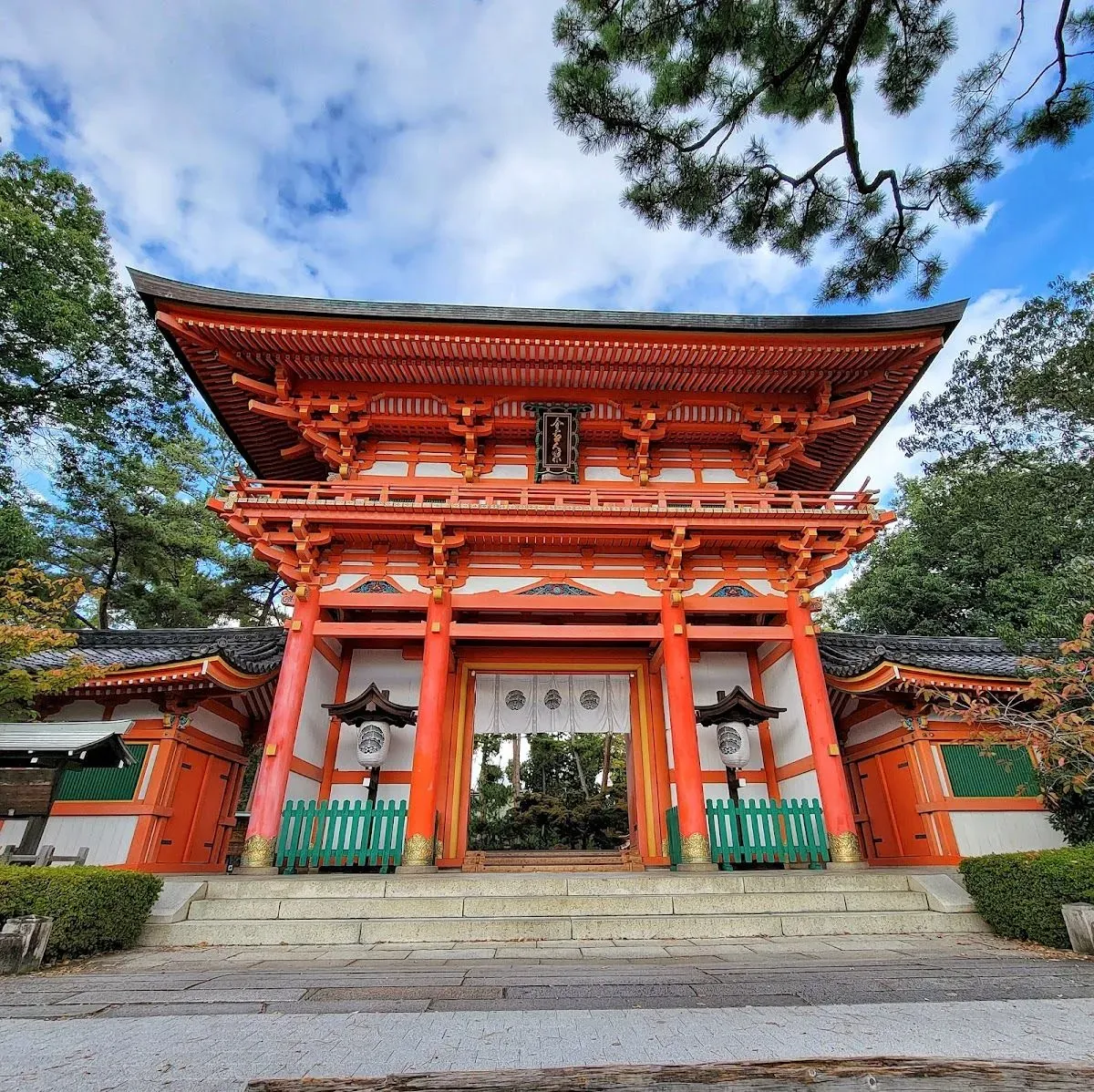
Tucked away in northern Kyoto, Imamiya Shrine is a serene 10th-century sanctuary historically visited to ward off epidemics and pray for good health and matchmaking. Unlike the city's crowded hotspots, this atmospheric complex offers peaceful gravel paths, towering trees, and striking vermilion structures. It is best known for its 'Ahokashi-san' testing stone and the centuries-old sweet grilled mochi shops located just outside its eastern gate.
What Japanese guides note
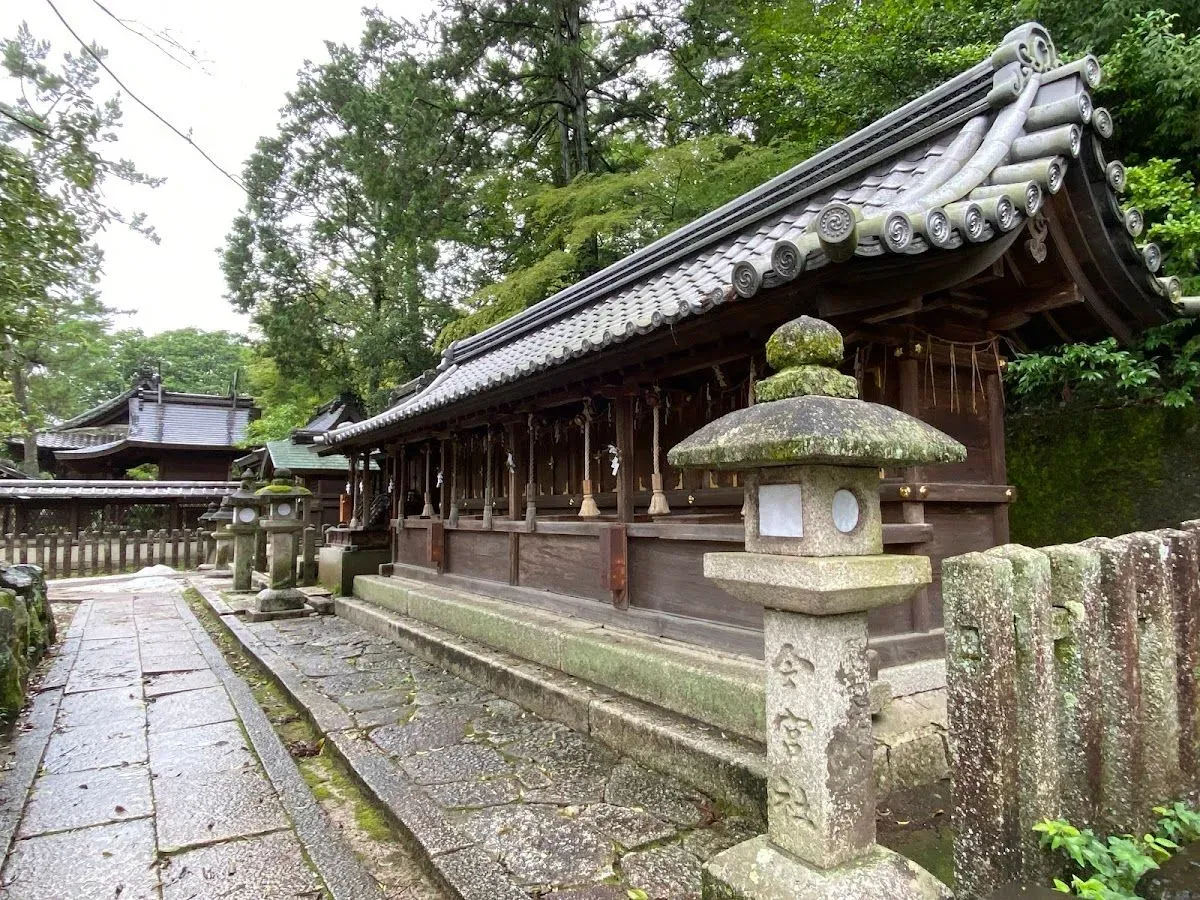
Visitors frequently combine Imamiya Shrine with a walking circuit connecting Daitoku-ji and Funaokayama Park. Shrine tradition suggests offering prayers at both the main hall and the adjacent Eyamisha sub-shrine, the shrine's original 10th-century pestilence-dispelling site, before exiting toward the teahouses. When lifting the Ahokashi-san stone, visitors are expected to keep it over its cushion to prevent damage.
Details from local sources
- Imamiya Shrine is nicknamed Tama no Koshi Shrine after Keishoin, born a Nishijin greengrocer's daughter named Otama, who rose to become mother of the fifth Tokugawa shōgun Tsunayoshi and funded the shrine's major reconstruction in 1694. [source]
- Divination with the Ahokashi-san stone requires tapping it three times with the palm before lifting it, then stroking it three times with a wish and lifting it again to see whether it feels lighter. [source]
- The shrine worship hall constructed in 1694 displays portraits of the Thirty-Six Immortals of Poetry woven entirely out of Nishijin textile. [source]
- During the Yasurai Matsuri on the second Sunday of April, stepping under the procession's flower-decorated umbrella is believed to ward off illness for the full year. [source]
Insider Tip
Try the 'aburi-mochi' (roasted rice cakes with sweet miso sauce) at Ichimonjiya Wasuke, Japan's oldest continuous eatery, right outside.
Frequently asked
How do you reach Imamiya Shrine by public transit from Kyoto Station?
Take the Kyoto Municipal Subway Karasuma Line from Kyoto Station to Kitaōji Station. From Kitaōji Bus Terminal (Exit 3), transfer to Kyoto City Bus 1, 205, or 206 to Funaokayama and walk north for 7 minutes. Alternatively, walk 20 minutes west directly from Kitaōji Station Exit 1.
Why is Imamiya Shrine associated with the phrase tama-no-koshi?
The Japanese idiom tama-no-koshi, referring to marrying into wealth and status, is traditionally traced to Keishoin, born Otama to a Nishijin grocer. After becoming concubine to Shōgun Iemitsu and mother to Shōgun Tsunayoshi, she heavily financed the restoration of Imamiya Shrine, creating its enduring reputation for matchmaking fortunes.
How do visitors pray at the Ahokashi-san stone?
For health recovery, visitors rub the stone gently and then stroke their ailing body part. For wish divination, lightly strike the stone three times with your palm and lift it. Make a wish, stroke it three times, and lift again; if it feels lighter, the prayer will succeed.
What is the Yasurai Matsuri?
Held annually on the second Sunday of April, Yasurai Matsuri is designated one of Kyoto's three eccentric festivals. Originating to quell springtime disease-bearing spirits, dancers dressed as red and black demons parade to music, herding pestilence into floral umbrellas under which onlookers walk for protection from illness.
Our Kyoto walking tours


Photos