Kyoto Botanical Gardens
Good to know before you go
- Getting there
- Kitayama Station · 1 min walk (Kyoto Municipal Subway Karasuma Line)
- Hours
- 9:00–17:00 (last entry 16:00); Conservatory 10:00–16:00 (last entry 15:30); closed Dec 28–Jan 4
- Admission
- ¥500 (adults), ¥250 (high school students and seniors 65+), free (junior high school students and under)
- Time needed
- 1.5–2.5 hours
- Best time to go
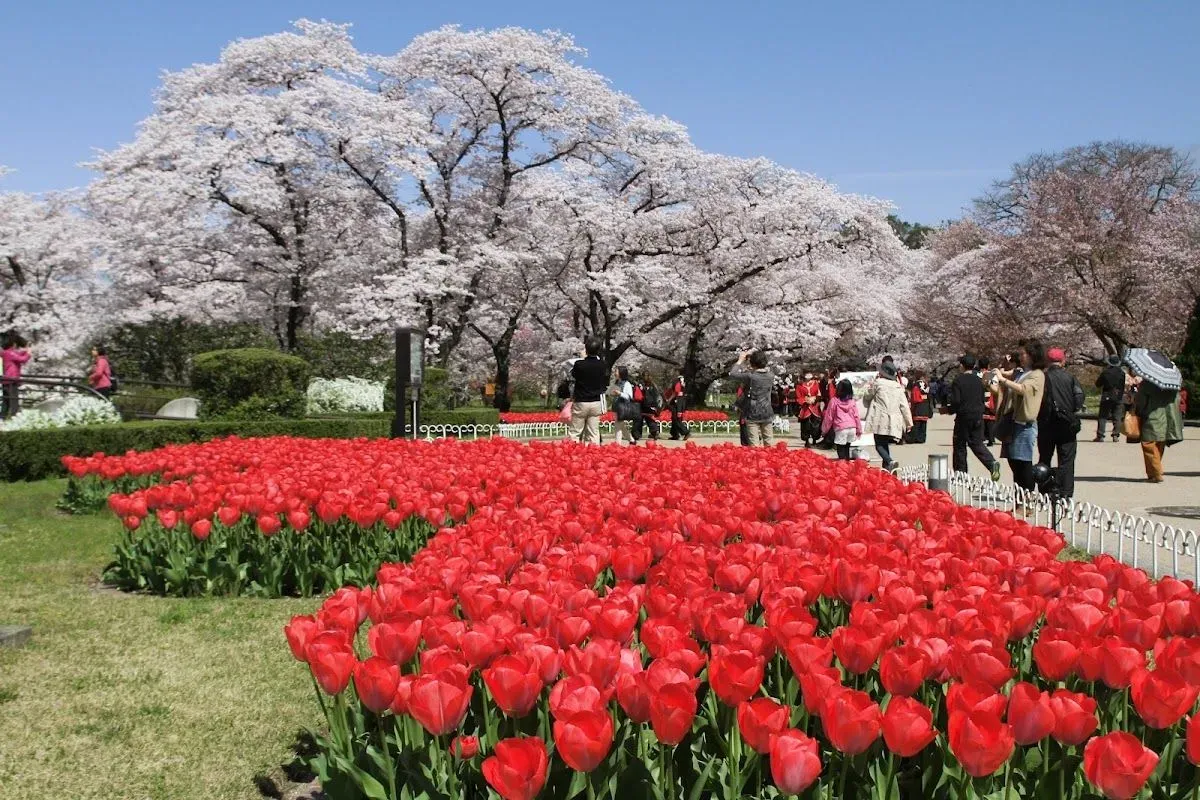
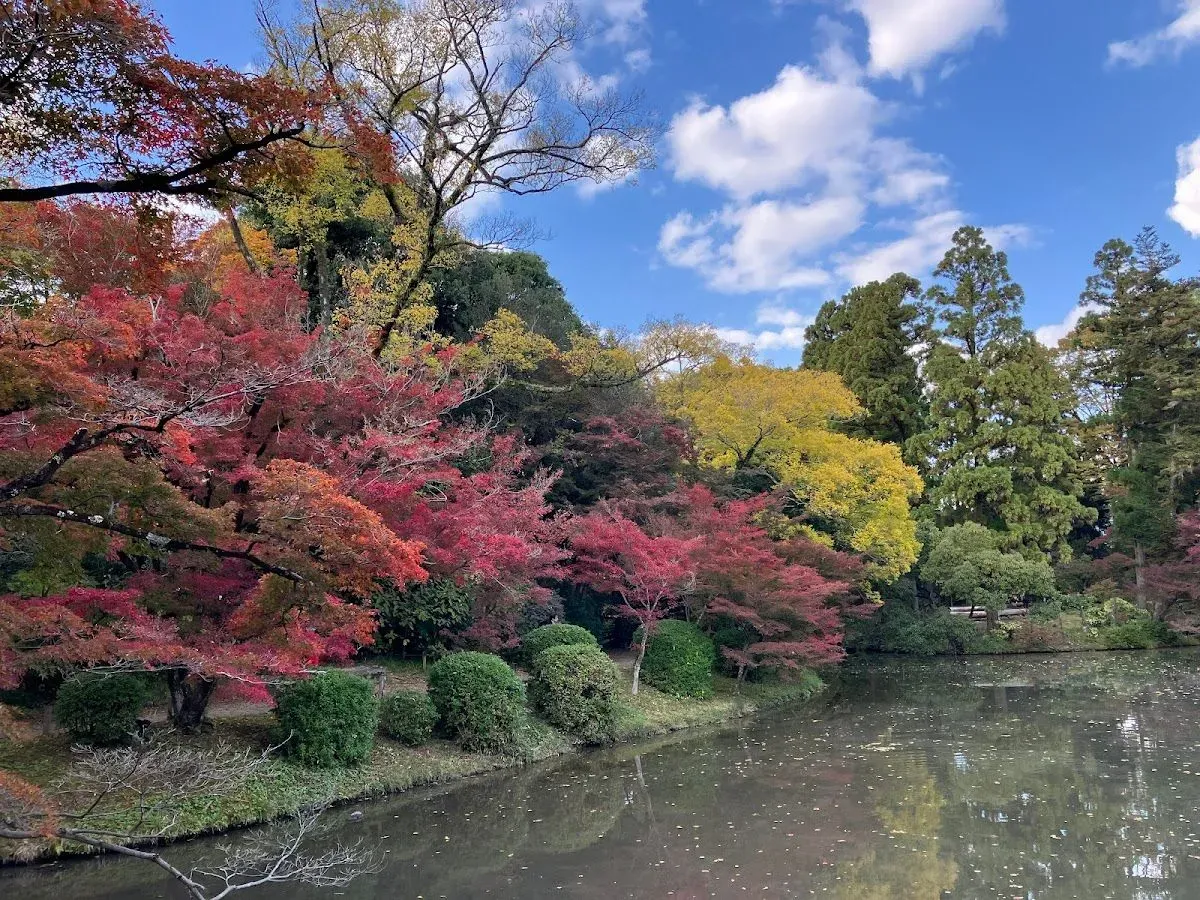
- Late March to late April for staggered cherry blossoms and tulips, or mid-November to early December for autumn foliage
Hours can change on holidays — check the official site before travelling.
About
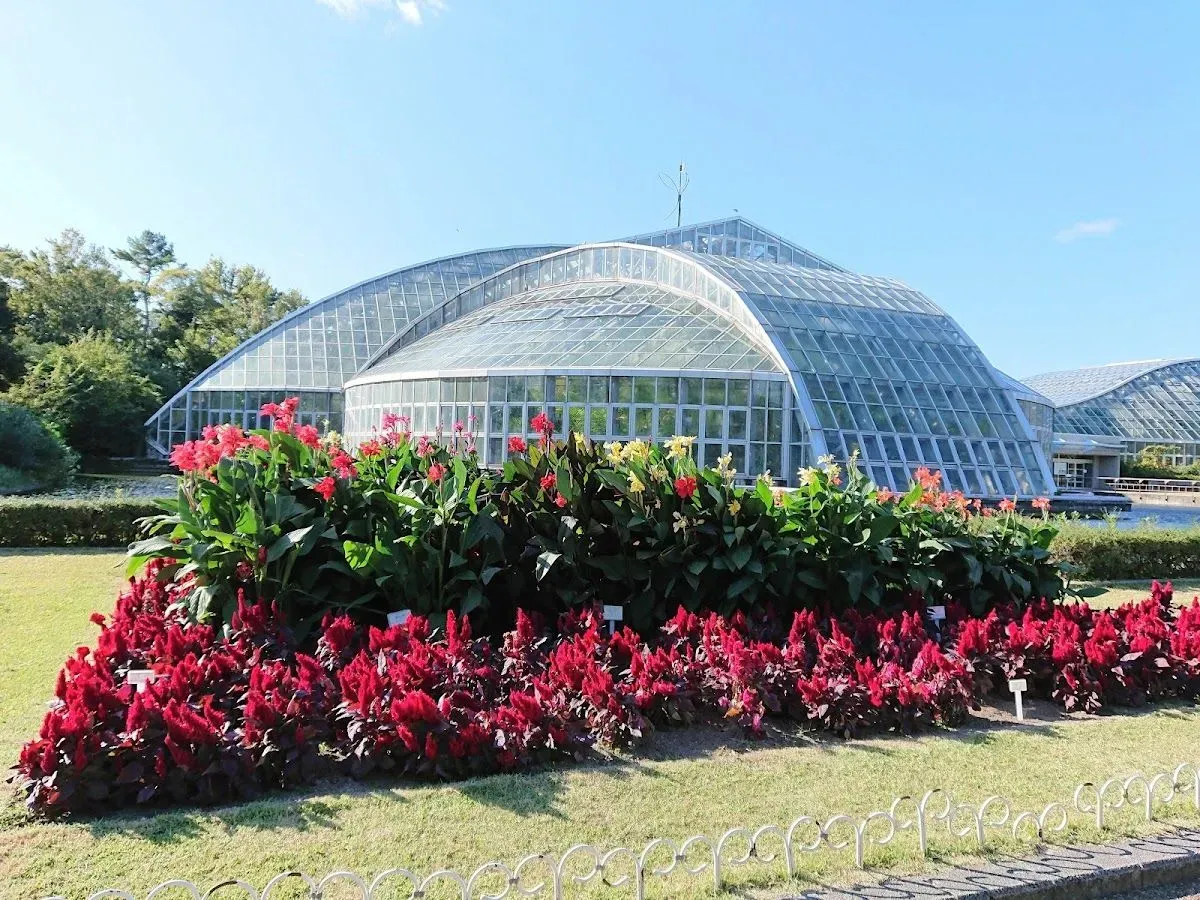
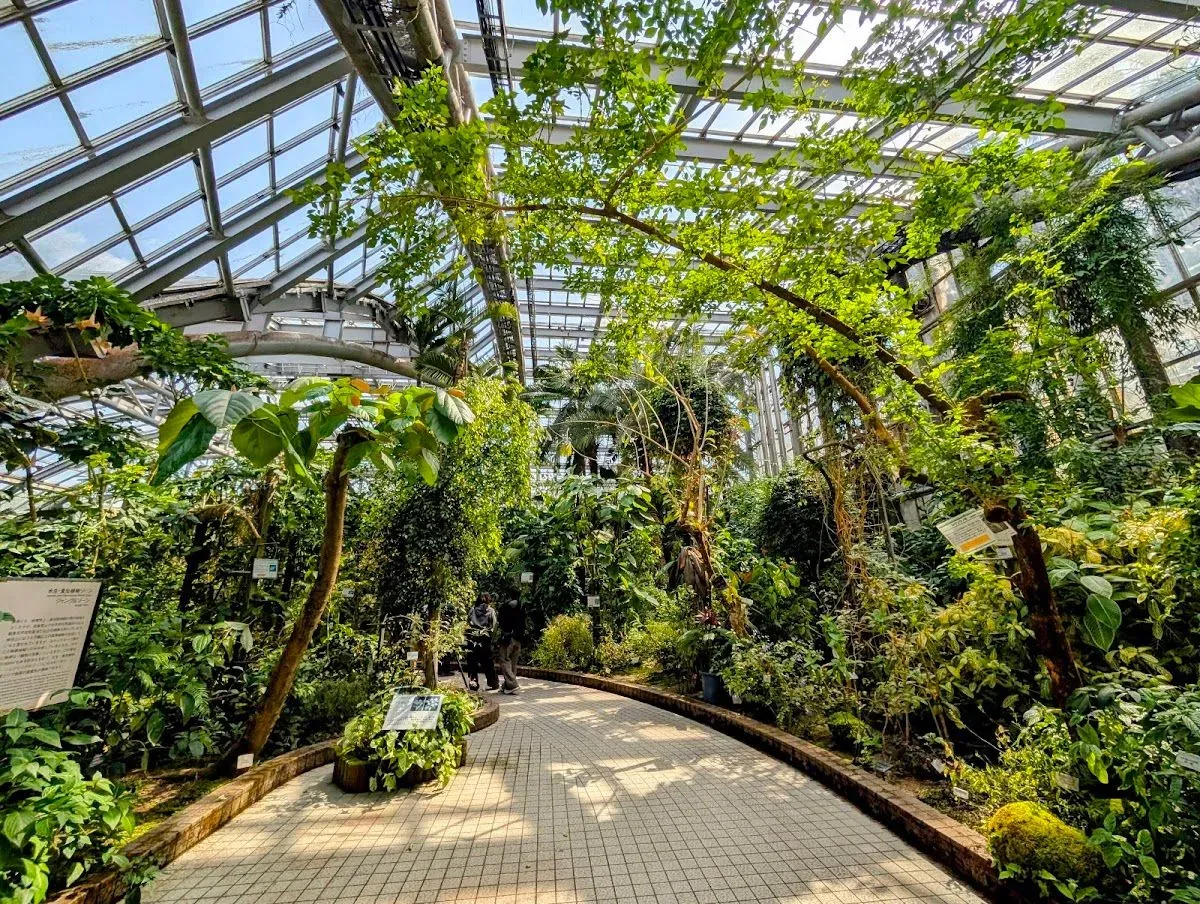
Established in 1924, this expansive conservatory and garden along the Kamo River offers a peaceful escape from Kyoto's crowded temples. Visitors can explore over 12,000 plant species, including a massive greenhouse with exotic tropical flora and a stunning grove of late-blooming weeping cherry trees. It is a perfect, low-cost spot to experience seasonal beauty, from autumn maples to spring blossoms, in a relaxed local atmosphere.
What Japanese guides note
Visitors frequently mistake the grounds for a casual recreational park, but management enforces botanical conservation rules prohibiting sports gear, tents, and alcohol. Entering via Kitayama Gate directly from subway Exit 3 provides immediate access to the conservatory, while exiting westward via Kamogawa Gate connects straight to the cherry-lined Nakaragi-no-Michi path along the Kamo River. Because the conservatory closes an hour earlier than the outer grounds, afternoon visitors should tour the greenhouse exhibits first.
Details from local sources
- Unlike standard municipal recreation areas, the facility strictly prohibits removing fallen leaves, acorns, or insects from the grounds, as well as bringing alcohol, athletic gear, tents, or pets. [source]
- The garden grounds contain Nakaragi Shrine, an auxiliary shrine of Kamigamo Shrine dedicated to Ame-no-Futodama-no-Mikoto as the protector of Nishijin silk weavers. [source]
- Between October 1946 and 1957, the site was requisitioned by Allied occupation forces to build 140 military housing units, schools, and facilities, leading to the loss of three-quarters of its trees before its 1961 reopening. [source]
- Near the central lawn sits the Kinoko Bunko, an outdoor children's library established in 1985 comprising four toadstool-shaped shelters holding about 2,400 books. [source]
- The conservatory's night-blooming room closes annually from November through April. [source]
Insider Tip
Enter via the Kitayama Gate right next to the subway station, and pair your visit with a stroll along the adjacent Halftimbered Path.
Frequently asked
Can visitors bring pets or picnic gear into the gardens?
Pets, alcoholic beverages, tents, sports balls, and playground equipment are strictly prohibited on the grounds. Because the facility functions as a research institution rather than a recreational municipal park, visitors are also forbidden from collecting natural materials like fallen leaves, pinecones, acorns, or insect specimens.
Which entrance provides direct train access?
Kitayama Gate connects directly to Exit 3 of Kitayama Station on the Kyoto Municipal Subway Karasuma Line. Alternatively, visitors using the Main Gate (Seimon) on the south side can walk approximately 10 minutes east from Exit 3 of Kitaōji Station or take municipal buses to the Shokubutsuen-mae stop.
Is admission to the tropical conservatory included in the ticket?
Standard one-day admission (¥500 for adults, ¥250 for high school students and visitors aged 65 and older) includes access to the conservatory. Note that the conservatory operates on a shorter schedule than the main park grounds, opening from 10:00 to 16:00 with final entry at 15:30.
How long are cherry blossoms visible during spring?
The cherry blossom season lasts over a month, typically from late March through late April. The grounds feature roughly 500 cherry trees across 180 cultivars, allowing staggered viewings from early blooms to mid-season Somei Yoshino, followed by late-blooming weeping varieties and rare greenish Gyōikō trees.
Our Kyoto walking tours


On the same walk
Photos