Kyoto Kitashirakawa Natural Radium Hot Spring Eisen Kyo
Good to know before you go
- Hours
- 11:00–17:45 (last entry 17:00); closed Tuesdays (open if holiday, closed following day) and the 4th Wednesday of the month
- Admission
- ¥1,580 (adults), ¥800 (elementary school students), ¥500 (children aged 0+)
- Time needed
- 1–2 hours
- Best time to go
- Weekdays around midday; day-use reception closes at 17:00, and the facility is closed on Tuesdays and the fourth Wednesday
Hours can change on holidays — check the official site before travelling.
About
Tucked away in the forested hills of northeast Kyoto, this rustic day-use onsen ryokan offers a rare chance to soak in highly therapeutic natural radium waters. Known for its peaceful, earthy atmosphere, the bathhouse provides a tranquil escape from the crowded city center. Visitors can expect a traditional, no-frills experience focused on wellness, complete with indoor and outdoor baths and optional seasonal dining.
What Japanese guides note
Eisen Kyo is situated along the Yamanakagoe mountain pass road linking Kyoto and Shiga Prefecture, requiring visitors relying on public transit to take a Keihan Bus or Kyoto Bus to the Jizodani bus stop. Day-use visitors should bring their own bath towels or purchase one at the reception desk, as standard towel rentals and station shuttle vans are intended for overnight guests. The second-floor tatami relaxation lounge closes to general day visitors at 17:00, so those wishing to rest after bathing should arrive in the early afternoon.
Details from local sources
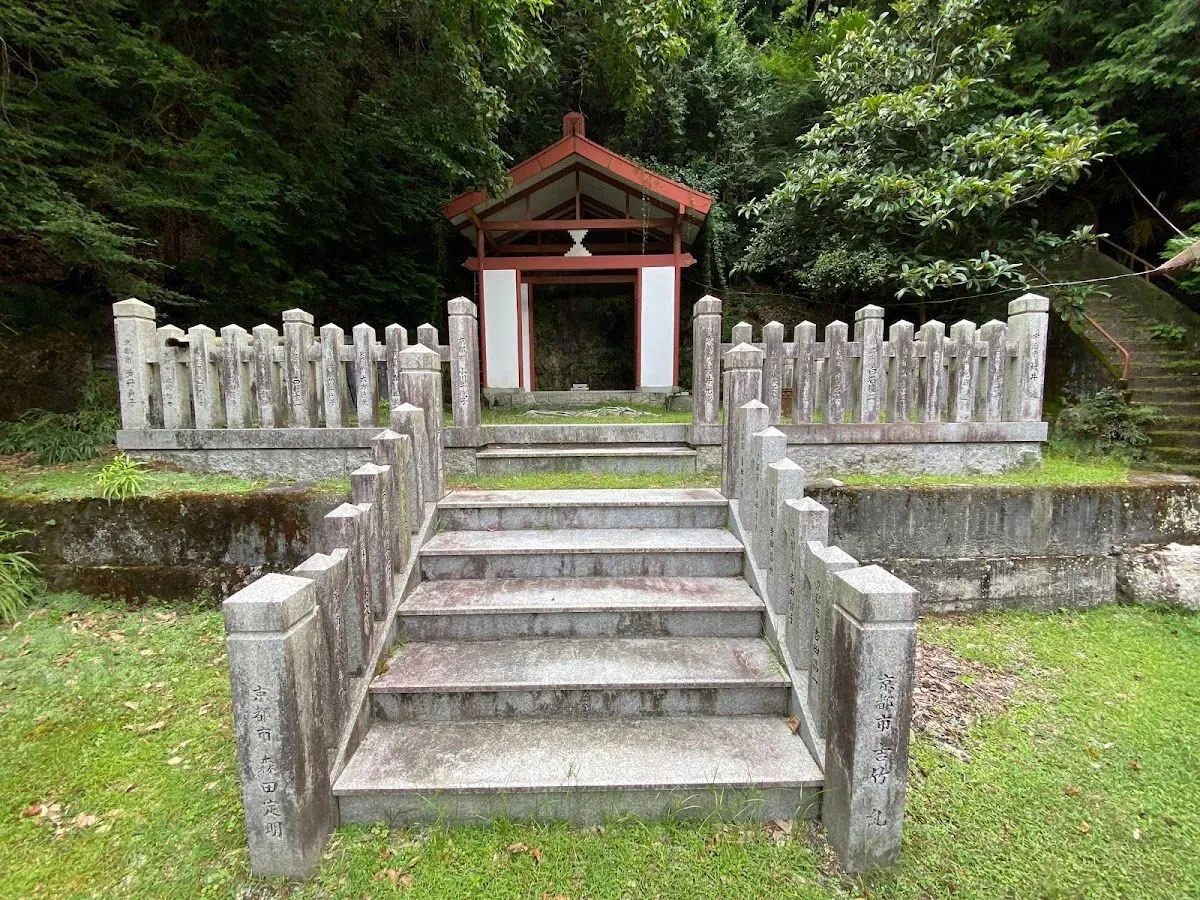
- Visitors must distinguish Eisen Kyo from the adjacent religious facility Fudo Onsen, which is located directly between Eisen Kyo's parking lot and its entrance. [source]
- The natural radioactive mineral spring contains 139.35 nanoCuries of radon and holds an official medicinal water permit from Kyoto Prefecture (Permit No. 373). [source]
- The communal public bathhouse contains indoor baths only, as outdoor rotenburo baths are restricted to private guest rooms and private rentals. [source]
- The mineral spring was discovered in 1954 by founder Tadamori Fujita on newly acquired mountain forest land, where locals traditionally drank and applied the water under the name Otasuke-mizu. [source]
Insider Tip
Book a private bath with a meal package in advance; it is the best way to enjoy the healing waters and traditional food stress-free.
Frequently asked
How do you reach Eisen Kyo using public transit?
Board Keihan Bus route 56 or 57 from Keihan Sanjo Station (approx. 20 minutes) or Kyoto Bus route 51 from Kyoto Station (approx. 40 minutes) heading towards Hieizan or Hieidaira. Get off at the Jizodani bus stop and walk approximately 30 meters back along the road.
Does the communal day-use bath include an outdoor bath?
No. The day-use communal public baths are indoor only. Outdoor open-air baths (rotenburo) are installed exclusively in the private overnight guest rooms and certain reservable private rooms, meaning walk-in day bathers do not have access to an outdoor communal tub.
Can you drink the radium onsen water?
Yes. A dedicated spring water station is available on the path leading to the bathhouse. The cold radium mineral spring holds an official drinking water license from Kyoto Prefecture, allowing guests to drink it freely on-site, and the ryokan uses it to cook all meals.
Can walk-in visitors order lunch or dinner on the day?
No. Walk-in day admission covers bathing only. Guests who want a meal with their onsen visit must reserve a specialized day-use kaiseki plan in advance, which pairs dining with four hours of private room or restaurant access.
Our Kyoto walking tours


On the same walk
Photos