Tadasu-no-Mori Forest
Good to know before you go
- Getting there
- Demachiyanagi Station · 10 min walk (Keihan Main Line, Keihan Ōtō Line, Eizan Main Line)
- Hours
- Rōmon Gate: 6:30–17:00; Kawai Shrine: 6:30–16:30; forest pathways open 24 hours
- Admission
- Free
- Time needed
- 30–45 min
- Best time to go
- Early to mid-December for autumn foliage, which peaks roughly two weeks later than elsewhere in Kyoto; or May during the Aoi Matsuri yabusame archery rites
Hours can change on holidays — check the official site before travelling.
About
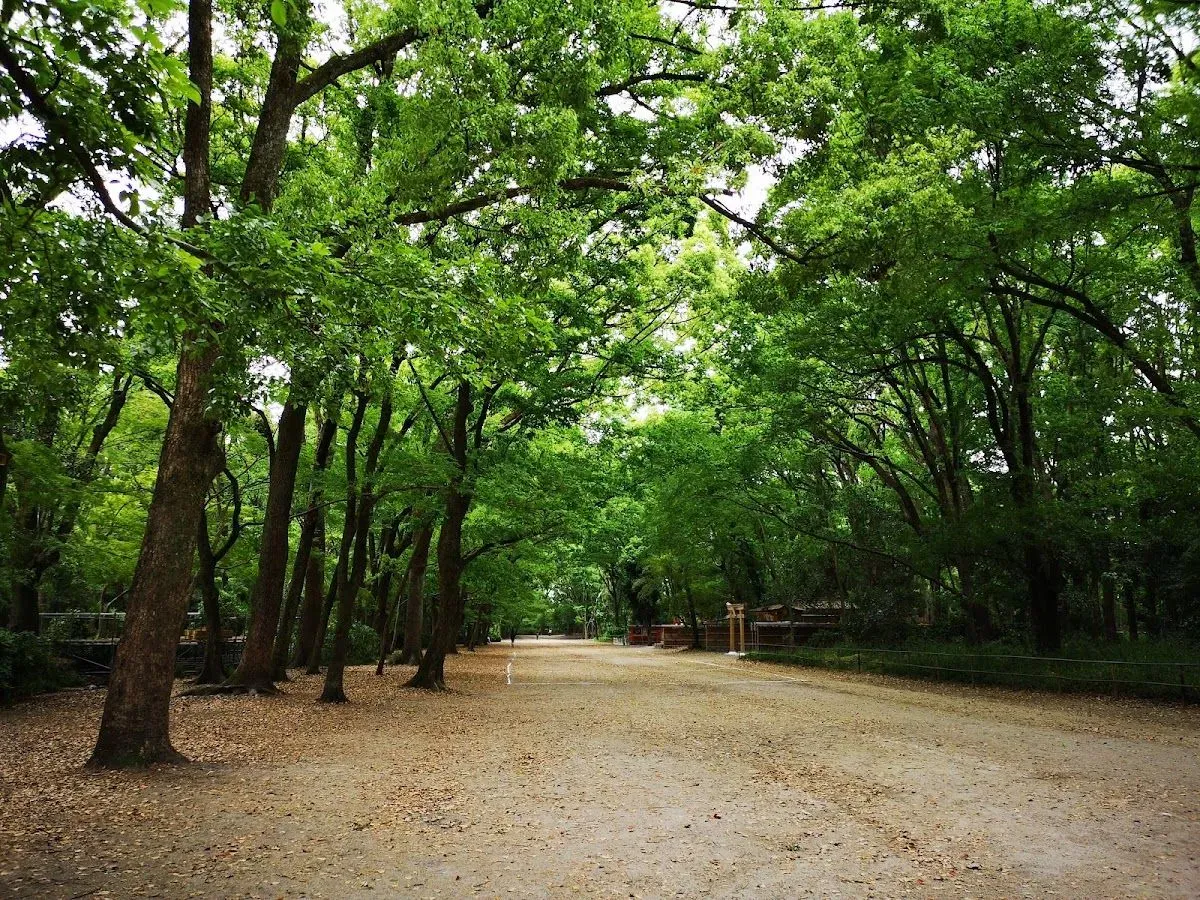
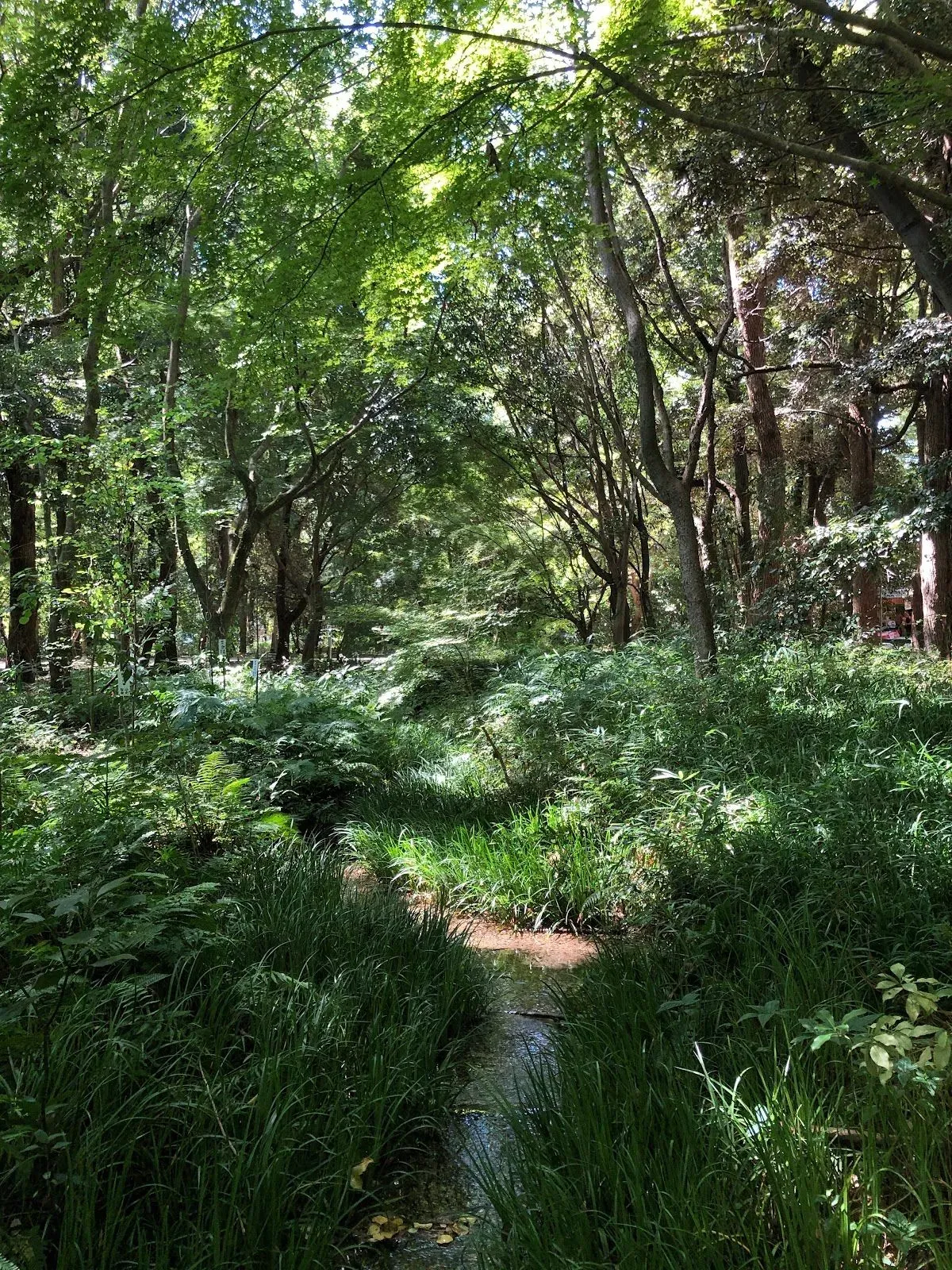
Tadasu-no-Mori is a rare, ancient primeval forest in the heart of Kyoto, serving as the sacred approach to the Shimogamo Shrine. Walking through its towering, centuries-old deciduous trees and along its clear, trickling streams offers a profound sense of spiritual serenity. It is a perfect, cool retreat from the city's concrete, ideal for those seeking Kyoto's deeper, mystical nature.
What Japanese guides note
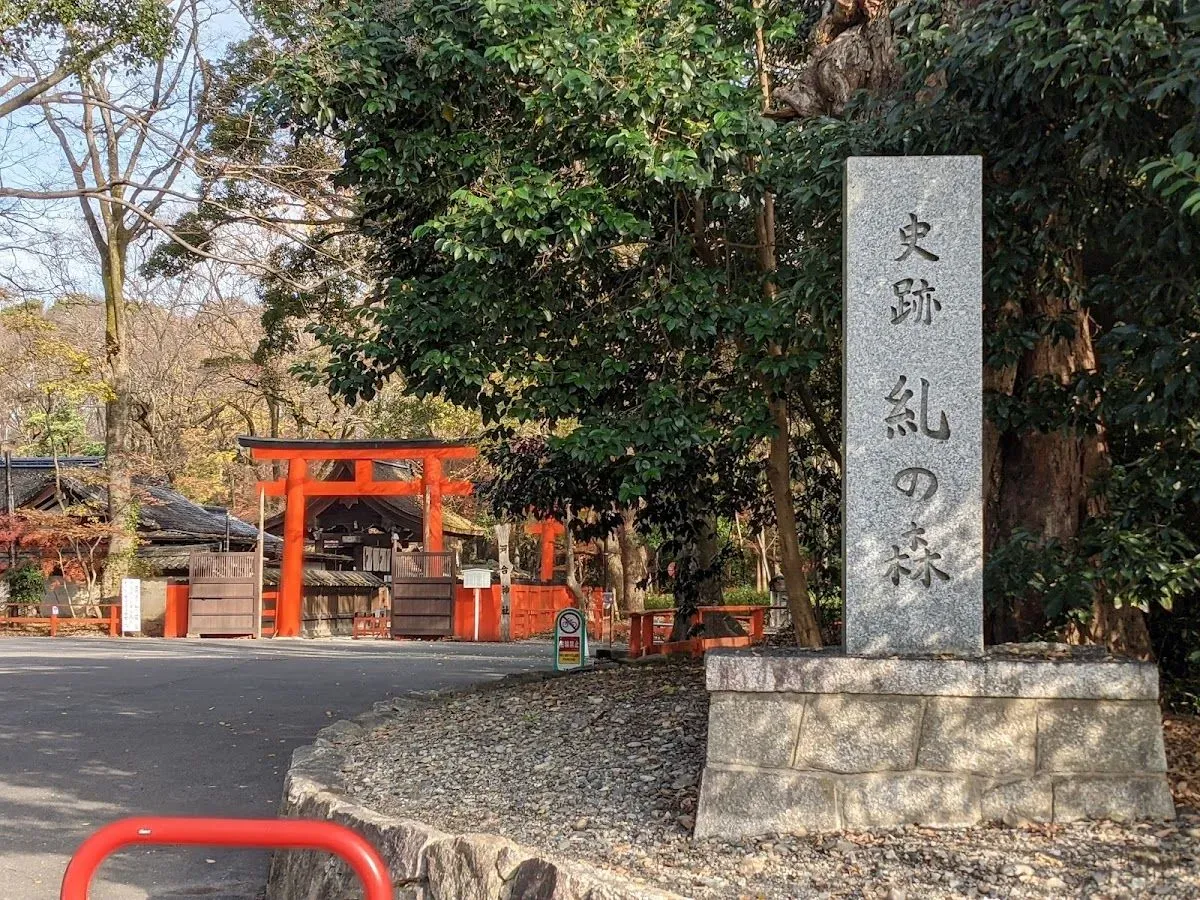
Visitors arriving from Demachiyanagi Station cross the Kamo River delta and enter Tadasu-no-Mori via its southern torii gate beside Kawai Shrine. The unpaved dirt and fine gravel trails remain shaded and cooler than surrounding urban streets, but dust can kick up in dry weather and mud can form after heavy rain. While the forested approach is unfenced and freely accessible around the clock, inner shrine buildings observe strict morning and late-afternoon gate times.
Details from local sources
- The woodland preserves the ancient deciduous river basin flora of the Yamashiro plain, retaining approximately 600 trees aged 200 to 600 years across elm-family species such as Japanese zelkova, Chinese hackberry, and muku trees. [source]
- During the Heian period the woodland spanned approximately 4.95 million square meters, but 70 percent burned in the Onin War on June 14, 1470, and Meiji-era land confiscations reduced it to roughly 124,000 square meters. [source]
- Four distinct streams thread through the forest grounds, named the Mitarashi, Izumi, Nara, and Semi. [source]
- Autumn foliage in Tadasu-no-Mori develops noticeably later than most sites in Kyoto, with colors peaking in early to mid-December. [source]
- Every August, the main approach through the forest hosts the Shimogamo Noryo Used Book Market, where regional antiquarian dealers display roughly 500,000 volumes. [source]
Insider Tip
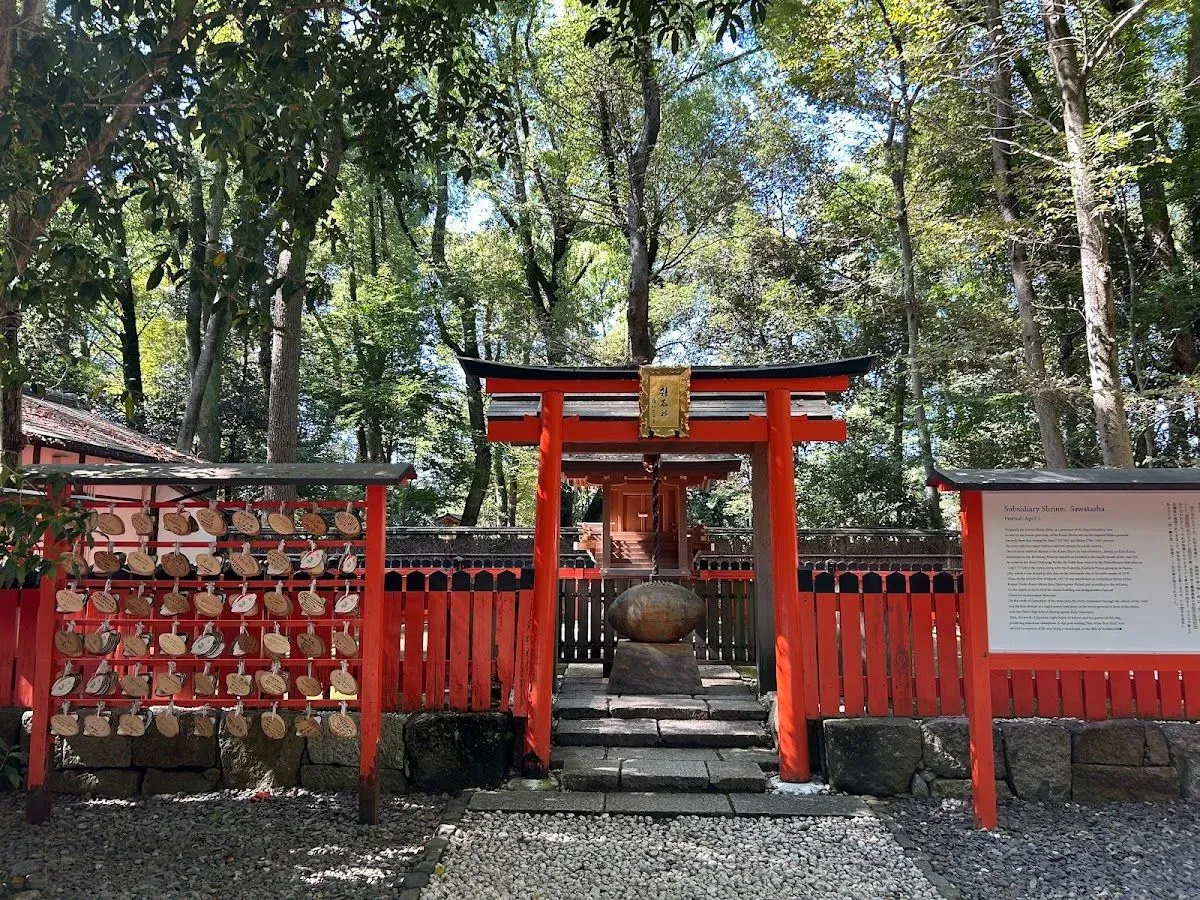
Visit in the late afternoon to see the sun filter through the canopy, and look for the small Kawai Shrine nearby, famous for beauty rituals.
Frequently asked
Can visitors walk through Tadasu-no-Mori outside normal shrine opening hours?
The forest pathways outside the gated compound have no barriers and are accessible free of charge around the clock. However, the inner sanctuary inside the Romon Gate opens at 6:30 and closes at 17:00, while Kawai Shrine closes at 16:30.
What makes the flora in Tadasu-no-Mori distinct from other shrine groves?
Unlike most sacred groves in Japan that consist of planted cedar or cypress evergreens, Tadasu-no-Mori preserves the ancient wild floodplain ecosystem of the Yamashiro basin. It is dominated by deciduous broadleaf elm-family species, including roughly 600 old-growth trees between two and six centuries old.
When do autumn leaves change color in Tadasu-no-Mori?
Because of the sheltered microclimate created by the dense broadleaf canopy and surrounding waterways, autumn foliage in Tadasu-no-Mori peaks exceptionally late. While most Kyoto sites turn red in mid- to late November, colors here usually reach their height from early to mid-December.
Our Kyoto walking tours


Photos