Kasugataisha Shrine
Good to know before you go
- Getting there
- Kintetsu-Nara Station · 25 min walk (Kintetsu Nara Line)
- Hours
- Mar–Oct 6:30–17:30, Nov–Feb 7:00–17:00 (Special Main Sanctuary viewing 9:00–16:00)
- Admission
- Free (precincts); ¥700 (Special Main Sanctuary viewing)
- Time needed
- 45–90 min
- Best time to go
- Late April to early May when the ancient Sunazuri-no-Fuji wisteria flowers, or 8:50 AM daily for the public morning prayer service.
Hours can change on holidays — check the official site before travelling.
About
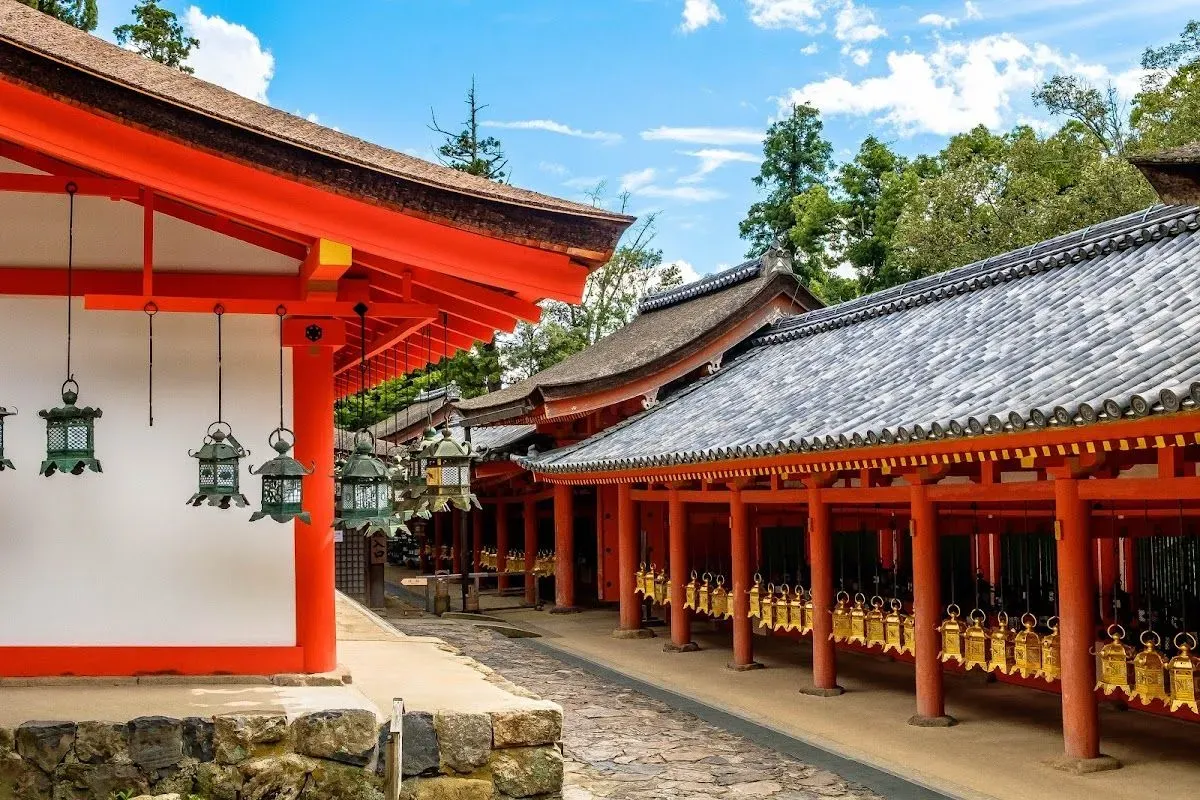
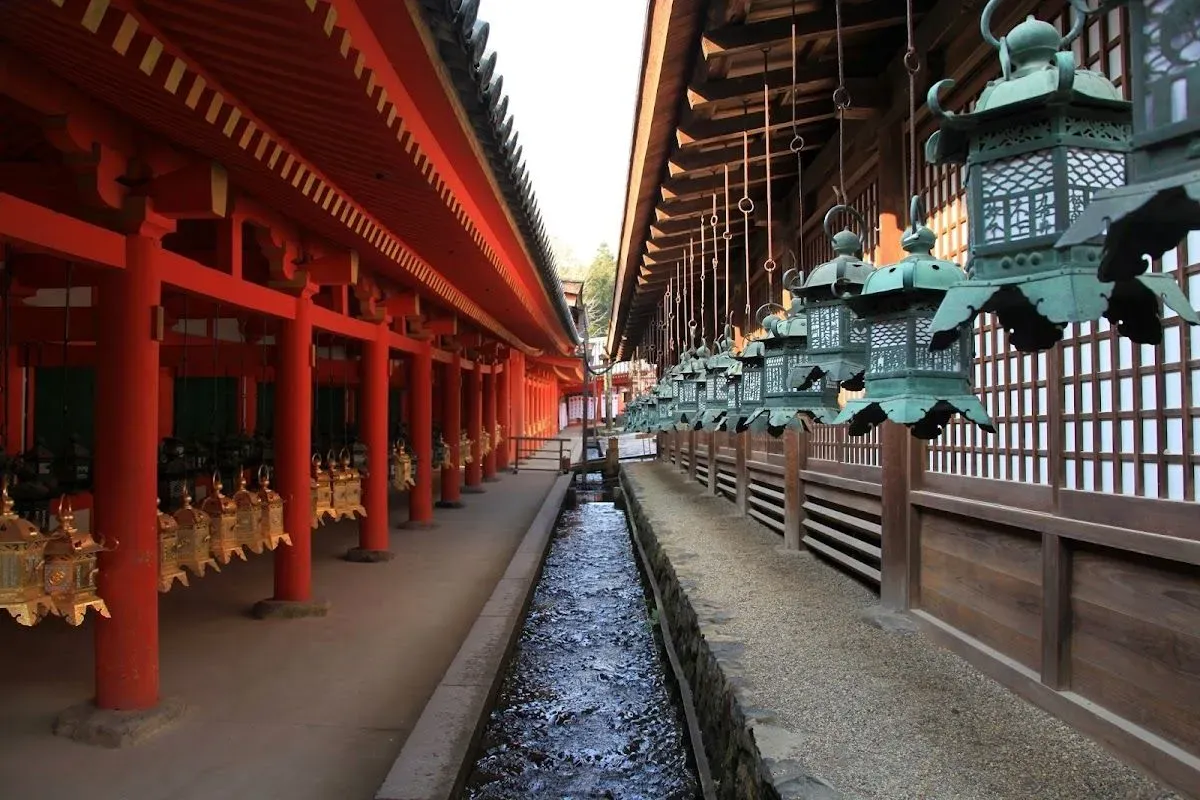
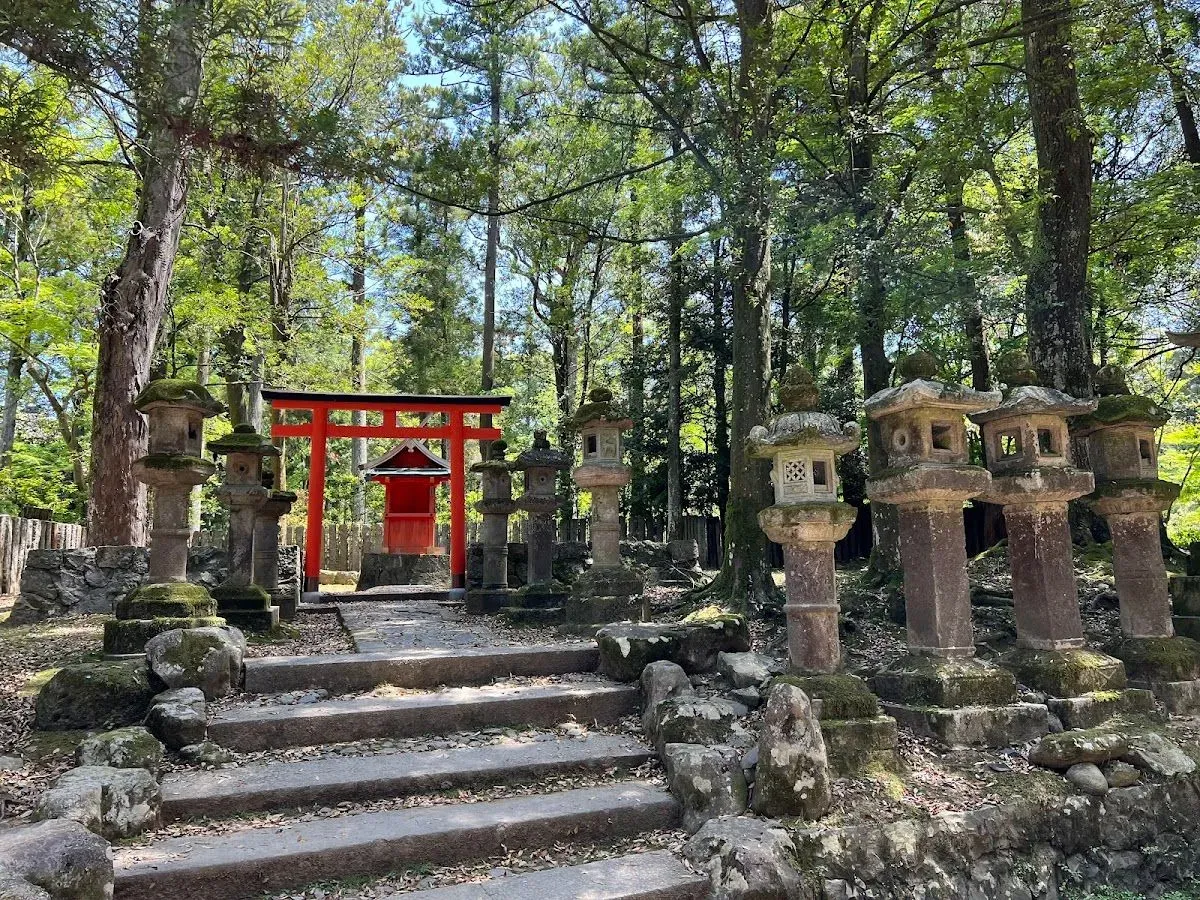
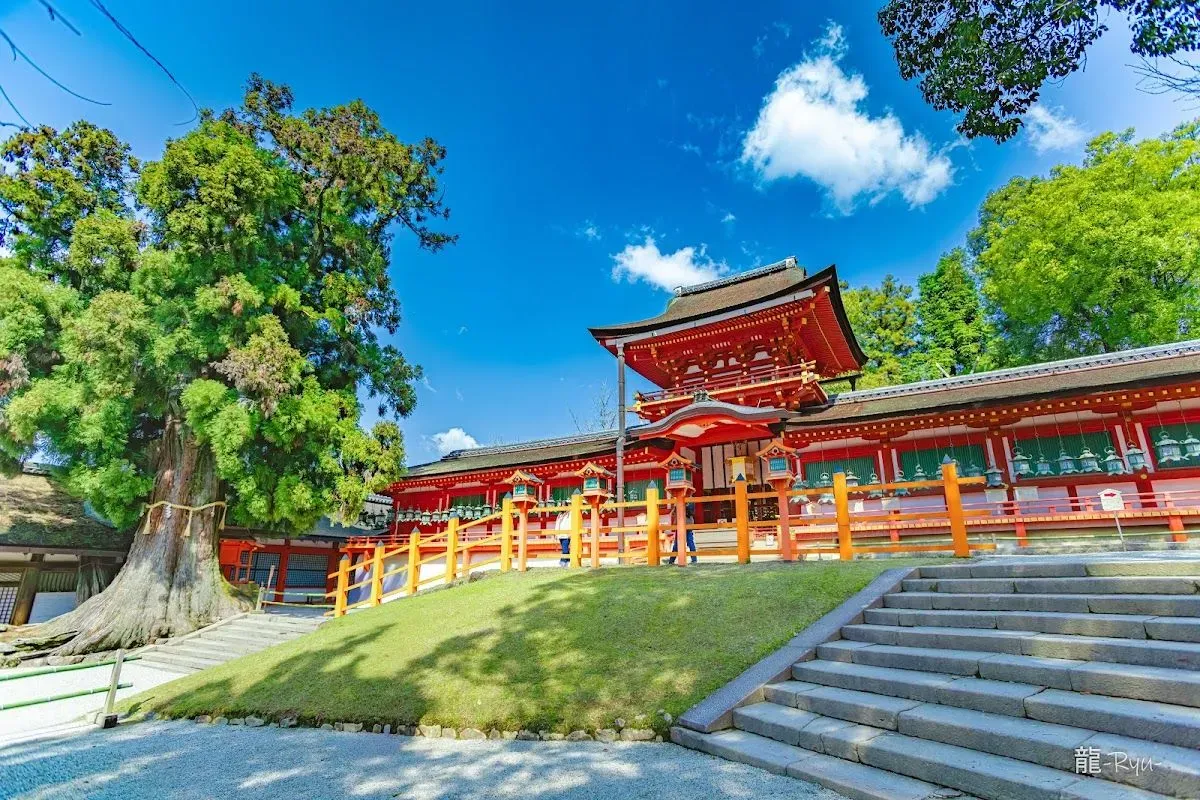
Established in 768 AD, Kasugataisha is Nara's most celebrated Shinto shrine, famous for its striking vermilion-colored columns and thousands of stone and bronze lanterns. Walking up the forested path, you will be greeted by free-roaming sacred deer and a sense of ancient mystique. It offers a deeply atmospheric experience, especially during lantern-lighting festivals or when exploring the moss-covered stone paths of the outer grounds.
What Japanese guides note
Kasugataisha serves as the head shrine for roughly 3,000 Kasuga shrines across Japan and directly abuts the Kasugayama Primeval Forest, where tree-felling has been prohibited by imperial decree since 841. While casual visitors pray only at the outer worship area, purchasing special inner sanctuary admission (特別参拝) gives access to the cloister corridors, the Chūmon gate facing the four national treasure sanctuaries, and the Fujinami-no-ya lantern room. The gravel approach from the first torii gate requires a 20-to-30-minute walk through the park, though local buses run directly to the precinct gate.
Details from local sources
- Visitors can join the shrine's daily morning prayer ritual, Chōhai, for free by gathering at the Naoraiden hall beside the worship station at 8:50 AM. [source]
- Over 60 percent of all surviving stone and hanging bronze lanterns in Japan dating from before the Muromachi period are preserved at Kasugataisha. [source]
- The Fujinami-no-ya hall in the north cloister keeps dozens of bronze hanging lanterns lit inside a darkened interior so visitors can view the Mantōrō festival lighting year-round. [source]
- Meoto Daikokusha, an auxiliary shrine on the grounds, is the only shrine in Japan enshrining the married deities Ōkuninushi and Suseribime together, where worshippers dedicate wooden rice scoops instead of votive tablets. [source]
Insider Tip
Visit in the early morning to beat the crowds and see the sun filtering through the forest, casting beautiful light on the stone lanterns.
Frequently asked
How do visitors reach Kasugataisha from Nara train stations?
Nara Kotsu buses run from both JR Nara Station and Kintetsu-Nara Station directly to the Kasugataisha Honden bus stop in 11 to 15 minutes. Alternatively, take the city loop bus to Kasugataisha Omotesando followed by a 10-minute walk along the lantern-lined path, or walk from Kintetsu-Nara Station in 25 minutes.
Is an admission ticket required to visit Kasugataisha?
Access to the main shrine grounds and the outer worship counter is free. Entry to the inner sanctuary precinct for special worship (御本殿特別参拝) costs ¥700, which provides access inside the cloisters up to the Chūmon gate and allows entry into the illuminated Fujinami-no-ya lantern hall.
Can visitors see the lanterns lit outside festival dates?
All 3,000 lanterns on the grounds are lit only during the Setsubun Mantōrō in February and the Chūgen Mantōrō on August 14 and 15. Year-round, visitors who purchase special sanctuary entry can see dozens of lit hanging bronze lanterns recreated in the darkened Fujinami-no-ya hall.
Our Nara walking tours

On the same walk
Photos