Nara National Museum Nara Buddhist Sculpture Hall
Good to know before you go
- Getting there
- Kintetsu-Nara Station · 15 min walk (Kintetsu Nara Line)
- Hours
- 9:30–17:00 (last entry 16:30); closed Mondays (or following weekday if Monday is a holiday) and Dec 28–Jan 1
- Admission
- ¥700 (adults), ¥350 (university students), free for ages 18 and under and seniors 70+
- Time needed
- 45–60 min
- Best time to go
- Weekday mornings right after the 9:30 opening, avoiding midday tour groups and crowds visiting adjacent Nara Park temples
Hours can change on holidays — check the official site before travelling.
About
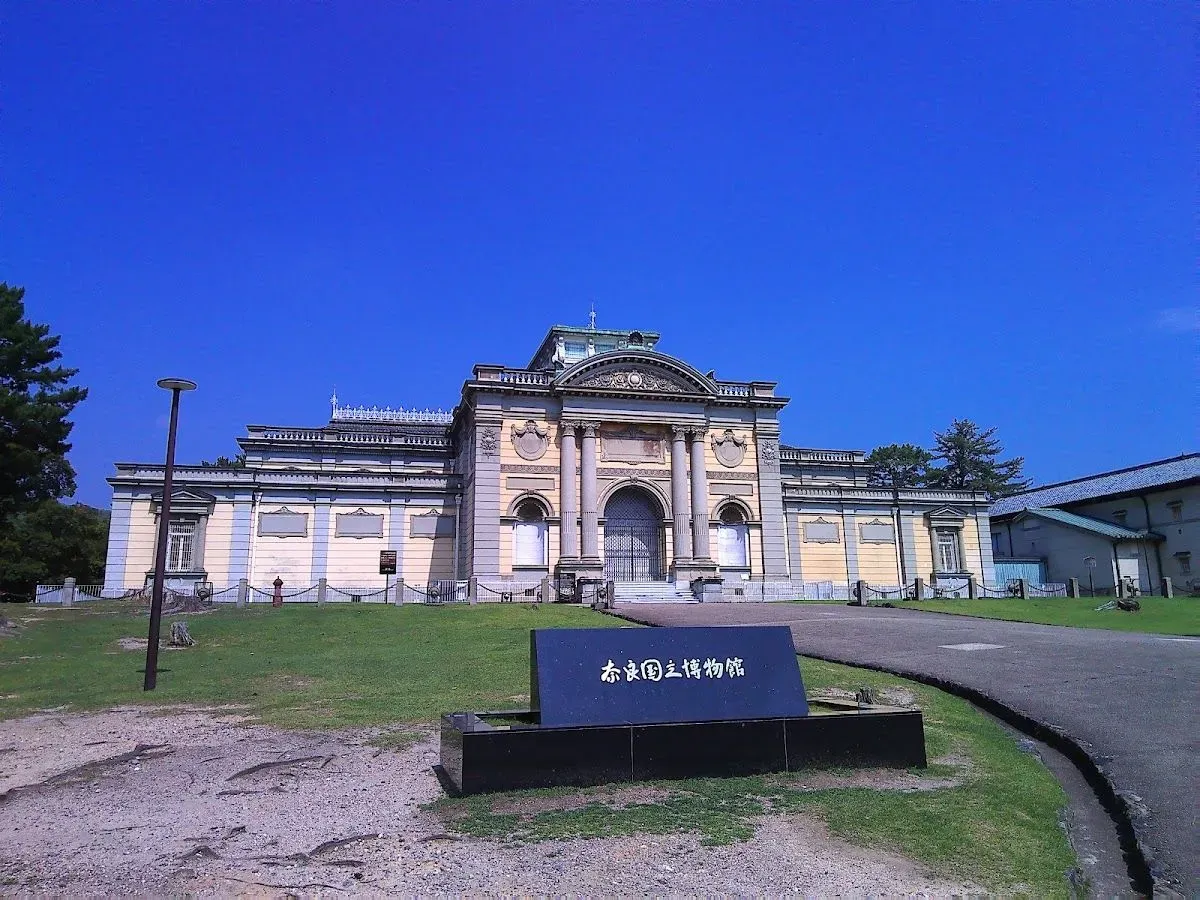
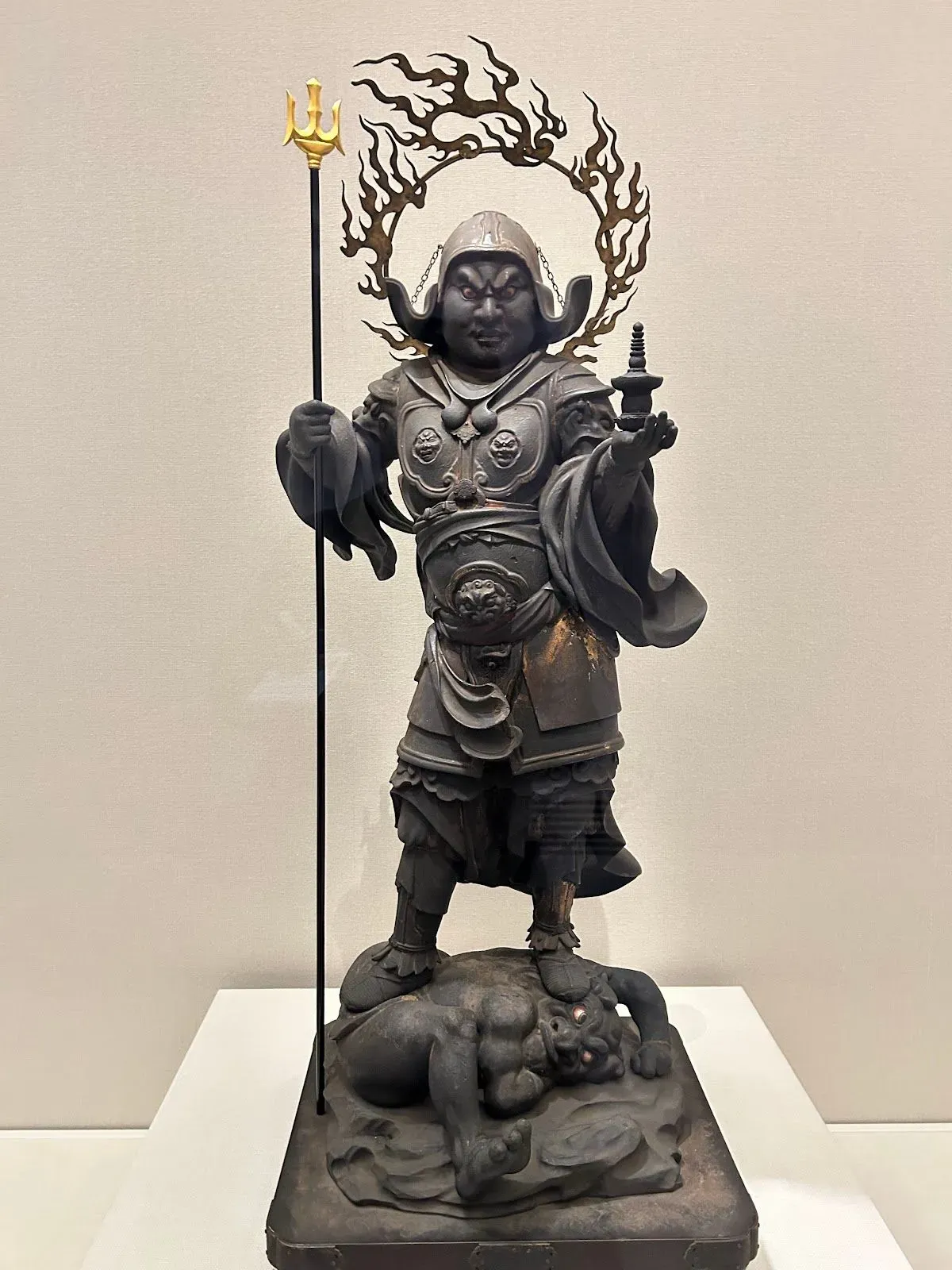
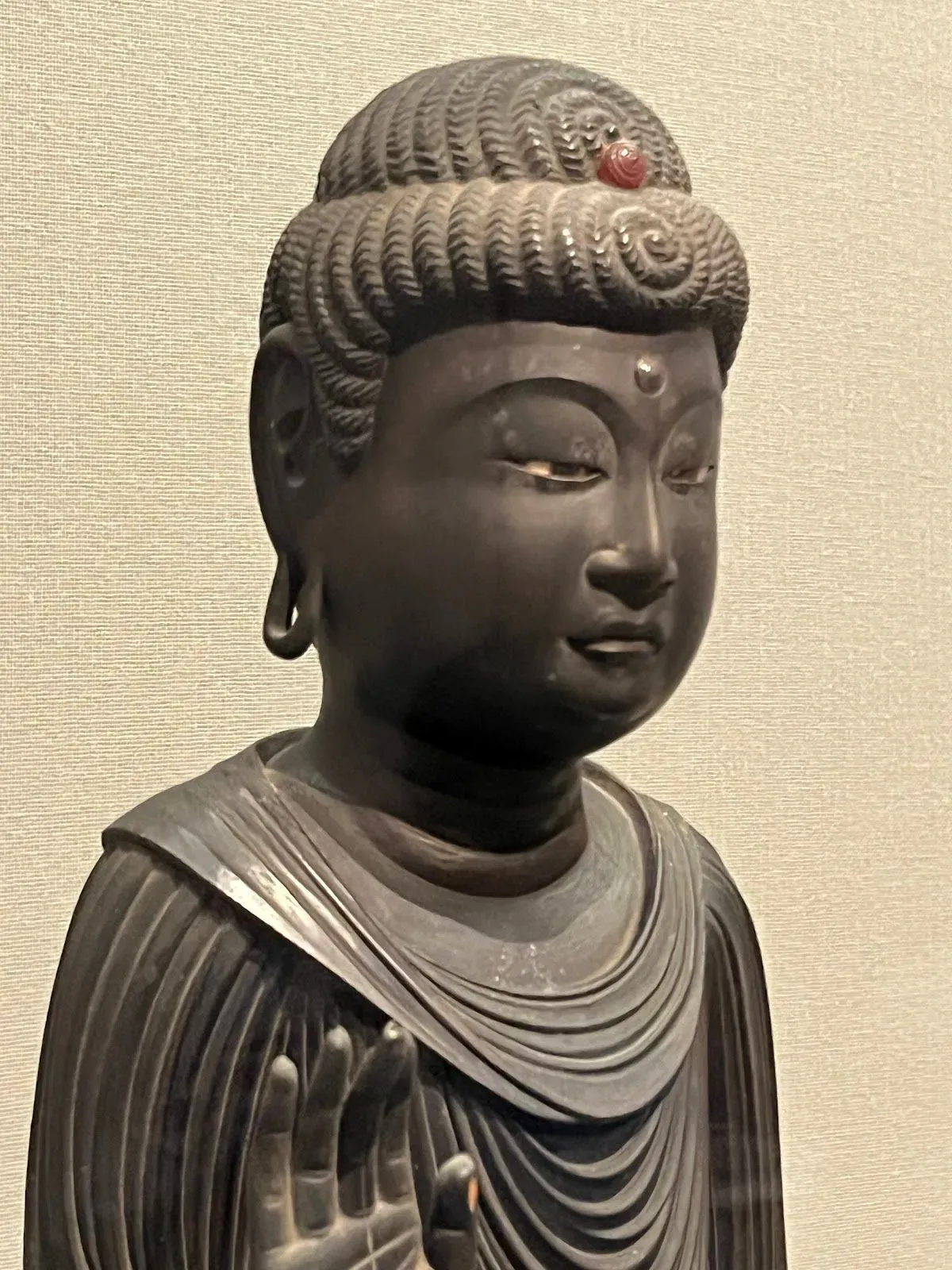
Housed in a magnificent Meiji-era Western-style building, this hall showcases one of Japan's finest collections of Buddhist statues from the Asuka to Kamakura periods. It offers a rare, close-up look at masterpieces of wood and bronze sculpture, complete with excellent English explanations. Expect a serene, contemplative atmosphere that beautifully complements the nearby temples of Nara Park.
What Japanese guides note
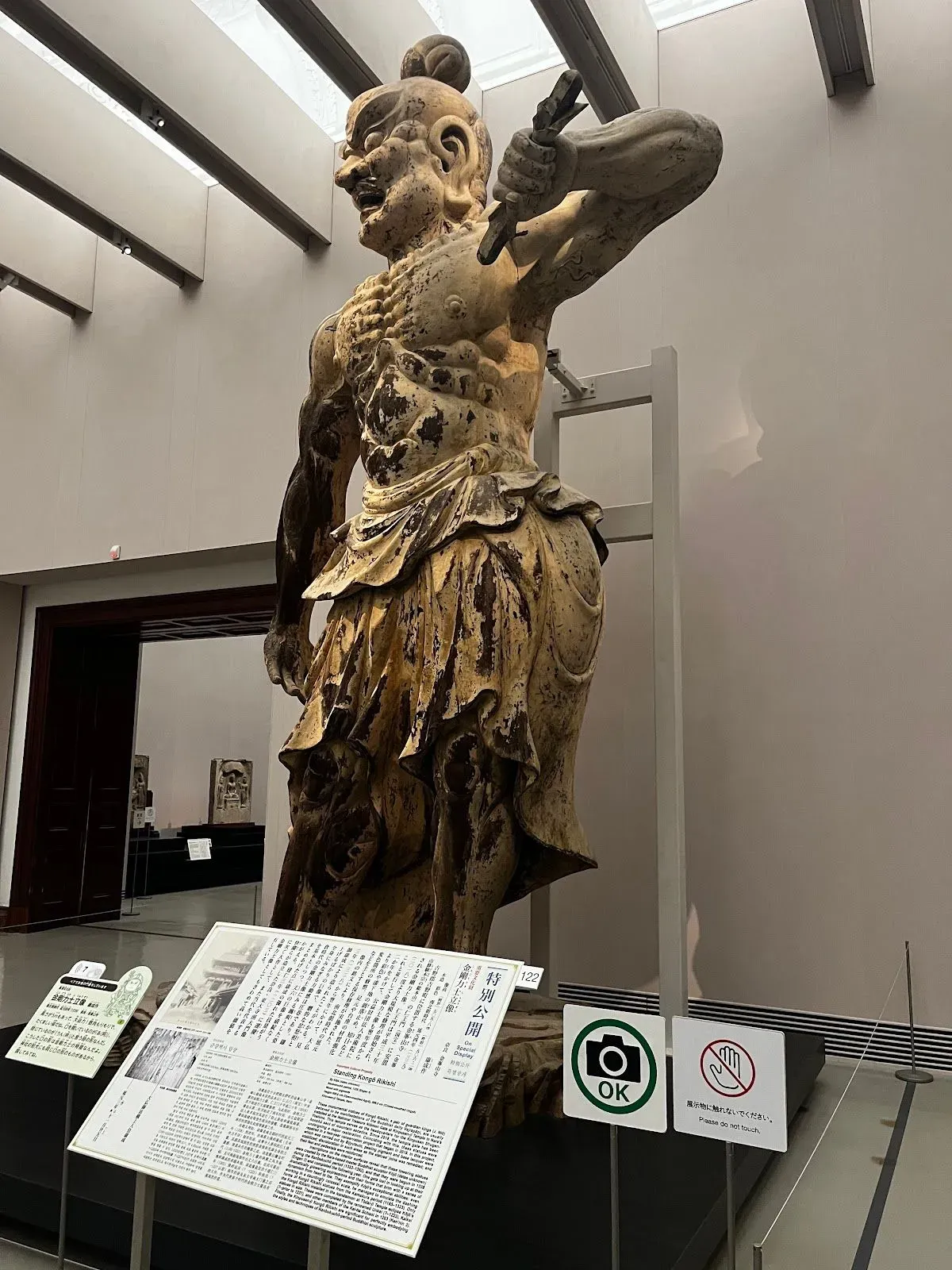
The hall sits directly inside Nara Park between Kōfuku-ji and Tōdai-ji, but operates as an independent national museum requiring its own separate ticket. Unlike dimly lit temple halls where statues are observed from behind altar railings, this facility displays sculptures in free-standing vitrines that allow 360-degree inspection of chisel marks, joinery, and back drapery. General gallery rules prohibit eating and drinking outside the underground concourse, and photography is limited strictly to pieces bearing green camera-permitted notices.
Details from local sources
- Completed in December 1894 and opened in 1895 as the Main Hall of the Imperial Nara Museum, the building was designed by Katayama Tokuma as Nara's first Western-style structure in French Renaissance style. [source]
- The hall maintains a rotating permanent exhibition titled 'Masterpieces of Buddhist Sculpture' featuring approximately 100 Buddhist statues spanning from the Asuka through Kamakura periods. [source]
- The hall is scheduled for a full closure from September 14, 2026 until approximately spring 2028 to carry out extensive renovation works. [source]
- A covered corridor links the Buddhist Sculpture Hall to the Ritual Bronzes Gallery, which displays ancient Chinese bronze works donated by collector Goro Sakamoto. [source]
- The underground concourse linking the historic sculpture hall to the East and West New Wings operates as a free-entry zone housing the museum shop, restaurant, and educational gallery. [source]
Insider Tip
Buy a joint ticket to see both this historic hall and the modern East Wing exhibits, and use the underground passage to move between them.
Frequently asked
Can visitors take photographs inside the Buddhist Sculpture Hall?
Photography is strictly limited inside the galleries. Works on loan from temples and private collections cannot be photographed. Visitors may only photograph museum-owned exhibits marked with an approved camera symbol, provided that flash, tripods, and selfie sticks are not used.
Is entry included with tickets to Tōdai-ji or Kōfuku-ji?
No. The Nara Buddhist Sculpture Hall belongs to the Nara National Museum and requires separate admission. A standard permanent collection ticket costs ¥700 for adults and ¥350 for university students. Entry is free for children aged 18 and under as well as adults aged 70 and over.
How do you reach the hall from nearby train stations?
From Kintetsu-Nara Station, walk east along Noboriōji Street for approximately 15 minutes. Alternatively, take the Nara Kotsu City Loop bus (outer loop) from JR Nara Station or Kintetsu-Nara Station and get off at the Himuro Jinja / Kokuritsu Hakubutsukan bus stop right outside.
Is the Buddhist Sculpture Hall open year-round?
The hall follows regular museum hours Tuesday to Sunday, closing on Mondays and over New Year. However, the building will be closed for a major seismic renovation project from September 14, 2026 until around spring 2028. Special exhibitions in the adjoining New Wings will remain open.
Our Nara walking tours

On the same walk
Photos