Nara Park
Good to know before you go
- Getting there
- Kintetsu-Nara Station · 5 min walk (Kintetsu Nara Line)
- Hours
- Open 24 hours
- Admission
- Free
- Time needed
- 2–4 hours
- Best time to go
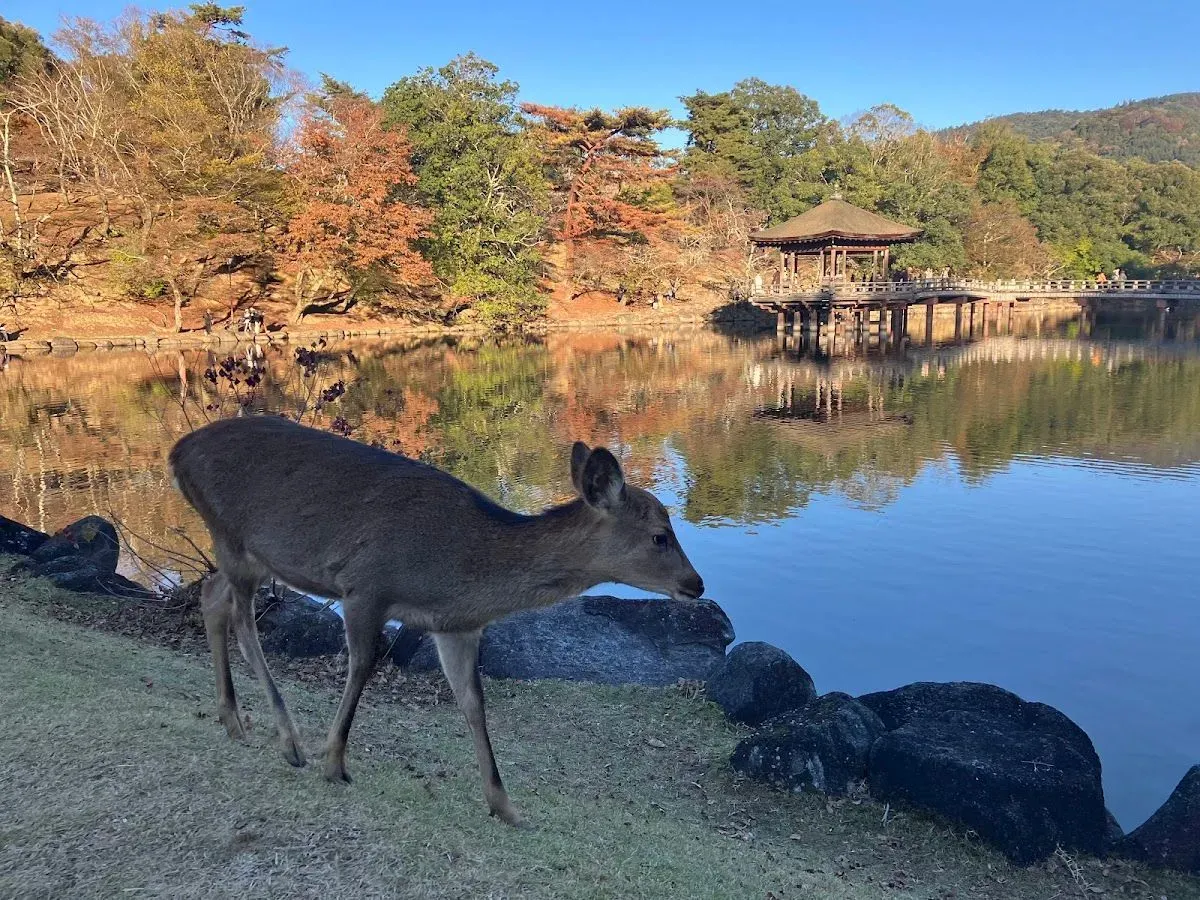
- Early morning year-round, when the deer actively forage across open lawns before daytime crowds arrive
Hours can change on holidays — check the official site before travelling.
About
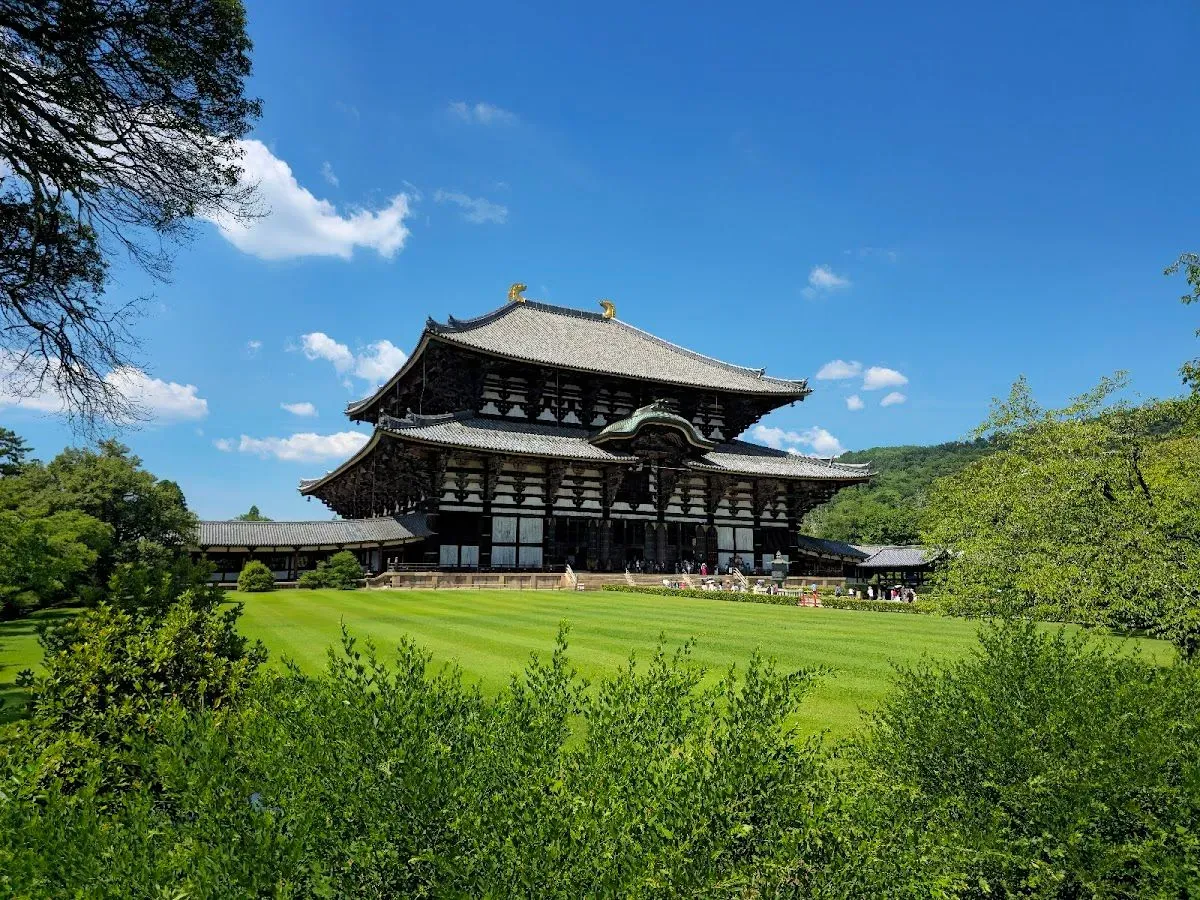
Nara Park is a vast, scenic public park famous for its hundreds of freely roaming, bowing sika deer, considered sacred messengers of the Shinto gods. Beyond the wildlife, the park serves as the gateway to some of Japan's most monumental cultural treasures, including the giant Buddha at Todai-ji Temple and the lantern-lit Kasuga Taisha Shrine. It is an unmissable blend of natural beauty, ancient history, and interactive wildlife.
What Japanese guides note
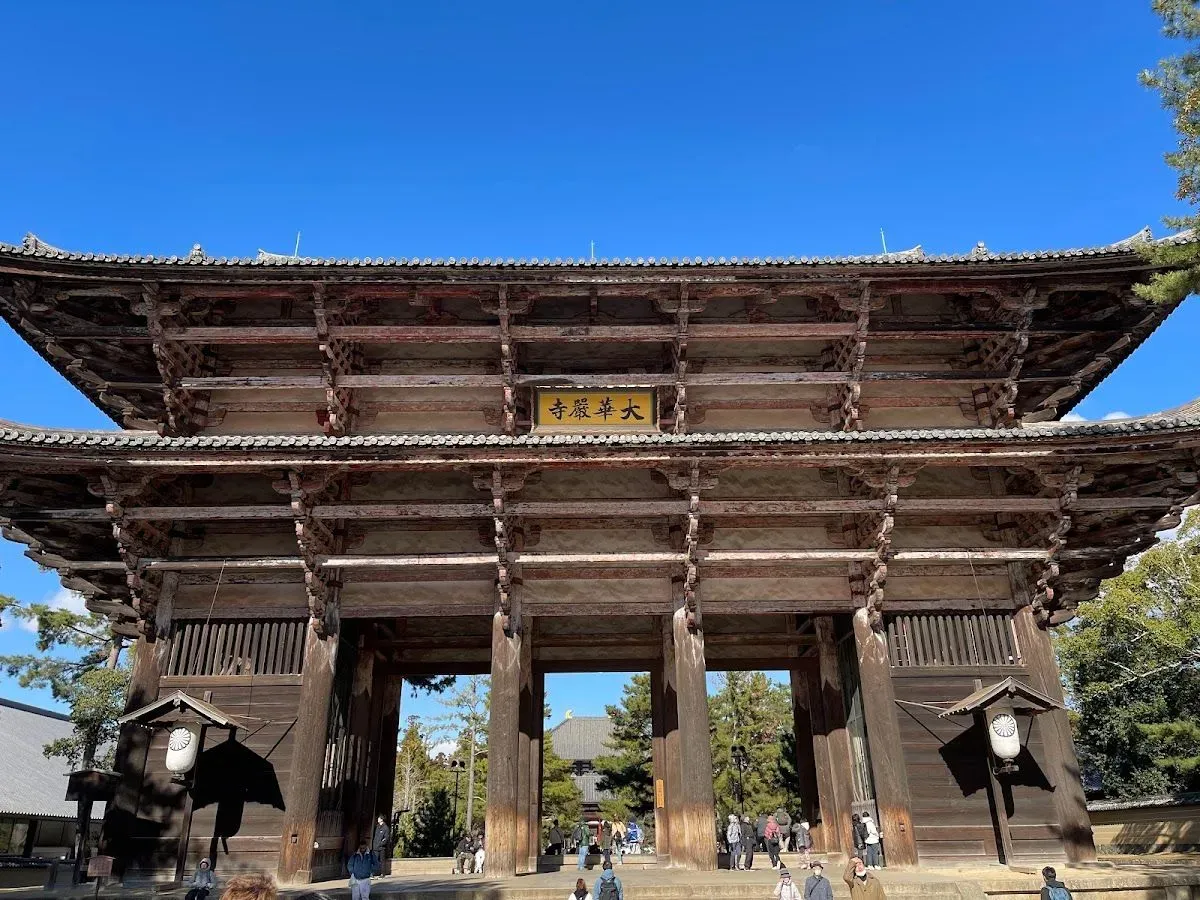
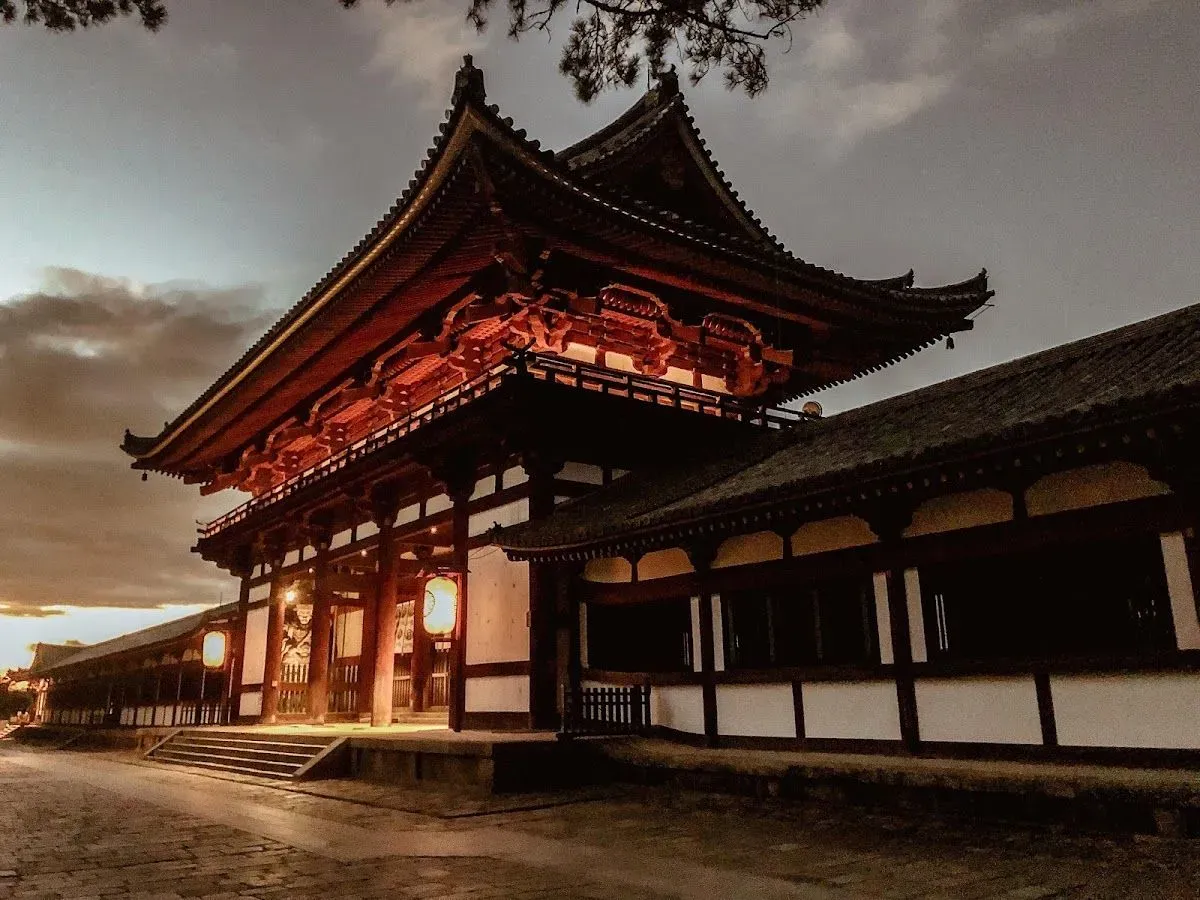
Nara Park has no perimeter fences or entry gates, meaning its grounds are accessible without fee at any hour. The deer are legally wild rather than domesticated, so visitors should not withhold crackers to force bowing poses, especially during the autumn rut or spring fawning when deer are more prone to kicking or head-butting. The standard walking route proceeds east from Kintetsu-Nara Station through Kofuku-ji and Todai-ji before looping south past the Ukimido pavilion and Kasuga Taisha.
Details from local sources
- Genomic research confirms that the sika deer of Nara Park possess an isolated ancestral DNA lineage that has survived intact for over 1,000 years, distinct from wild deer populations in surrounding areas. [source]
- Revenue generated from the official paper inspection bands bundling deer crackers is paid directly to the Nara Deer Preservation Foundation to fund medical care and rescue operations. [source]
- Under Japanese law, Nara's deer are wild animals with no legal owner (res nullius) designated collectively as a national Natural Monument, rather than captive livestock. [source]
- Sarusawa Pond was constructed in 749 as a ritual fish-release pool and maintains a steady water level despite having no surface rivers flowing in or out. [source]
Insider Tip
Bow to the deer before feeding them a shika senbei (cracker) and they will often bow back, but hide extra crackers to avoid being mobbed!
Frequently asked
Can visitors feed outside snacks or bread to the deer?
No. Feeding deer bread, human snacks, or food scraps is strictly prohibited because it causes severe dental disease and potentially fatal digestive poisoning. Park deer feed naturally on grass and acorns; only licensed shika senbei crackers made of wheat flour and rice bran may be offered.
Are the deer in Nara Park owned or kept by caretakers?
No. The deer are completely wild animals with no legal owner, protected under Japan's cultural property laws as a national Natural Monument. Although the non-profit Nara Deer Preservation Foundation monitors their welfare and shelters sick or injured individuals, the deer are not fenced or fed on a domestic schedule.
Why are there no public garbage bins in Nara Park?
Trash receptacles were removed throughout the park to prevent free-roaming deer from eating plastic wrappings, paper bags, and discarded refuse, which can cause lethal intestinal blockages. Visitors are required to pack out all waste and keep paper maps and tickets safely zipped inside bags.
Our Nara walking tours

Photos