Naramachi
Good to know before you go
- Getting there
- Kintetsu-Nara Station · 8 min walk (Kintetsu Nara Line, Kintetsu Kyoto Line)
- Admission
- Free
- Time needed
- 2–3 hours
- Best time to go
- Wednesday through Sunday between 11:00 and 16:00 when preserved machiya houses and local shops are open, or mid-to-late August during the Naramachi Yūhō lantern festival.
About
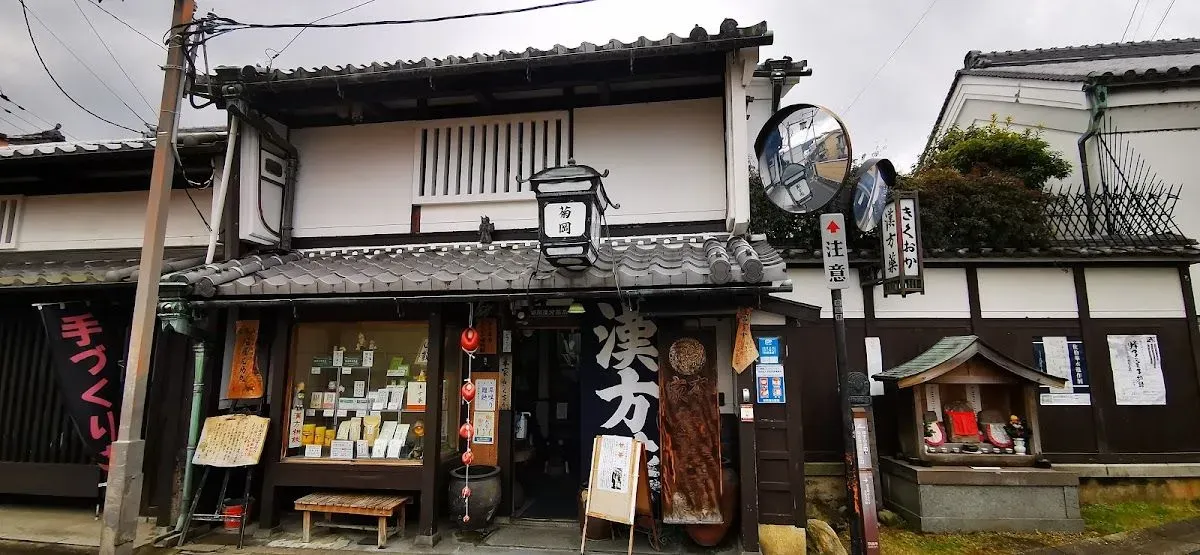
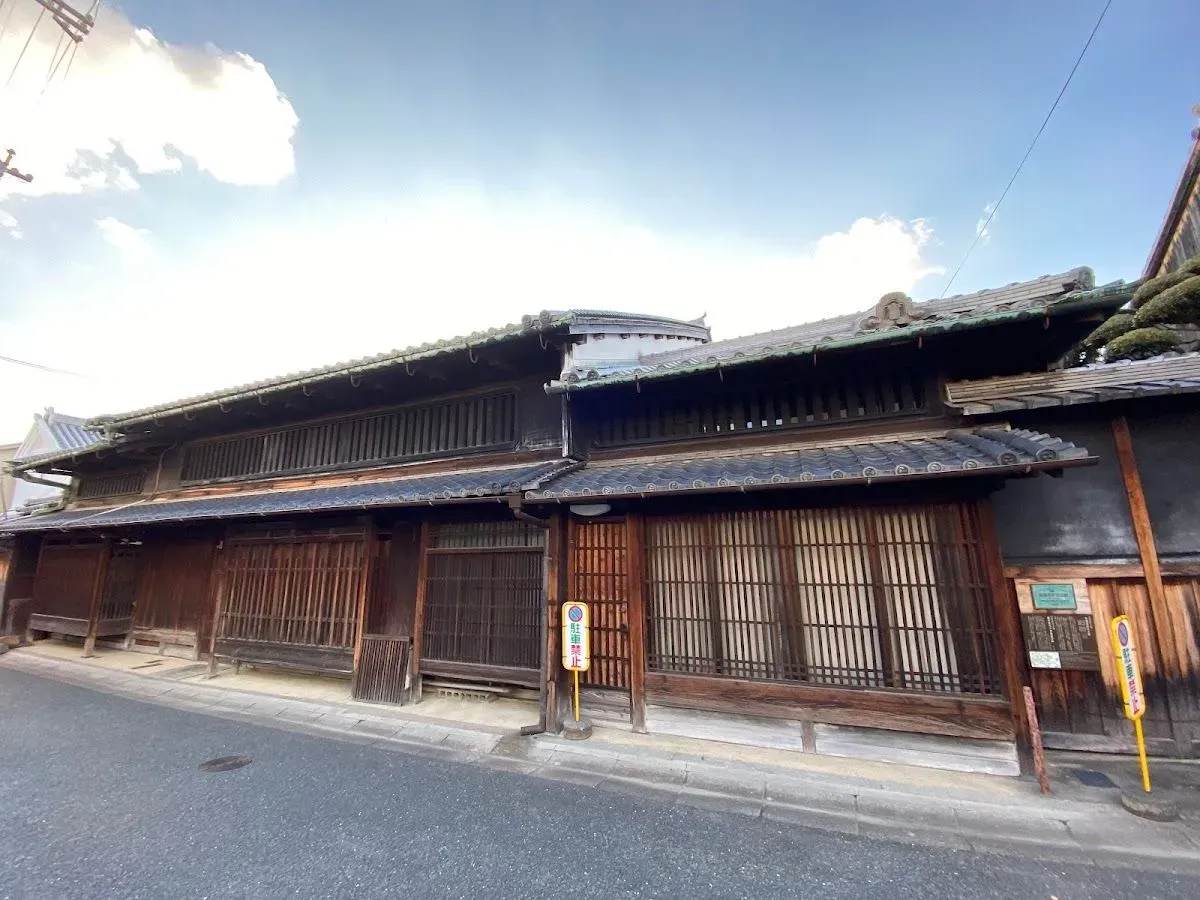
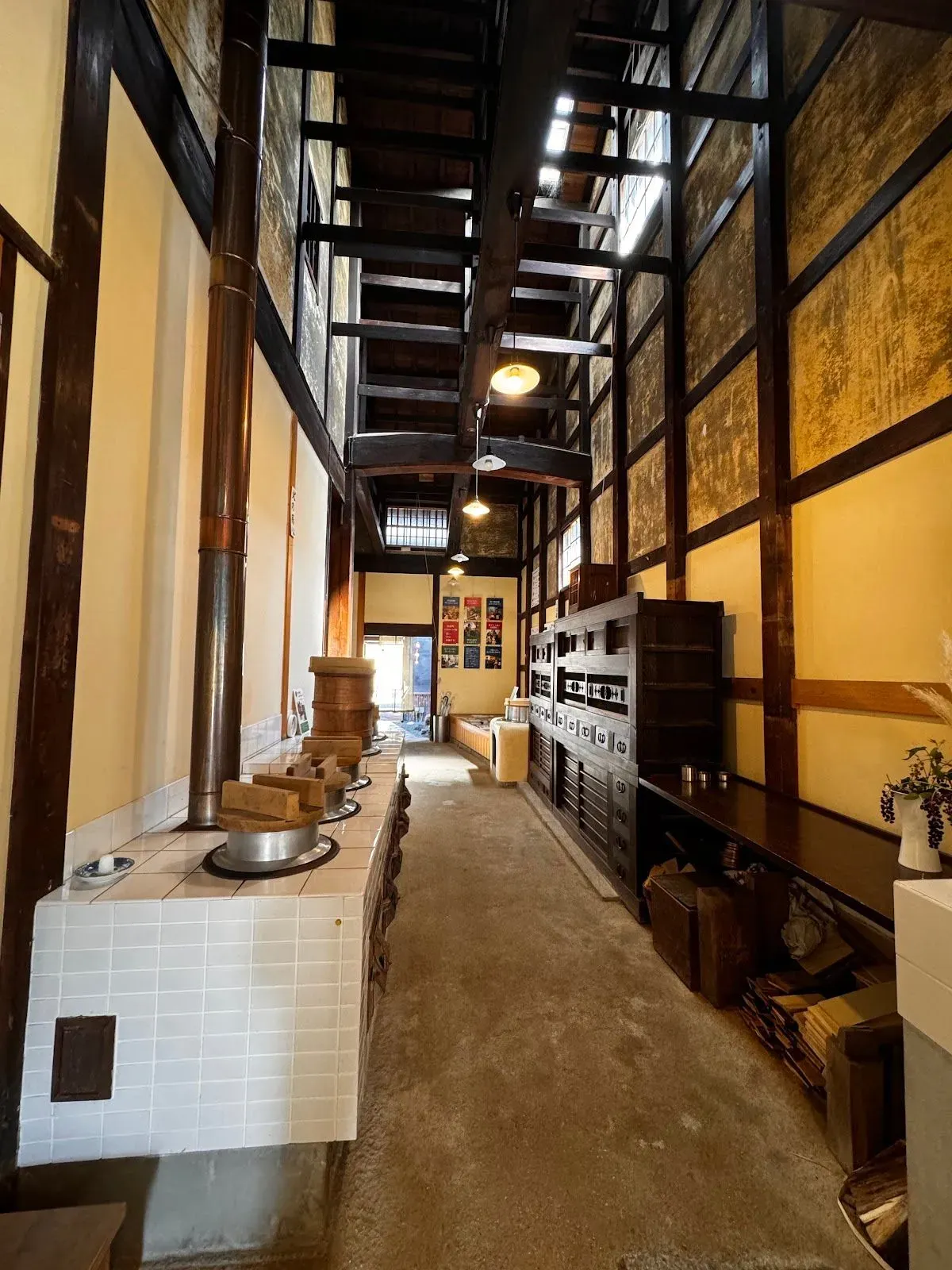
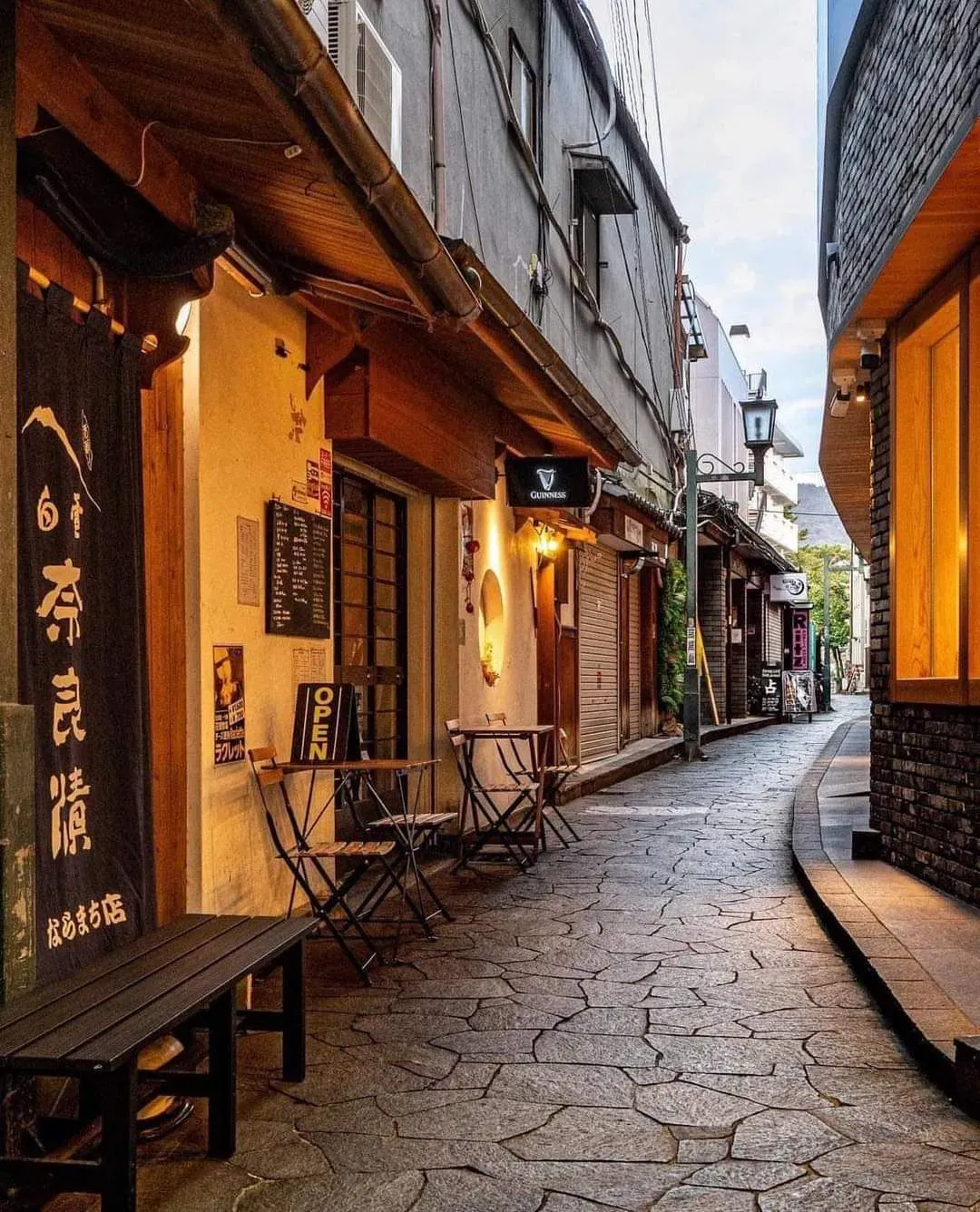
Naramachi is Nara's historic merchant district, where traditional 19th-century wooden machiya houses have been beautifully preserved and converted into chic boutiques, cafes, and craft shops. It offers a peaceful, atmospheric escape from the crowded temple areas, allowing you to wander narrow alleys and glimpse old-world Japan. Expect to find hidden shrines, traditional sake breweries, and unique museums dedicated to local folklore.
What Japanese guides note
Naramachi is an active residential quarter rather than an open-air museum, so visitors should maintain low noise levels in the narrow alleys and refrain from entering private residential entryways or touching household charms. Restored public machiya such as Naramachi Kōshi-no-Ie and Nigiwai-no-Ie, along with most independent shops, close between 16:00 and 17:00, with many closing entirely on Mondays. The stone-paved lanes lack sidewalk separation, so pedestrians must watch for passing local vehicles and bicycles.
Details from local sources
- Naramachi has no legal administrative boundary as an address and instead refers to the historic quarter centered on the former 49.3-hectare precincts of Gangō-ji temple. [source]
- The hanging red cloth monkeys seen under residential eaves are migawari-zaru, charms serving as messengers of Shōmen Kongō that protect families by taking misfortunes upon themselves. [source]
- Written in kanji, Nara-machi refers to the broader historic town encompassing Kitamachi, Takabatake, and Kyōbate, whereas the hiragana form specifically denotes the preservation district south of National Route 369. [source]
- Naramachi avoided major bombing raids during World War II because the city occupied a lower priority on Allied target lists, leaving its pre-modern street plan and merchant architecture intact. [source]
Insider Tip
Look for the red paper 'migawari-zaru' monkeys hanging from eaves; they are local charms meant to protect homes from bad luck.
Frequently asked
What is the difference between Naramachi in hiragana and kanji?
In local municipal and administrative classification, kanji 奈良町 encompasses the entire historic settlement, including the Kitamachi, Takabatake, and Kyōbate quarters. The hiragana spelling ならまち specifically designates the southern merchant neighborhood centered around the former grounds of Gangō-ji temple, preserved as an official Urban Landscape Preservation District.
What are the red hanging monkey dolls outside the houses?
They are migawari-zaru (substitute monkeys), protective folk talismans tied to the local Kōshin-dō shrine. Representing the messenger of the deity Shōmen Kongō, each doll symbolically absorbs misfortune on behalf of family members. They hang outside doorways across the district and can be bought at the Naramachi Shiryōkan museum.
How much time is required to explore Naramachi?
A basic walk through the alleys takes roughly one hour, but touring restored machiya interiors, visiting Gangō-ji temple, and browsing craft shops or cafes takes two to three hours. The district begins immediately south of Sarusawa Pond, an 8- to 10-minute walk south from Kintetsu-Nara Station.
Our Nara walking tours

On the same walk
Photos