The Museum Yamato Bunkakan
Good to know before you go
- Getting there
- Gakuen-mae Station · 7 min walk (Kintetsu Nara Line)
- Hours
- 10:00–17:00 (last admission 16:30)
- Admission
- ¥630 (adults), ¥420 (high school and university students), free for junior high and elementary students; Special Exhibitions: ¥1,100 (adults), ¥770 (students)
- Time needed
- 60–90 min
- Best time to go
- Late March to early April, when the weeping cherry trees grown from saplings of Fukushima's famous Miharu Takizakura blossom across the Bunka-en grounds.
Hours can change on holidays — check the official site before travelling.
About
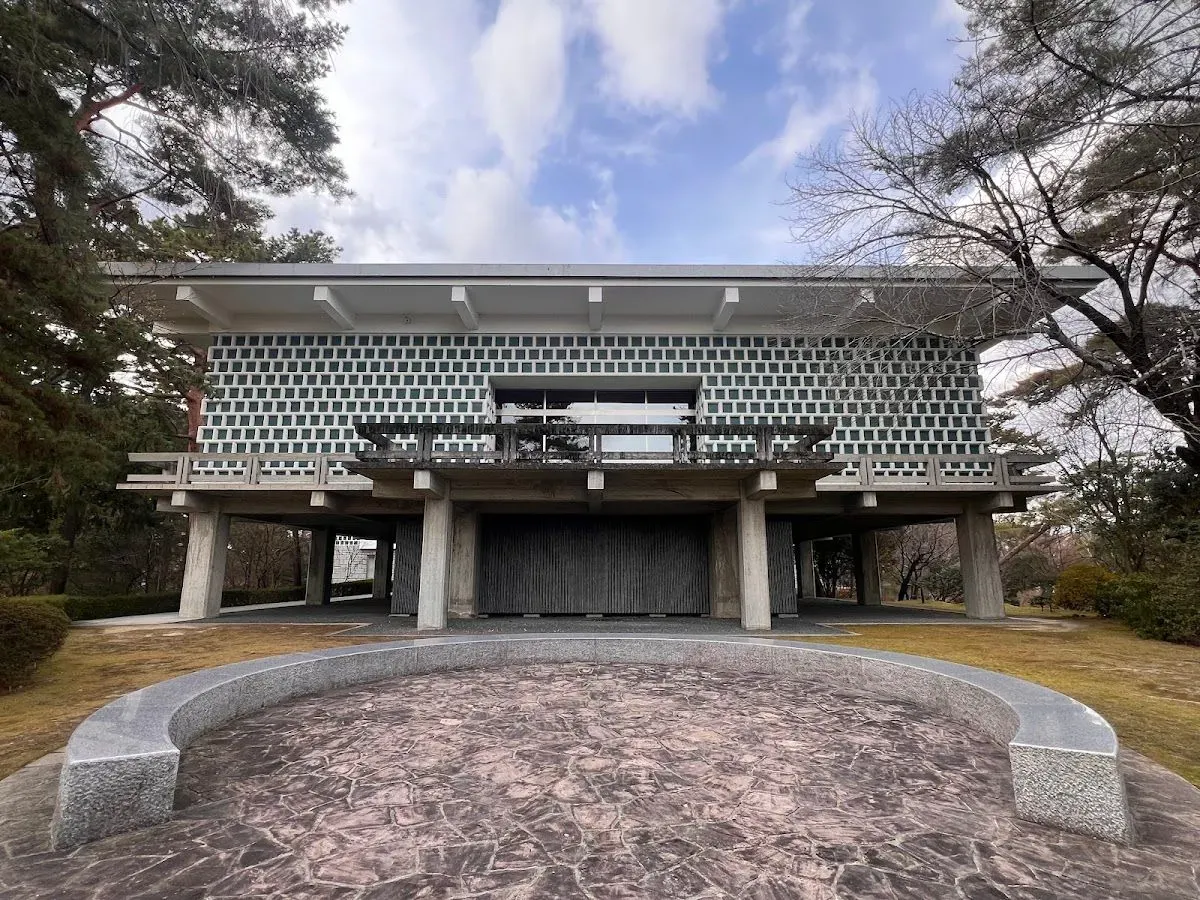
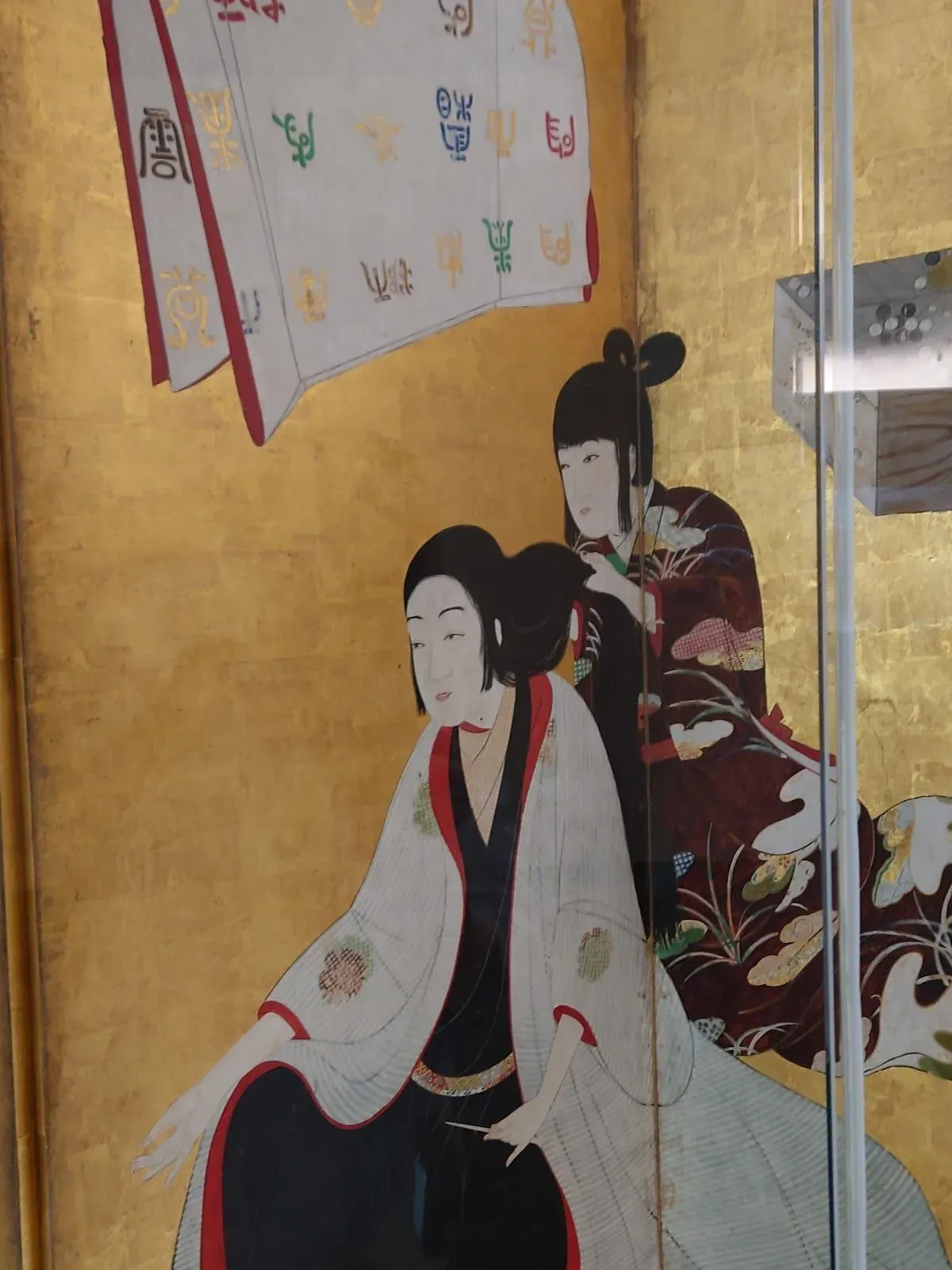
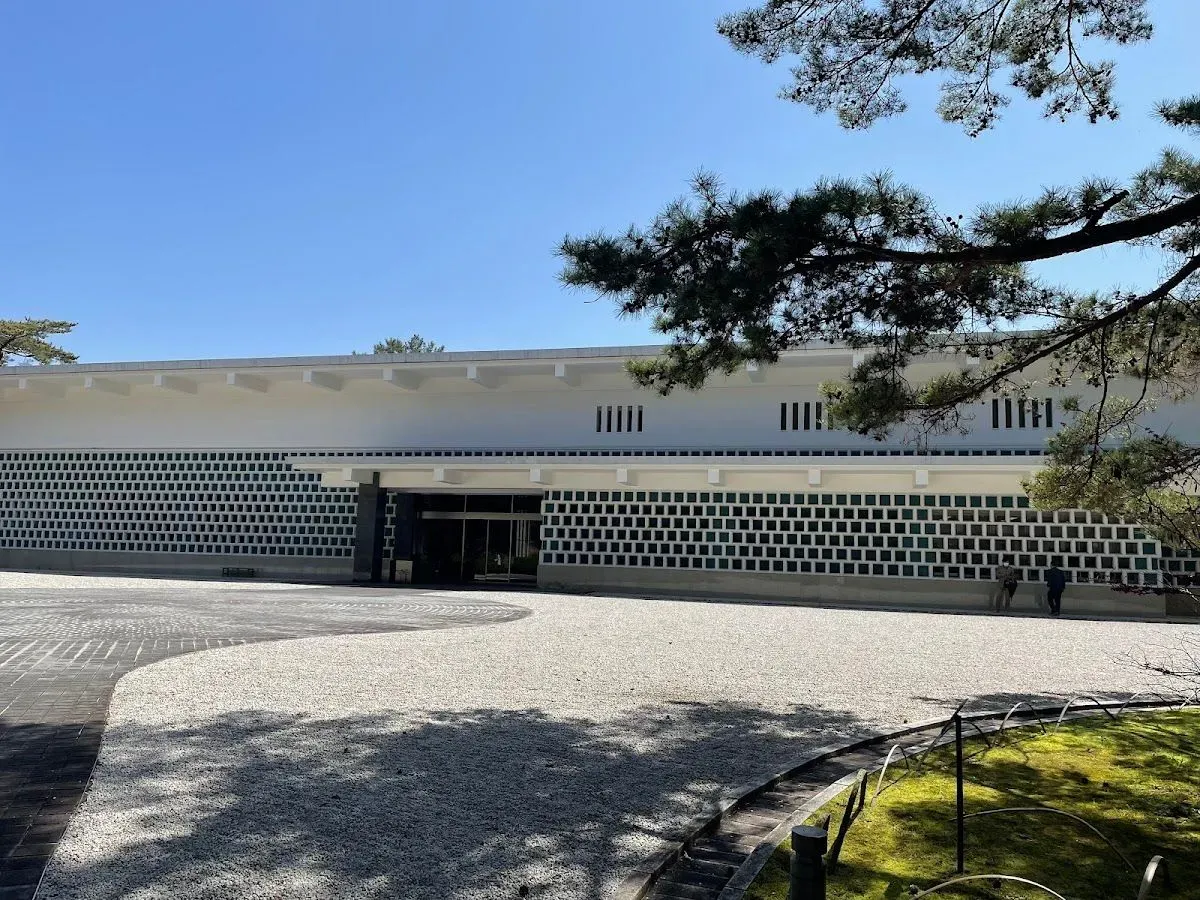
Designed by renowned architect Isoya Yoshida, this museum is a modernist architectural gem that seamlessly blends with its lush, pine-filled lakeside garden. Inside, you will find an exquisite collection of traditional Japanese, Chinese, and Korean art, including national treasures. It is a peaceful, crowd-free alternative to Nara's main temples, perfect for art lovers seeking quiet contemplation.
What Japanese guides note
The museum closes entirely between exhibitions for installation changes, so visitors must verify current open dates before heading to Gakuen-mae. Located on a wooded hill overlooking Kaerumata Pond in suburban Nara, it pairs naturally with the nearby Nakano Museum of Art and Shōhaku Art Museum. Visitors should budget additional time to walk the winding nature trails of the surrounding Bunka-en before entering the galleries.
Details from local sources
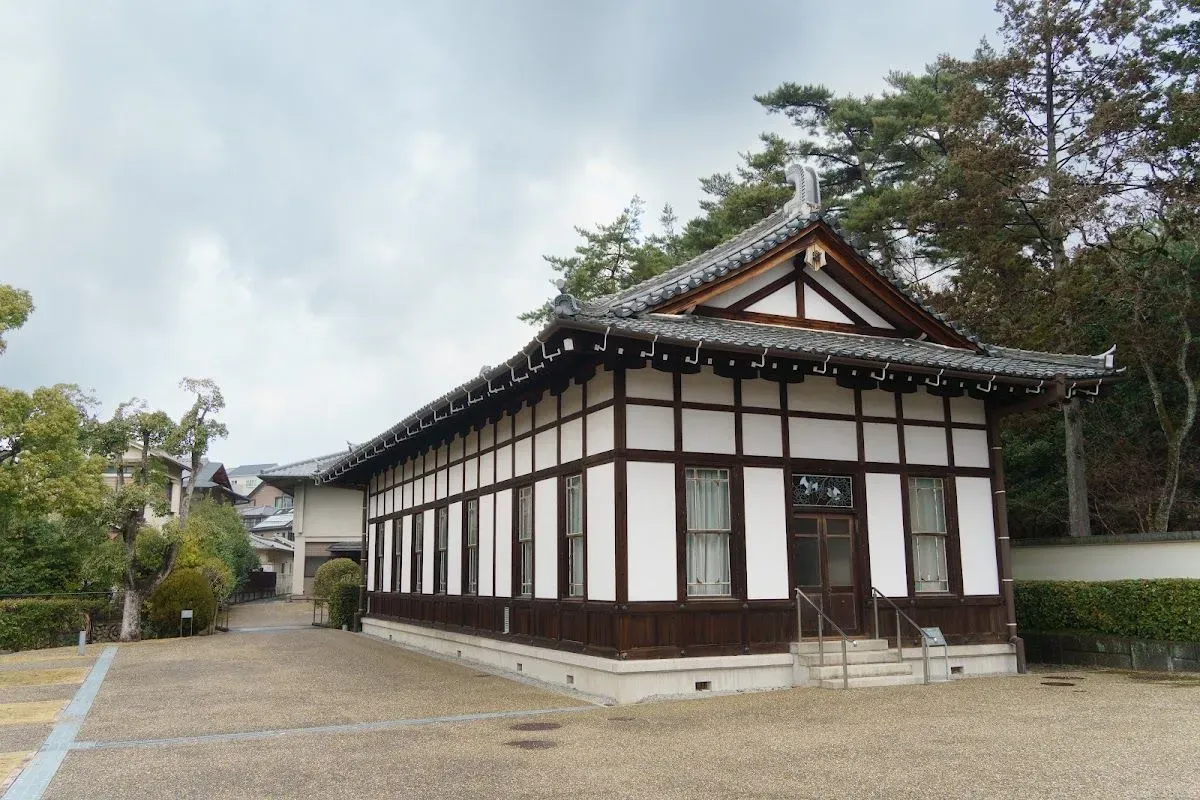
- The Bunka Hall on the museum grounds is a relocated, preserved section of the 1909 lounge and bar from the historic Nara Hotel, designed by Meiji-era architect Kingo Tatsuno. [source]
- Architect Isoya Yoshida designed an open-air central courtyard planted with bamboo inside the exhibition hall to introduce shifting natural daylight and greenery into the gallery. [source]
- The museum hill directly overlooks Kaerumata Pond (Sugawara Pond), an ancient water reservoir recorded in the 8th-century Nihon Shoki chronicle. [source]
- The surrounding Bunka-en nature garden was cultivated with seasonal plants including winter plum trees, weeping cherry blossoms, wild Sasayuri bamboo lilies, and hydrangeas. [source]
Insider Tip
Visit in spring to see the weeping cherry blossoms frame the museum's reflection on the surrounding pond.
Frequently asked
Does the museum have a permanent collection gallery on view year-round?
No. The museum does not maintain a static permanent exhibition. Instead, it rotates exhibitions seven to eight times per year around specific curated themes, drawing from its collection of approximately 2,000 Asian artworks alongside loans. The museum closes completely during exhibition changeover periods, making advance schedule checks necessary.
Are guided gallery explanations offered to regular visitors?
Yes. Curators provide in-person gallery talks (reppin kaisetsu) inside the exhibition hall every Saturday starting at 14:00. These talks explain the background and technical details of key works currently on view. Attendance is included with regular admission, requiring no additional fee or advance reservation.
Are parking facilities available on-site for drivers?
Yes. The museum provides a free on-site parking lot accommodating 40 passenger cars as well as tour buses, located immediately adjacent to the entrance gate. Drivers arriving from the Osaka or Nara directions can reach the grounds in about five minutes from the Gakuen-mae interchange on the Hamma Road.
Our Nara walking tours

Photos