Fushimi Inari Taisha
Good to know before you go
- Getting there
- Inari Station · 1 min walk (JR Nara Line)
- Hours
- Open 24 hours (prayer reception 8:30–16:30, amulet counter 8:00–18:00)
- Admission
- Free
- Time needed
- 1.5–2 hours
- Best time to go
- Before 8:00 AM or after dusk, when the 24-hour grounds are clear of heavy tour crowds and daytime heat
Hours can change on holidays — check the official site before travelling.
Location
68 Fukakusa Yabunouchichō, Fushimi Ward, Kyoto, 612-0882, JapanFukakusa Yabunouchichō, Osaka
About
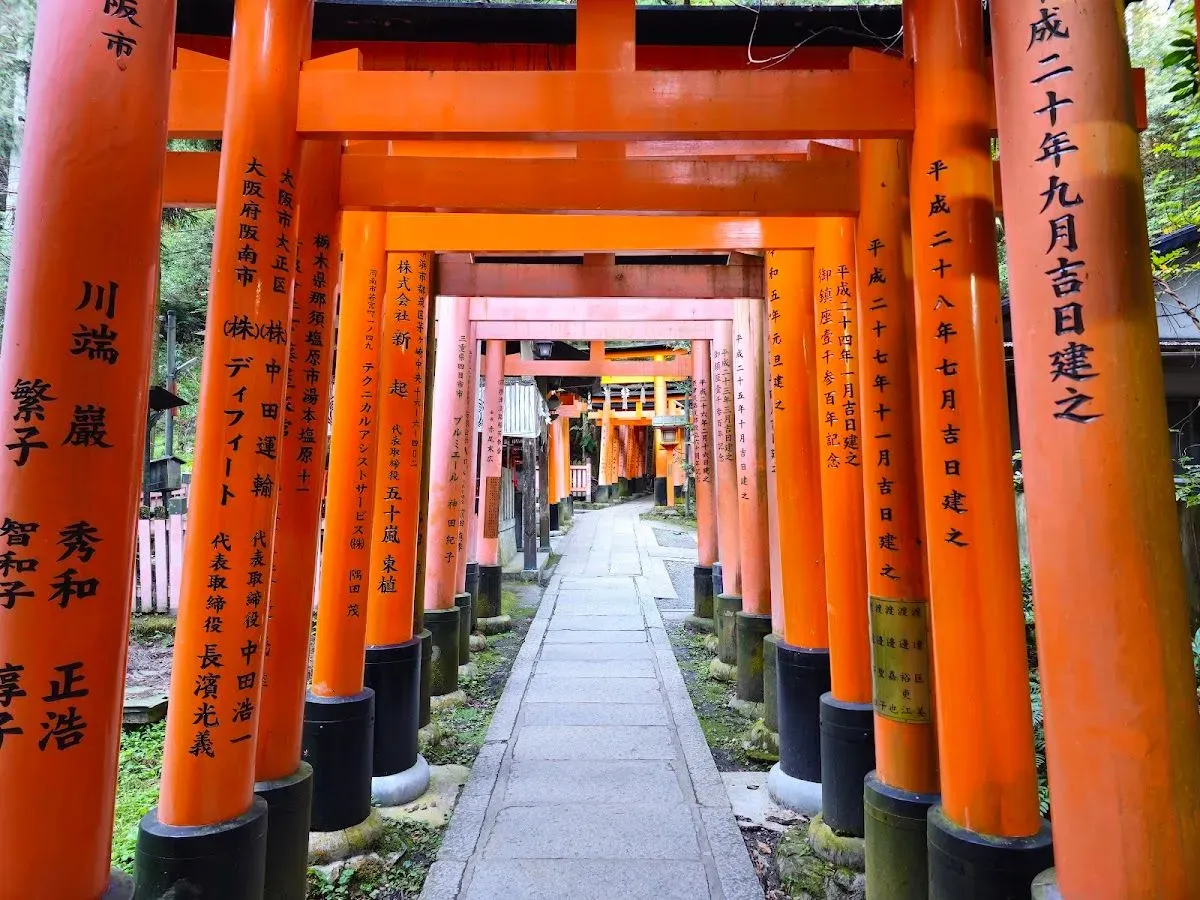
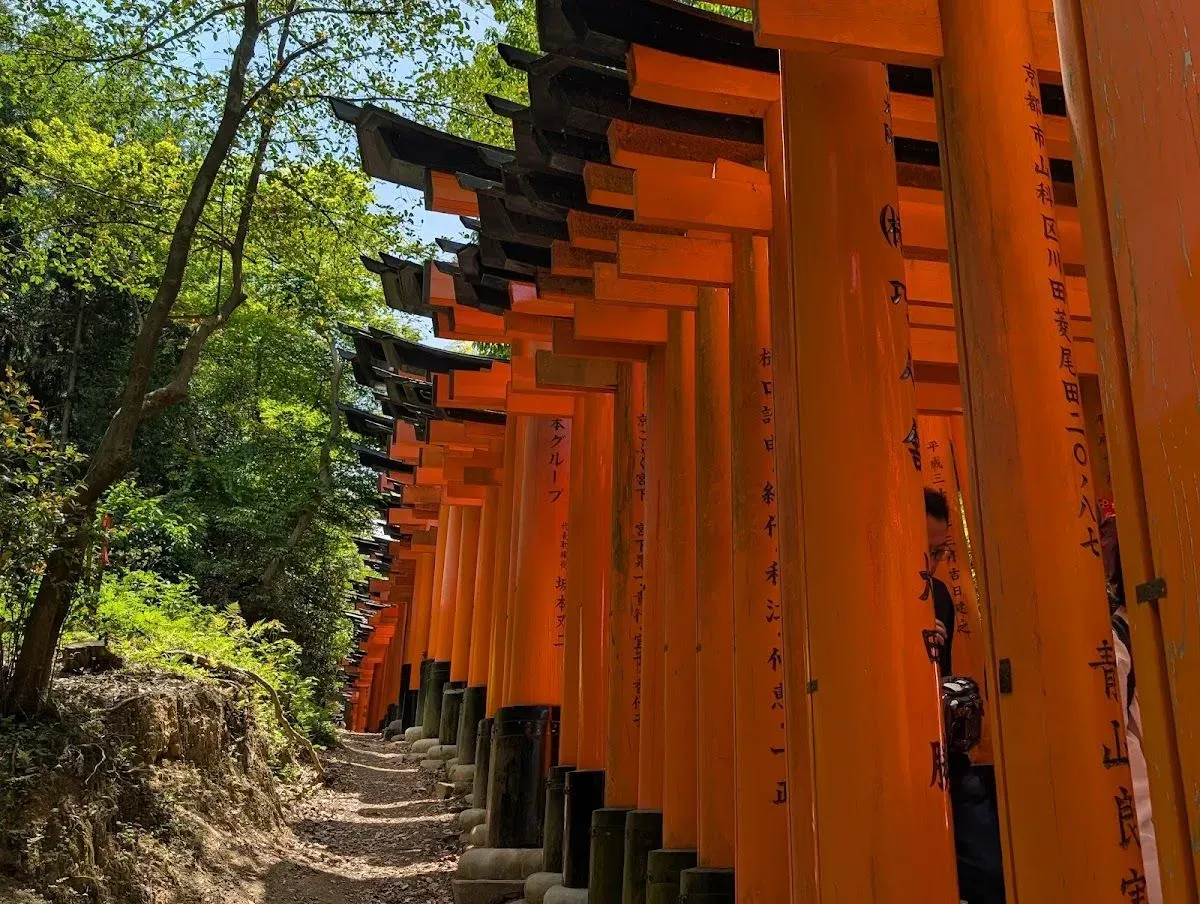
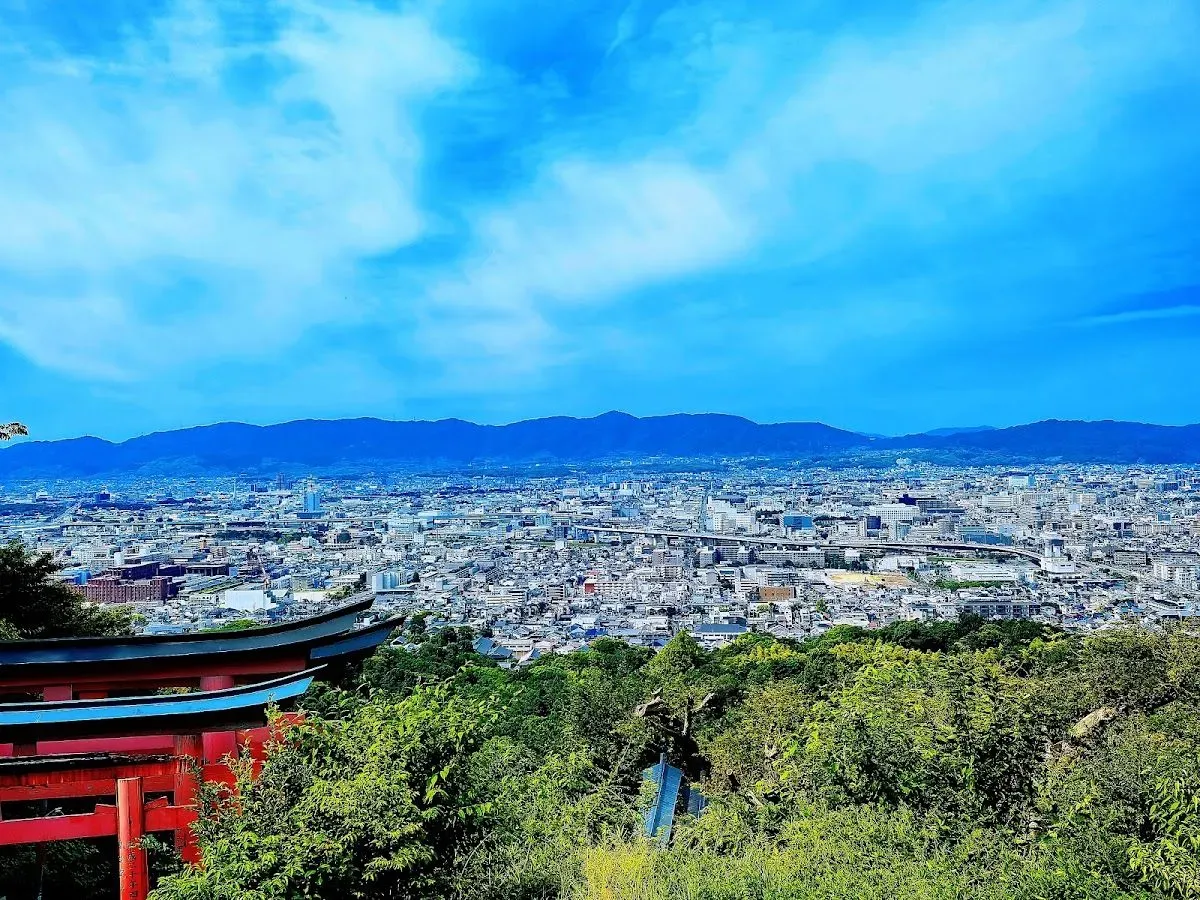
Fushimi Inari Taisha is Kyoto's iconic mountainside Shinto shrine, famous for its mesmerizing path of thousands of vibrant vermilion torii gates. Dedicated to the Shinto god of rice and agriculture, this sprawling complex invites you to hike up the sacred Mount Inari past stone fox messengers and atmospheric sub-shrines. Expect a rewarding, moderately steep walk that offers quiet, mystical forest views the higher you climb.
What Japanese guides note
Japanese guidebooks emphasize that Mount Inari is an active sacred mountain rather than an urban park, requiring sturdy walking footwear for the four-kilometer climb and reverence around thousands of private otsuka altars. Early morning arrivals before 8:00 AM allow visitors to complete the trail before peak tourist congestion and daytime heat set in. Shinto records clarify that the white foxes depicted throughout the complex are invisible divine messengers rather than the enshrined deities themselves.
Details from local sources
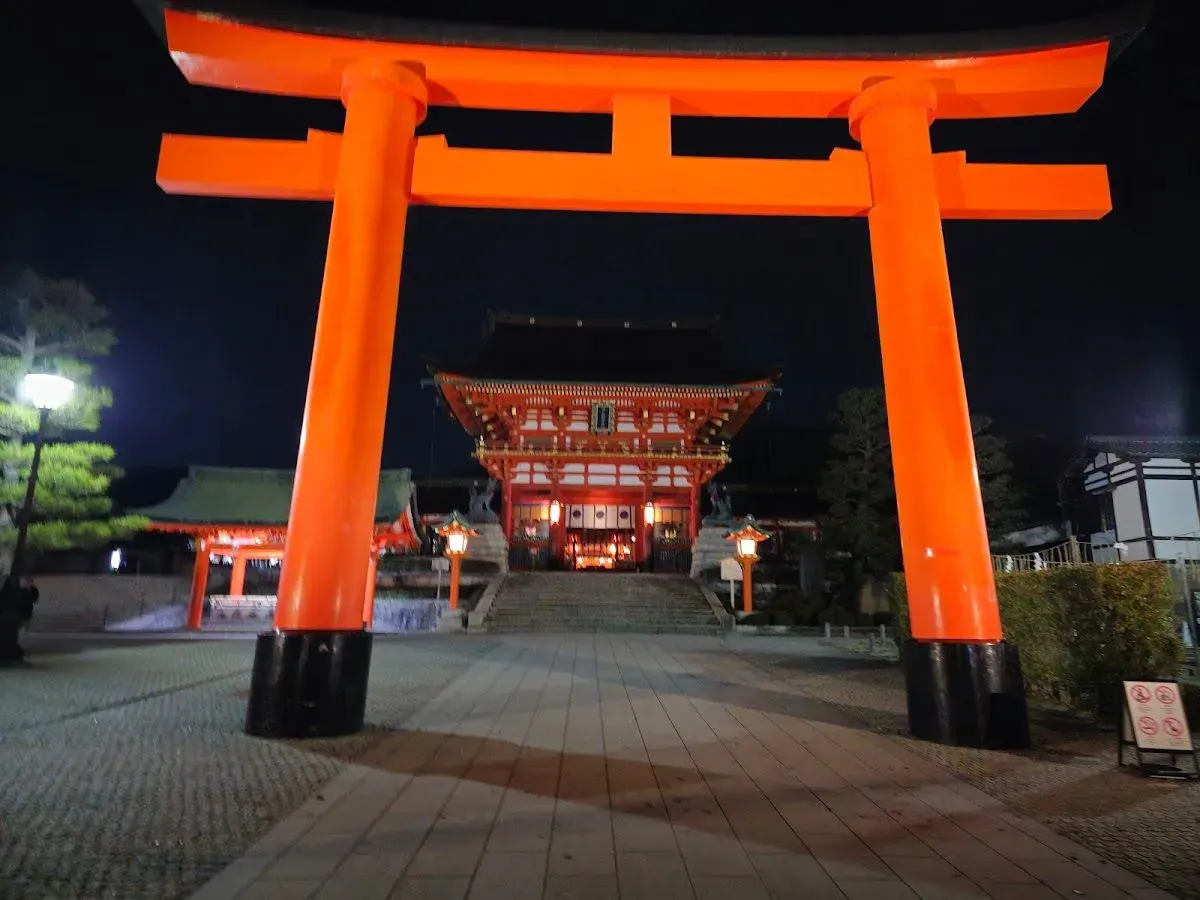
- The two-story Rōmon gate was donated in 1589 by Toyotomi Hideyoshi following prayers for his mother's illness, confirmed when 1973 dismantling repairs uncovered ink inscriptions recording that exact year. [source]
- Behind the Okusha Hohaisho, visitors test whether their wishes will be granted by lifting the top stone of a lantern called Omokaru-ishi, where feeling lighter than estimated indicates fulfillment. [source]
- Across the mountain paths, individual worshippers have dedicated tens of thousands of engraved stone markers known as otsuka, each bearing a personalized deity title. [source]
- The practice of dedicating vermilion torii began in the late Edo period as a symbolic gesture of prayers successfully passing through. [source]
Insider Tip
Avoid the heavy crowds by starting your hike at dawn or visiting after dusk, when the illuminated lanterns offer a magical experience.
Frequently asked
What are the opening hours and admission fees for Fushimi Inari Taisha?
The shrine precinct and Mount Inari hiking paths are open 24 hours a day with no closing gates or admission fees. However, staffed facilities operate on limited schedules: the amulet and goshuin counters are open from 8:00 to 18:00, while formal prayer requests are accepted between 8:30 and 16:30.
How long does the hike around Mount Inari take?
The complete circuit around the sacred Mount Inari peaks, known as Oyama Meguri, covers approximately 4 kilometers of stone stairs and takes about 2 hours at a steady pace. Visitors who only walk through the Senbon Torii to the Okusha Hohaisho typically finish in 30 to 45 minutes.
How do I get to Fushimi Inari Taisha from Kyoto Station?
The fastest route is the JR Nara Line local train from Kyoto Station to Inari Station, which takes 5 minutes and lets passengers off directly opposite the shrine entrance. Note that rapid trains skip Inari Station. From Osaka or central Kyoto, Keihan Main Line trains serve Fushimi-Inari Station, five minutes away.
Our Osaka walking tours


Photos