Nara Park
Good to know before you go
- Getting there
- Kintetsu-Nara Station · 5 min walk (Kintetsu Nara Line)
- Hours
- Open 24 hours, 365 days a year
- Admission
- Free
- Time needed
- 2–4 hours
- Best time to go
- Early morning (around 8:00–9:00 AM) year-round for minimal crowds, calm deer activity, and morning events like horn-calling at Tobihino; or November for peak autumn foliage.
Hours can change on holidays — check the official site before travelling.
About
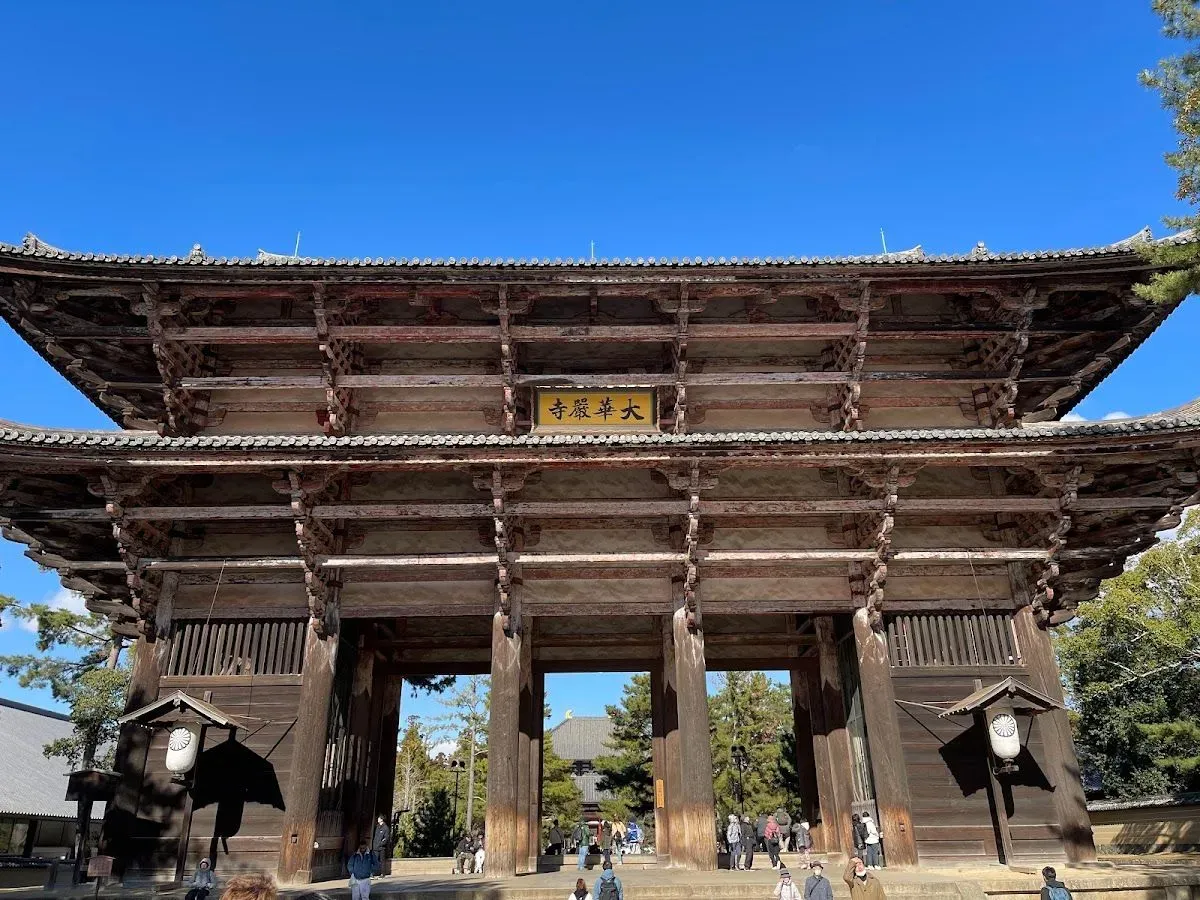
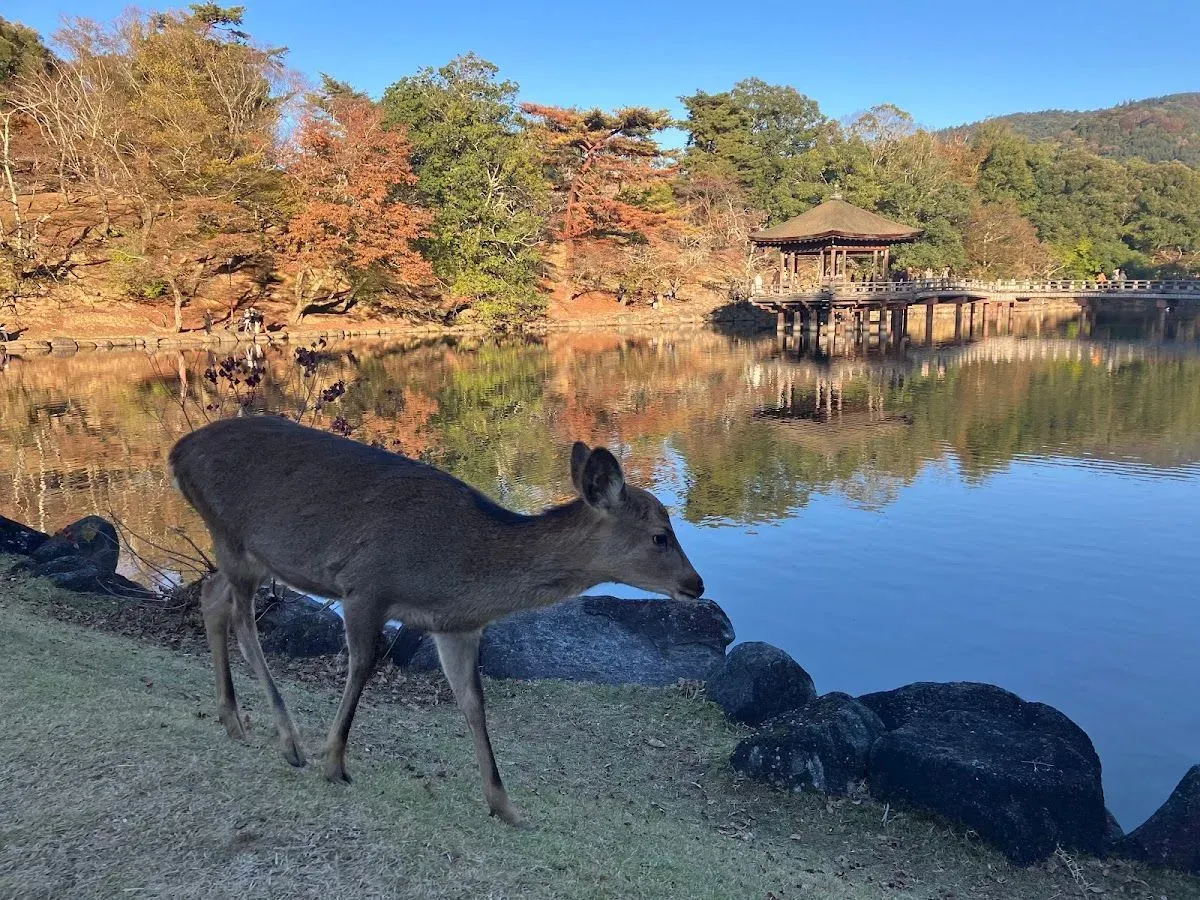
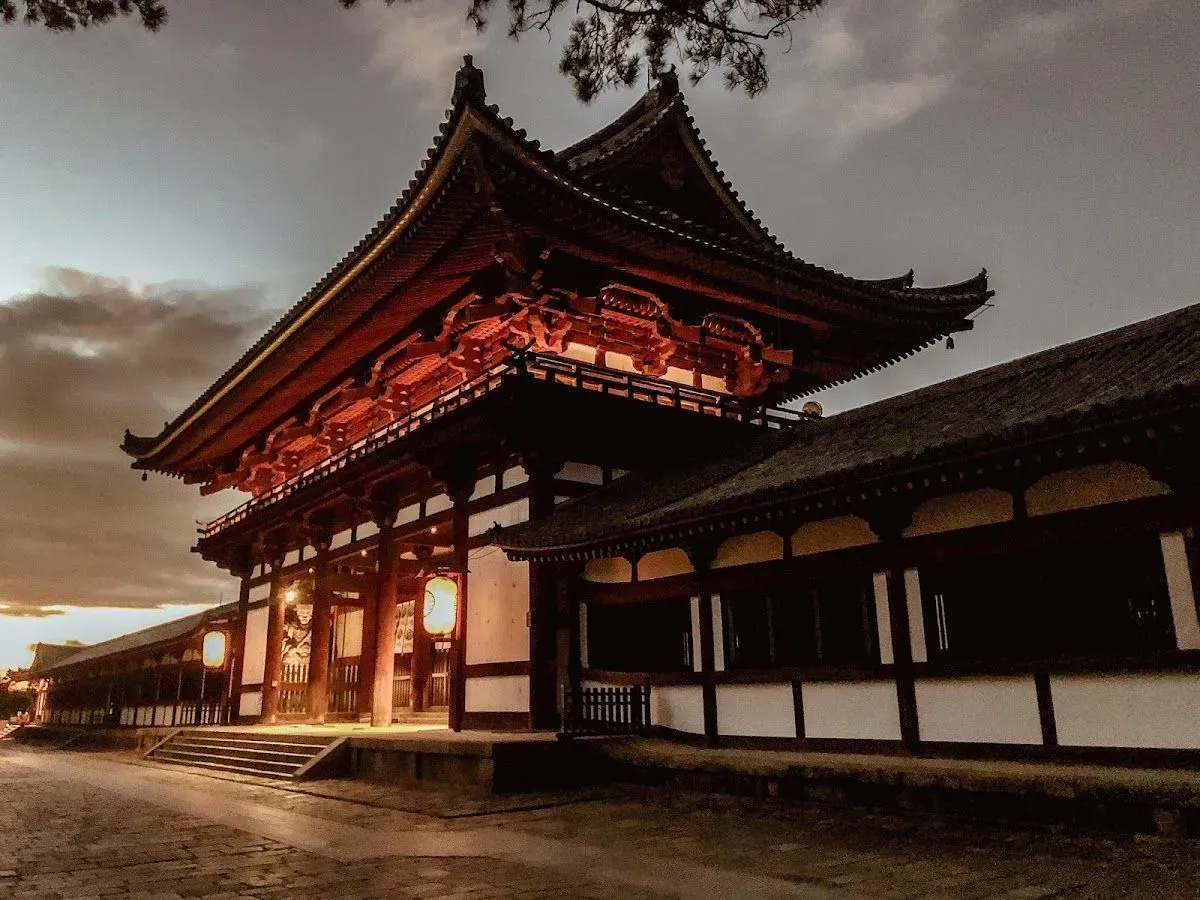
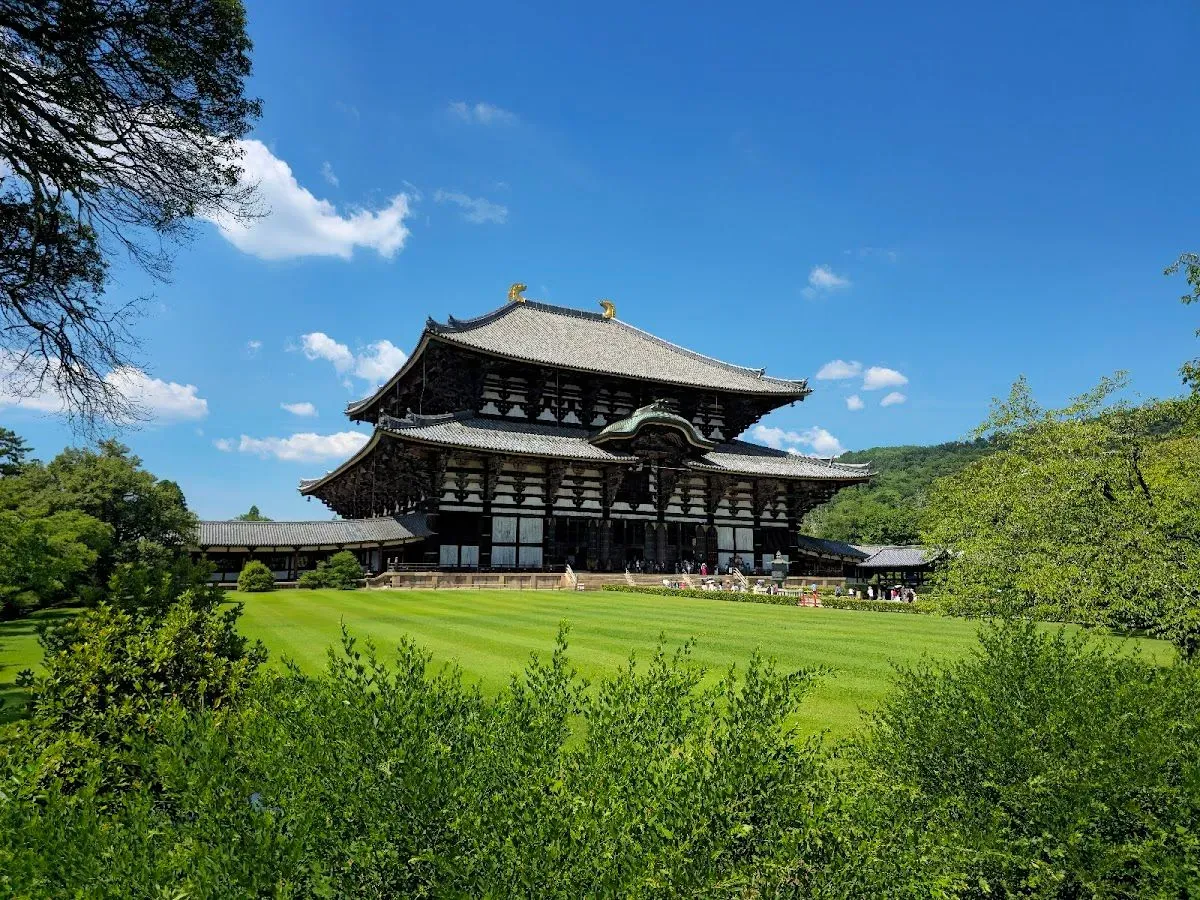
Nara Park is a vast, historic public park famous for its hundreds of freely roaming, bowing sika deer, considered messengers of the Shinto gods. Beyond the wildlife, it houses world-class cultural treasures including the colossal Great Buddha at Todai-ji Temple and the Kasuga Taisha Shrine. It is an unmissable day trip from Osaka for anyone wanting to experience Japan's deep spiritual history and interact closely with nature.
What Japanese guides note
Visitors frequently assume the deer are semi-domesticated pets, but Japanese wildlife management emphasizes that they are protected wild animals that can butt, kick, or bite when provoked or teased with food. Because there are no waste bins anywhere on the park grounds in order to prevent deer from consuming plastic, all personal trash must be carried out. Arriving via Kintetsu-Nara Station provides direct, flat pedestrian access starting at Kōfuku-ji and flowing east toward Tōdai-ji and Kasuga Taisha, with morning hours offering peaceful walks before tourist coach arrivals.
Details from local sources
- Before the Meiji period, most of the land that now comprises Nara Park was part of the temple precinct of Kōfuku-ji. [source]
- The deer in Nara were officially designated a national Natural Monument on September 18, 1957 under the name Deer of Nara and remain legally unowned wild animals. [source]
- Revenue from the paper seal bands wrapped around bundles of deer crackers goes directly to the Foundation for the Protection of Deer in Nara to fund conservation operations. [source]
- Nara Park opened on February 14, 1880 under a Grand Council of State decree, and its full administrative area expands to approximately 660 hectares when including surrounding shrines and temples. [source]
Insider Tip
Avoid visiting on weekends when it is extremely crowded; go early on a weekday to enjoy a peaceful walk with the deer.
Frequently asked
How much does it cost to enter Nara Park?
Nara Park itself has no entrance gates or admission fees and is open to the public free of charge 24 hours a day, 365 days a year. However, specific historic sites within the grounds—such as Tōdai-ji's Great Buddha Hall and Kōfuku-ji's National Treasure Hall—require separate paid admission tickets.
Which train station provides the closest access to Nara Park?
Kintetsu-Nara Station is closest, situated about a 5-minute walk from the western entrance of the park grounds near Kōfuku-ji. JR Nara Station is farther, requiring a 20-minute walk eastward along Sanjō-dōri avenue or a 7- to 10-minute ride on the Nara Kōtsū city loop bus.
What should visitors avoid when feeding the deer?
Visitors must feed deer only official deer crackers, as outside foods like bread, snacks, or vegetables cause severe digestive illness. Teasing animals by withholding crackers triggers headbutting or biting. Visitors must also avoid leaving any litter, plastic packaging, or tickets, which deer often consume with fatal digestive consequences.
What is the Shikayose horn-calling event in Nara Park?
Shikayose is a morning tradition held in the Tobihino meadow where an attendant plays a natural horn to summon herds of wild deer from the woods for an acorn feeding. Originating in 1892, public sessions run on select weekend and holiday mornings during specific seasonal campaigns.
Our Osaka walking tours


Photos