The Museum of Oriental Ceramics, Osaka
Good to know before you go
- Getting there
- Naniwabashi Station · 1 min walk (Keihan Nakanoshima Line)
- Hours
- 9:30–17:00 (last admission 16:30); closed Mondays (following weekday if Monday is a national holiday), Dec 28–Jan 4, and exhibition change periods
- Admission
- Varies by exhibition (typically ¥1,600 for adults, ¥800 for high school and university students, free for junior high school students and younger)
- Time needed
- 60–90 min
- Best time to go
- Midday on sunny days, when daylight enters through the roof skylights of the second-floor natural light exhibition room
Hours can change on holidays — check the official site before travelling.
About
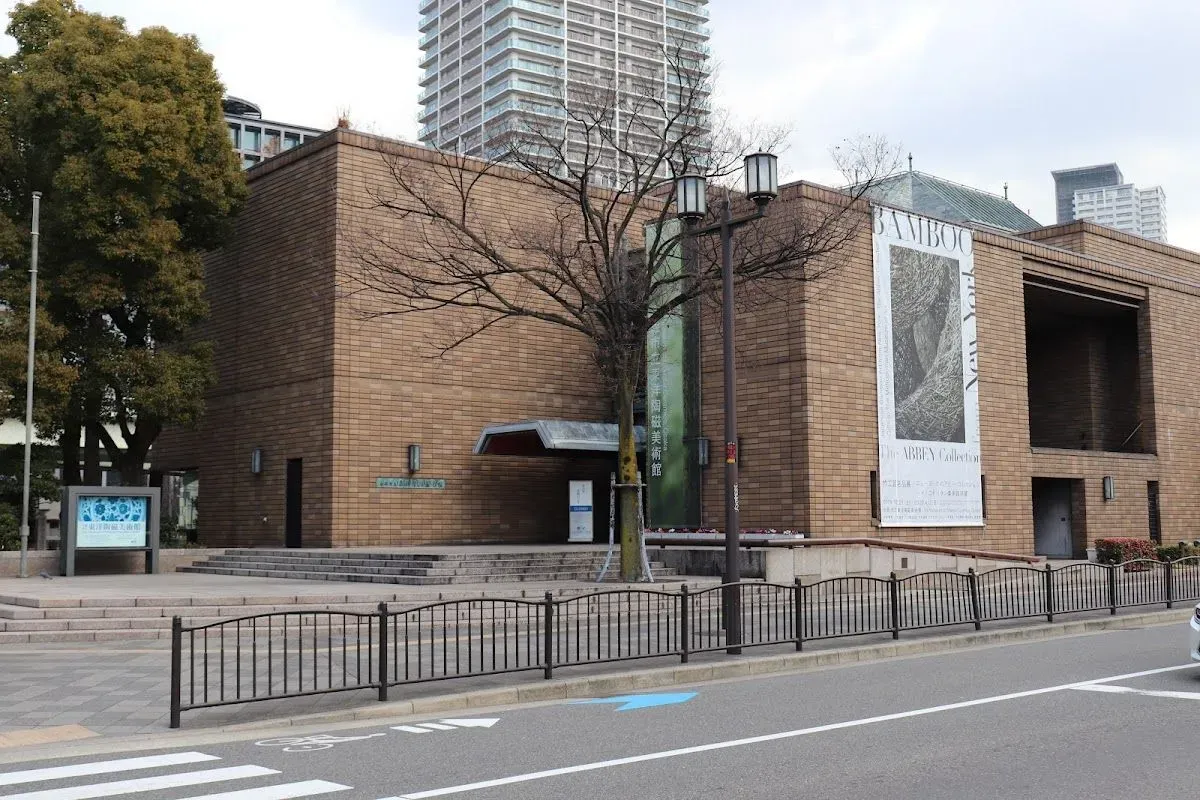
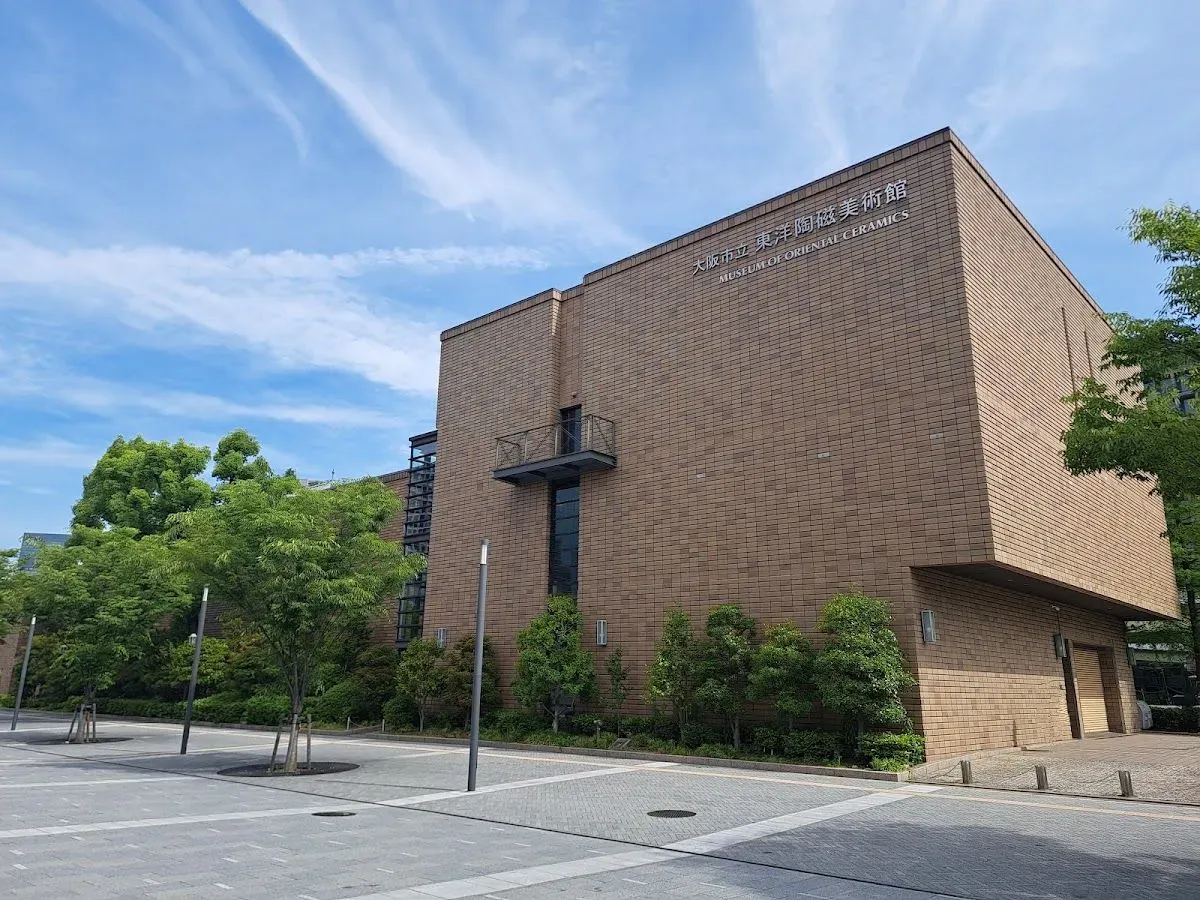
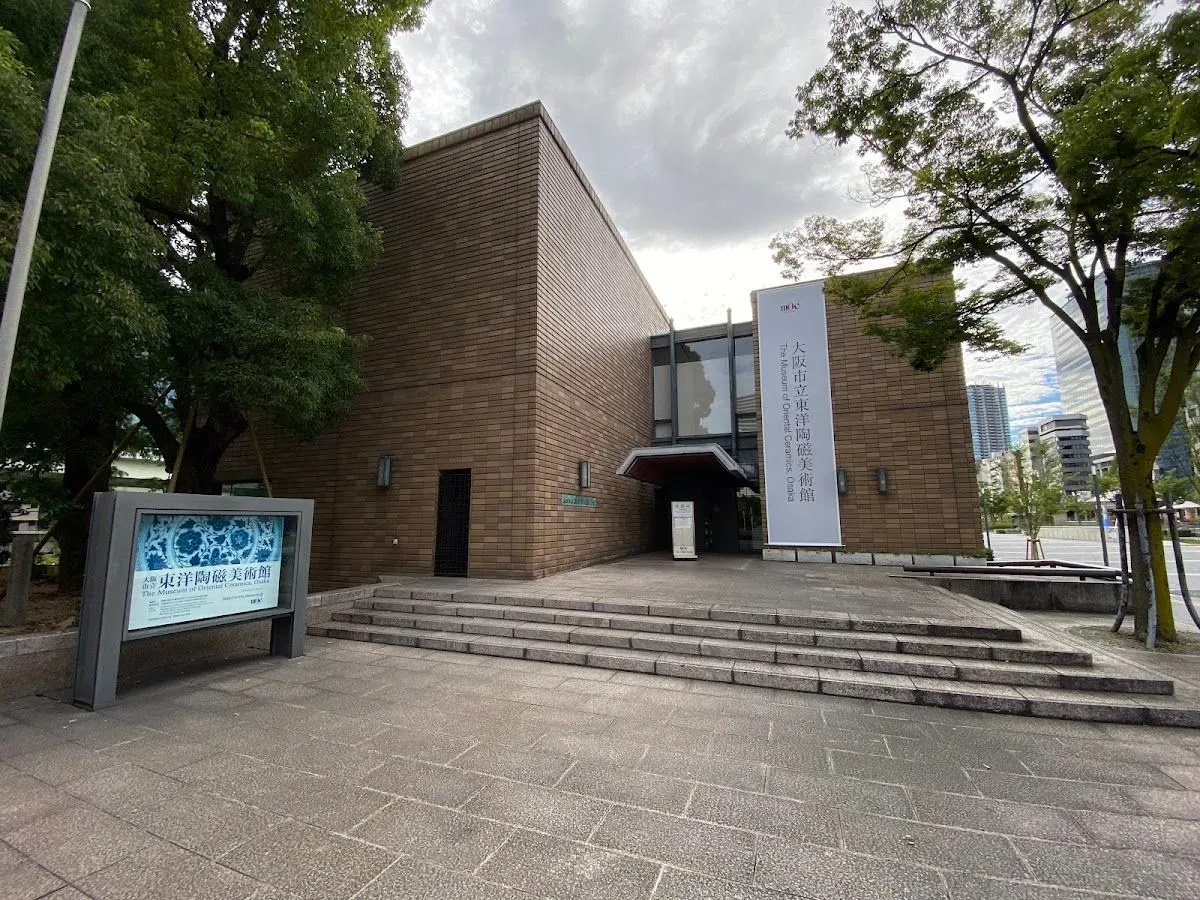
Located on the scenic island of Nakanoshima, this world-class museum houses one of the finest collections of East Asian ceramics globally, including national treasures from China and Korea. What makes it truly special is the architectural design: exhibition rooms utilize state-of-the-art natural light filtration and 360-degree rotating showcases that bring the delicate glazes and textures to life.
What Japanese guides note
Visiting the Museum of Oriental Ceramics connects directly to an architectural circuit around Nakanoshima Park, positioned between Osaka City Central Public Hall and the Nakanoshima Rose Garden. Photography is permitted for most exhibits without flash, tripods, or selfie sticks, but umbrella entry is prohibited and visitors must lock umbrellas at the entrance stands. Travelers should note that the museum's two registered National Treasures are rotated according to exhibition schedules rather than remaining on display year-round.
Details from local sources
- The museum was founded in November 1982 by Osaka City to house the Ataka Collection, which consists of 965 Chinese and Korean ceramic pieces donated by 21 Sumitomo Group companies after the collapse of trading firm Ataka & Co. [source]
- The museum's rotating 360-degree exhibition pedestals incorporate seismic isolation mechanics that absorb earthquake shockwaves without requiring objects to be tethered with nylon cords. [source]
- Display bases are lined with custom-ordered imported ivory suede fabric that has been continuously specified since the museum opened to eliminate glaze reflections. [source]
- The museum's main exhibition galleries are closed for restroom and climate-control renovations from August 3, 2026 until approximately April 2027, though the adjoining café KITONARI remains open. [source]
Insider Tip
Visit on a sunny day to see the natural-light gallery showcase the pottery's true colors and textures as the architects intended.
Frequently asked
Are the National Treasure ceramics on display at all times?
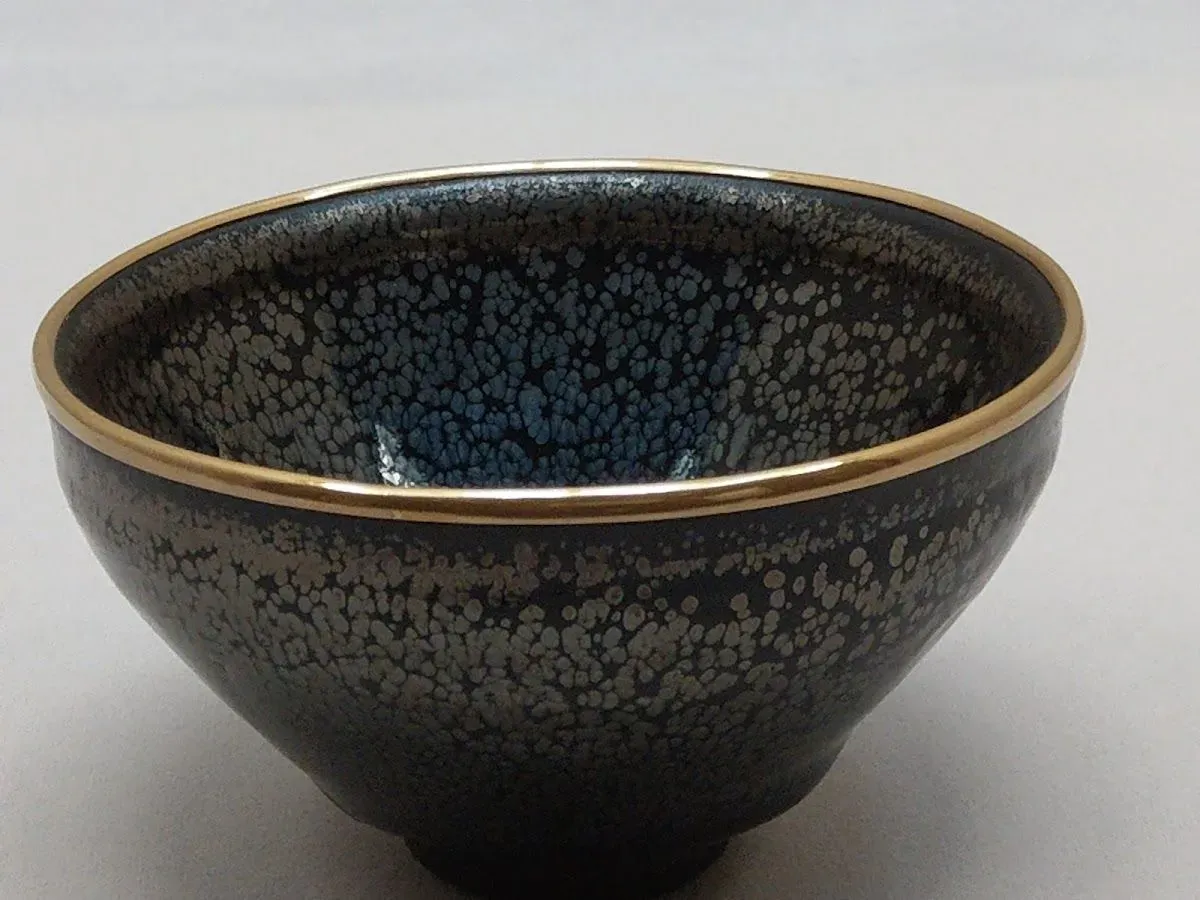
No. The two National Treasures, the Oil Spot Tenmoku Tea Bowl and the Tobiseiji Celadon Flower Vase with Iron Brown Spots, are exhibited only during designated exhibition periods. Visitors should verify the current exhibition schedule on the museum's official website or inquire by phone prior to visiting.
Can I re-enter the museum on the same day with my ticket?
As a standard rule, re-entry is not permitted once you exit the exhibition galleries. However, visitors who have unavoidable circumstances requiring temporary exit may consult staff members stationed at the museum reception desk for individual permission before leaving the gates.
Is visitor parking available at the museum?
No. The museum does not provide parking spaces for visitors, and there is no parking area for large tour vehicles or buses. Visitors must travel via public transit, such as the Keihan Nakanoshima Line to Naniwabashi Station or the Osaka Metro lines to Yodoyabashi and Kitahama stations.
Can I store luggage or backpacks at the museum?
Yes. Coin-return storage lockers requiring a refundable 100-yen coin are installed on the first floor of the entrance building for same-day visitor use. Luggage that is too large to fit inside the lockers can be checked with the museum staff directly at the front reception counter.
Our Osaka walking tours


On the same walk
Photos