Bonobo
Good to know before you go
- Getting there
- Kitasando Station · 9 min walk (Tokyo Metro Fukutoshin Line)
- Admission
- From ¥600 (varies by event)
- Time needed
- 2–4 hours
- Best time to go
- Late night after 23:00, when DJ programming and the second-floor floor reach peak activity
About
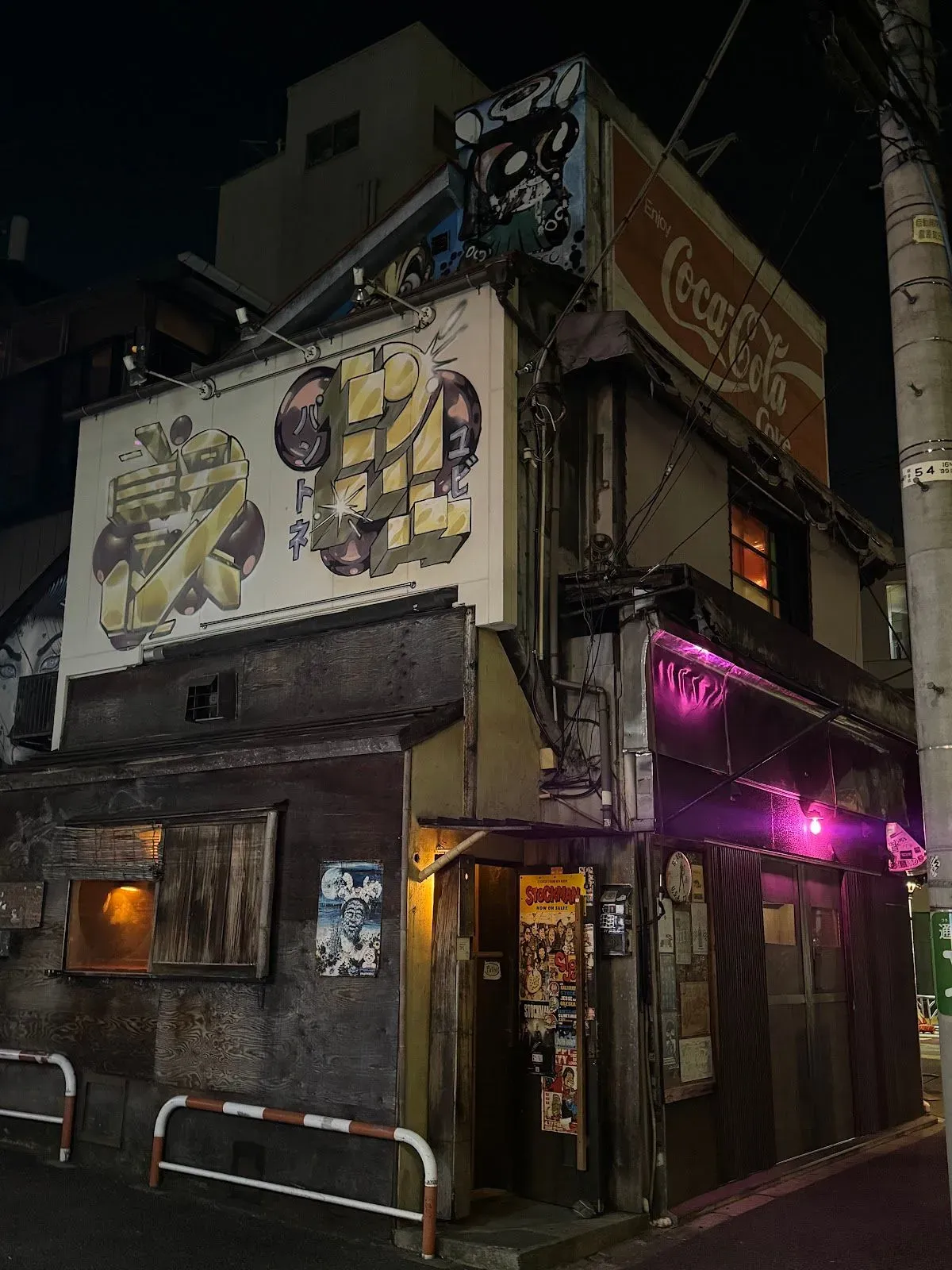
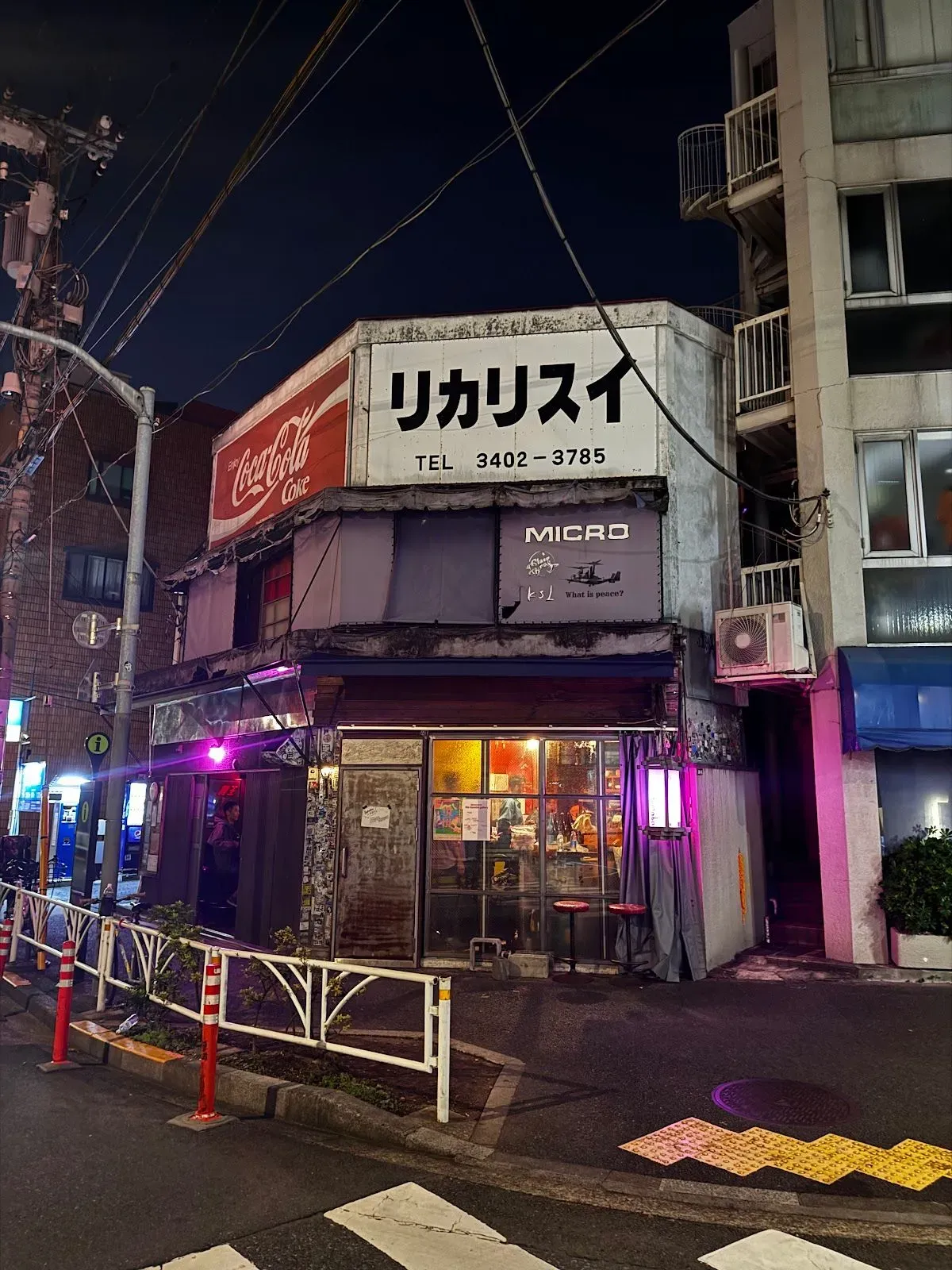
Bonobo is an ultra-intimate, multi-level music sanctuary hidden inside a converted residential house in Harajuku. Far from Tokyo's mega-clubs, it features a world-class sound system, a cozy tatami lounge, and a tiny rooftop terrace. It is worth visiting for its avant-garde electronic music, bohemian living-room vibe, and an incredibly welcoming community of local audiophiles.
What Japanese guides note
Bonobo sits inside a dense residential street corner of Jingūmae 2-chome, requiring visitors to keep noise to a minimum when entering, leaving, or stepping out to the rooftop terrace. Guests remove their shoes when sitting in the second-floor tatami lounge. Because payment is strictly cash, prepare sufficient Japanese yen before walking from Kitasando or Harajuku.
Details from local sources
- The custom sound system uses handmade speaker cabinets fitted with Altec 604 units and a custom mixer with 10 vacuum tubes. [source]
- Owner Koichi Sei founded the venue after visiting David Mancuso's legendary New York party venue The Loft. [source]
- The bar's name comes from the Central African bonobo ape, chosen by the owner for its cooperative and peaceful social behavior. [source]
- The overall capacity across all floors of the renovated wooden house is capped at 60 people. [source]
- All transactions at the bar and door are cash only, with credit cards not accepted. [source]
- The second floor features a traditional tatami room setup known as ozashiki DJing, where performers and guests share mat seating. [source]
Insider Tip
Space is extremely tight with a capacity of around 40 people, so arrive early on weekends to secure entry and avoid the queue.
Frequently asked
How do I get to Bar Bonobo by train?
The closest rail connection is Kitasando Station on the Tokyo Metro Fukutoshin Line, located a 9-minute walk away via Exit 2. Kokuritsu-Kyogijo Station on the Toei Oedo Line is roughly a 10-minute walk, while JR Harajuku and JR Sendagaya stations take about 12 to 13 minutes on foot.
What is the admission fee or cover charge?
Entry fees depend on the scheduled DJ party or art exhibition. Standard nights start from a basic ¥600 entry charge or drink fee, whereas specialized weekend events and guest DJ showcases often charge between ¥1,500 and ¥2,500. Check their official schedule online before visiting to confirm the day's door rate.
Can I pay with credit cards or digital payments?
No, the venue operates on a cash-only basis and does not accept credit cards or IC cards. Because the bar sits within a quiet residential neighborhood with limited convenience stores immediately nearby, visitors should withdraw sufficient Japanese yen cash from an ATM before heading to the venue.
What is the layout and capacity of the building?
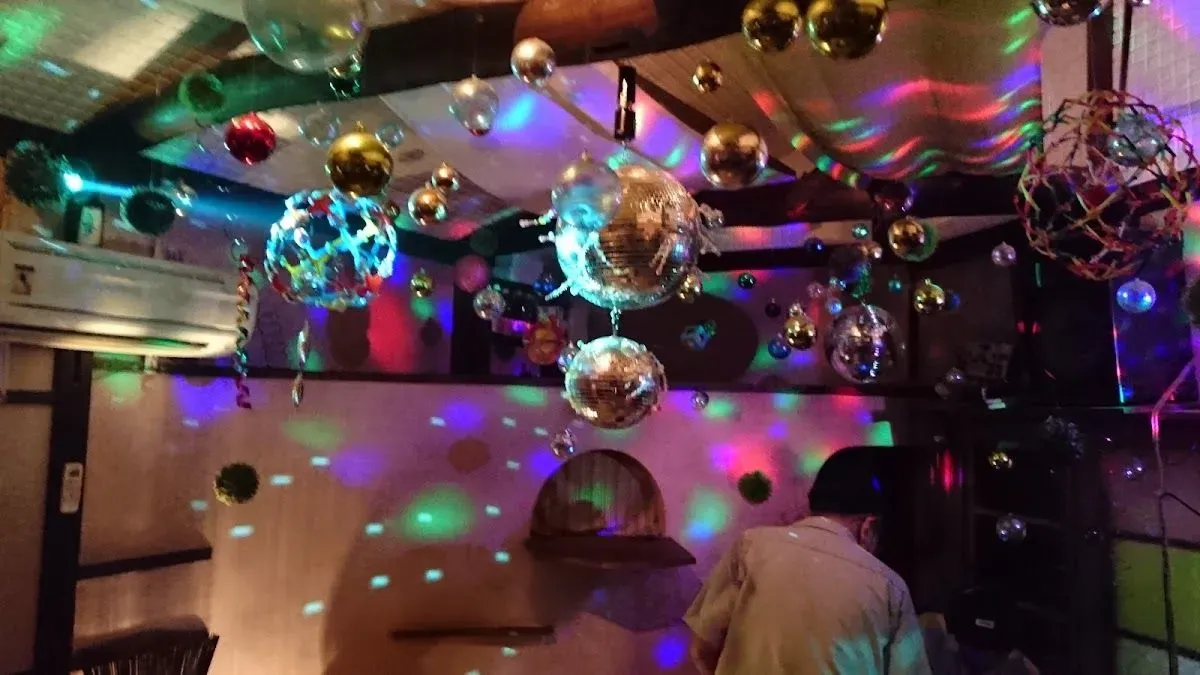
Bonobo occupies a converted two-story wooden residential house with a total capacity of approximately 60 people. The ground floor houses the main bar counter beneath a mirror ball, the second floor contains a tatami room with an ozashiki DJ booth and balcony, and stairs lead to an open rooftop terrace.
Is smoking allowed at Bonobo?
Yes, indoor cigarette smoking is permitted inside the venue under Tokyo entertainment bar regulations. Those who are sensitive to tobacco smoke should keep this in mind, as the building is a compact, enclosed wooden house, though the small open-air rooftop provides natural ventilation away from the lower indoor bar areas.
Our Tokyo walking tours


On the same walk
Photos