Edo-Tokyo Museum
Good to know before you go
- Getting there
- Ryogoku Station · 1 min walk (Toei Oedo Line, JR Chuo-Sobu Line)
- Hours
- 9:30–17:30 (Saturdays 9:30–19:30; admission closes 30 minutes before closing); closed Mondays (or Tuesday if Monday is a national holiday) and New Year holidays
- Admission
- ¥800 (adults), ¥480 (college and vocational students), ¥400 (seniors 65+), ¥300 (high school students), free (junior high school students and under)
- Time needed
- 2–3 hours
- Best time to go
- Weekday mornings at 9:30 opening, avoiding the January, May, and September Grand Sumo tournaments at neighboring Ryogoku Kokugikan when the precinct experiences peak transit congestion.
Hours can change on holidays — check the official site before travelling.
About
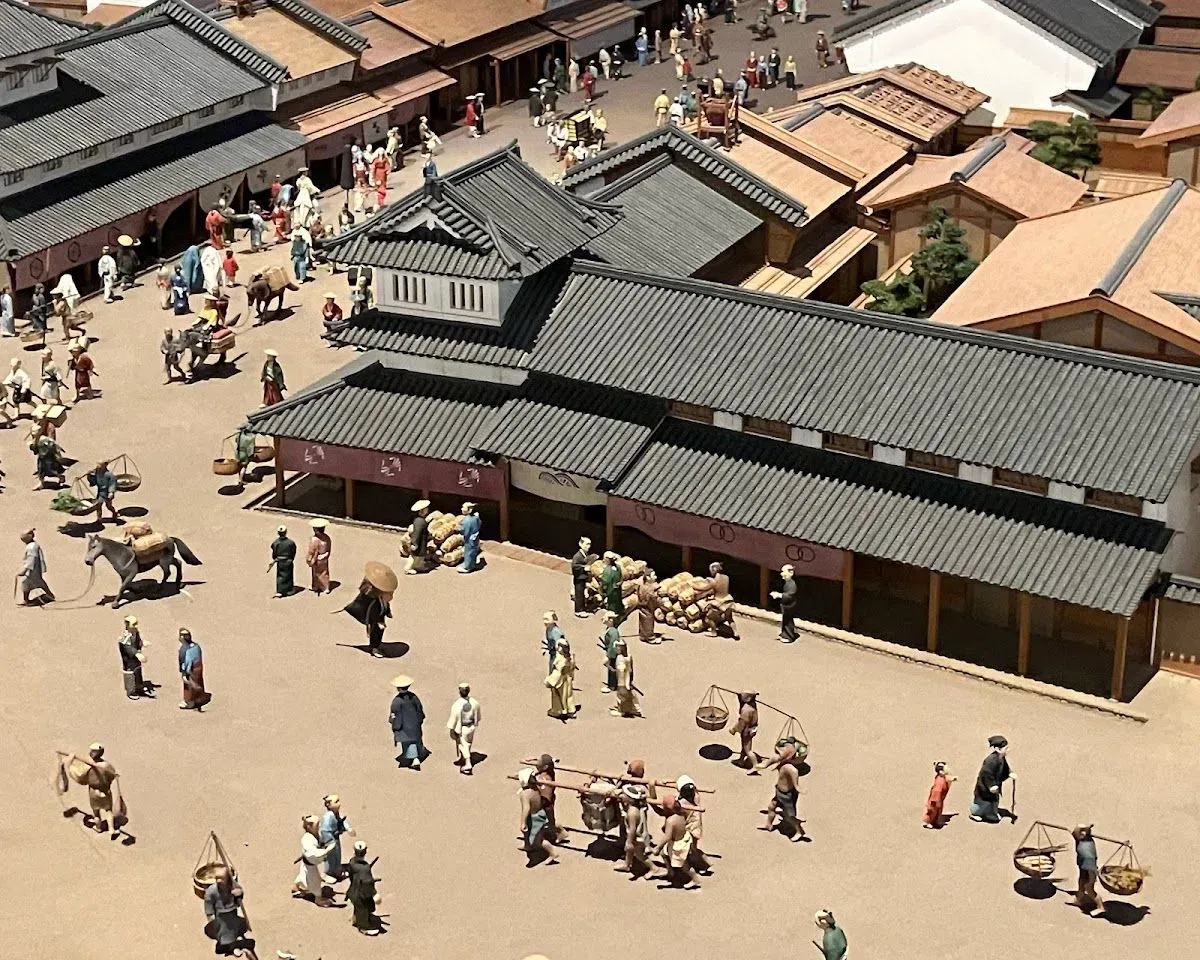
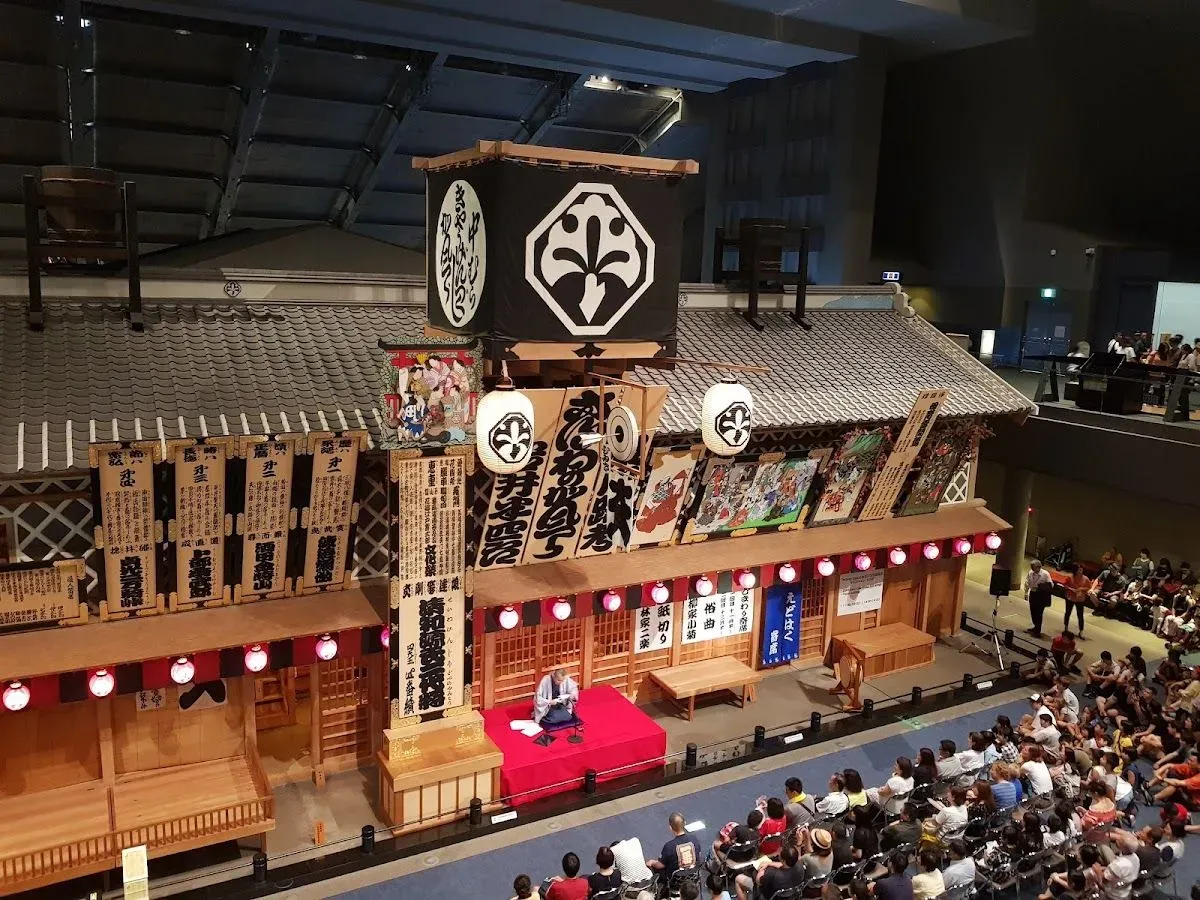
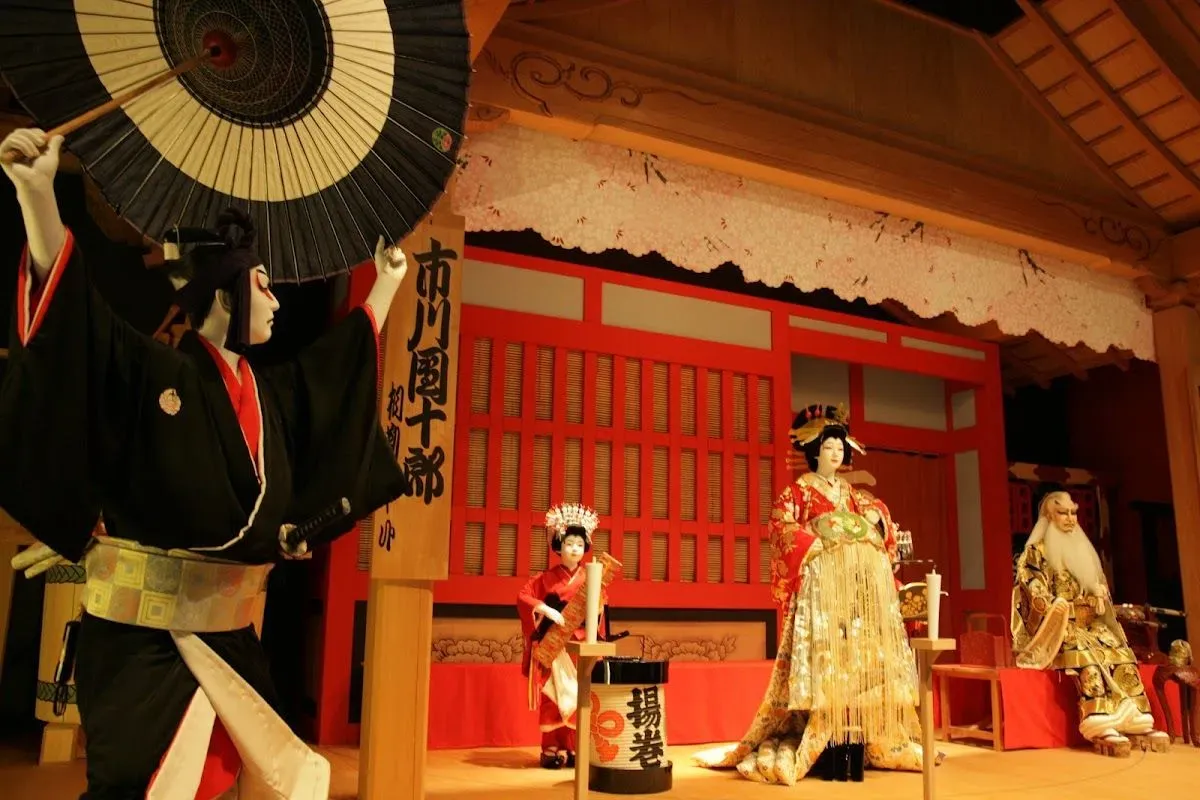
The Edo-Tokyo Museum is an immersive journey through the city's transformation from a 1590s fishing village to a modern metropolis. Inside, you'll walk across a life-sized replica of the historic Nihonbashi Bridge and explore scale models of kabuki theaters and Edo-period tenements. It is a highly interactive experience where you can lift traditional firemen's standards and peer inside detailed miniatures.
What Japanese guides note
The permanent exhibition spans roughly 9,000 square meters across the fifth and sixth floors, requiring two to three hours to navigate systematically. During Grand Sumo tournament seasons in January, May, and September, crowds arriving for matches at adjacent Ryogoku Kokugikan heavily congest nearby station turnstiles and chankonabe establishments. Travelers typically pair the museum with walks through the adjacent Kyu-Yasuda Teien traditional strolling garden and the Sumida Hokusai Museum.
Details from local sources
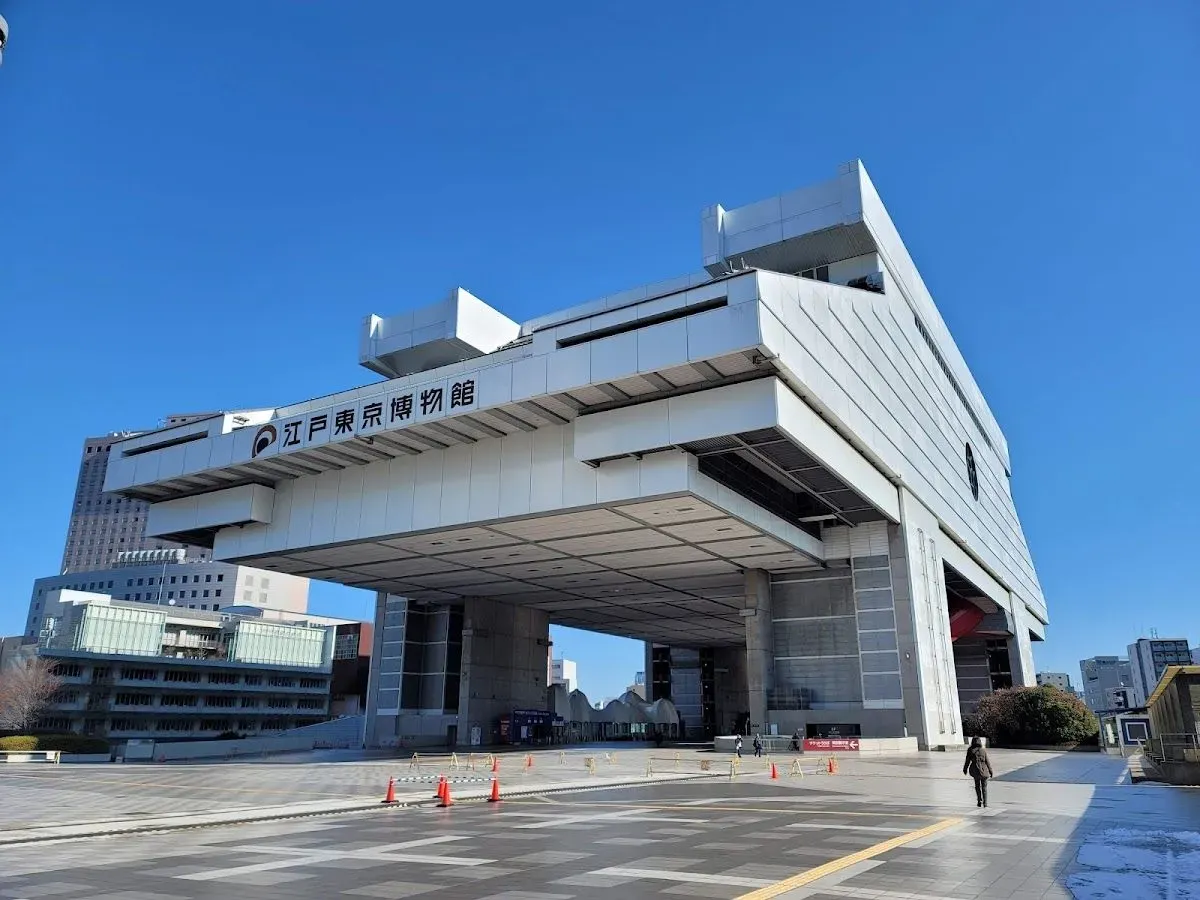
- The building was designed by architect Kiyonori Kikutake to reach an exterior height of approximately 62 meters, deliberately matching the height of Edo Castle's historic tenshu keep. [source]
- The full-scale wooden replica of Nihonbashi reconstructs only the northern half of the 1806 span, measuring 14 ken using authentic keyaki and hinoki timber. [source]
- The museum completed a four-year closure for comprehensive facility renovations on March 31, 2026. [source]
- The scale diorama of the Ryogokubashi West bank features approximately 1,500 individually sculpted human figures depicting town life before the Tenpo Reforms. [source]
- The life-sized Nakamura-za theater facade reproduces the playhouse as it stood during the 1805 Kaomise run, featuring painted signboards rendered by Torii school master Torii Kiyomitsu IX. [source]
- Outside meals are banned inside the exhibition halls, but visitors are permitted to bring and eat bento on the covered 4,000-square-meter third-floor open-air plaza. [source]
Insider Tip
Check the museum's website before going; it has been closed for a massive multi-year renovation and is slated to reopen in late 2025.
Frequently asked
Is the Edo-Tokyo Museum currently open after its major renovation?
Yes. Following an extensive four-year closure for facility repairs that started on April 1, 2022, the museum reopened to the public on March 31, 2026. The work upgraded exhibition lighting, installed new architectural video projections on the plaza, and updated environmental control systems across all exhibition galleries.
Which station exit offers the fastest walk to the museum?
Take the Toei Oedo Line to Ryogoku Station and depart via Exit A3 or A4, which leads onto the grounds in one minute. Alternatively, use the West Exit of JR Ryogoku Station on the Sobu Line, which arrives at the museum perimeter within three minutes on foot.
Can visitors actually walk across the Nihonbashi Bridge replica?
Yes. Visitors enter the permanent exhibition on the sixth floor by walking across the life-sized timber replica of Nihonbashi. Constructed from authentic Japanese cypress and zelkova, the northern half span provides an elevated vantage point looking down onto the fifth-floor Edo townscape exhibits.
Are English audio guides and labels available throughout the exhibits?
Yes. Visitors can access free multilingual audio guides on their own smartphones by scanning QR codes provided in the lobby. Major dioramas, interactive machines, and reconstructed town quarters also include printed English and Japanese wall plaques explaining urban development from 1590 through the post-war Showa period.
Can you eat lunch inside the museum?
Eating and drinking are prohibited in the permanent and temporary galleries. However, visitors carrying boxed lunches may eat outdoors underneath the covered third-floor Edo-Tokyo Hiroba plaza. The museum building also operates on-site restaurants and cafes for visitors wishing to dine without leaving the complex.
Our Tokyo walking tours


Photos