Edo-Tokyo Open Air Architectural Museum
Good to know before you go
- Getting there
- Musashi-Koganei Station · 25 min walk (JR Chūō Line)
- Hours
- Apr–Sep: 9:30 AM–5:30 PM; Oct–Mar: 9:30 AM–4:30 PM (last entry 30 min before closing); closed Mondays (or following weekday if Monday is a holiday) and Dec 28–Jan 4
- Admission
- ¥400 (adults), ¥320 (university students), ¥200 (high school students & seniors 65+), Free (junior high school students and under)
- Time needed
- 2–3 hours
- Best time to go
- Late March to early April when Koganei Park's cherry trees flower, or weekday mornings right at 9:30 AM before tour groups arrive
Hours can change on holidays — check the official site before travelling.
About
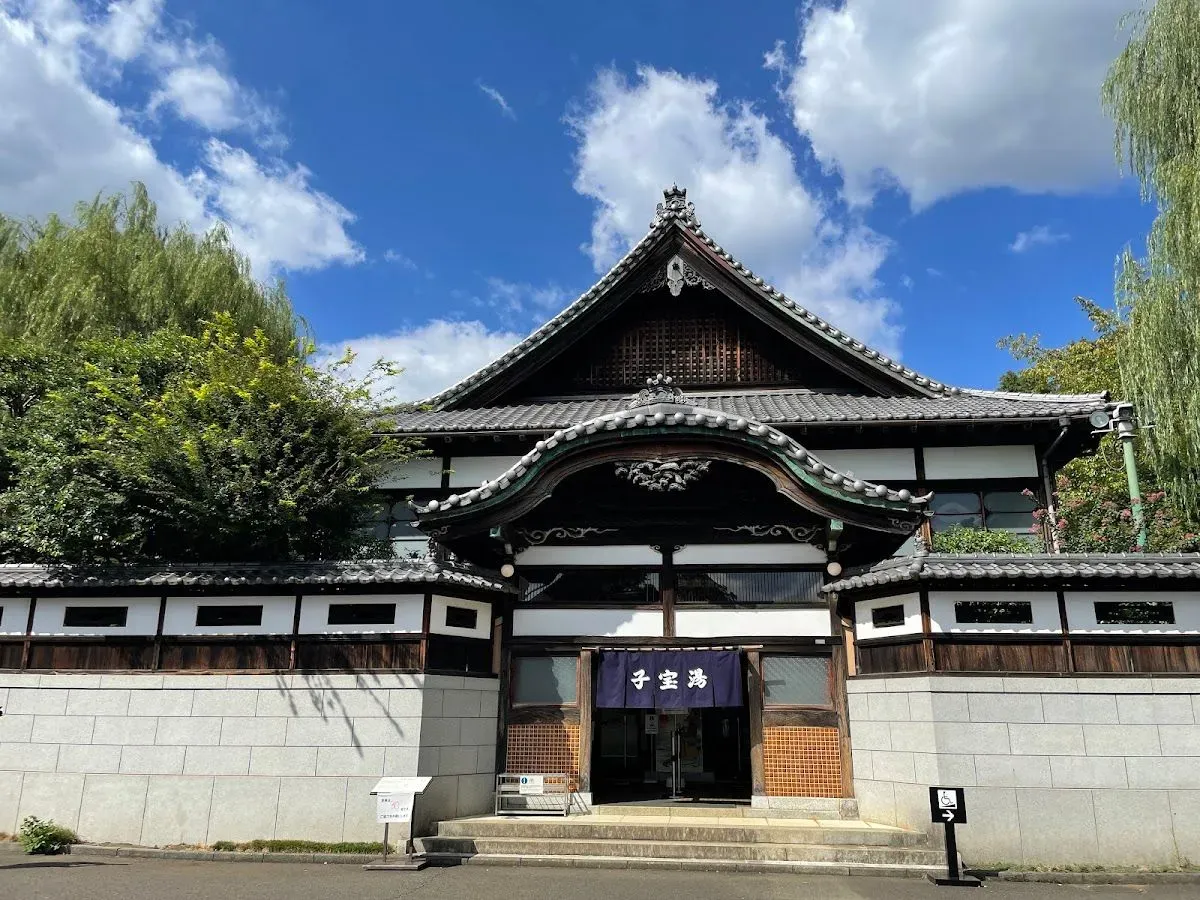
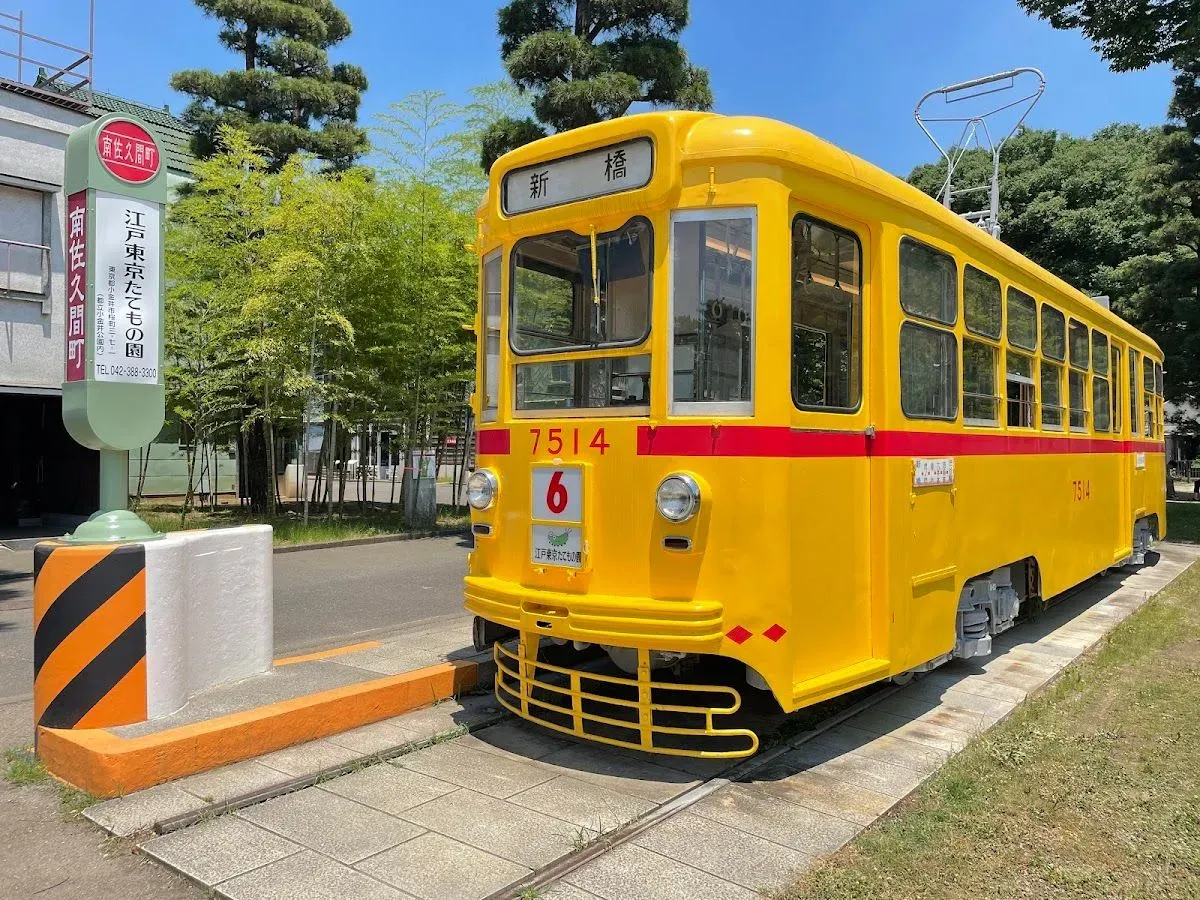
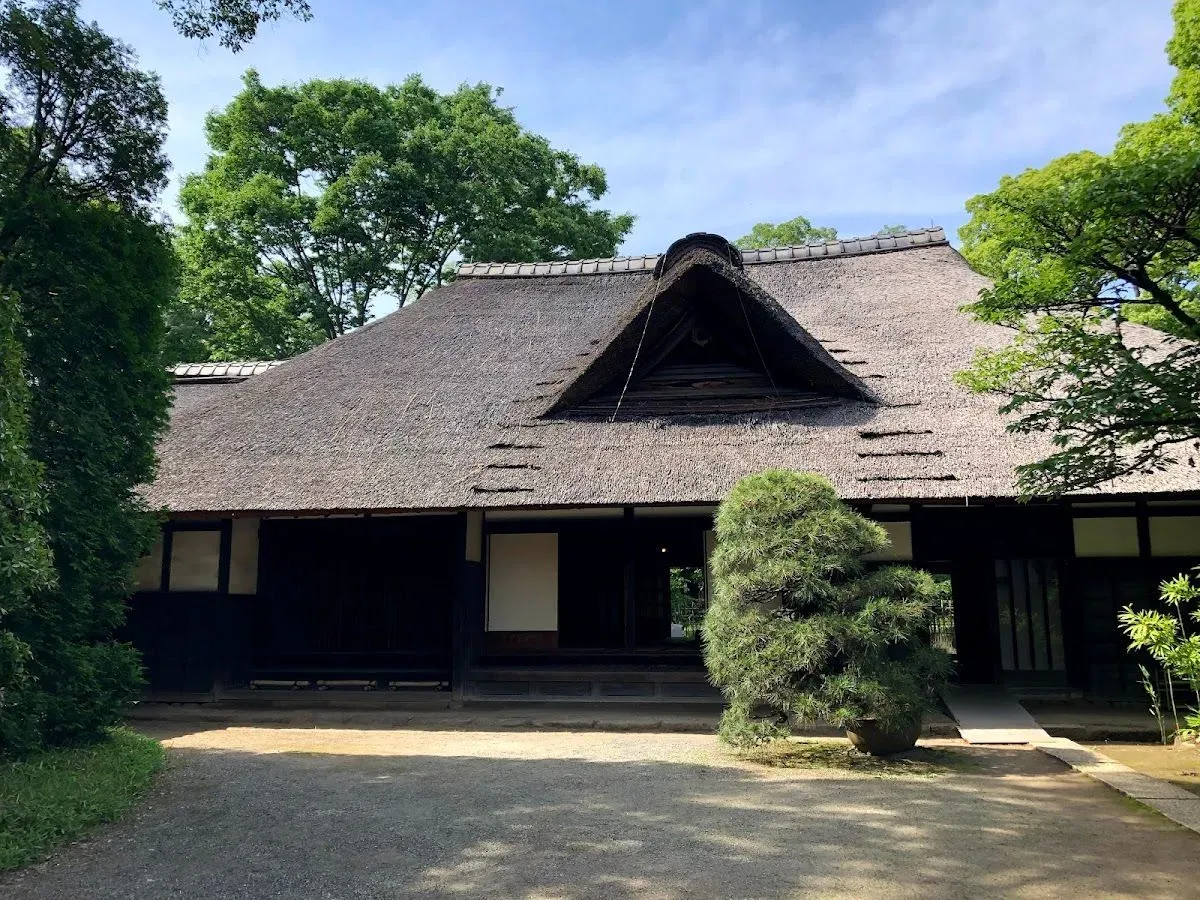
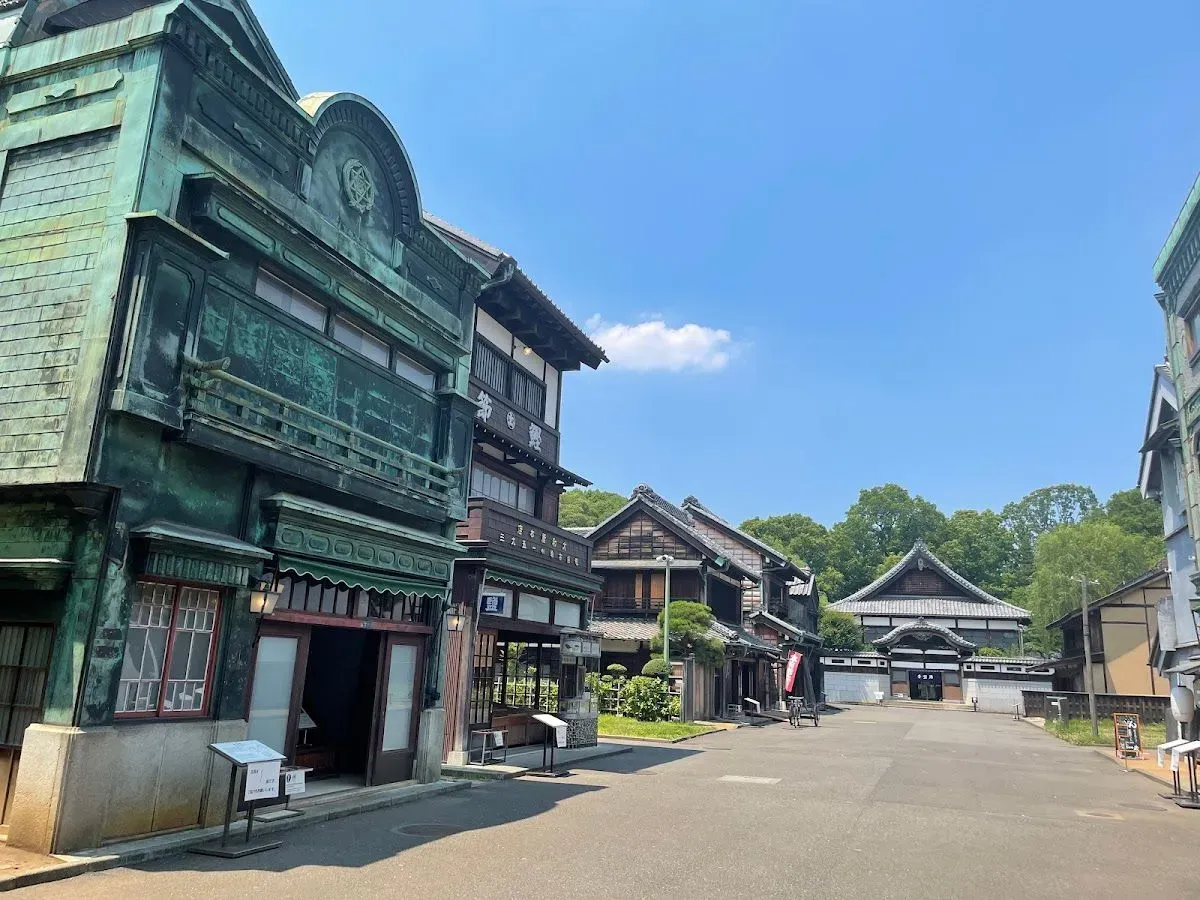
Located in Koganei Park, this open-air museum preserves and exhibits historic Japanese buildings from the Edo period to the mid-20th century. Visitors can wander through fully reconstructed farmhouses, elegant residences, and a nostalgic Shitamachi downtown street complete with a public bathhouse and soy sauce shop. It offers a peaceful, immersive walk through Tokyo's architectural past away from the modern skyscrapers.
What Japanese guides note
Japanese guides emphasize that navigating the museum's 7-hectare outdoor terrain requires substantial walking, and exploring the interiors necessitates frequently slipping shoes off and on. Most transit passengers take the five-minute bus ride from the North Exit of Musashi-Koganei Station to the Koganei-kōen-nishiguchi stop rather than walking the two kilometers on foot. The facility is not a replica village, but an open-air branch of the Edo-Tokyo Museum established in 1993 to preserve 30 original historical structures relocated from across Tokyo.
Details from local sources
- Visitors must repeatedly remove their footwear to inspect tatami and wooden interiors across the 30 preserved structures, carrying their shoes in plastic bags handed out at entrances. [source]
- The second-floor tatami room of the 1902 Takahashi Korekiyo Residence is the actual assassination site where Finance Minister Korekiyo Takahashi was shot during the February 26 Incident in 1936. [source]
- The green caterpillar museum mascot, Edomaru, was created in June 1999 by animation director Hayao Miyazaki. [source]
- The museum's Visitor Center is itself a historic structure known as Kōkaden, constructed in 1940 at the Imperial Palace Outer Garden for the 2,600th Imperial Year celebration ceremony before being transferred to Koganei. [source]
- The 1927 stationery shop Takei Sanshōdō and the 1929 Kodakara-yu public bathhouse served as direct visual references for Kamaji's boiler room and the bathhouse in Studio Ghibli's Spirited Away. [source]
- General admission to the open-air museum is waived for all visitors every year on Tokyo Citizens Day, October 1. [source]
Insider Tip
Bring slip-on shoes, as you must frequently remove your footwear to step inside and explore the beautifully preserved historic interiors.
Frequently asked
How do you reach the museum by public transit from central Tokyo?
Take the JR Chūō Line to Musashi-Koganei Station. From north exit bus stops 2 or 3, take a Seibu bus for five minutes to Koganei-kōen-nishiguchi and walk five minutes, or take a Kantō bus from stop 4 to Edo-Tokyo-tatemono-en-mae.
Are there food and drink options inside the museum?
Musashino Sabō operates inside the Western-style De Lalande Residence, serving drinks, curry, and sweets. A noodle shop in the East Zone's merchant building serves Musashino udon, and visitors can eat outside food in designated outdoor areas or rest lounges.
Are lockers and stroller services available on-site?
Free coin-return luggage lockers are available inside the Visitor Center. Wheelchairs and baby strollers can also be borrowed free of charge from the information counter upon arrival, although strollers must be parked outside historic residences before entering.
Is photography allowed inside the buildings?
Handheld photography for personal use is permitted inside the museum grounds and historic interiors. Tripods, monopods, selfie sticks, and commercial equipment are strictly prohibited to prevent damaging original woodwork and blocking passages in narrow historic corridors.
Our Tokyo walking tours


Photos