Hamarikyu Gardens
Good to know before you go
- Getting there
- Shiodome Station · 5 min walk (Toei Oedo Line, Yurikamome)
- Hours
- 9:00–17:00 (last entry 16:30); closed December 29–January 1
- Admission
- ¥300 (adults), ¥150 (seniors 65+), free (elementary school students and younger)
- Time needed
- 60–90 min
- Best time to go
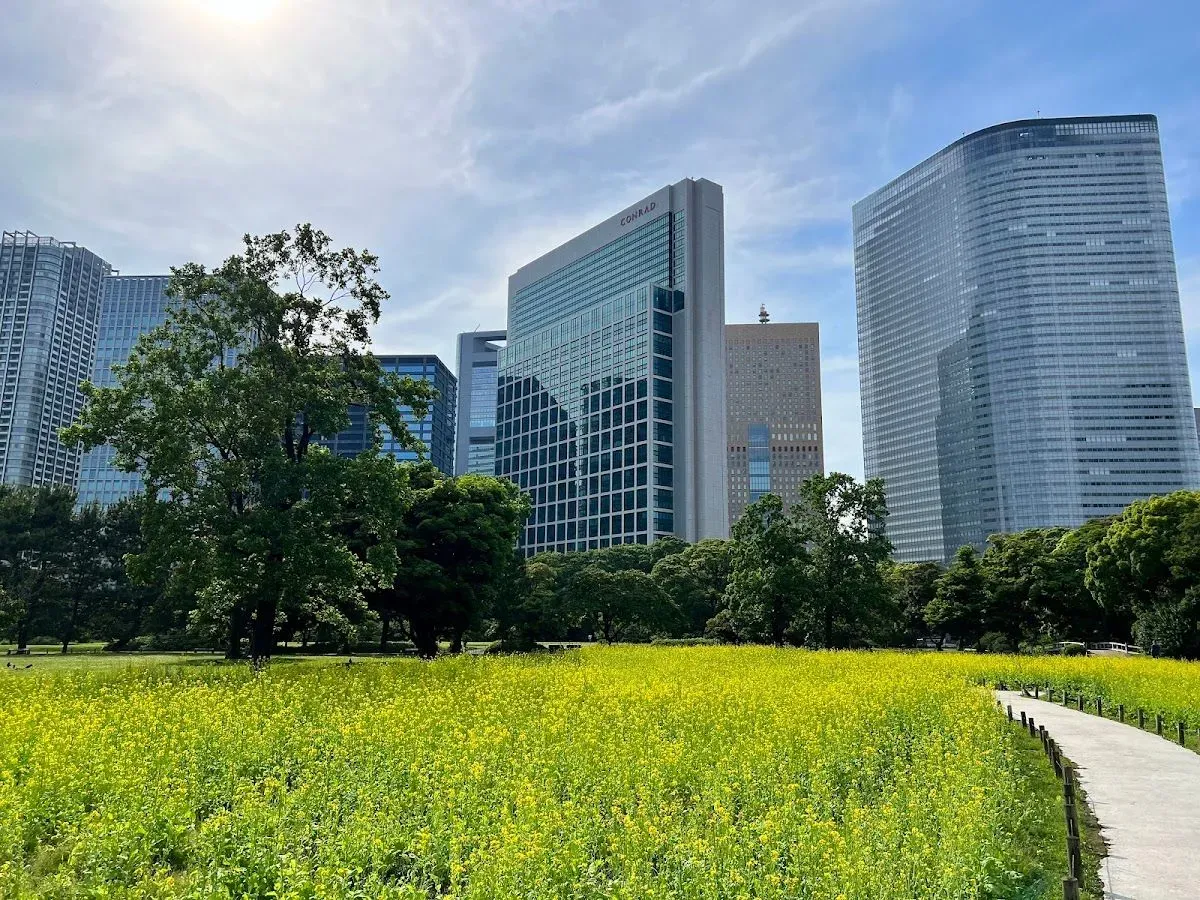
- Morning or late afternoon to avoid midday sun exposure across the open grounds, or during the rapeseed bloom in February–March and cosmos bloom in August–October
Hours can change on holidays — check the official site before travelling.
About
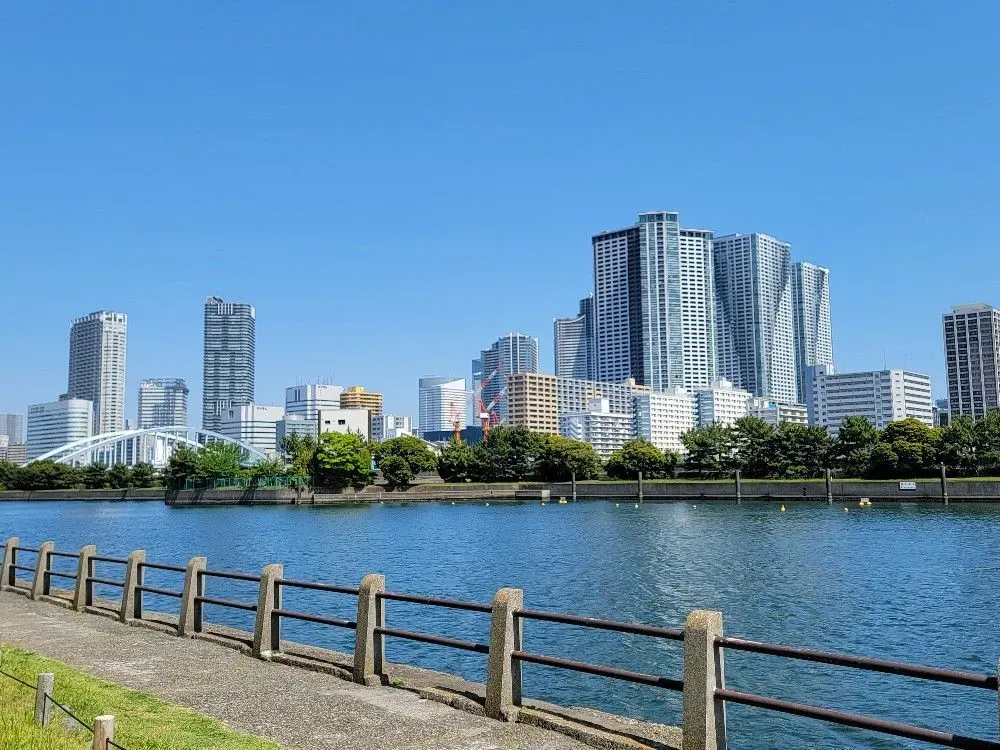
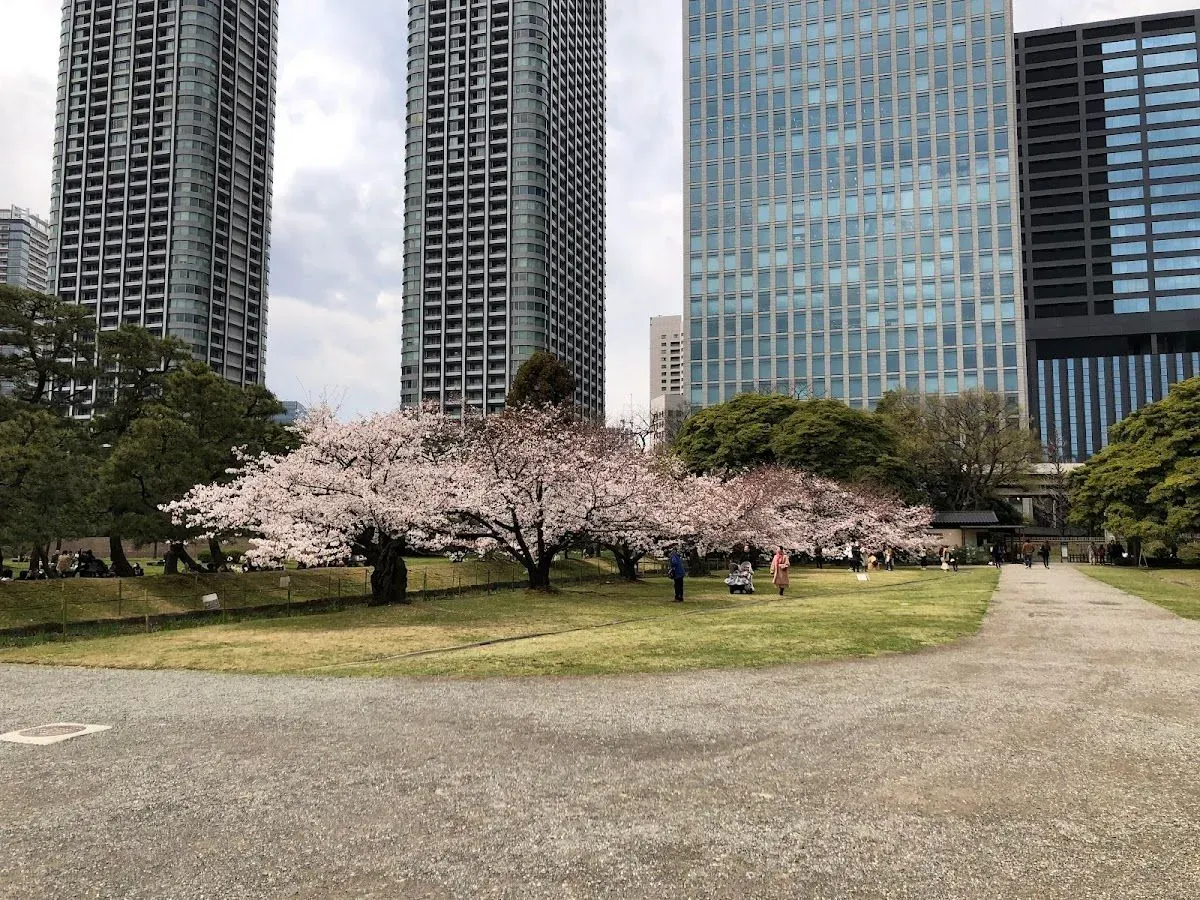
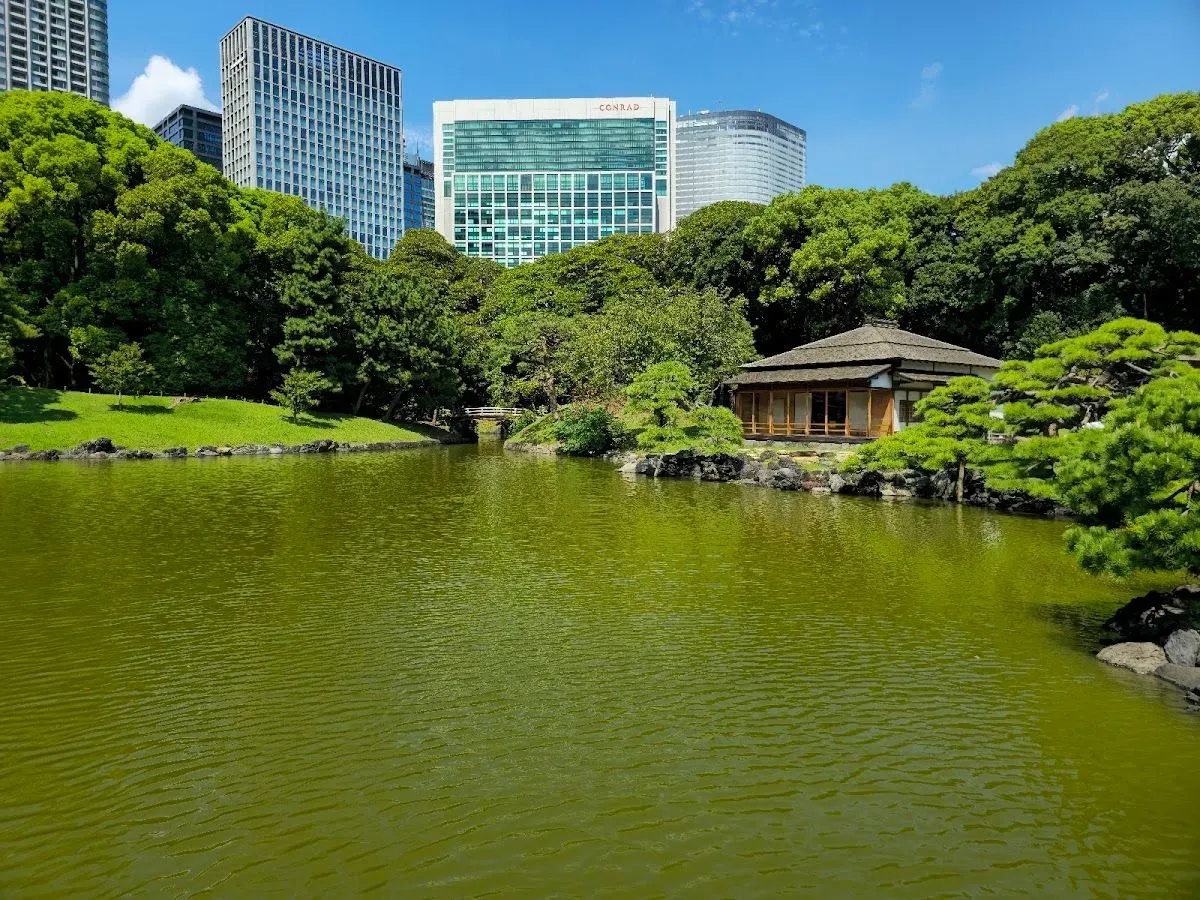
This historic Edo-period garden offers a striking contrast of traditional landscapes set against Shiodome's modern skyscrapers. Formerly a shogun's hunting ground, it features Tokyo's only remaining seawater pond, which rises and falls with Tokyo Bay's tides. Visitors can cross wooden bridges to a central teahouse for matcha while enjoying the unique mix of manicured pine trees, seasonal flowers, and futuristic city views.
What Japanese guides note
The grounds cover 250,000 square meters with minimal tree shade on the primary paths, so visiting during early morning or late afternoon hours is recommended in warmer months. Picnic blankets are permitted only within designated turf sections at the Inner Moat Plaza and Outdoor Table Plaza, and alcohol is barred throughout the park. Visitors often integrate the garden into walking itineraries from Tsukiji Outer Market via Otemon Gate, or board the Tokyo Cruise water bus directly from the garden pier toward Asakusa.
Details from local sources
- Standing near Otemon Gate, the Sanbyakunen no Matsu (300-Year-Old Pine) is a Japanese black pine planted in 1709 during renovations led by the sixth Tokugawa shogun, Ienobu. [source]
- The park preserves two Edo-period duck hunting blinds, Koshindo Kamoba (built 1778) and Shinzenza Kamoba (built 1791), where hunters hid behind earthen berms and used tame decoy ducks to trap wildfowl in narrow canals. [source]
- Between 2010 and 2018, the Tokyo Metropolitan Government reconstructed three historical teahouses based on Edo-period records: Matsu no Ochaya in 2010, Tsubame no Ochaya in 2015, and Taka no Ochaya in 2018. [source]
- Visitors can access the garden through two gates on opposite moats: Otemon Gate near Tsukijishijo Station and Nakanogomon Gate near Shiodome Station. [source]
- Admission to the garden is waived for all visitors on Greenery Day (May 4) and Tokyo Citizens' Day (October 1). [source]
Insider Tip
Arrive by Tokyo Water Bus from Asakusa; the ferry docks directly inside the garden, offering a scenic and unique way to enter.
Frequently asked
Which entrance gate is best to use?
Otemon Gate is located on the north side, a 7-minute walk from Tsukijishijo Station and convenient when arriving from Tsukiji Outer Market. Nakanogomon Gate sits to the west, just a 5-minute walk from Exit 10 of Shiodome Station.
Can you eat lunch or picnic inside the garden?
Yes, but restrictions apply. Visitors may consume personal packed food on park benches or on picnic blankets in the Inner Moat Plaza and Outdoor Table Plaza. Alcoholic beverages are barred across the grounds, and no sit-down restaurants operate inside.
How does the tidal seawater pond work?
The Shioiri no Ike pond connects directly to Tokyo Bay through floodgates on the Tsukiji and Shiodome rivers. Caretakers adjust the sluice gates based on bay tides, causing water levels to rise and fall while supporting marine species like saltwater crabs and barnacles.
Are pets allowed inside Hamarikyu Gardens?
No. Pets are barred from the garden grounds, including animals carried in strollers or bags, and staff do not store pets at entrance booths. Only certified assistance animals, including service and guide dogs, are allowed entry with their handlers.
Our Tokyo walking tours


Photos