Hibiya Park
Good to know before you go
- Getting there
- Hibiya Station · 1 min walk (Tokyo Metro Hibiya Line, Tokyo Metro Chiyoda Line, Toei Mita Line)
- Hours
- Open 24 hours (Service Center: 8:30–17:30, closed during New Year holidays)
- Admission
- Free (fees apply to certain facilities)
- Time needed
- 45–90 min
- Best time to go
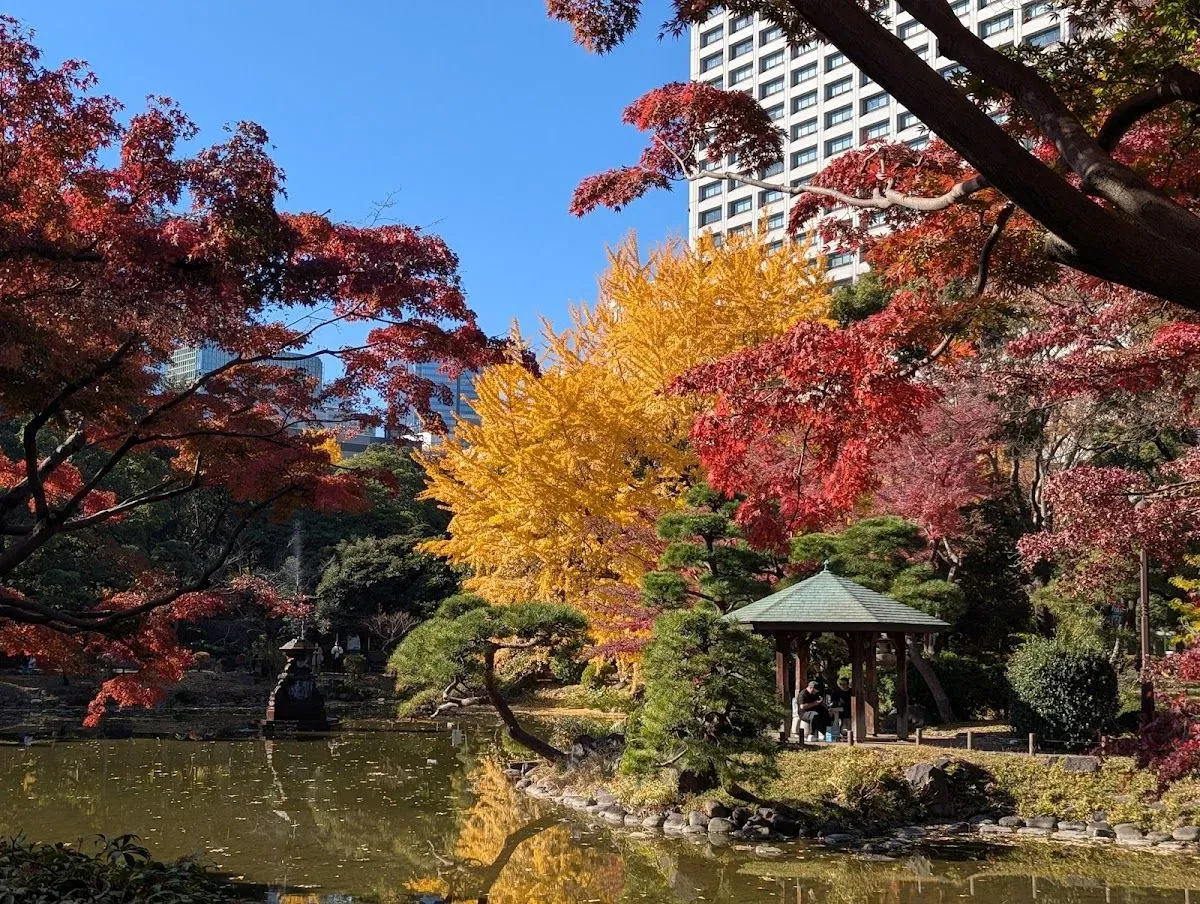
- Late November to early December for the golden foliage along the Meiji-era S-shaped ginkgo path and at the 400-year-old Kubikake Ginkgo, or early to mid-November for the annual Tokyo Tourism Chrysanthemum Exhibition
Hours can change on holidays — check the official site before travelling.
About
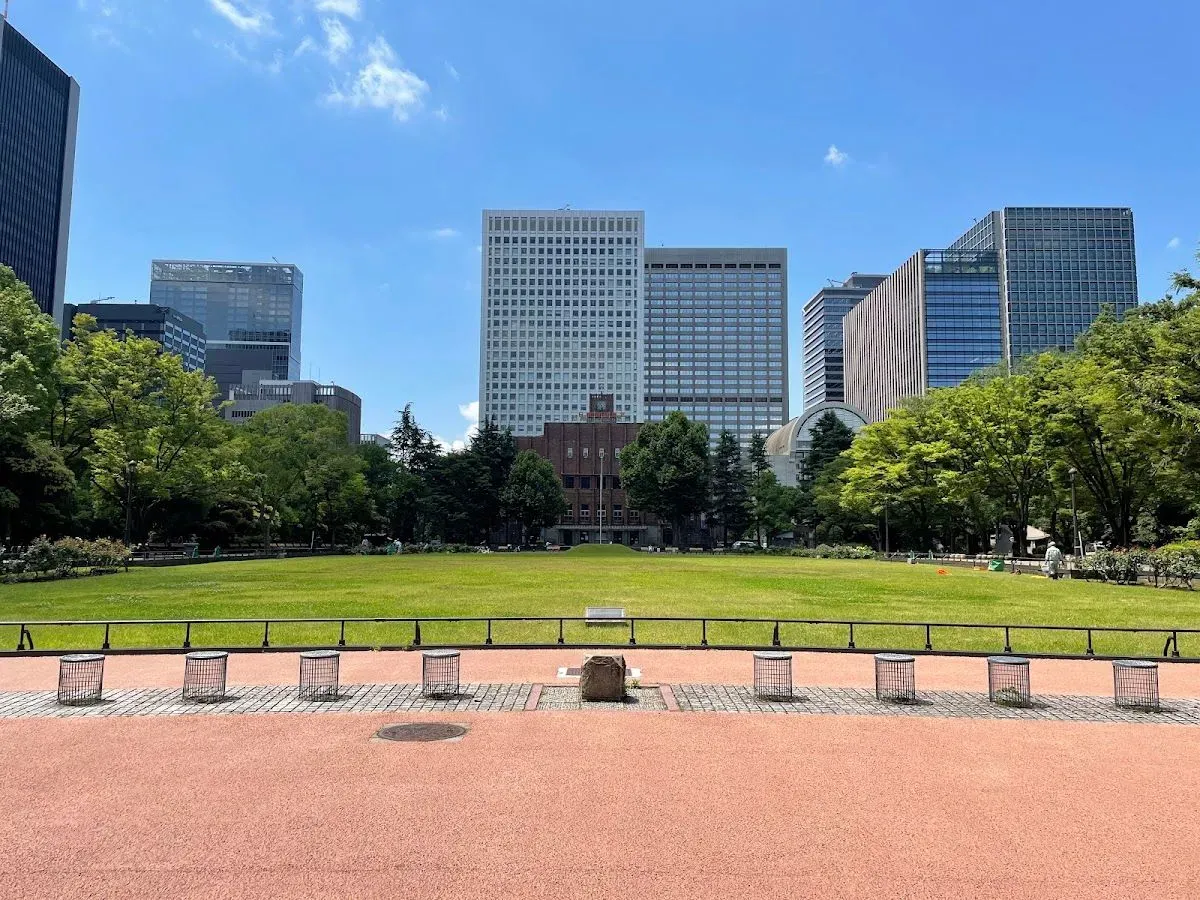
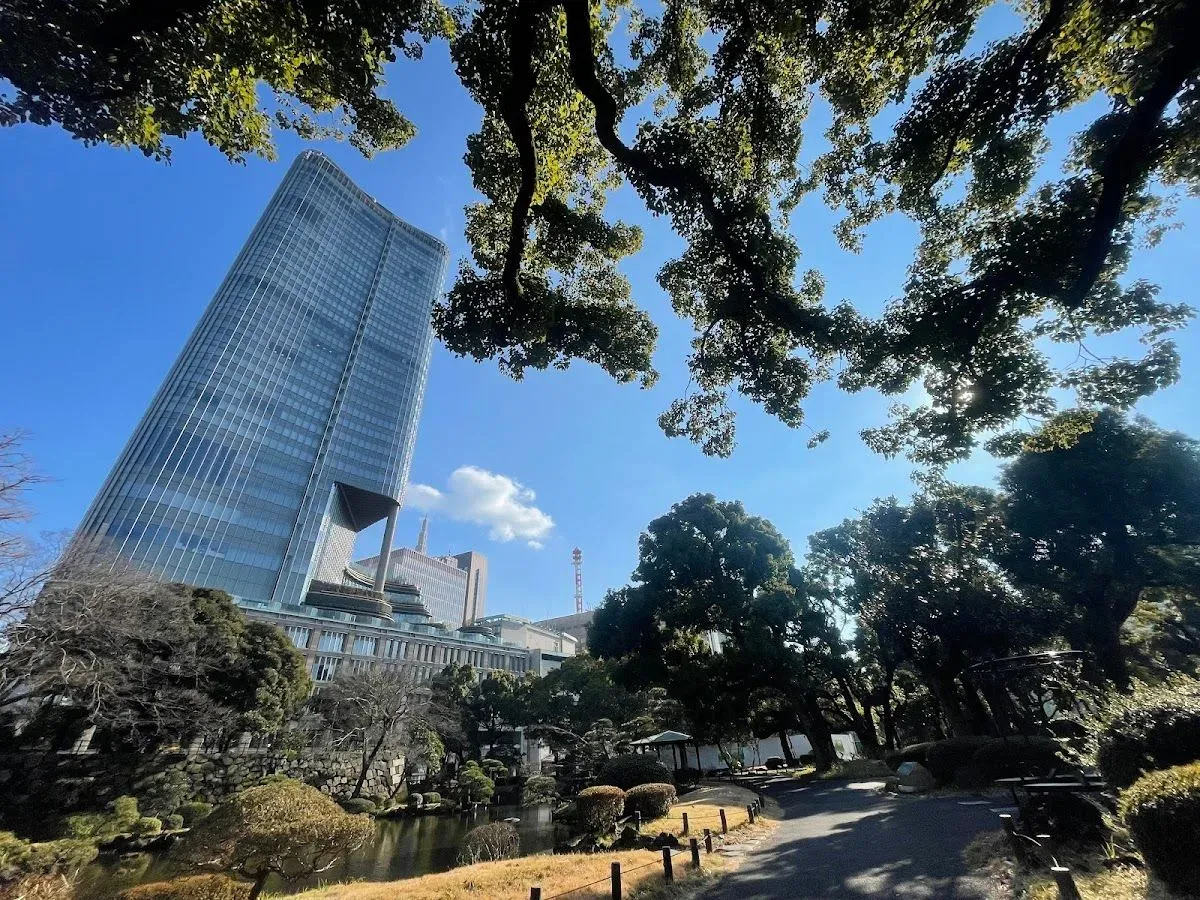
Opened in 1903 as Japan's first Western-style public park, Hibiya Park is a historic, 40-acre green oasis nestled between the skyscrapers of Chiyoda and the Imperial Palace. It is worth visiting to admire its seasonal flower displays, central fountain, and historic buildings like the Shisei Kaikan. Visitors can expect a tranquil escape featuring quiet walking paths, cozy beer gardens, and frequent weekend cultural festivals.
What Japanese guides note
Hibiya Park is undergoing phased reconstruction through 2033, meaning several central zones such as the Great Fountain and the Small Concert Hall are barricaded behind construction walls. The grounds connect the Imperial Palace Outer Gardens to Kasumigaseki, Yurakucho, and Ginza. All wheeled transport—including pushing or riding bicycles and scooters—is banned inside the gates, and pets must remain leashed at all times.
Details from local sources
- The Kubikake Ginkgo beside Matsumoto-ro was moved 450 meters over 25 days in 1901 after park designer Dr. Seiroku Honda staked his career on saving the ancient tree from being felled for road expansion. [source]
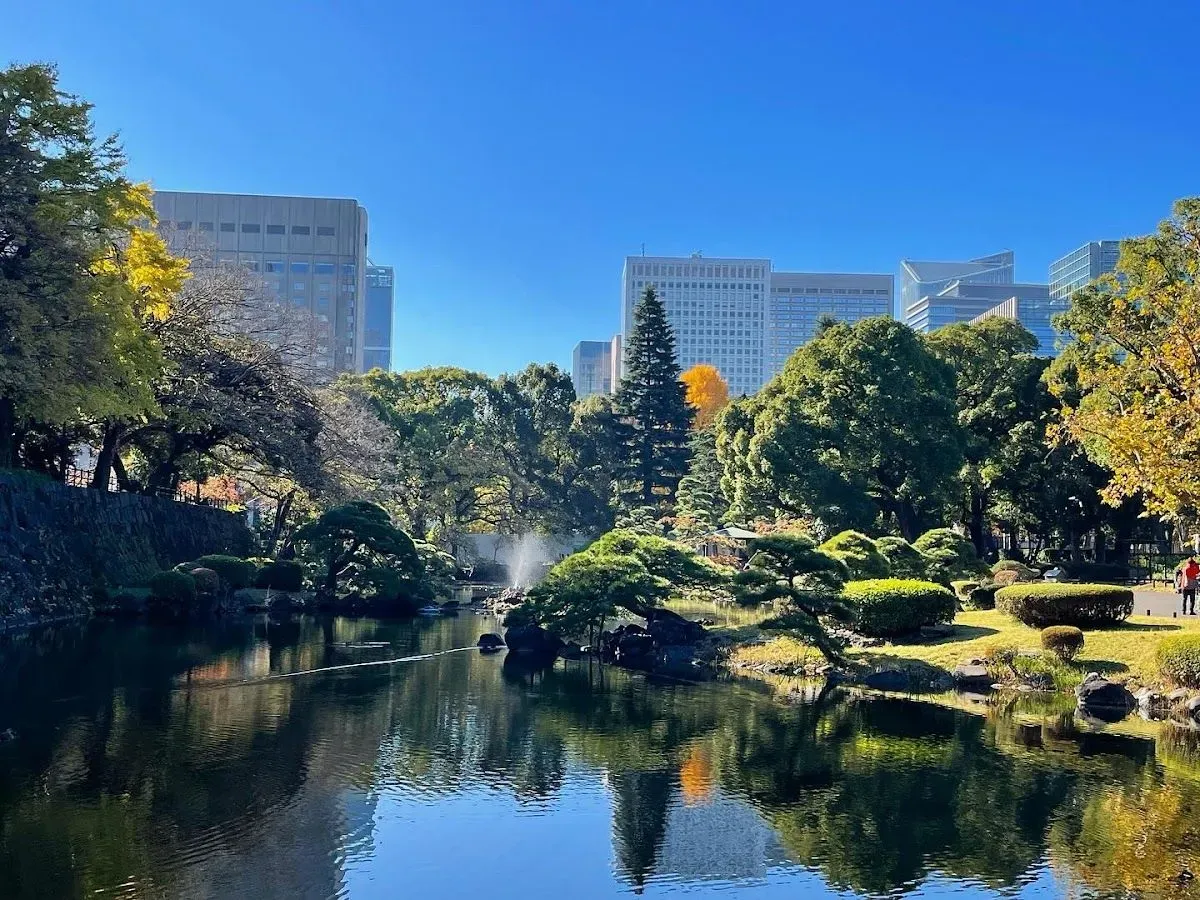
- Shinji Pond in the park's northeastern corner incorporates original stone ramparts from the Edo Castle Hibiya Mitsuke gate. [source]
- The bronze crane fountain in Kumogata Pond was created around 1905 by Tokyo Fine Arts School sculptors Shinobu Tsuda and Sessei Okazaki, making it the third oldest decorative park fountain in Japan. [source]
- Phased construction under the Tokyo Metropolitan Government's renewal project through 2033 has fenced off areas including the Great Fountain and the Small Concert Hall. [source]
- On-site restaurant Hibiya Matsumoto-ro has operated here since 1903 and hosts a traditional 10-yen charity curry day every September 25. [source]
Insider Tip
Visit the park's Matsumotoro restaurant, a historic Western-style eatery open since 1903, famous for its delicious curry.
Frequently asked
Are parts of Hibiya Park closed due to construction?
Yes. The Tokyo Metropolitan Government is executing phased renovations through 2033 to mark the park's 130th anniversary. Areas around the central Great Fountain and Small Open-Air Concert Hall are cordoned off for reconstruction, but surrounding paths, Shinji Pond, and the renovated Shibaniwa Lawn Square remain open.
What is the story behind the Kubikake Ginkgo tree?
Estimated at 400 to 500 years old, this massive tree stood at the nearby Hibiya intersection until 1901 road construction threatened it. Park designer Dr. Seiroku Honda pledged his career to save it, successfully moving the tree 450 meters over 25 days to its present spot beside Matsumoto-ro.
Where can I see Edo Castle history within Hibiya Park?
Visit Shinji Pond near Yurakumon Gate in the park's northeastern corner. This pond incorporates the preserved dry-stone masonry ramparts of the Edo Castle Hibiya Mitsuke gate, which formerly marked the checkpoint leading into the daimyo samurai quarter surrounding the shogun's castle grounds.
Does Hibiya Matsumoto-ro still operate inside the park?
Yes. Operating on the grounds since 1903, Matsumoto-ro serves Western yoshoku curries and omelet rice on its ground-floor garden terrace and French dining upstairs. Every September 25, it holds a famous charity event serving curry for only 10 yen, commemorating its rebuild after a 1971 fire.
Our Tokyo walking tours


Photos