Hotel New Otani Tokyo The Main
Good to know before you go
- Getting there
- Akasaka-mitsuke Station · 3 min walk (Tokyo Metro Ginza Line, Tokyo Metro Marunouchi Line)
- Hours
- Japanese Garden: 06:00–22:00; Hotel front desk: 24 hours
- Admission
- Free (Japanese Garden)
- Time needed
- 30–60 min (garden walk)
- Best time to go
- Evening from sunset to 24:00, when Motoko Ishii's year-round LED illumination lights the waterfalls and stone paths
Hours can change on holidays — check the official site before travelling.
About
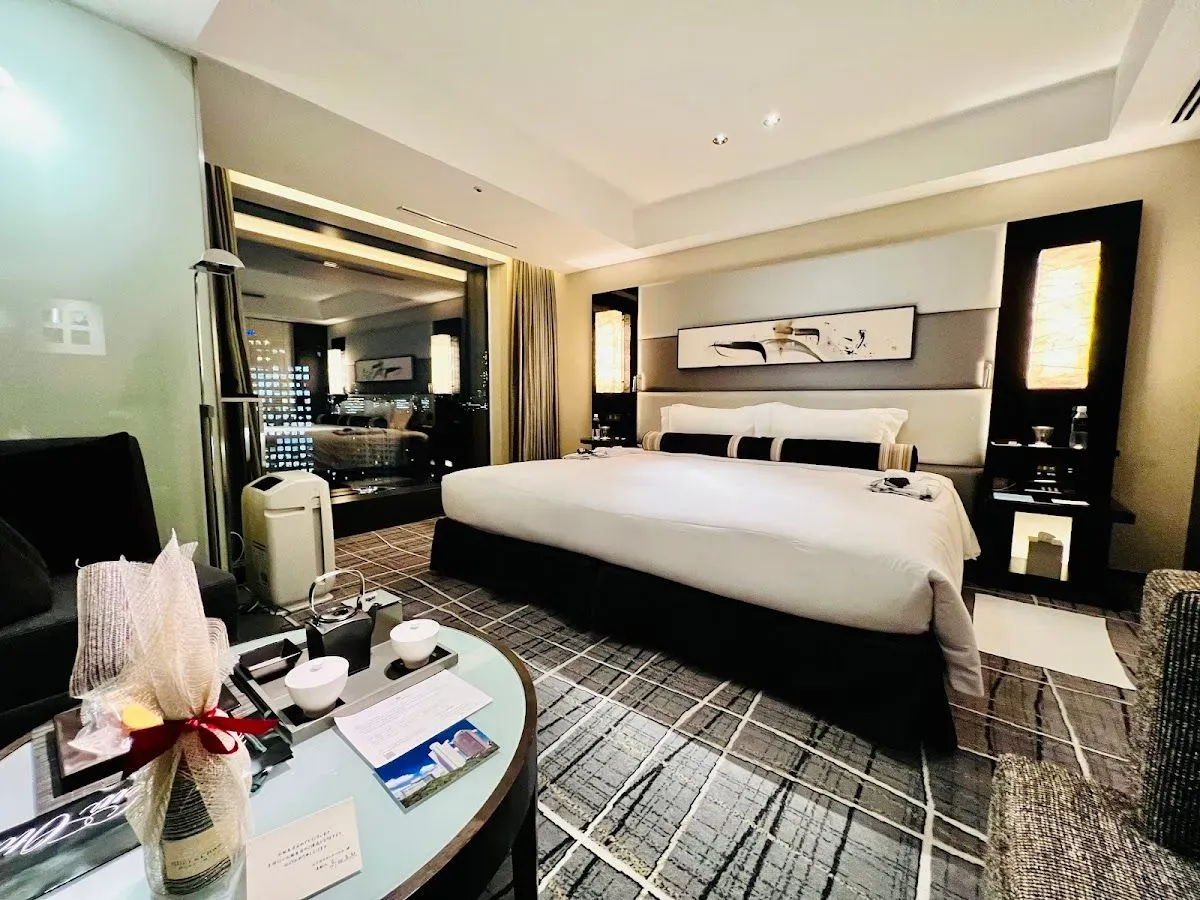
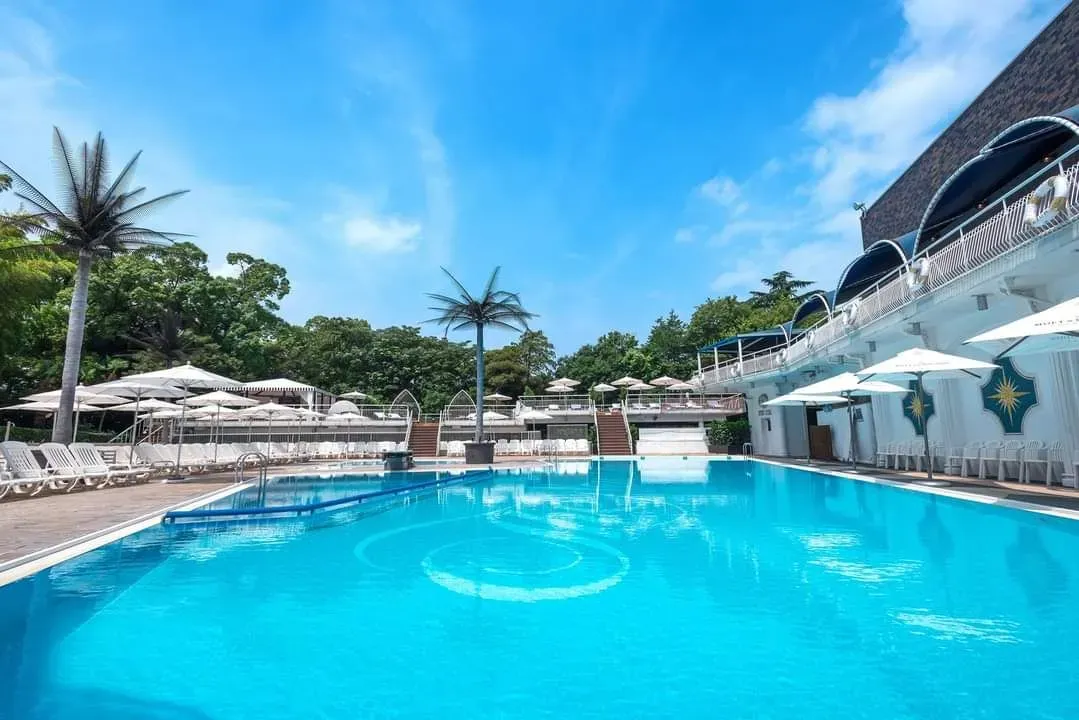
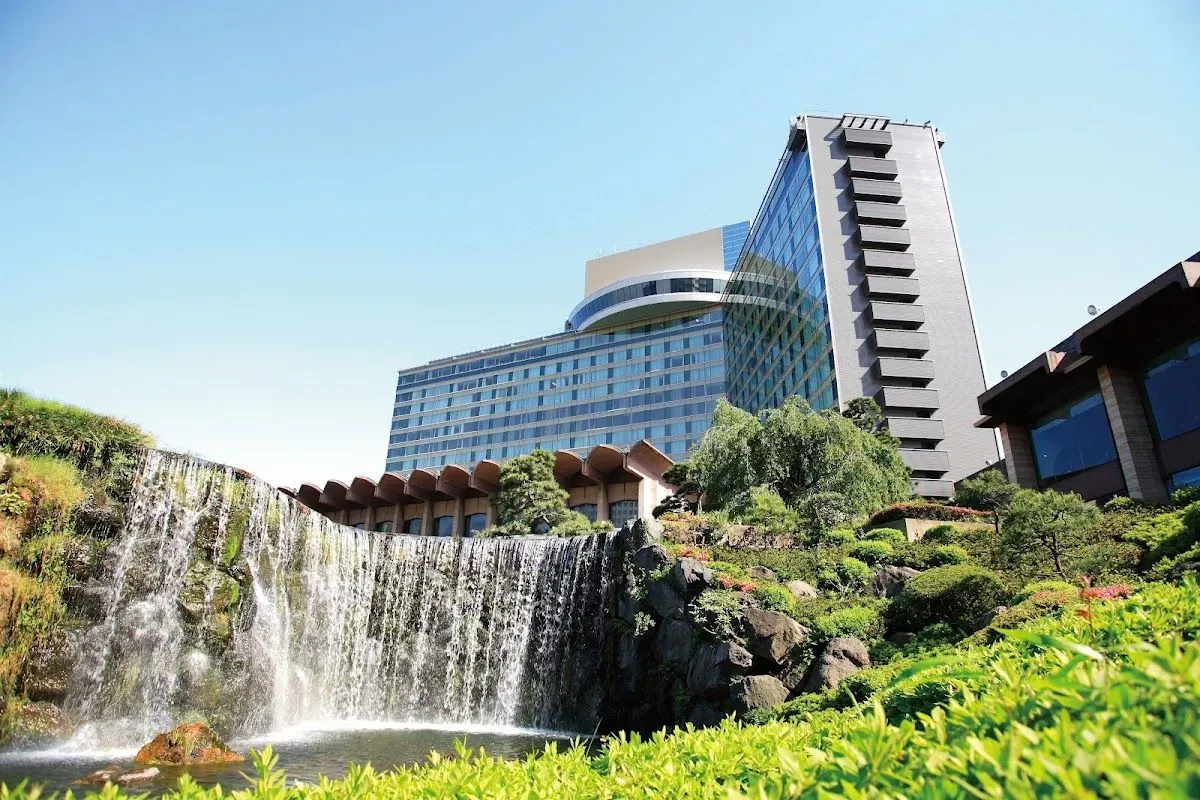
Hotel New Otani Tokyo The Main is a legendary luxury hotel in Chiyoda, famous for housing a spectacular, 400-year-old Japanese garden complete with waterfalls and red bridges. Guests can expect a self-contained urban resort experience featuring an astounding 42 restaurants and bars, high-end shops, and peaceful spas. It is the perfect base for travelers seeking historic serenity alongside world-class, modern amenities in the heart of Tokyo.
What Japanese guides note
The 10,000-tsubo Japanese garden is freely accessible to non-staying members of the public daily from 6:00 to 22:00, with direct outdoor pathways bypassing the hotel lobby. Official hotel transit guidelines emphasize that while Nagatacho Station's Exit 7 is technically only 3 minutes away, it has extensive staircases, making Akasaka-mitsuke Station Exit D much better suited for visitors with strollers, luggage, or wheelchairs. The grounds connect across Benkei Bridge directly into walking routes toward Shimizu-dani Park and the Akasaka Palace State Guest House.
Details from local sources
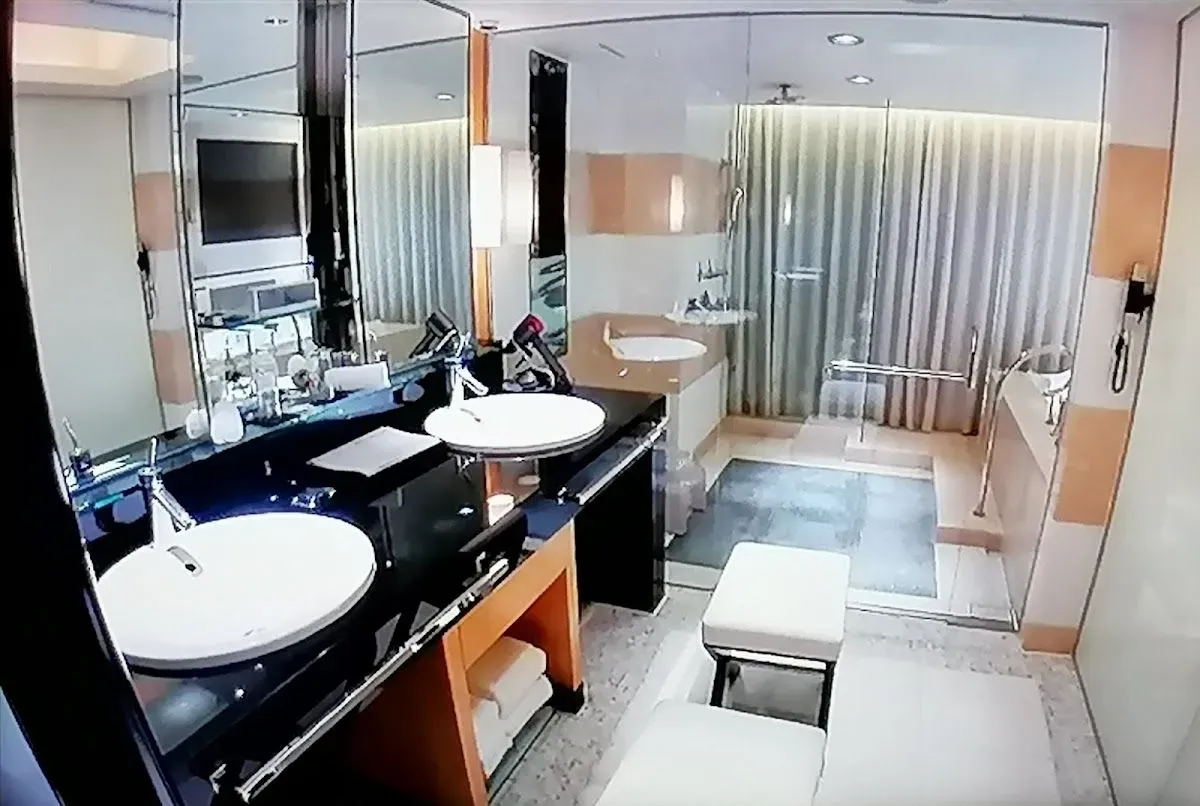
- The Main was constructed in 17 months to open in September 1964 for the Tokyo Olympics, debuting Japan's first mass-produced unit bathrooms and curtain-wall construction to meet the deadline. [source]
- The 10,000-tsubo garden was originally the Edo-period suburban residence of warlord Kato Kiyomasa before becoming the secondary residence of the Ii clan of Hikone. [source]
- The grounds house Japan's largest Sado Akadama-ishi red jasper stone, an irreplaceable geological relic weighing 22 metric tons brought from Sado Island's gold-mining region. [source]
- Sazanka-so, the kaiseki teahouse inside the garden, was originally founder Yonetaro Otani's personal residence and was redesigned into a sukiya-style building by architect Togo Murano. [source]
- The garden contains five historic stone lanterns dedicated by daimyo to the Tokugawa shoguns, salvaged and relocated from Ueno's Kanei-ji Temple. [source]
- Centuries-old podocarpus and Japanese nutmeg-yew trees growing on the property are designated as Natural Monuments by Chiyoda Ward. [source]
Insider Tip
Even if you aren't staying overnight, you can stroll the historic garden for free and enjoy a tea or cocktail overlooking the foliage.
Frequently asked
Can non-staying visitors access the Japanese garden for free?
Yes, the 10,000-tsubo Japanese garden is open to the public free of charge daily from 6:00 to 22:00. Visitors do not need room keys, restaurant receipts, or advance reservations, and they can enter directly via garden paths or through The Main's lobby level.
Which subway station exit offers the best access to The Main?
Akasaka-mitsuke Station via Exit D (Kioicho Exit) on the Ginza and Marunouchi lines is the most practical route, situated 3 minutes away on foot. Although Nagatacho Station Exit 7 is equally close, hotel guidance advises against it for strollers and wheelchairs due to long interior flights of stairs.
What time does the Japanese garden lighting turn on?
The garden illumination operates daily throughout the year, turning on roughly 30 minutes before sunset and remaining active until midnight. Created by lighting designer Motoko Ishii to mark the hotel's 50th anniversary, the display illuminates the 6-meter waterfall, the arched red drum bridge, and antique stone lanterns.
What historical estate stood on the hotel grounds during the Edo period?
The land was originally granted as a suburban villa to warlord Kato Kiyomasa during the early Edo era. Following the Kato family's forfeiture, the estate became the middle residence of the Ii clan of Hikone domain until the Meiji Restoration, later passing to Prince Fushimi.
Our Tokyo walking tours


Photos