Jingū Bashi (Shrine Bridge)
Good to know before you go
- Getting there
- Harajuku Station · 1 min walk (JR Yamanote Line)
- Admission
- Free
- Time needed
- 5–10 min
- Best time to go
- Morning hours when sunlight illuminates the stone pillars and foot traffic from Harajuku Station is light
About
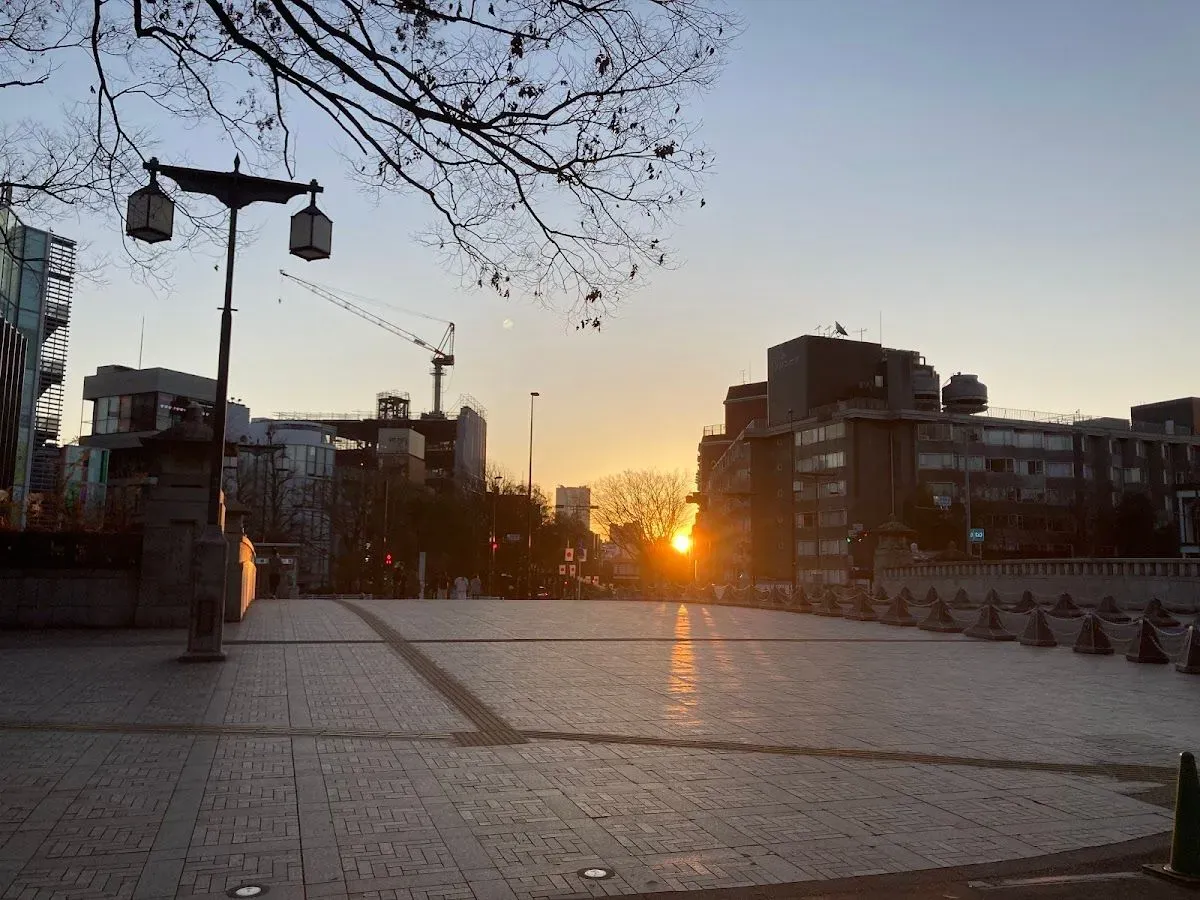
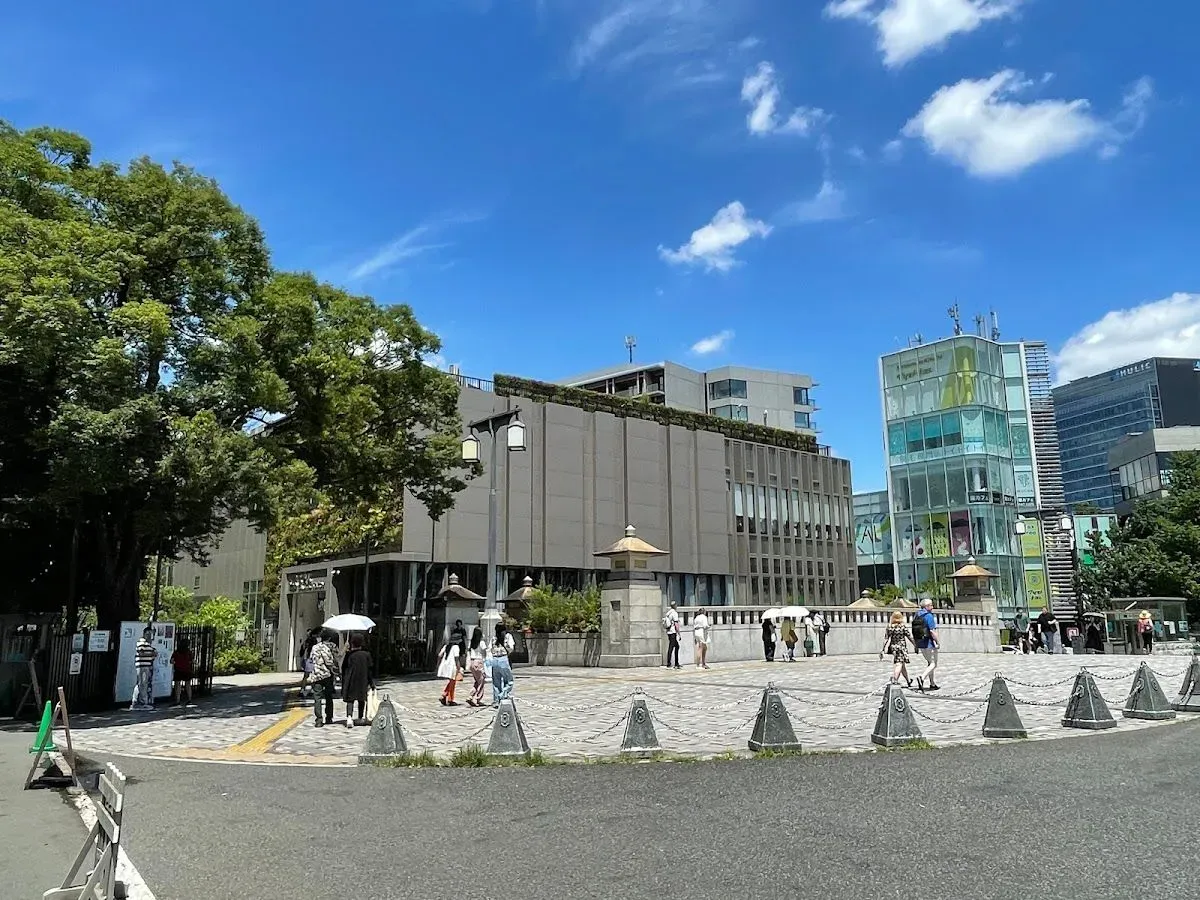
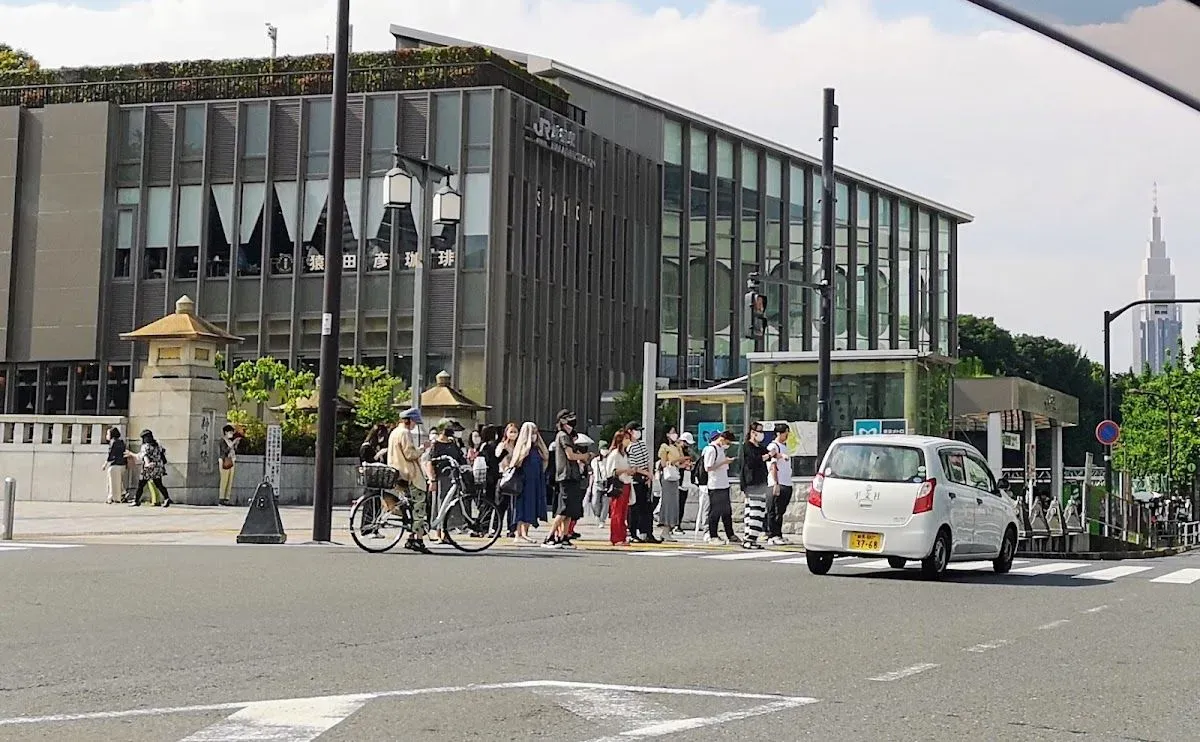
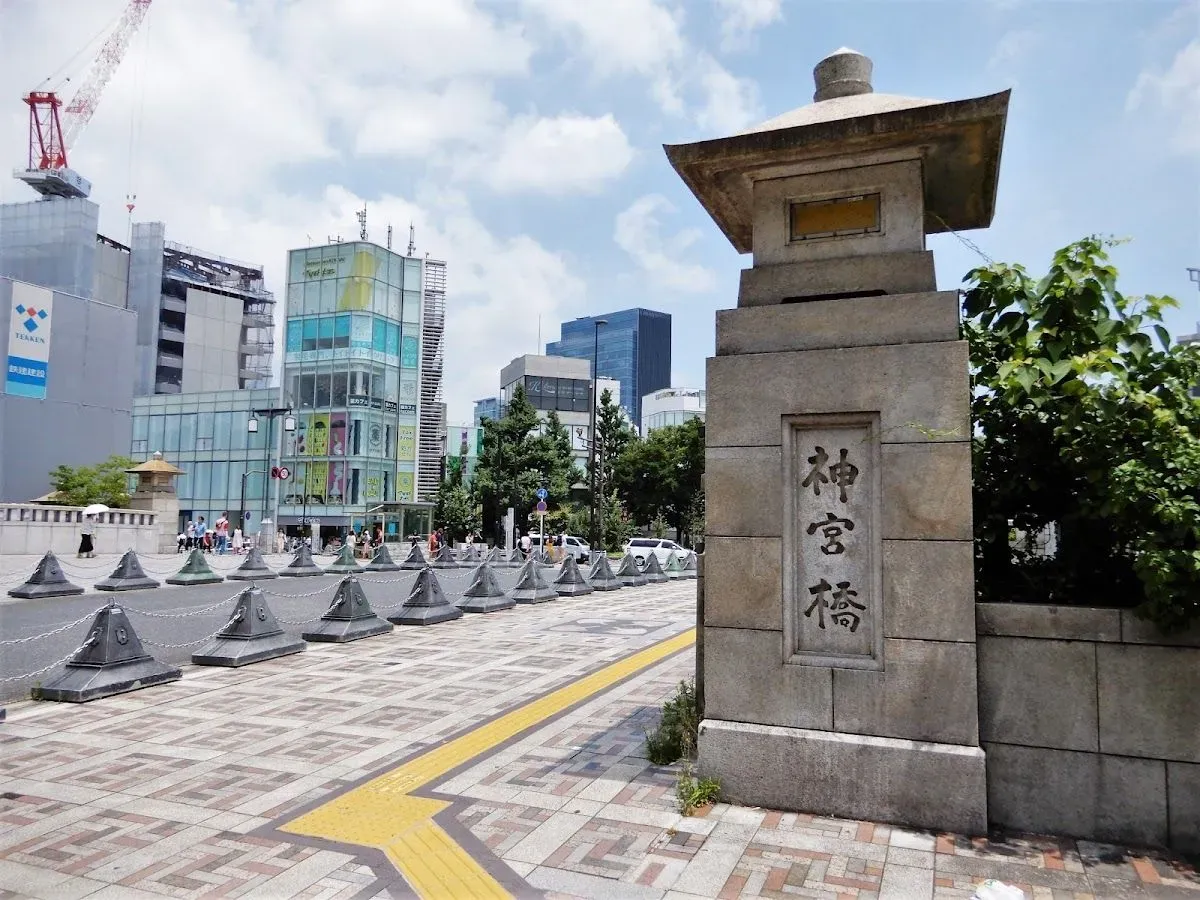
Stepping stone to the sacred, Jingū Bashi is the iconic stone bridge that links the ultra-modern streets of Harajuku to the forested sanctuary of Meiji Shrine. Guarded by majestic, lantern-topped stone pillars, it serves as a fascinating physical transition between Tokyo's high-energy youth culture and its deep-rooted spiritual traditions. While no longer the bustling cosplay hub of the 1990s, it remains a fantastic spot for people-watching and taking in the contrast of the city.
What Japanese guides note
Jingū Bashi functions as the primary pedestrian threshold connecting the commercial streets of Harajuku with the forested South Approach of Meiji Shrine. Visitors frequently assume it spans a waterway, but looking over the granite parapet reveals the open railway corridor of the JR Yamanote and Saikyo lines. Immediately to the south stands Gorin Bashi, an adjacent roadway bridge constructed for the 1964 Tokyo Olympics that is frequently confused with Jingū Bashi.
Details from local sources
- The bridge spans the active tracks of the JR Yamanote and Saikyo lines rather than a body of water. [source]
- When opened in September 1920, black pine trees were planted in clusters along the granite balustrades to prevent worshippers from seeing the trains running below. [source]
- The bridge is wider than it is long, measuring 20.4 meters in length and 29.1 meters in width to accommodate New Year shrine crowds. [source]
- After vehicle traffic was halted in 1973 due to structural wear, the Tokyo Metropolitan Government funded an 11.57-hundred-million-yen reconstruction between September 1979 and October 1982. [source]
- The corner stone pillars preserve an archaic hentaigana inscription reading 志゛んぐうばし (Jingūbashi). [source]
- The pedestrian deck is paved with granite patterns representing the Japanese zelkova, the official tree of Shibuya Ward. [source]
- Regular vehicular traffic bypasses the structure via the adjacent Gorin Bashi, which was built in 1964 for the Tokyo Olympics. [source]
Insider Tip
Pause on the bridge to capture the striking visual contrast of the lush shrine forest juxtaposed against the busy Harajuku skyline.
Frequently asked
Does Jingū Bashi cross over a river?
No. Jingū Bashi is an overpass constructed over the railway cutting for the JR Yamanote and Saikyo lines. Visitors frequently mistake it for a river bridge, but looking over the granite railings reveals busy commuter train tracks running directly underneath the approach to Meiji Shrine.
What is the bridge located directly beside Jingū Bashi?
Directly south of Jingū Bashi is Gorin Bashi (Olympic Bridge), constructed before the 1964 Tokyo Olympics to link Omotesando to Yoyogi National Gymnasium. It handles regular roadway traffic and features globe-topped corner pillars alongside bronze relief plaques depicting Olympic sports like marathon running and judo.
Why is the bridge wider than its total length?
The bridge spans roughly 20.4 meters in length but measures 29.1 meters in width. This unusual width was engineered during its 1920 construction and preserved in its 1982 rebuild specifically to prevent crowd bottlenecks during New Year Hatsumode pilgrimages, when millions visit Meiji Shrine.
Why is the writing on the bridge's stone pillars unusual?
The corner stone lantern pillars, replicated from the original 1920 design, bear the bridge's name engraved as 志゛んぐうばし. This uses the historic hentaigana character 志 paired with a voiced dakuten mark to spell ji, an archaic calligraphic format rarely encountered on standard modern bridges.
Our Tokyo walking tours


Photos