Mizumoto Park
Good to know before you go
- Getting there
- Kanamachi Station · 23 min walk (JR Jōban Line)
- Hours
- Open 24 hours (facility and service center hours vary; closed over New Year holidays)
- Admission
- Free (some facilities charge fees)
- Time needed
- 2–3 hours
- Best time to go
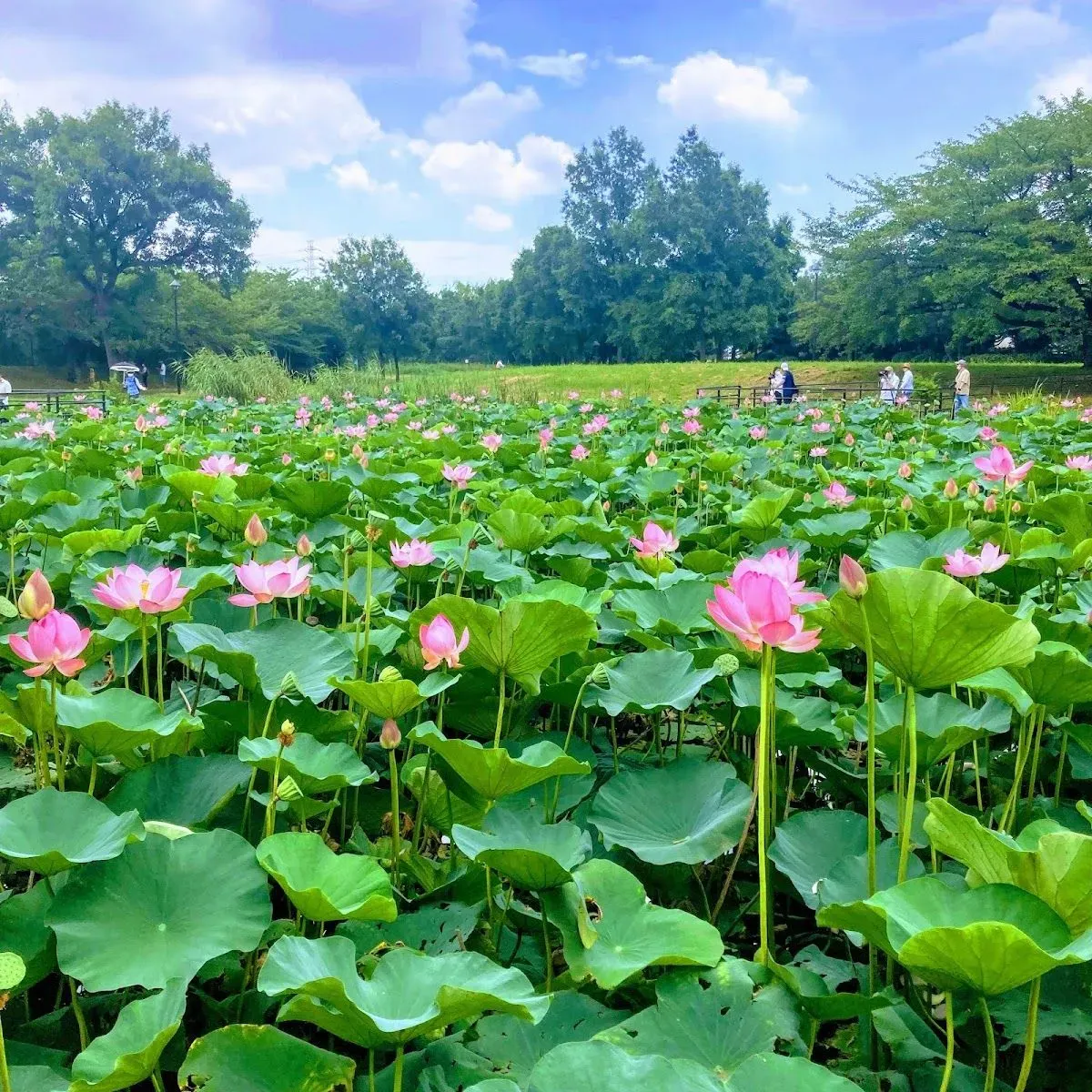
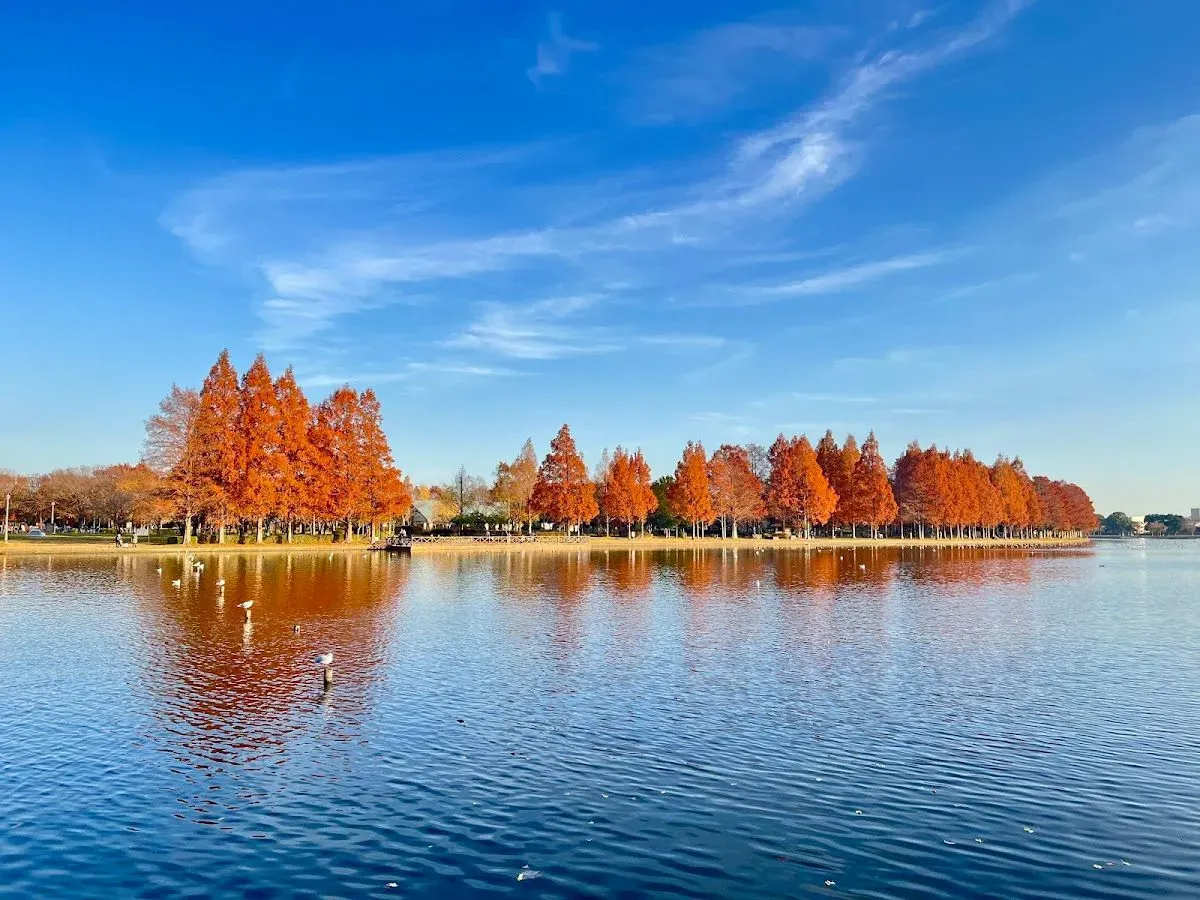
- July–August mornings (9:00–10:00 AM) for rare blooming water lilies, or late November for Metasequoia foliage
Hours can change on holidays — check the official site before travelling.
About
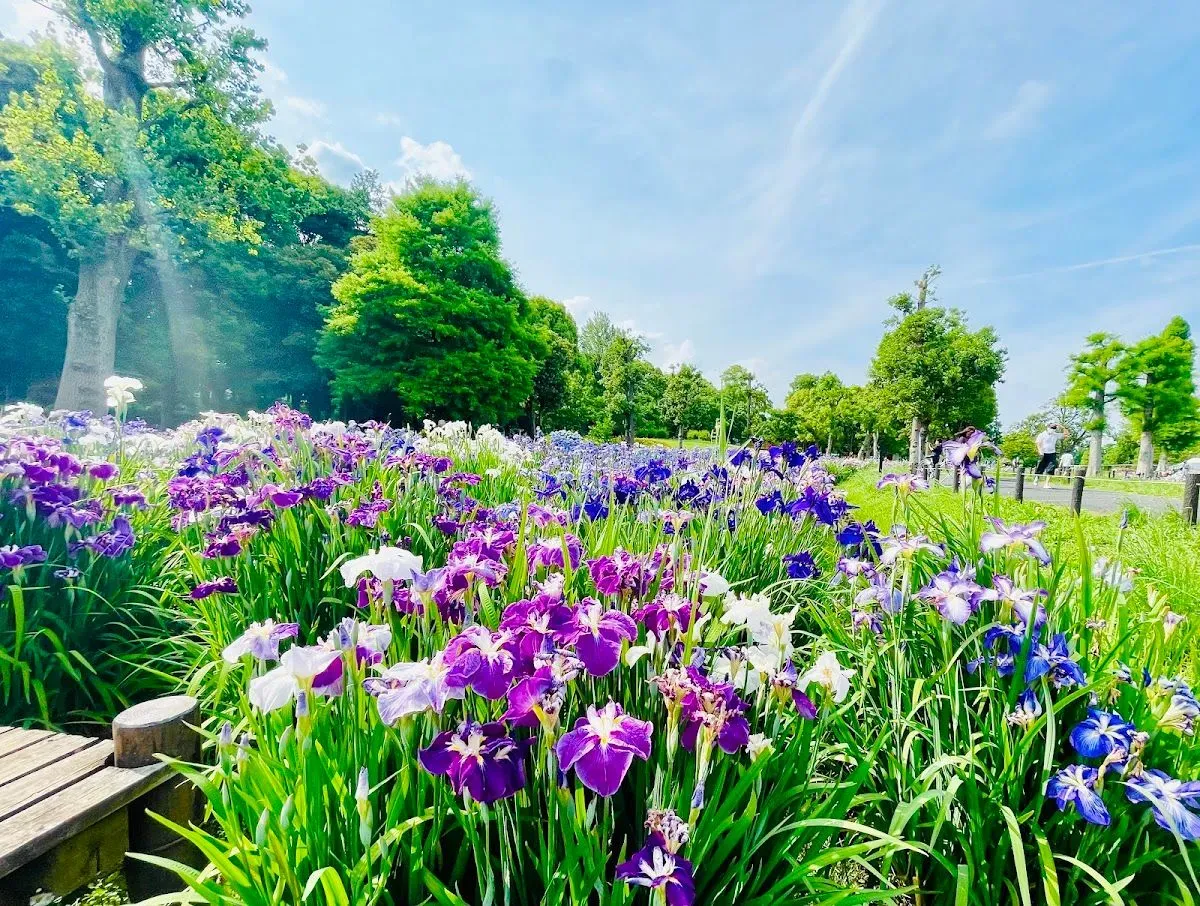
As Tokyo's largest riverside park, Mizumoto Park offers a serene escape characterized by its vast flood control ponds, poplars, and Metasequoia forests. It is especially worth visiting during late autumn for the fiery red cypress foliage or in June when over 200,000 irises bloom. Expect a tranquil, spacious atmosphere perfect for birdwatching, walking along the canals, and enjoying a slower pace of Tokyo life.
What Japanese guides note
Covering nearly 100 hectares along the Koaidame basin, Mizumoto Park requires substantial walking time, and local visitors frequently use bicycles to traverse the full distance between ends. Bus routes from Kanamachi Station stop along the residential perimeter rather than at central features such as the Metasequoia forest. While park walking paths remain accessible at all hours, specialized areas including Gonpachi Pond, the bird observation shelters, and the goldfish exhibition maintain restricted daily opening hours.
Details from local sources
- The Koaidame reservoir anchoring the park was constructed in 1729 under eighth shogun Tokugawa Yoshimune by damming the Furutone River for regional flood control and irrigation. [source]
- The park contains approximately 1,800 dawn redwoods, forming the largest Metasequoia grove in any Tokyo metropolitan park. [source]
- Mizumoto Park protects Tokyo's sole surviving wild habitat of the prickly water lily (onibasu), which was designated a Tokyo Natural Monument in 1984. [source]
- Gonpachi Pond holds Tokyo's only wild population of fringed water lily (asaza) and opens to visitors only from 9:00 AM to 10:00 AM during July and August. [source]
- The free-entry Katsushika City Goldfish Exhibition Basin on the former fisheries grounds breeds and displays roughly 1,000 fish representing 24 regional varieties. [source]
- From March through November on weekends and public holidays, Keisei Bus operates a special loop route (Kan 63) connecting Kanamachi Station directly to park-side stops. [source]
- The Koaidame reservoir serves as the boundary between Tokyo and Saitama Prefecture, connecting directly to Saitama Prefectural Misato Park on the opposite bank. [source]
Insider Tip
Rent a bicycle near the station or park entrance; the sprawling grounds are far too large to fully appreciate solely on foot.
Frequently asked
How do you reach Mizumoto Park from Kanamachi Station?
Take Keisei Bus route Kan 61 or 62 from Kanamachi Station to the Mizumoto-kōen stop, then walk seven minutes. On weekends and public holidays between March and November, take loop bus Kan 63, which runs directly along the park perimeter between 9:00 AM and 4:40 PM.
When can visitors see the rare wild onibasu and asaza water lilies?
The conservation ponds open for public viewing strictly during July and August. Fringed water lilies at Gonpachi Pond open only between 9:00 AM and 10:00 AM before the blossoms close, while the neighboring prickly water lily (onibasu) ponds remain viewable from 9:00 AM until 2:30 PM.
Is the Katsushika City Goldfish Exhibition Basin open every day?
No. It offers free admission from 9:00 AM to 4:30 PM, but closes on Mondays from March through October (or the following non-holiday weekday). From November through February, it opens exclusively on weekends and national holidays, closing entirely during the New Year period.
Our Tokyo walking tours


Photos