Nezu Museum
Good to know before you go
- Getting there
- Omotesando Station · 8 min walk (Tokyo Metro Ginza Line, Tokyo Metro Hanzomon Line, Tokyo Metro Chiyoda Line)
- Hours
- 10:00–17:00 (last admission 16:30); closed Mondays (following Tuesday if Monday is a holiday), exhibition installation periods, and New Year holidays
- Admission
- Special exhibitions: ¥1,600+ (online) / ¥1,800+ (door); Regular exhibitions: ¥1,400 (online) / ¥1,600 (door); free for high school students and younger
- Time needed
- 60–90 min
- Best time to go
- Late April to early May, when the pondside kakitsubata irises bloom in tandem with the museum's annual display of Ogata Korin's National Treasure Irises screens
Hours can change on holidays — check the official site before travelling.
About
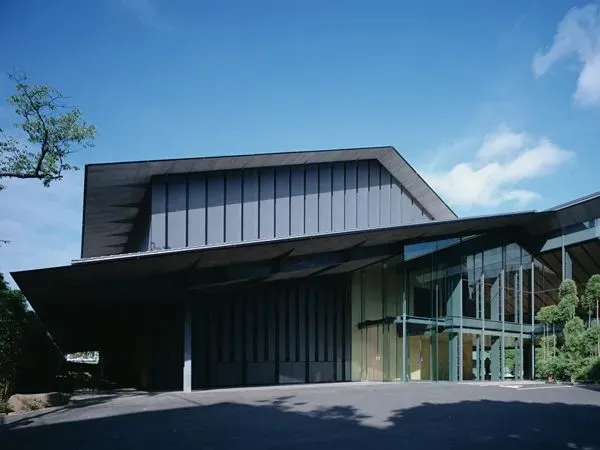
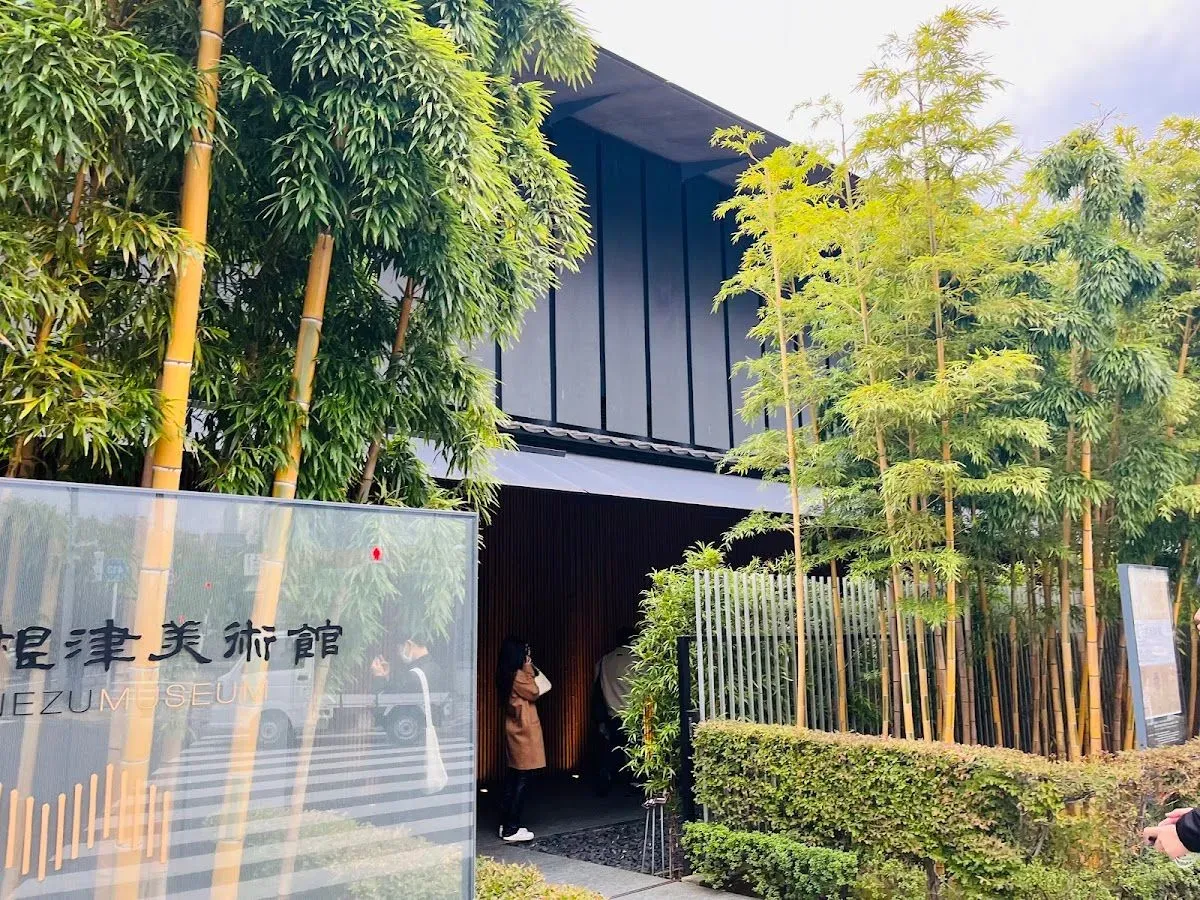
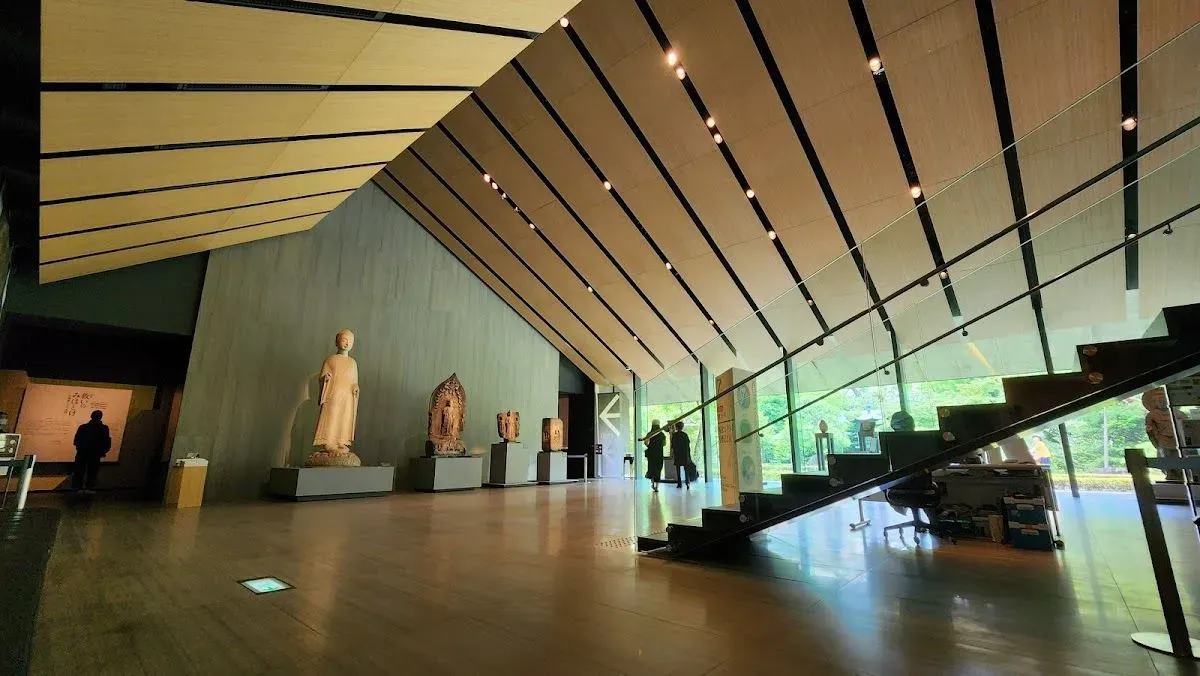
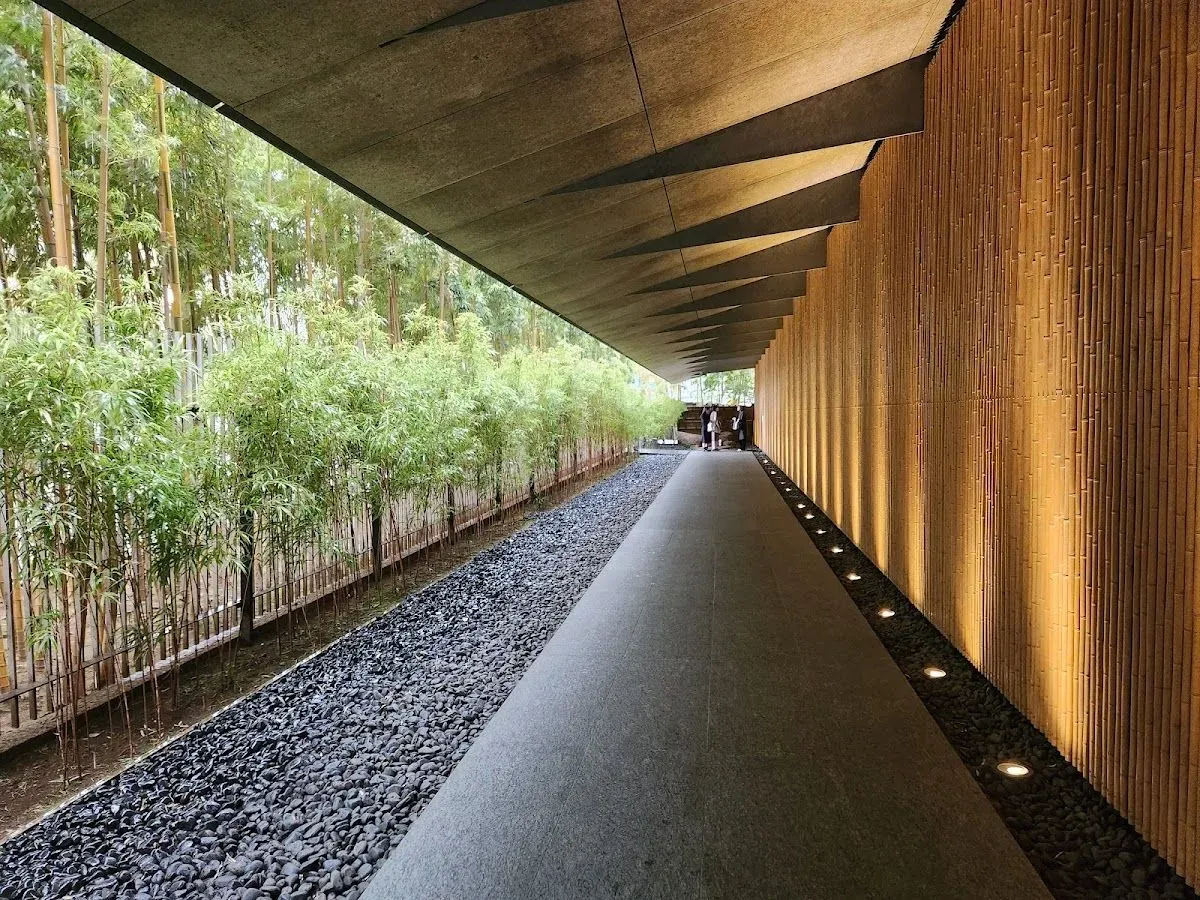
Located in Tokyo's stylish Aoyama district, the Nezu Museum showcases an exquisite private collection of pre-modern Japanese and East Asian art, including national treasures. What truly sets it apart is the museum's design by Kengo Kuma and the sprawling, traditional Japanese stroll garden hidden behind the building. Visitors can expect a tranquil escape featuring stone lanterns, bamboo pathways, and a serene pondside teahouse.
What Japanese guides note
Visitors should reserve a timed-entry ticket online in advance, as walk-up ticket sales at the counter cost 200 yen more and may be capped during popular exhibitions. Although central routes were converted to stone flagging during the 2009 reconstruction, the 17,000-square-meter garden retains its original hillside slopes, unpaved secondary paths, and stone steps, making stable flat footwear advisable. Positioned at the eastern cul-de-sac of Miyuki-dori, the museum serves as a quiet architectural culmination to a walk down Omotesando.
Details from local sources
- Access to the Japanese garden, NEZUCAFÉ, and the museum gift shop is restricted strictly to museum exhibition ticket holders. [source]
- General visitors cannot enter any of the four historical teahouses across the 17,000-square-meter garden grounds, as they are reserved exclusively for private tea ceremonies. [source]
- Photography and mobile phone usage are strictly prohibited inside all museum exhibition galleries. [source]
- Ogata Korin's National Treasure screen Irises is displayed only once a year, limited to late April through mid-May to prevent light and environmental damage. [source]
Insider Tip
Visit the garden's NEZUCAFÉ for matcha and sweets; its floor-to-ceiling glass walls offer stunning, unobstructed views of the foliage.
Frequently asked
Can I visit only the garden or NEZUCAFÉ without paying museum admission?
No. Access to the Japanese strolling garden, NEZUCAFÉ, and the museum shop is reserved strictly for exhibition ticket holders. Standalone garden or cafe tickets do not exist, meaning you must purchase standard museum admission to enter any part of the grounds.
When can I see the National Treasure Irises screen by Ogata Korin?
Ogata Korin's National Treasure screens, 'Irises' (燕子花図屏風), are not permanently exhibited. The museum puts them on display annually for roughly one month between late April and mid-May, aligning the exhibition with the real kakitsubata irises blooming in the garden pond.
Is photography permitted inside Nezu Museum?
Photography and video recording are strictly prohibited inside all exhibition galleries to protect sensitive pre-modern artworks from light degradation and respect other patrons. However, non-commercial personal photography is generally allowed in outdoor areas, including the bamboo approach and the strolling garden.
Do I need to book tickets before visiting?
While same-day tickets may be purchased at the reception desk if vacancies exist, they cost 200 yen more than online timed-entry reservations. During popular special exhibitions, on-site tickets can sell out completely, making prior online booking strongly recommended.
Our Tokyo walking tours


On the same walk
Photos