Rinshi-no-mori Park
Good to know before you go
- Getting there
- Musashi-Koyama Station · 10 min walk (Tōkyū Meguro Line)
- Hours
- Open 24 hours
- Admission
- Free
- Time needed
- 45–75 min
- Best time to go
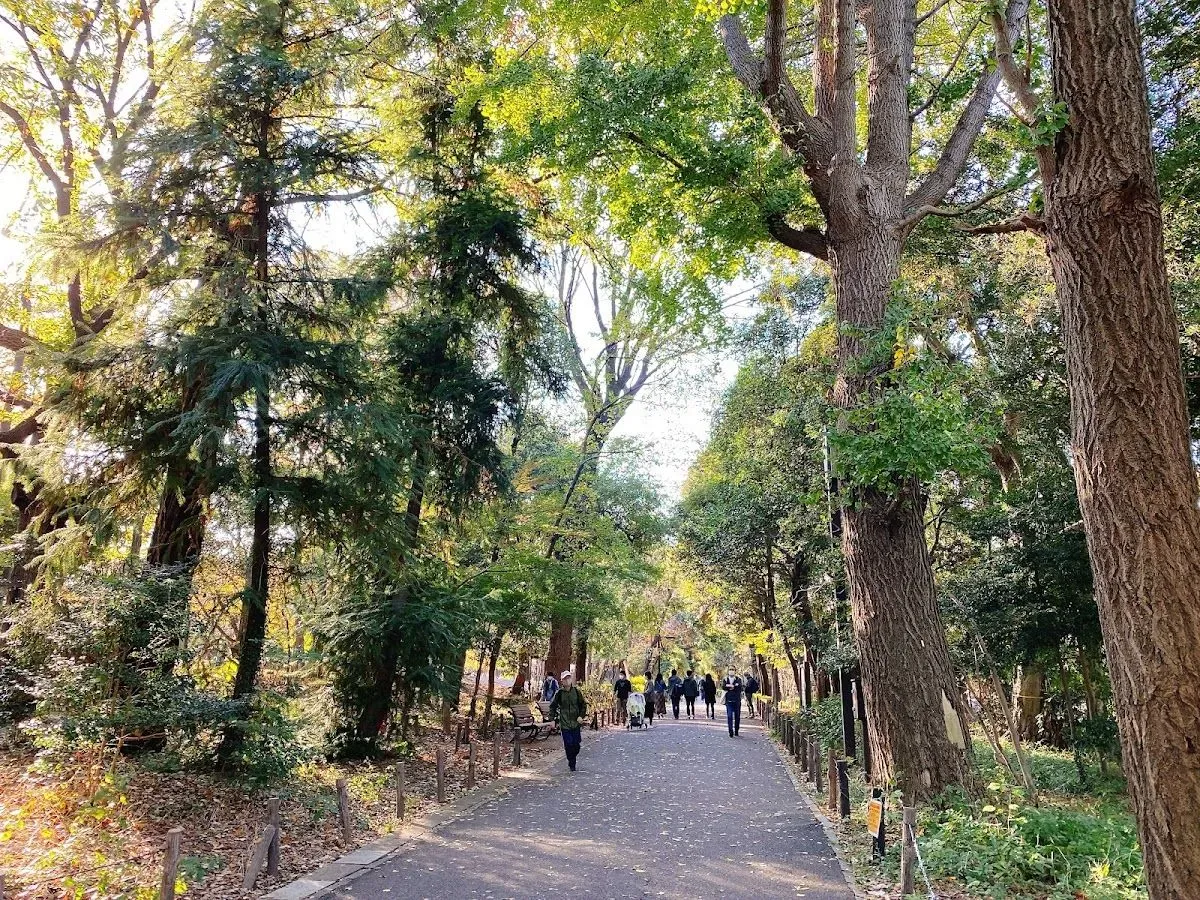
- Late November to early December for the bronze autumn foliage of the bald cypress grove (rakushō), or summer for deep tree-canopy shade
Hours can change on holidays — check the official site before travelling.
About
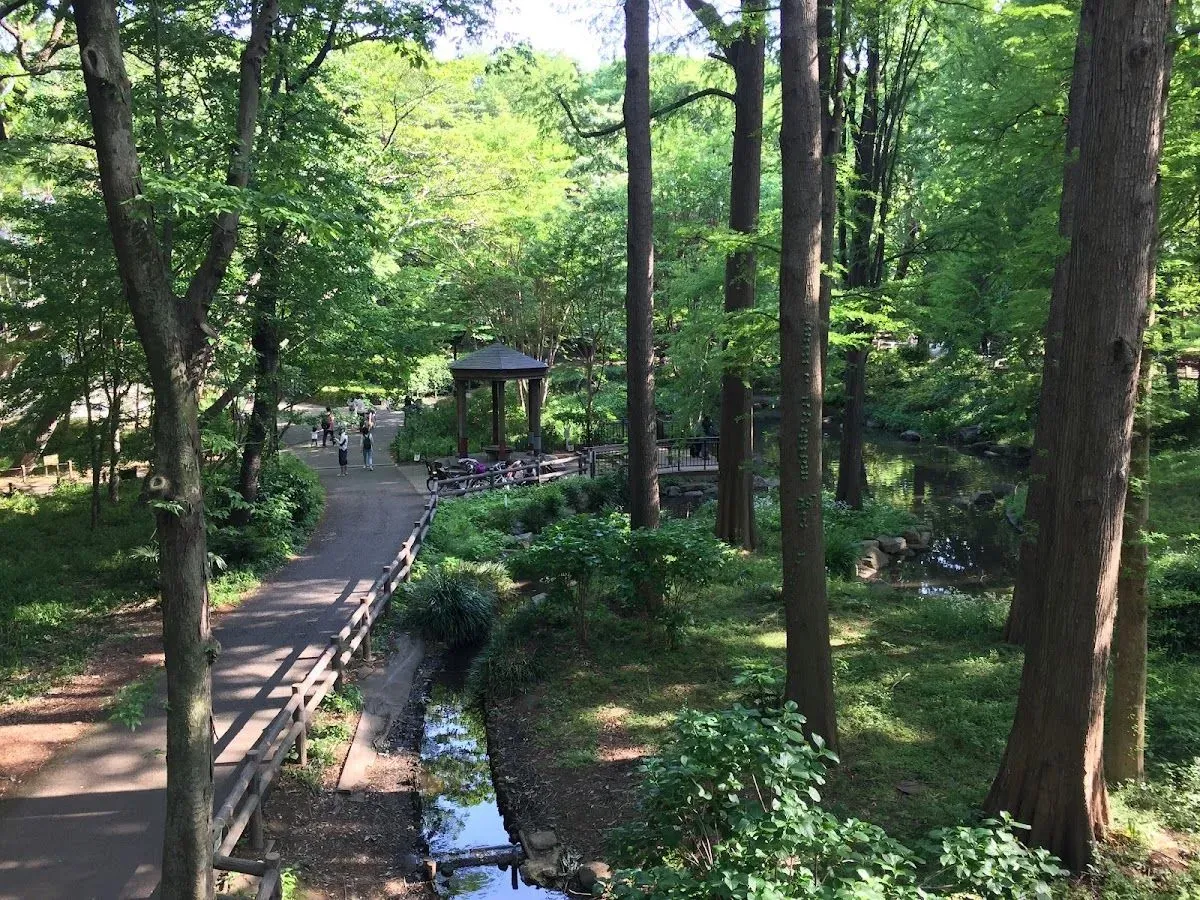
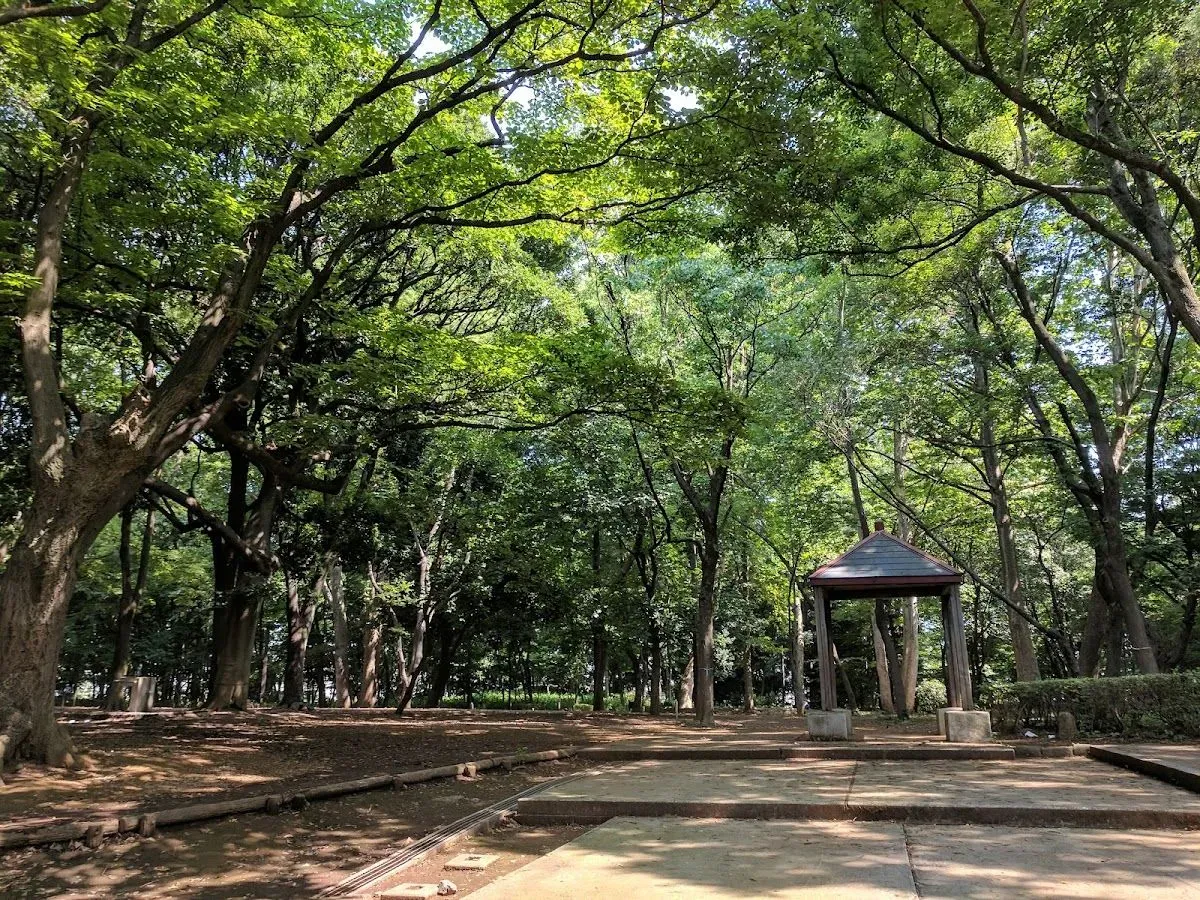
Spanning the border of Meguro and Shinagawa, this sprawling park was once a forestry experimental station, resulting in a dense, mature canopy of rare and exotic trees. It is a peaceful, uncrowded alternative to Tokyo's major parks, offering shaded walking trails, a gentle stream, and spacious lawns. Visitors can expect a refreshing, deeply natural forest bathing experience right in the heart of the city.
What Japanese guides note
Spanning the boundary of Shinagawa and Meguro wards, the park serves as both a tranquil woodland walk and a designated regional disaster evacuation site. Visitors commonly combine a stroll along its 45-minute perimeter loop with a visit to the nearby Musashi-Koyama Palm covered shopping street. Tree labels and explanatory plaques across the grounds reflect its eighty-year history as Japan's National Forestry Experiment Station.
Details from local sources
- The park originated in June 1900 as the Meguro Experimental Nursery before being converted into a 12-hectare Tokyo metropolitan park on June 1, 1989. [source]
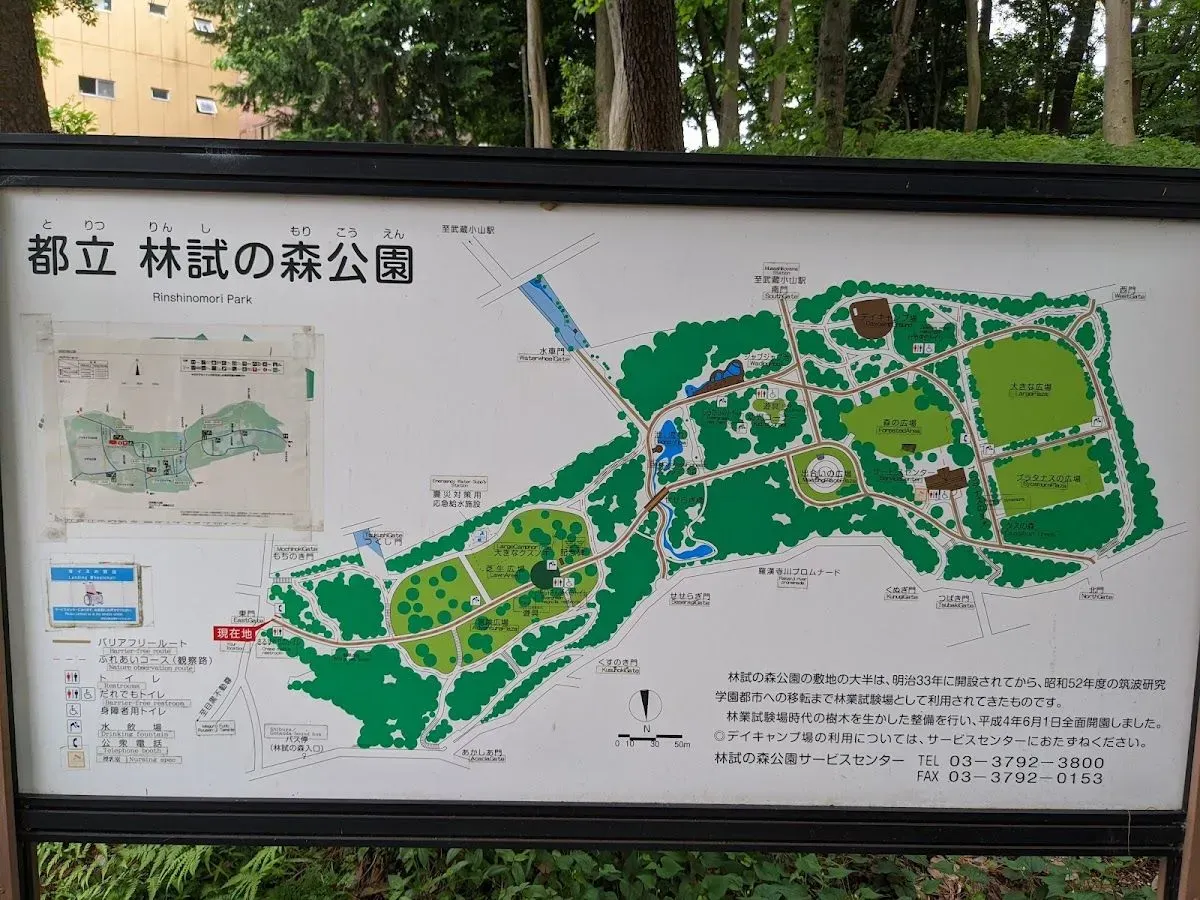
- The grounds measure 700 meters east-to-west and 250 meters north-to-south, with an outer perimeter trail that takes roughly 45 minutes to loop on foot. [source]
- Retained research plantings include the endangered Hanagagashi oak alongside rare foreign species such as Lebanon cedar and Chinese pistache. [source]
- A giant eucalyptus toppled by Typhoon 15 in 2011 was deliberately preserved on site in its fallen state so visitors can observe natural decomposition. [source]
- The day camp cooking area is restricted to supervised elementary and middle school educational groups and requires advance in-person reservation at the service center. [source]
- Public restrooms scattered throughout the park are individually named after tree varieties, including the Taisanboku and Shirakashi facilities. [source]
- The park provides no vehicle parking facilities on site. [source]
Insider Tip
Visit in summer when the park's dense canopy keeps the shaded paths significantly cooler than the surrounding city streets.
Frequently asked
How long does it take to walk through Rinshi-no-mori Park?
Walking the full outer perimeter trail of the 12-hectare grounds takes approximately 45 minutes at a regular pace. Visitors who pause to examine botanical specimen labels, rest on the central lawns, or explore the bald cypress grove typically spend between 45 and 75 minutes.
Can the public use the barbecue or camp site at the park?
No, casual camping and barbecues are not open to the general public. The park's day-camp cooking facility is legally reserved for supervised elementary and middle school youth groups, requiring in-person permit applications submitted at least one week in advance at the service center.
Does Rinshi-no-mori Park have parking facilities?
There is no parking lot on the grounds. Visitors should take the Tōkyū Meguro Line to Musashi-Koyama Station and walk 10 minutes from the station, or take Tokyu Bus route 72 from Shibuya Station directly to the Rinshi-no-mori-iriguchi stop.
What kind of trees grow in Rinshi-no-mori Park?
Because the site was the national Forestry Experiment Station until 1978, it contains massive zelkova and camphor trees alongside uncommon imports such as Chinese pistache, Qingdao thornless acacia, and Lebanon cedar, as well as the endangered Japanese oak variety Hanagagashi.
Our Tokyo walking tours


Photos