Setagaya Art Museum
Good to know before you go
- Getting there
- Yōga Station · 17 min walk (Tōkyū Den-en-toshi Line)
- Hours
- 10:00–18:00 (last admission 17:30); closed Mondays (or the following weekday if Monday is a national holiday) and Dec 29–Jan 3
- Admission
- Museum Collection: ¥220 (adults), ¥170 (college/high school), ¥110 (junior high/elementary & seniors 65+); special exhibitions vary
- Time needed
- 1–2 hours
- Best time to go
- Late March to early April; Kinuta Park's cherry trees bloom across the surrounding grounds, coinciding with the museum's seasonal outdoor events.
Hours can change on holidays — check the official site before travelling.
About
Nestled inside the lush Kinuta Park, this museum offers a peaceful escape from central Tokyo, showcasing a unique permanent collection of contemporary art by local Setagaya artists and international modern works. It is highly worth visiting for its harmonious architecture that blends seamlessly with the surrounding nature. Visitors can expect tranquil galleries, a lovely museum shop, and a French restaurant overlooking the greenery.
What Japanese guides note
Visitors traveling on foot often take the Iraka-michi pedestrian route from Yōga Station, using the numbered waka stone tiles along the pavement as a walking guide directly into Kinuta Park. Drivers should note that the municipal Kinuta Park parking lot charges hourly rates, whereas the museum's official 60-vehicle lot under the Tomei Expressway overpass is free for museum patrons. The building courtyard, SeTaBi Café, and Restaurant Le Jardin can all be accessed without purchasing an exhibition ticket.
Details from local sources
- The pedestrian approach from Yōga Station, known as the Yōga Promenade or Iraka-michi, is paved with Awaji Island roof tiles engraved with all 100 poems of the Ogura Hyakunin Isshu. [source]
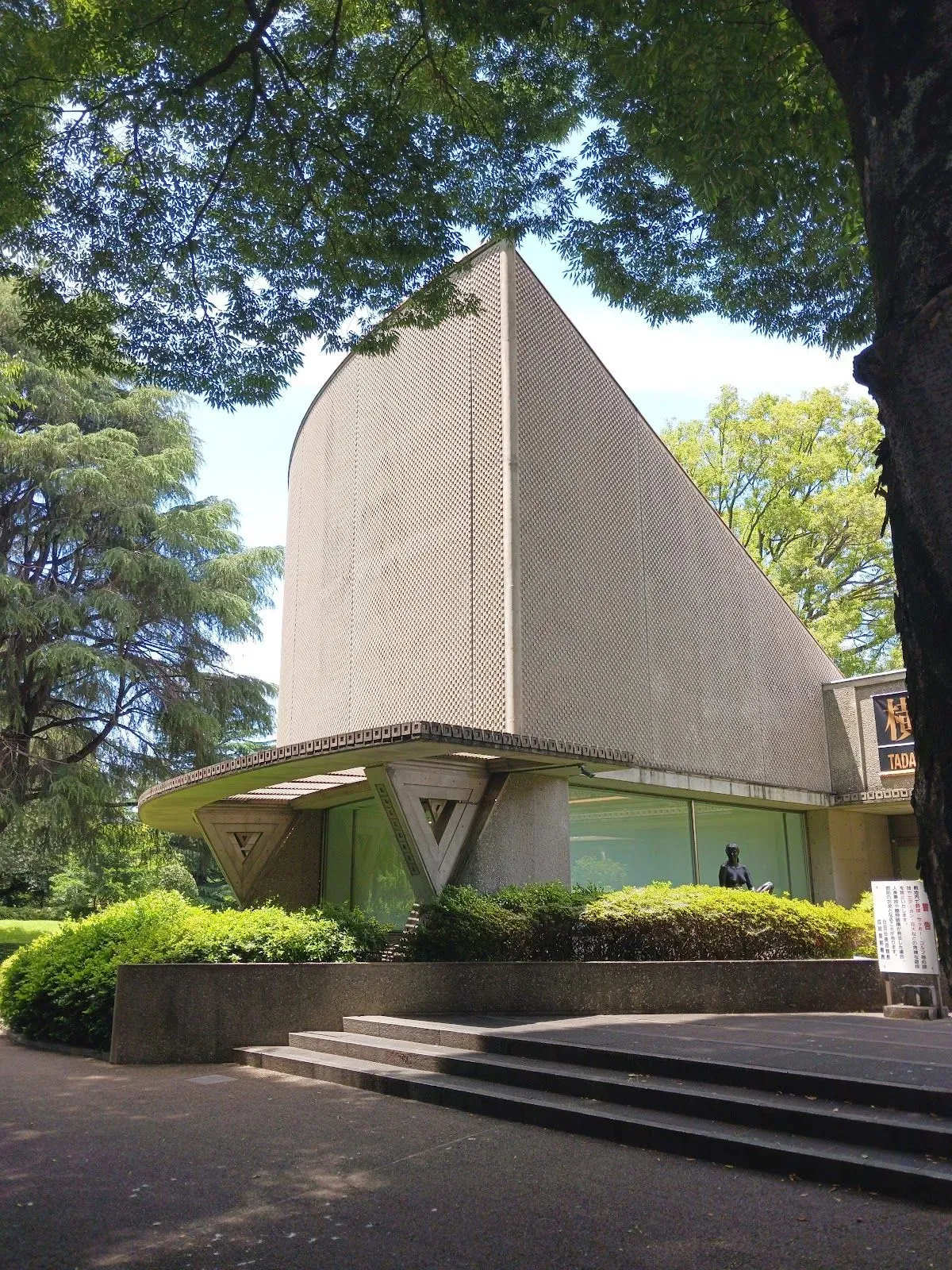
- Architect Shozo Uchii kept the structure to two storeys above ground and one basement level so the roofline remains lower than the surrounding tree canopy of Kinuta Park. [source]
- The Latin motto 'ARS CUM NATURA AD SALUTEM CONSPIRAT' is mounted at the gallery entrance, reflecting Uchii's founding concept of 'healthy architecture.' [source]
- A dedicated 60-space parking lot beneath the Tomei Expressway elevated overpass is free for museum visitors, roughly a five-minute walk from the building. [source]
- The museum operates three separate annex branches in Setagaya Ward: the Mukai Junkichi Annex, the Taiji Kiyokawa Memorial Gallery, and the Saburo Miyamoto Memorial Museum. [source]
- The exterior concrete walls were finished with steel shot-blasting to create an organic, pitted texture that avoids sleek reflective surfaces. [source]
- A full closure for major structural and facility renovations is scheduled from April 2027 through January 2030. [source]
Insider Tip
Combine your visit with a stroll through Kinuta Park, which is especially stunning during spring cherry blossom season.
Frequently asked
How do I get to Setagaya Art Museum by public transit?
Take the Tōkyū Den-en-toshi Line to Yōga Station. From the station, either walk 17 minutes along the tile-paved Yōga Promenade through Kinuta Park or take the Tōkyū bus bound for Bijutsukan to the final 'Bijutsukan' stop, located a three-minute walk from the entrance.
Can I visit the café and restaurant without museum admission?
Yes. Both Restaurant Le Jardin and SeTaBi Café, as well as the museum shop, are situated outside the ticketed exhibition zones. Visitors can dine, purchase goods, or access the basement courtyard directly from Kinuta Park without purchasing gallery tickets.
What is the walking route known as Iraka-michi?
Completed in 1986 by Team Zoo, Iraka-michi (Tile Path) is a pedestrian promenade linking Yōga Station to Kinuta Park. It incorporates water channels, street furniture, and Awaji roof tiles engraved with the 100 classical poems of the Ogura Hyakunin Isshu.
What does the Setagaya Art Museum collection specialize in?
The collection contains roughly 18,000 items. Strengths include international naïve art led by Henri Rousseau, extensive ceramic and gourmet calligraphy works by Kitaōji Rosanjin, and pieces by prominent modern and contemporary artists who resided within Setagaya Ward.
Our Tokyo walking tours


Photos