Shinjuku Golden-Gai
Good to know before you go
- Getting there
- Shinjuku-sanchōme Station · 1 min walk (Tokyo Metro Marunouchi Line, Tokyo Metro Fukutoshin Line, Toei Shinjuku Line)
- Admission
- Free
- Time needed
- 1–3 hours
- Best time to go
- 20:00–23:00, when the majority of bars open for evening business
About
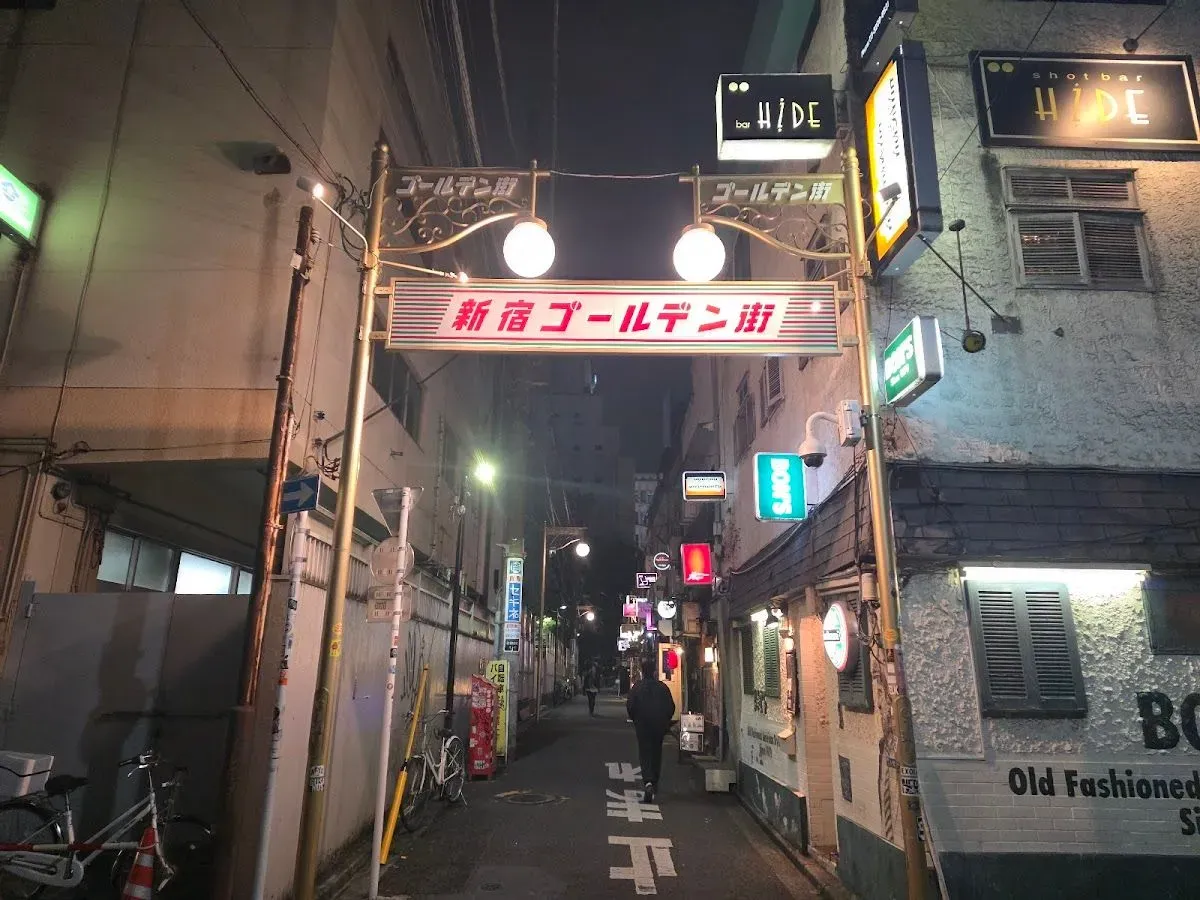
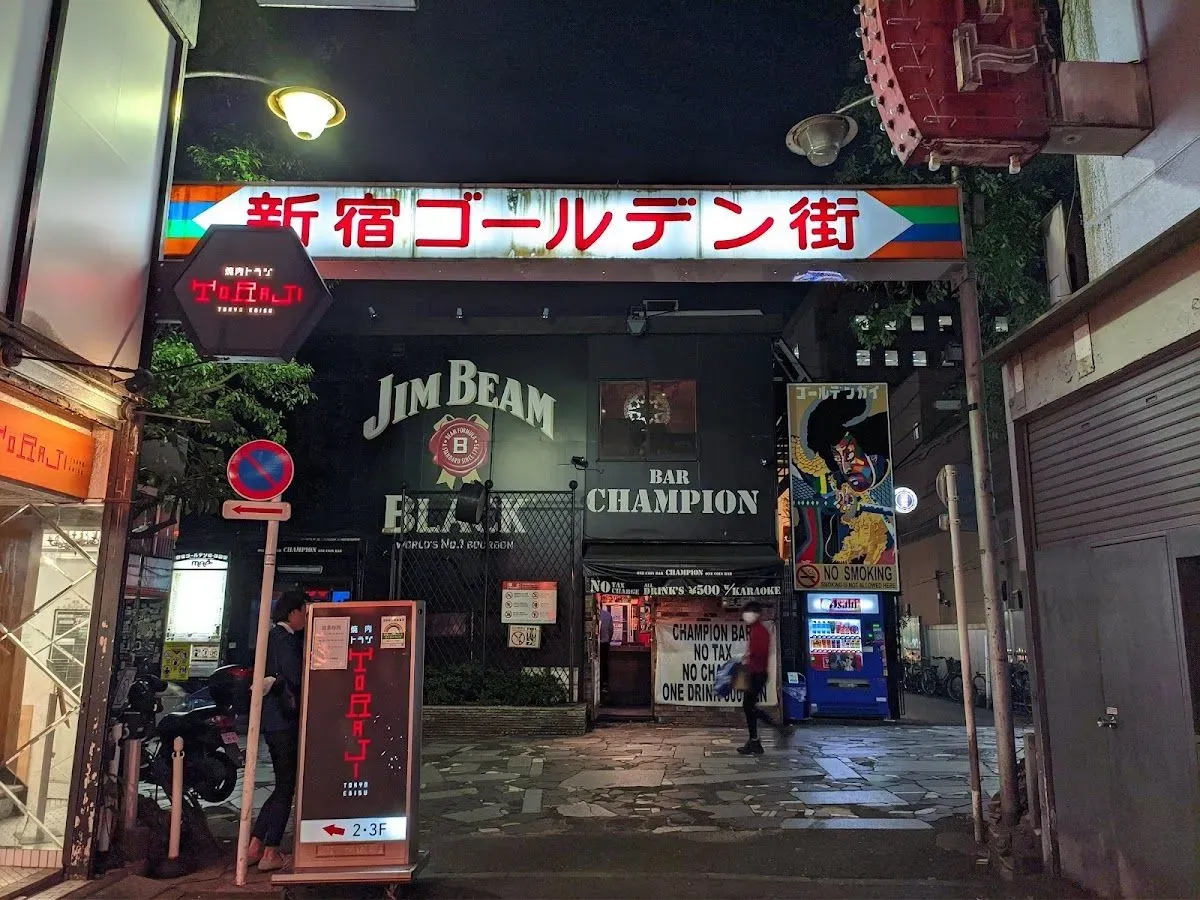
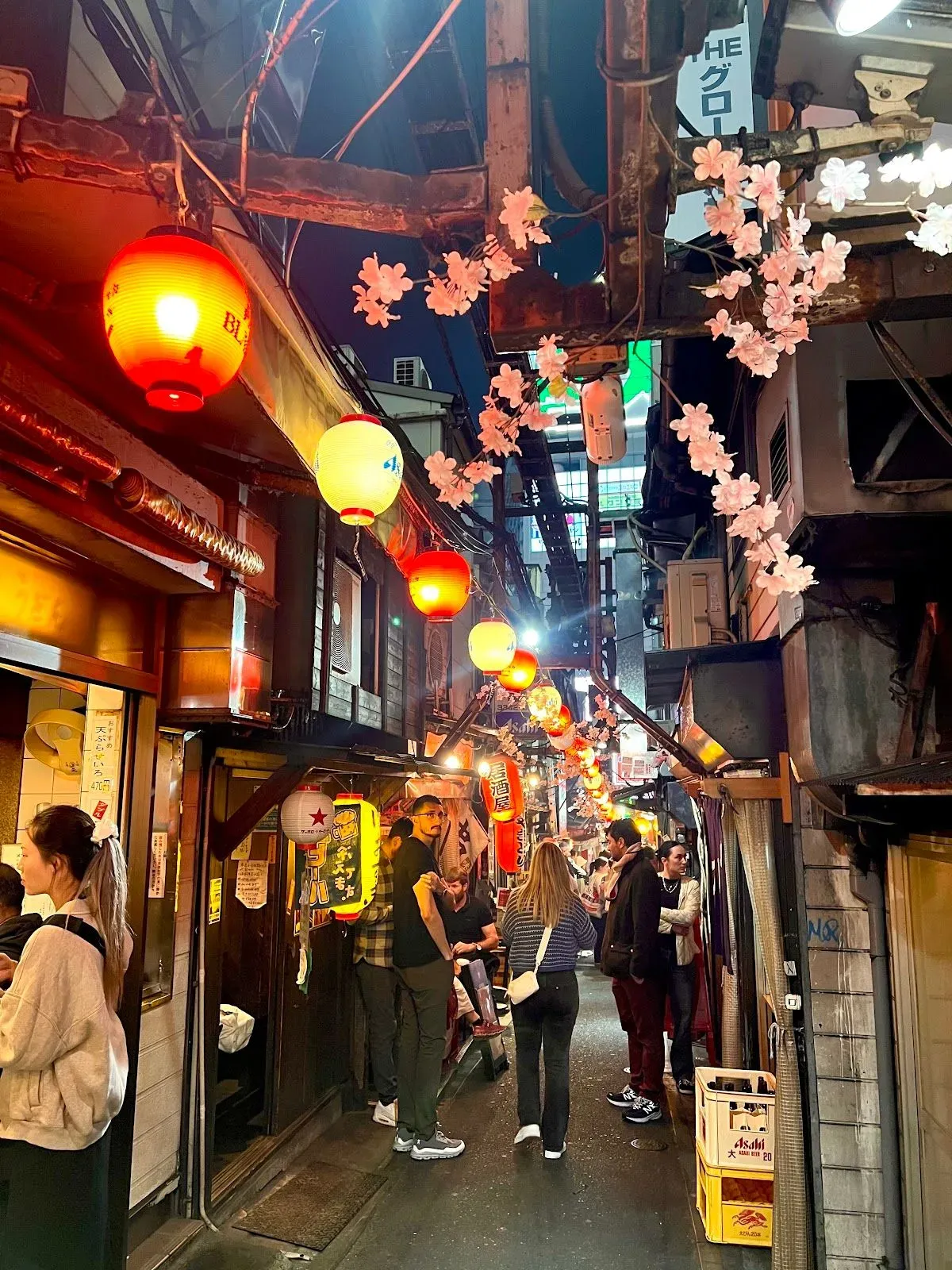
Shinjuku Golden Gai is a vibrant network of six narrow alleys packed with over 200 miniature, themed bars, offering a rare glimpse into Tokyo's post-war architectural history. It is worth visiting to experience an intimate, retro nightlife scene where each tiny venue holds only a handful of patrons. Expect cozy, nostalgic atmospheres, diverse music themes, and a unique chance to chat closely with local bartenders and fellow travelers.
What Japanese guides note
Japanese sources emphasize that Shinjuku Golden-Gai is a functioning cluster of private commercial drinking spots rather than an open public sightseeing zone. The alleys are private property where street drinking, outdoor smoking, and unauthorized filming are prohibited. Peak activity starts around 20:00, and visitors commonly approach via the adjacent Shiki-no-Michi walking path or Hanazono Shrine in groups of no more than two or three.
Details from local sources
- All alleys within the district are privately owned roads, and outdoor filming or photography requires prior authorization and fee payment to the commercial associations. [source]
- Most bars charge a mandatory seating fee or appetizer charge (otōshi) ranging between 500 and 1,500 yen on top of beverage prices. [source]
- Drinking while walking, removing cups outside venues, and smoking on the street are strictly prohibited due to fire hazards in the wooden rowhouses. [source]
- The district originated from post-war black-market vendors operating around Shinjuku Station who relocated here following Allied occupation clearance orders around 1949. [source]
Insider Tip
Many bars charge a cover fee (¥500–¥1,000) and display English signs indicating if they are welcoming to international tourists.
Frequently asked
Can I visit Shinjuku Golden Gai in a group?
Visiting in groups larger than two or three is discouraged. Because most bars seat only five to ten people, large parties crowd out regular patrons or disrupt the atmosphere. Many bars refuse groups outright, so split into pairs or solo visits before seeking entry.
Can I take photos or record video in the alleys?
Street photography and video recording are strictly regulated because the alleys are private thoroughfares managed by local associations. Commercial or public shooting requires advance permits and fees. Inside bars, always ask the bartender for permission before taking photos, and never capture other patrons or staff without consent.
How do cover charges work at Shinjuku Golden Gai?
Most bars impose a seat charge or otōshi (small snack) fee between 500 and 1,500 yen per person. While some newer spots advertise 'no cover charge' for international travelers, prices and charging systems should always be confirmed on doorway notices or by asking the bartender before entering.
Are there public restrooms in Shinjuku Golden Gai?
While individual bars provide compact restrooms for paying patrons, urinating or loitering in the alleys is prohibited. The promotion associations remind visitors to use the designated public restrooms located along the adjacent Hanazono Shrine border and the Shiki-no-Michi promenade rather than seeking facilities in the narrow backstreets.
Our Tokyo walking tours


Photos