Shinjuku Gyoen National Garden
Good to know before you go
- Getting there
- Shinjuku-gyoenmae Station · 5 min walk (Tokyo Metro Marunouchi Line)
- Hours
- 9:00 AM–4:30 PM (Oct 1–Mar 14), 9:00 AM–6:00 PM (Mar 15–Jun 10 & Aug 1–Sep 30), 9:00 AM–7:00 PM (Jun 11–Jul 31); closed Mondays (or next weekday if a holiday) and Dec 29–Jan 3; open daily Mar 25–Apr 24 and Nov 1–15
- Admission
- ¥500 (adults), ¥250 (seniors 65+ and students with ID), free (junior high school students and younger)
- Time needed
- 1.5–2.5 hours
- Best time to go
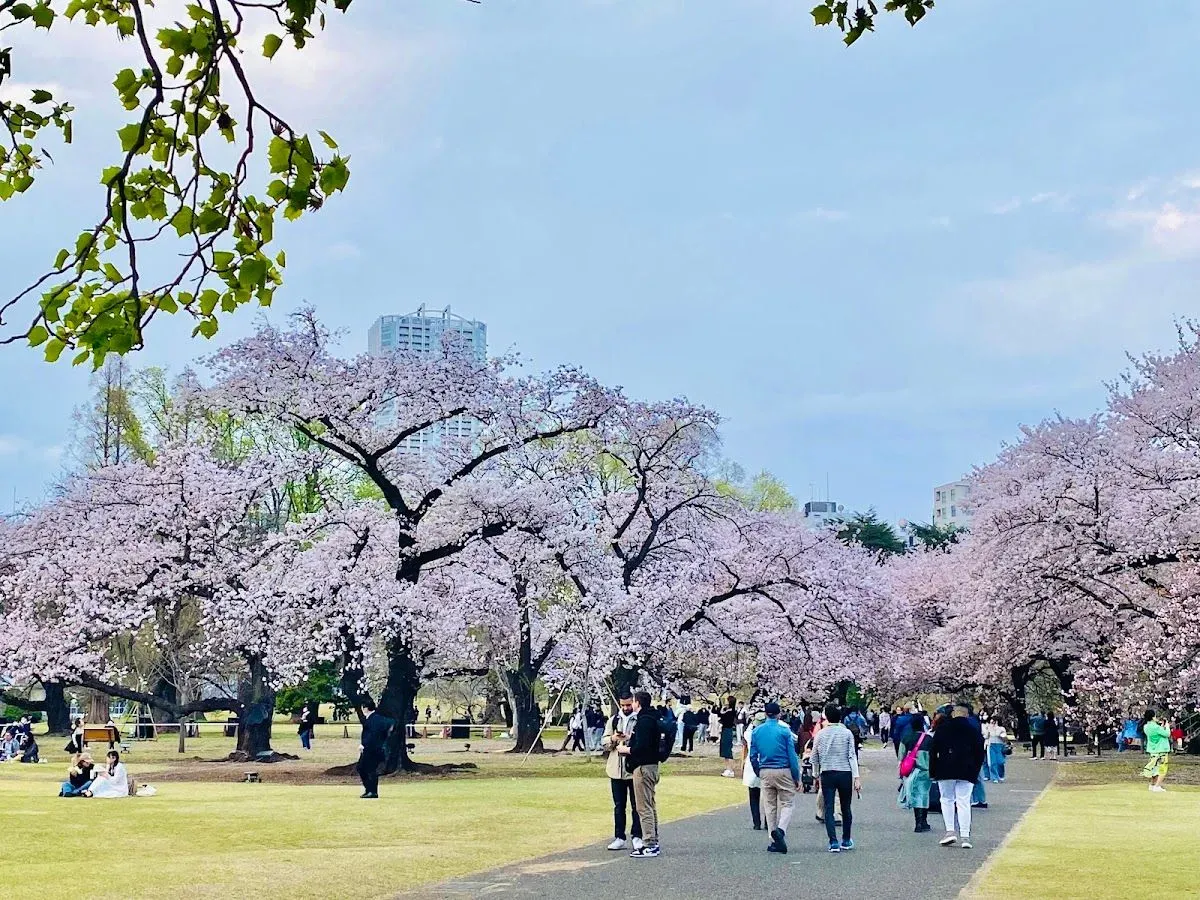
- Early November (Nov 1–15) for the imperial-tradition Chrysanthemum Exhibition, or late March through mid-April to see staggered cherry blooms across dozens of cultivars beyond standard Somei Yoshino.
Hours can change on holidays — check the official site before travelling.
About
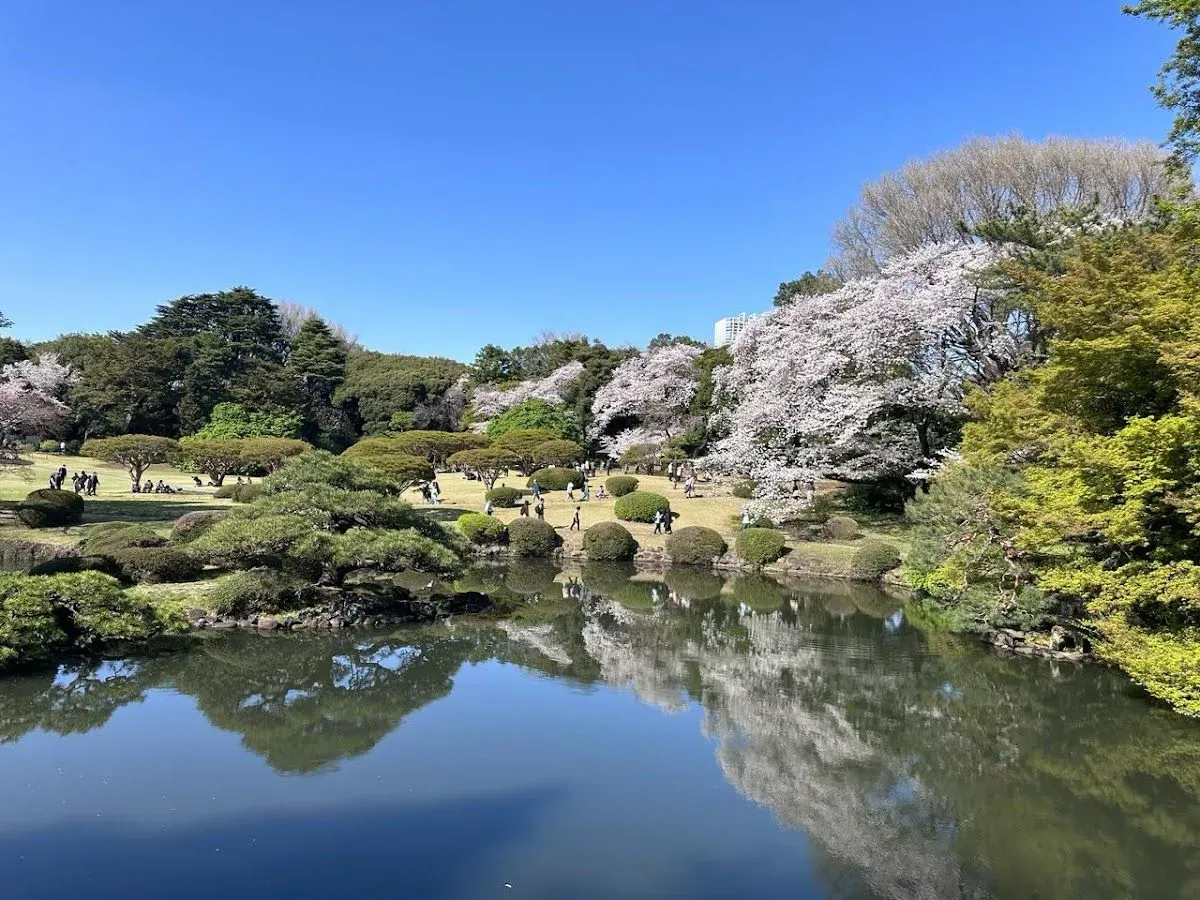
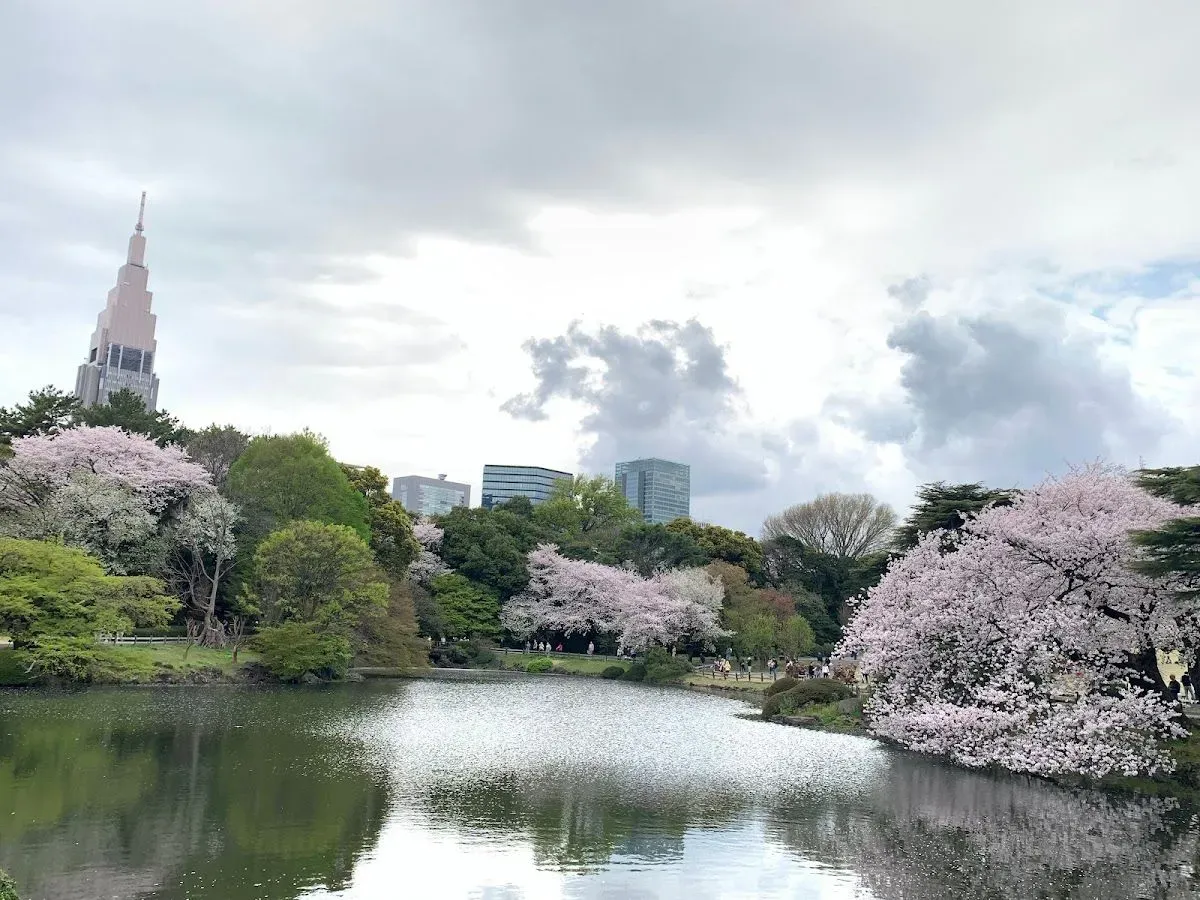
Shinjuku Gyoen is a massive 144-acre oasis blending traditional Japanese, formal French, and English landscape gardens. It is highly worth visiting to escape Tokyo's neon bustle, offering stunning cherry blossoms in spring, vibrant autumn foliage, and a historic greenhouse. Expect a serene atmosphere with spacious lawns perfect for relaxing, though it remains a strict, alcohol-free sanctuary.
What Japanese guides note
Entry is divided among three active gates: Shinjuku Gate for main train lines, Okido Gate adjacent to the paid parking facility, and Sendagaya Gate for southern access from the JR Sobu Line and Oedo Line. Automated turnstiles allow visitors to tap IC transit cards like Suica or Pasmo directly for entry, bypassing the ticket booth queue. Staff conduct bag checks at entry points to enforce the ban on alcohol, while sports balls, drones, and instruments are strictly prohibited across the landscape.
Details from local sources
- Before becoming an imperial garden, the site served as the Edo-period estate of the Naito clan of Takato Domain, converted in 1872 into the government-run Naito Shinjuku Experimental Station to study modern Western farming, silkworm rearing, and livestock. [source]
- The garden bans sports equipment including soccer balls, baseball gloves, badminton sets, roller skates, frisbees, and kites, allowing soft balls and jump ropes only for elementary-age children in the Kodomo Hiroba. [source]
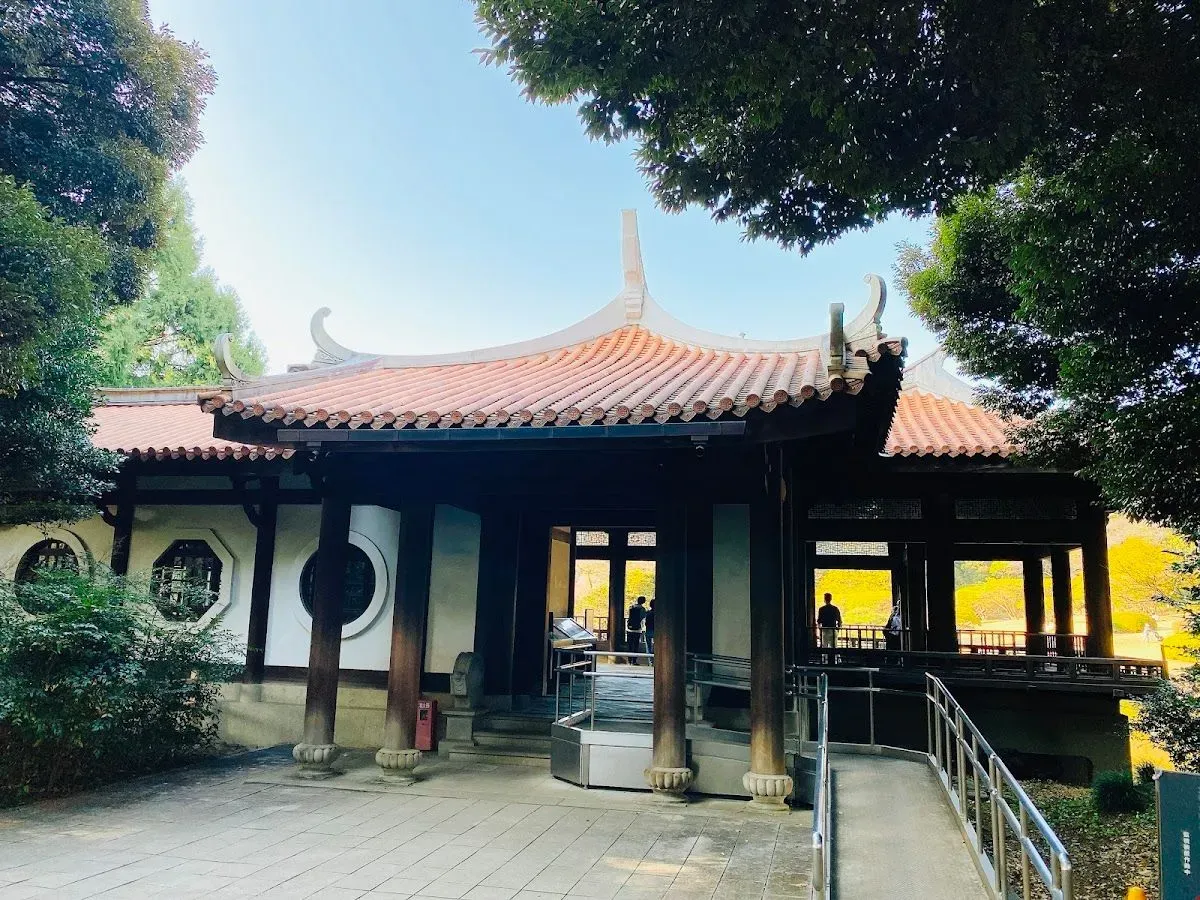
- The Kyu-Goryotei pavilion was completed in 1927 using Taiwanese cedar and cypress in southern Min architectural style, presented by Japanese residents in Taiwan to mark the wedding of Emperor Showa. [source]
- Built in 1896 by the Imperial Household Ministry's Takumi-ryo as an imperial greenhouse resthouse, the American stick-style Kyu-Yokan Gokyusho survived the 1945 air raids and is designated an Important Cultural Property. [source]
- The grounds preserve Japan's first faux-wood bridge, constructed from molded concrete in 1905 after the structural design was showcased at the 1904 St. Louis World's Fair. [source]
- Public entry is restricted to Shinjuku, Okido, and Sendagaya gates, while the formal imperial gate on Gaien-Nishi-dori, once reserved for the Emperor and state guests, remains closed. [source]
Insider Tip
Enter through the Sendagaya Gate to bypass the longest lines, and remember that alcohol and sports equipment are prohibited at the gate.
Frequently asked
Can you bring alcohol into Shinjuku Gyoen?
Alcohol is strictly prohibited across the grounds, and gate staff inspect bags at entry during crowded periods like cherry blossom season. Any alcoholic beverages must be consumed, disposed of, or stored in lockers outside before entering. Non-alcoholic drinks, water bottles, and picnic meals remain fully permitted.
Which gate is best for entering Shinjuku Gyoen?
Shinjuku Gate is a 10-minute walk from JR Shinjuku Station's South Exit and 5 minutes from Shinjuku-sanchome Station. Okido Gate is 5 minutes from Shinjuku-gyoenmae Station and adjoins the car park. Sendagaya Gate on the south perimeter sits 5 minutes from JR Sendagaya Station and Kokuritsu-Kyogijo Station.
Can you use IC transit cards like Suica at the gates?
Yes, IC transit cards including Suica and Pasmo can be tapped directly at the automated turnstiles for the standard ¥500 adult admission, eliminating the need to wait in line at ticket windows. Ticket vending machines and manned counters also process cash, major credit cards, and QR codes.
What recreational gear is banned inside the garden?
The Ministry of the Environment bans athletic equipment, including soccer balls, baseball gear, badminton sets, frisbees, skateboards, drones, and bug-collecting nets. Only elementary-aged children and younger may use soft rubber balls or jump ropes, and only within the designated Kodomo Hiroba (Children's Area).
Our Tokyo walking tours


Photos