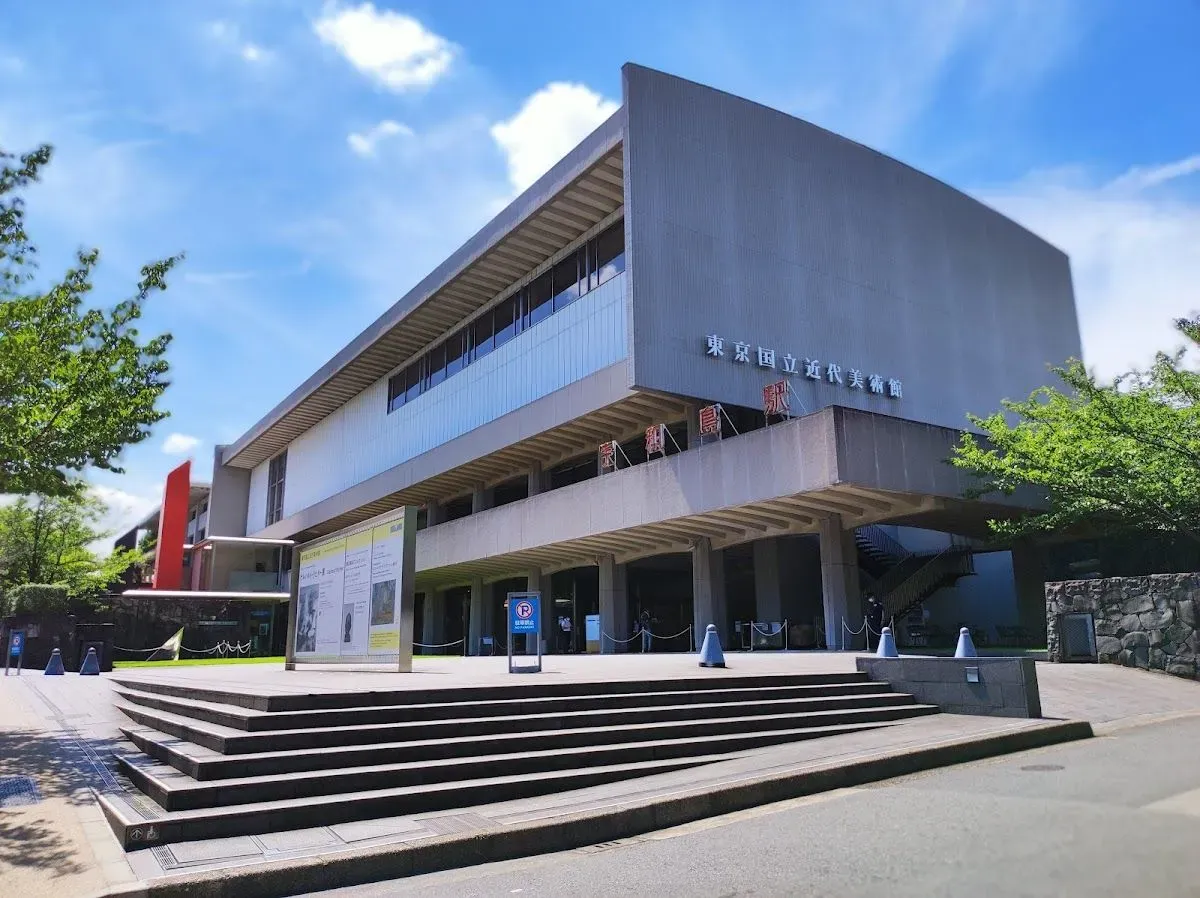
The National Museum of Modern Art, Tokyo
Good to know before you go
- Getting there
- Takebashi Station · 3 min walk (Tokyo Metro Tōzai Line)
- Hours
- 10:00–17:00 (Fridays and Saturdays: 10:00–20:00); last entry 30 minutes before closing; closed Mondays (or Tuesday if Monday is a holiday), exhibition change periods, and New Year holidays
- Admission
- ¥500 (adults), ¥250 (college students), free for high school students, visitors under 18, and seniors 65+
- Time needed
- 1.5–2.5 hours
- Best time to go
- Friday and Saturday evenings for extended hours until 20:00, or late March to early April for cherry blossom viewing over the Imperial Palace moat from the fourth floor
Hours can change on holidays — check the official site before travelling.
About
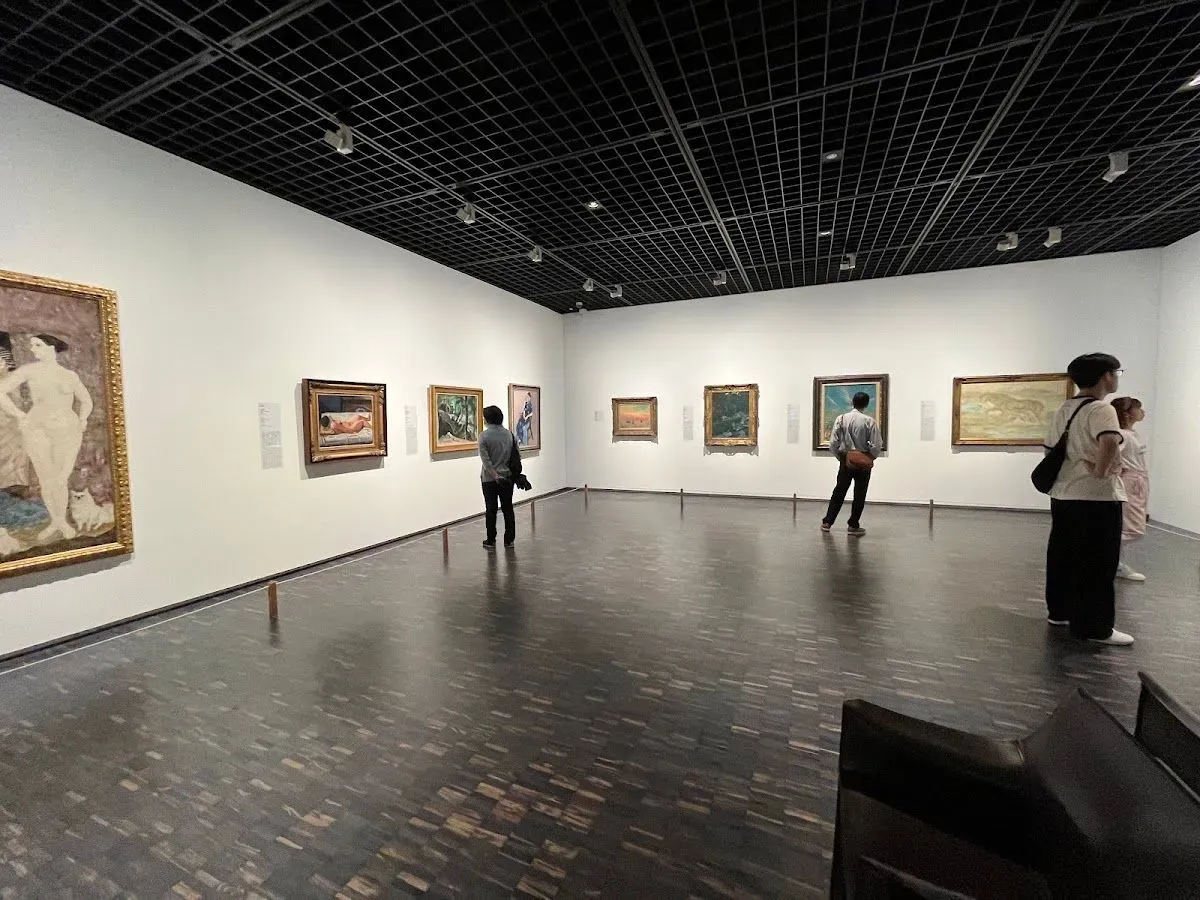
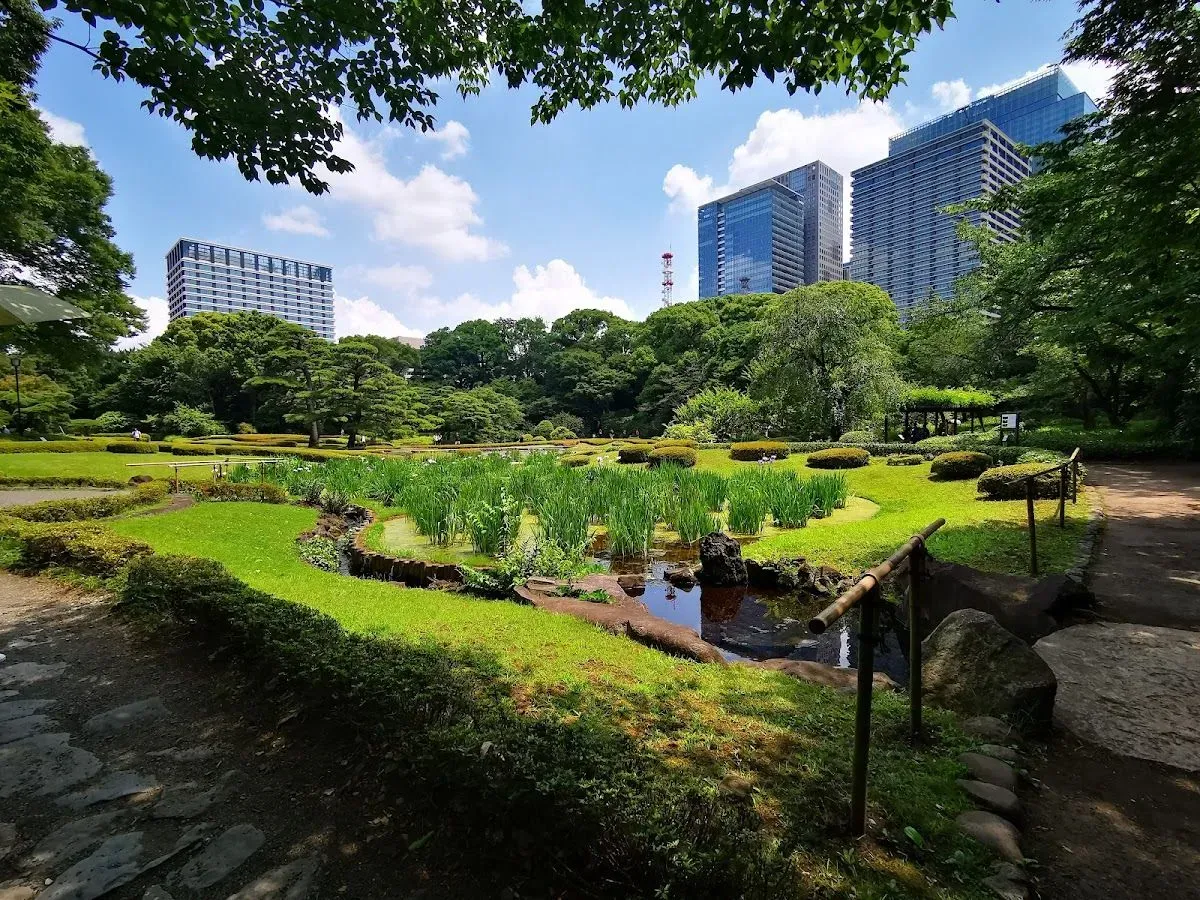
As Japan's first national art museum, this gallery houses a world-class collection of modern Japanese art spanning from the Meiji period (1868) to the present day. Visitors can trace Japan's rapid modernization and Western influence through stunning nihonga (Japanese-style paintings), yoga (Western-style paintings), and avant-garde sculptures. Located in the scenic Kitanomaru Park, it offers a peaceful, thought-provoking artistic escape right next to the Imperial Palace.
What Japanese guides note
Visitors often arrive at the main entrance without realizing that the permanent collection begins on the fourth floor rather than the ground level. Those planning a walking route through Kitanomaru Park should note that the historic red-brick building nearby is no longer open as a craft gallery, having transferred its collection to Ishikawa Prefecture in 2020. Weekend visitors can combine daytime gallery viewings with the museum's in-house restaurant, L'Art et Mikuni, or take advantage of Friday and Saturday night openings to avoid peak afternoon crowds.
Details from local sources
- The permanent MOMAT Collection is curated chronologically and is designed to be viewed from the fourth floor down to the second floor. [source]
- The fourth-floor rest area, known as 'A Room with a View' (眺めのよい部屋), provides panoramic window seating facing the Imperial Palace moat and the Marunouchi skyline. [source]
- Still photography is permitted for most works in the permanent collection galleries, provided visitors do not use flash, tripods, or shoot video. [source]
- The main 1969 museum structure was designed by modernist architect Yoshiro Taniguchi and funded through a donation by Bridgestone founder Shojiro Ishibashi. [source]
- The National Crafts Museum, previously the museum's crafts annex housed in the red-brick former Imperial Guard Headquarters next door, relocated to Kanazawa in October 2020. [source]
- The nearest subway exit, Takebashi Exit 1b, has only stairs, requiring step-free visitors with strollers or wheelchairs to use Exit 2 instead. [source]
Insider Tip
Head to the 4th-floor observation lounge, 'Room with a View,' for a stunning, panoramic view of the Imperial Palace gardens.
Frequently asked
Can you take photographs inside the museum?
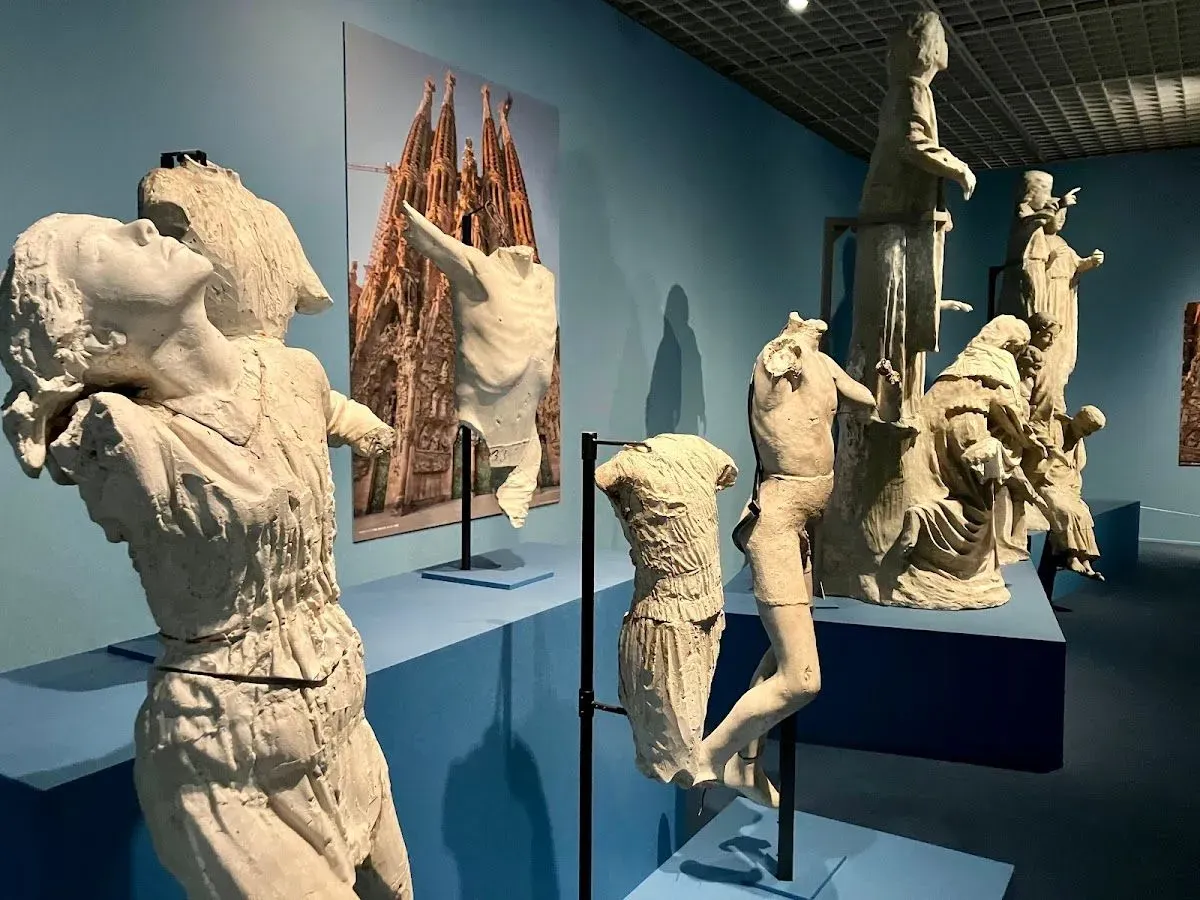
Photography is permitted for most works in the permanent MOMAT Collection, provided visitors avoid flash, tripods, and video recording. Certain loaned pieces display a no-photography symbol. In contrast, special temporary exhibitions enforce distinct photography restrictions per exhibition, so visitors should look for gallery signage before taking any pictures.
Is the Crafts Gallery still located next to the museum?
No. The National Crafts Museum (formerly MOMAT Crafts Gallery) relocated to Kanazawa, Ishikawa Prefecture, in October 2020. The historic red-brick 1910 Western-style building in Kitanomaru Park, formerly the Imperial Guard Headquarters, remains on site, but its interior is currently closed to the general public.
Which subway exit should wheelchair or stroller users take?
Takebashi Station Exit 1b is the closest exit but contains stairs without elevator or escalator access. Visitors traveling with wheelchairs, luggage, or strollers should use Takebashi Station Exit 2, which connects directly to street level via an elevator at the Hirakawamon gate side, followed by a level walk.
What is the recommended route for viewing the collection?
Visitors should ride the elevator directly up to the 4th floor to begin the MOMAT Collection. The permanent exhibition unfolds chronologically from late-19th-century Meiji modernization down through mid-century and contemporary periods across the 4th, 3rd, and 2nd floors, concluding on the 2nd floor before returning downstairs.
Are there free admission days at the museum?
Admission to the permanent MOMAT Collection is entirely free on International Museum Day (May 18) and Culture Day (November 3), unless those dates coincide with regular closures. Seniors aged 65 and over, visitors under 18, and disability certificate holders receive free admission to the collection throughout the year.
Our Tokyo walking tours


On the same walk
Photos