Tokyo Night & Light
Good to know before you go
- Getting there
- Tochōmae Station (Toei Oedo Line)
- Hours
- Daily from sunset (approx. 17:30–19:30 depending on season) until approx. 21:45; screenings every 30 minutes
- Admission
- Free
- Time needed
- 15–45 min
- Best time to go
- Evenings after dark on weekends and public holidays, when narrative anime and franchise collaborations alternate every 30 minutes.
Hours can change on holidays — check the official site before travelling.
About
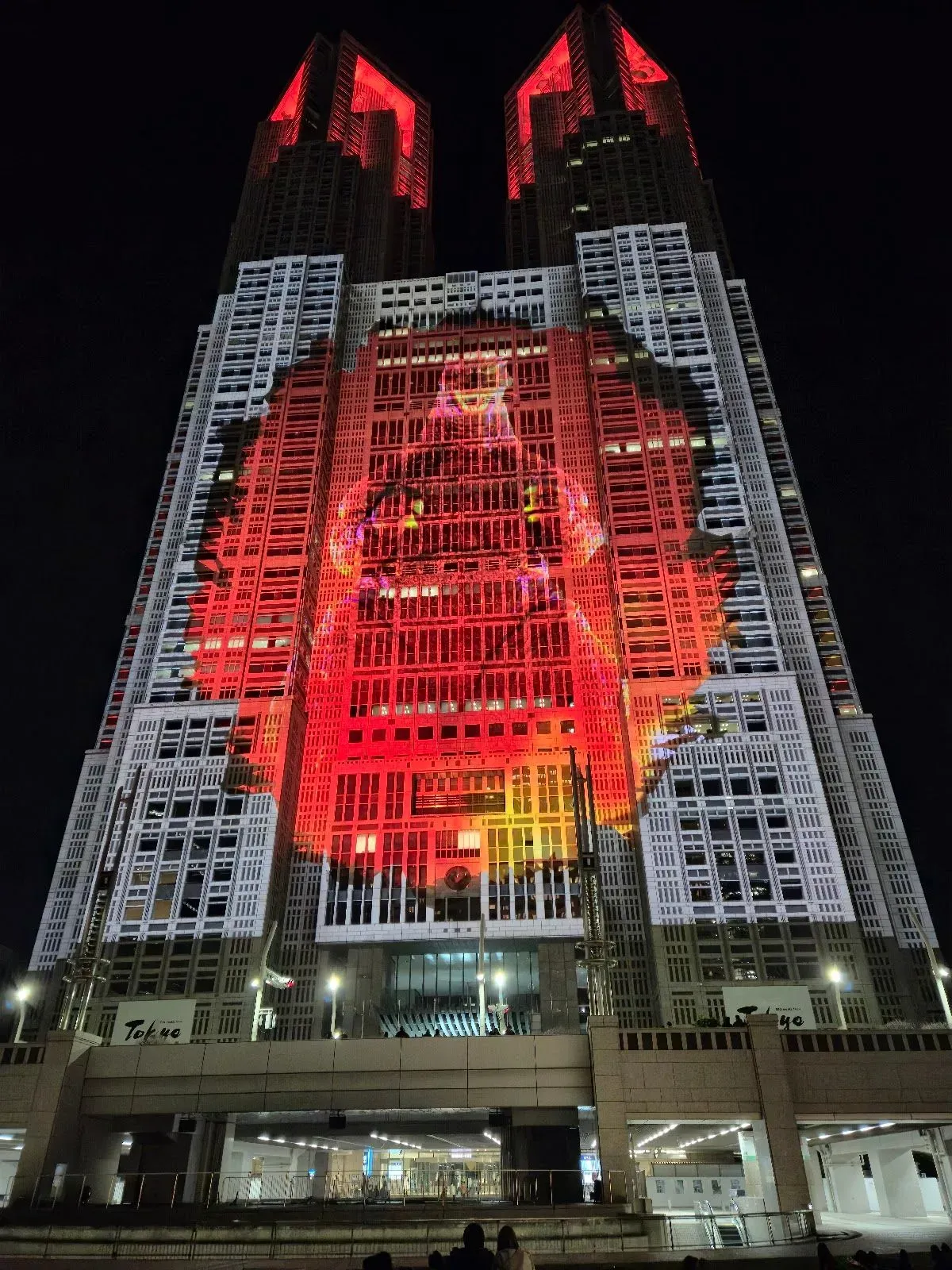
Projected onto the massive facade of the Tokyo Metropolitan Government Building, this record-breaking projection mapping show is a spectacular display of light, sound, and technology. It is a fantastic, free night-time attraction that brings Shinjuku's concrete architecture to life with vivid artistic animations. Expect a synchronized 15-minute visual performance that showcases Japanese culture and futuristic concepts.
What Japanese guides note
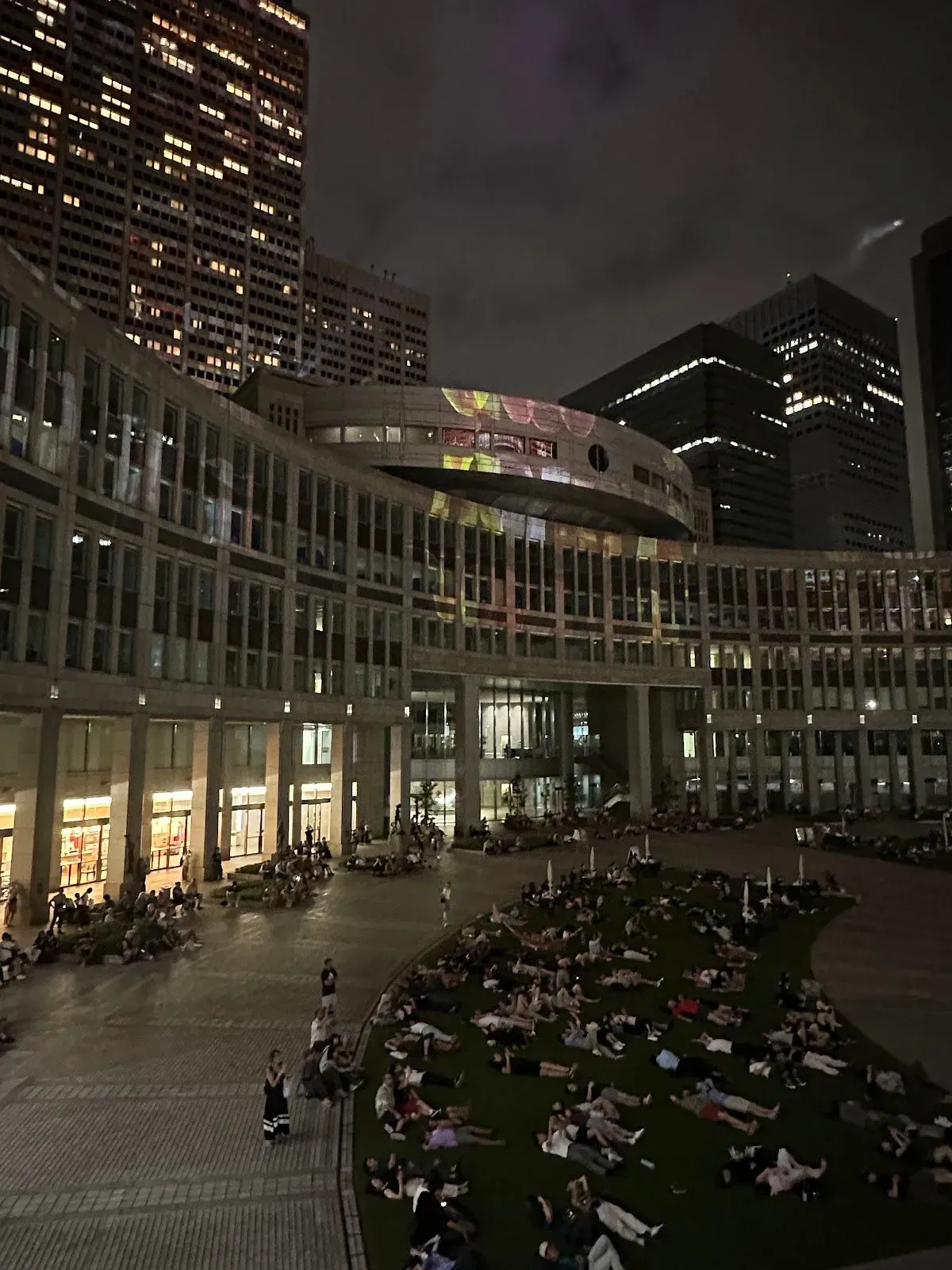
The designated viewing spot is the semi-sunken Tomin Hiroba (Citizen's Plaza), which provides unobstructed sightlines of the building's 126-meter east wall and direct sound from 22 outdoor speakers. Although the projections are visible from nearby sidewalks and Shinjuku Central Park, external audio is only available by streaming the soundtrack from the official website. Visitors should check the monthly schedule online before arriving, as start times shift throughout the year according to sunset.
Details from local sources
- The installation holds the Guinness World Record for the largest permanent architectural projection mapping display, covering a projection area of 13,904.956 square meters on the east facade of Tokyo Metropolitan Government Building No. 1. [source]
- The official website streams the production audio in real time during each show so spectators viewing from surrounding streets can listen along on their smartphones. [source]
- Weekday screenings focus on the geometric architecture of the building, while weekend and public holiday schedules feature narrative pop-culture collaborations including Godzilla and anime franchises. [source]
- All electricity consumed to run the projection system is powered using certified green energy credits. [source]
- Visitors with strollers or mobility difficulties can ask on-site security guards to use interior building elevators to bypass the outdoor stairs down to the viewing plaza. [source]
Insider Tip
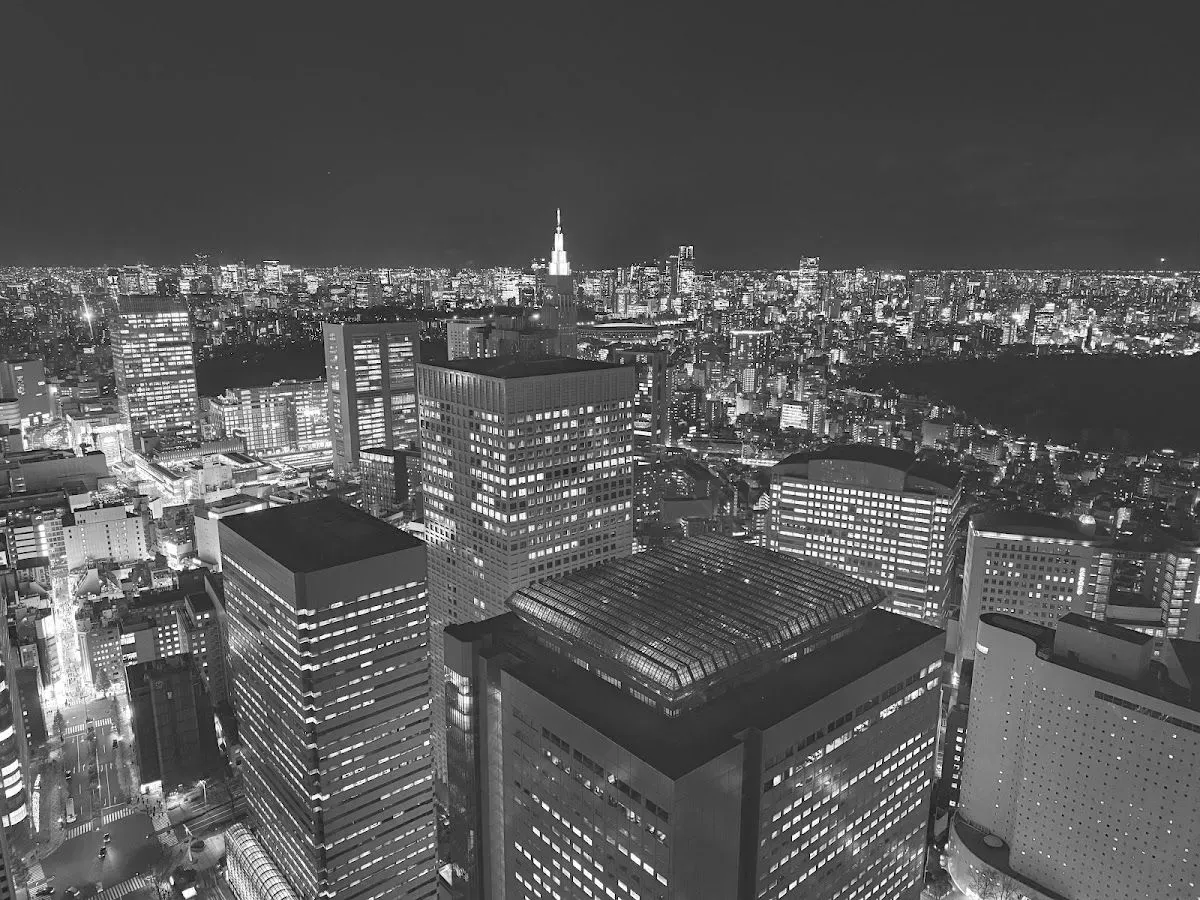
Catch the show from the plaza below the towers, and pair it with a free trip up to the building's 45th-floor observation deck beforehand.
Frequently asked
Where is the designated viewing area for the projection mapping?
The primary viewing space is Tomin Hiroba (Citizen's Plaza), the sunken courtyard situated between Tokyo Metropolitan Government Building No. 1 and the Assembly Building. This area provides unobstructed views across the entire 126-meter facade alongside directional sound from 22 synchronized line-array speakers installed along the perimeter.
How often do the projection mapping shows run each evening?
Screenings take place nightly, beginning approximately 30 minutes after sunset (around 17:30 during winter and 19:00 to 19:30 during summer) and continuing until roughly 21:45. Each visual program runs for 10 to 15 minutes and restarts every 30 minutes on the hour and half-hour mark.
Are the shows cancelled if it rains?
Regular screenings proceed during light and moderate rain. Presentations are suspended only during severe weather events such as typhoons, thunder warnings, or excessive wind speeds. In the event of a cancellation, updates are published immediately on the project's official X (formerly Twitter) account and website.
Can you see the projection mapping from the building's free observation decks?
No. The imagery is projected onto the exterior east facade of Building No. 1 facing outward toward the plaza. From within the 45th-floor observation floors, visitors look outward toward the Tokyo skyline and cannot see the mapped wall directly below and beneath them.
Why do the weekday and weekend screening schedules differ?
Weekday schedules present graphic art that emphasizes Kenzo Tange's architectural lines, alongside work from student animation programs. Weekend and holiday schedules feature narrative entertainment collaborations with established pop-culture franchises, such as Godzilla and anime productions, alternating different titles between the top and bottom of each hour.
Our Tokyo walking tours


On the same walk
Photos