Autumn in Tokyo: 10 Things to Do in October and November
Guides

Autumn in Tokyo: 10 Things to Do in October and November

Plan your fall trip with precision: discover Tokyo's best October food festivals, open-air craft markets, and peak late-November ginkgo leaf viewing spots.

Back to blog
Shakhboz Khayrilloev

Shakhboz Khayrilloev

September 8, 2026·5 min read

Tokyo foliage runs two to three weeks behind Western expectations. If you visit in October, bypass the parks for street festivals, open-air markets, and neighborhood walks. Maples and ginkgoes do not peak until late November.

1. Meiji Jingu Gaien — Golden Ginkgo Tunnel in Late November
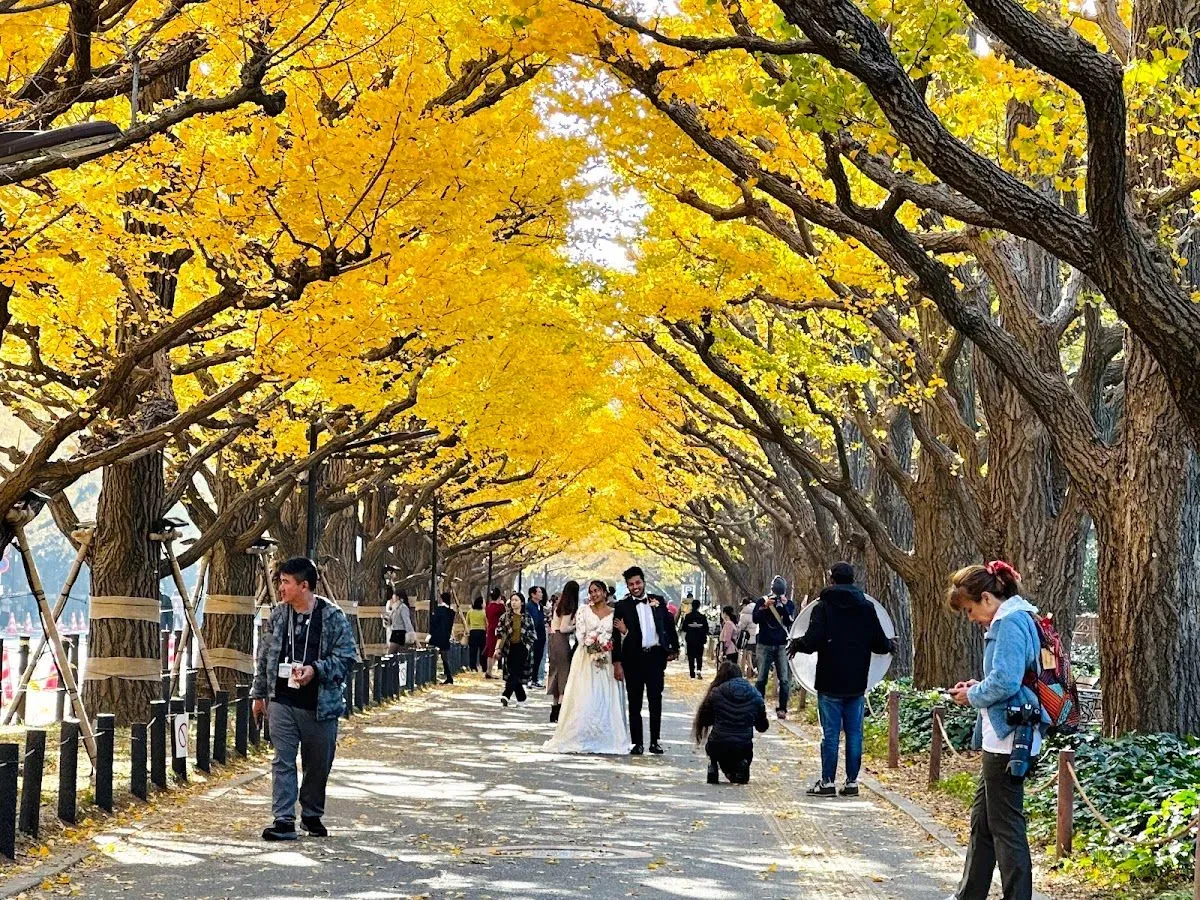
Meiji Jingu Gaien Ginkgo Avenue, Osaka
📷 Google Places

Meiji Jingu Gaien features a 300-meter avenue of 146 pruned ginkgo trees turning deep yellow from late November to early December, free of charge. Planted in 1923, the four rows rely on forced perspective, growing taller toward the Meiji Memorial Picture Gallery. Fallen leaves carpet the pavement by late November, drawing over 100,000 daily visitors on weekends. Arrive before 08:30 on a weekday to beat the selfie sticks.

💡 Insider tip: Take an outdoor bench at Royal Garden Cafe around 08:45, right as service begins.
🕐 Open 24 hours💴 Free🚶 3 min walk from Gaienmae Station Exit 4a or Aoyama-itchome Station
📍 View on Google Maps

2. Rikugien Garden — Nighttime Foliage Illuminations Around the Pond
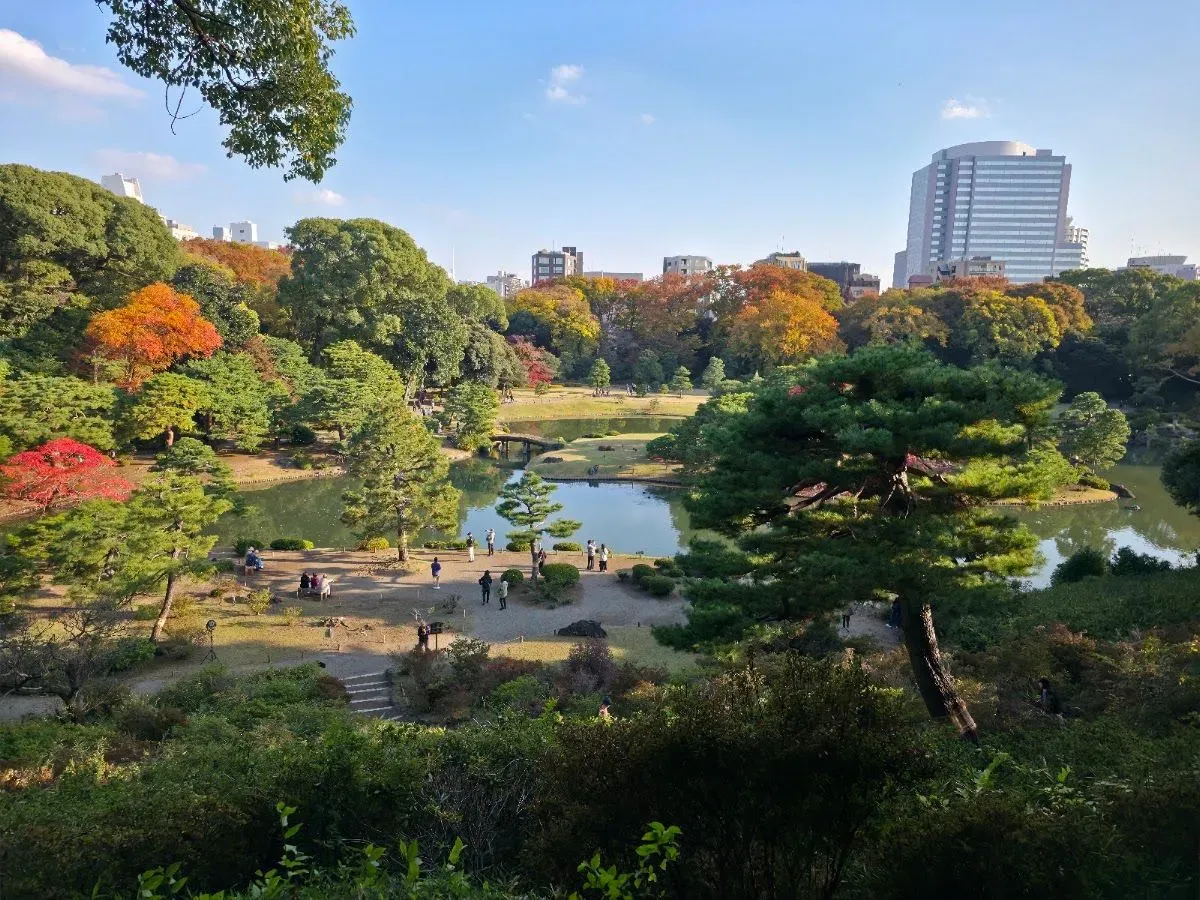
Rikugien Gardens, Osaka
📷 Google Places

Rikugien Garden lights 400 Japanese maples and central ponds each late November. Built between 1695 and 1702 by Yanagisawa Yoshiyasu, this strolling pond garden recreates 88 scenes from classical waka poetry. The ¥1,100 evening ticket admits you to timber bridges reflected in the water beneath crimson canopies. Pair the visit with our daytime Hidden Tokyo - Peaceful Gardens, Historic Shrines & Old Town Streets to explore the surrounding neighborhoods.

💡 Insider tip: Buy night tickets through the Tokyo Metropolitan Park Association site to skip the 40-minute queue at Somei Gate.
🕐 Daily 9:00 AM–5:00 PM💴 ¥300 daytime, ¥1,100 special night event🚶 7 min walk from Komagome Station South Exit (JR Yamanote Line)
📍 View on Google Maps

3. Mount Takao — Early Maple Leaves and Takaosan Yakuo-in Temple
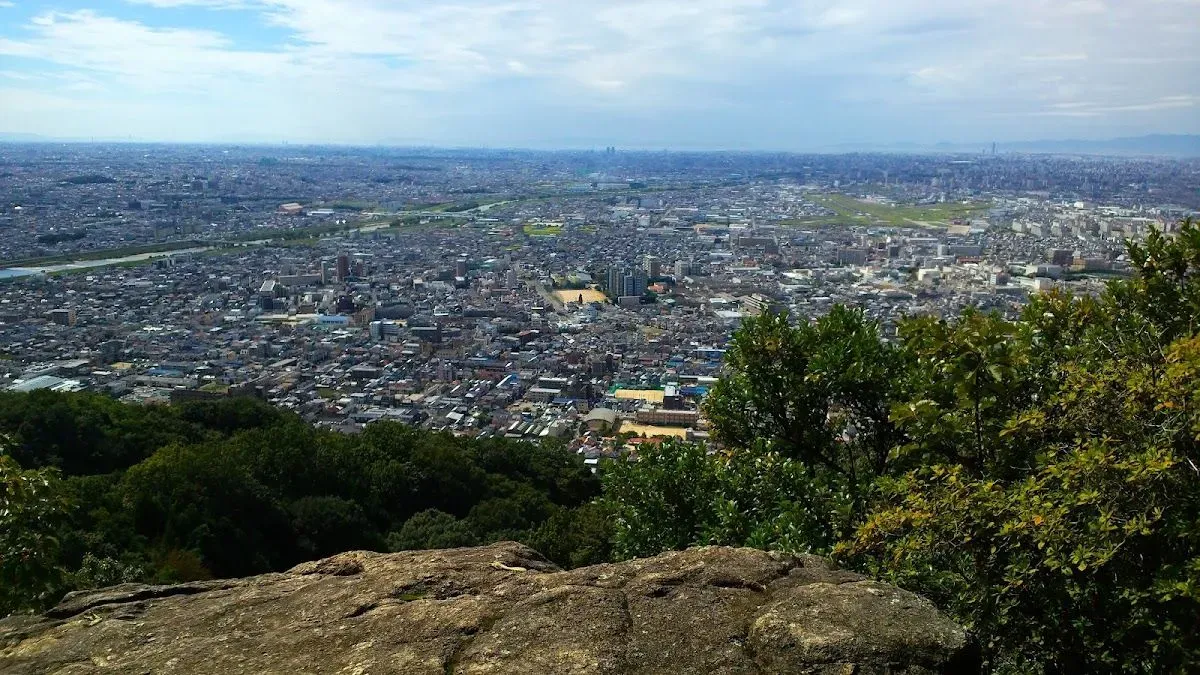
Takaosan, Osaka
📷 Google Places

Mount Takao rises 599 meters on Tokyo's western rim, peaking two full weeks before the city center. Keio Line expresses run from Shinjuku to Takaosanguchi in 50 minutes for ¥390. Trail 1 is paved, passing eighth-century Takaosan Yakuo-in and 1,200-year-old cedars; Trail 6 follows a stream through wild maples. Scarlet foliage peaks from early to mid-November.

💡 Insider tip: Begin climbing before 08:00. By 10:30 on November weekends, the cable car line exceeds 45 minutes.
🕐 Open 24 hours daily; Cable car operates 08:00–17:45💴 Free (Cable car ¥490 one-way, ¥950 round-trip)🚶 Directly outside Takaosanguchi Station (Keio Line)
📍 View on Google Maps

4. Shinjuku Gyoen — 1,000 Autumn Trees and the November Chrysanthemum Exhibit
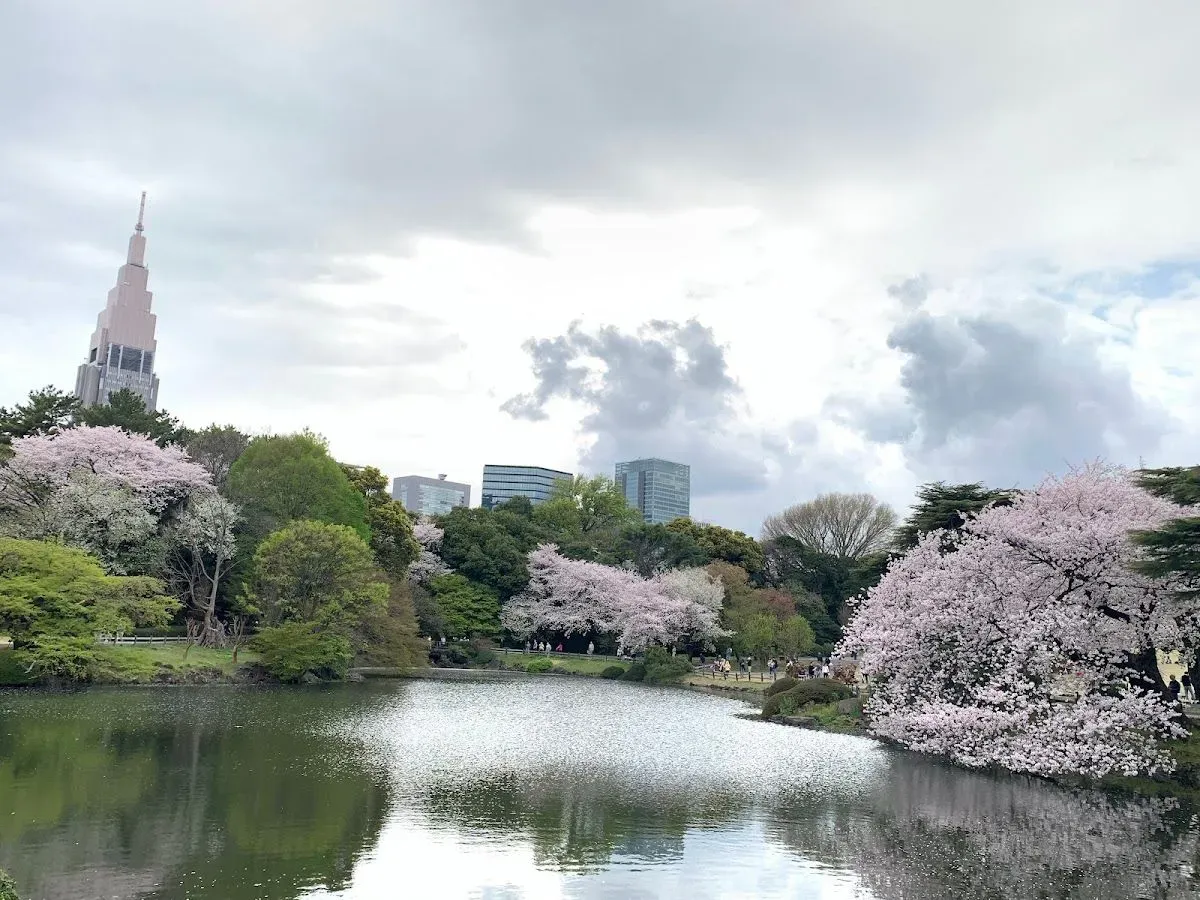
Shinjuku Gyoen National Garden, Osaka
📷 Google Places

Shinjuku Gyoen spans 58 hectares and holds over 1,000 turning trees alongside the Imperial Chrysanthemum Exhibition. This former imperial estate merges French formal, English landscape, and traditional Japanese layouts. From November 1 to 15, gardeners present kengai—cascading chrysanthemum mounds crafted here since 1904. The French section drops bronze sycamore leaves in October, while the Japanese pond maples turn deep red in late November.

💡 Insider tip: Use Sendagaya Gate on the southern perimeter to skip the lines at Shinjuku Gate.
🕐 Monday: Closed; Tuesday: 9:00 AM–6:00 PM; Wednesday: 9:00 AM–6:00 PM; Thursday: 9:00 AM–6:00 PM; Friday: 9:00 AM–6:00 PM; Saturday: 9:00 AM–6:00 PM; Sunday: 9:00 AM–6:00 PM💴 ¥500 adults, ¥250 seniors & students🚶 5 min walk from Shinjuku-gyoemmae Station Exit 1
📍 View on Google Maps

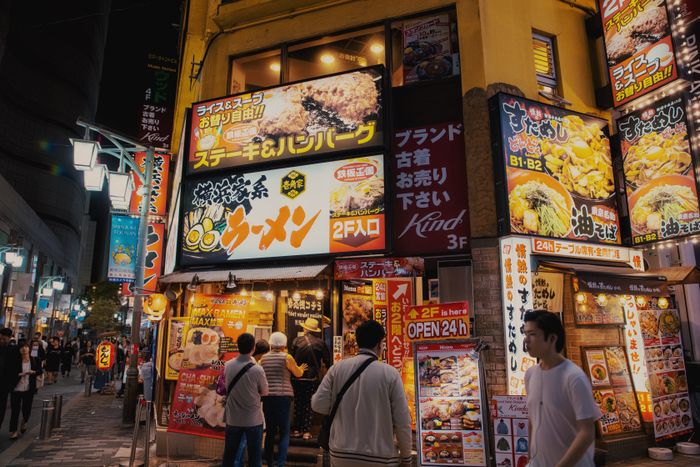
5. Tokyo Ramen Festa at Komazawa Olympic Park — October Open-Air Bowls
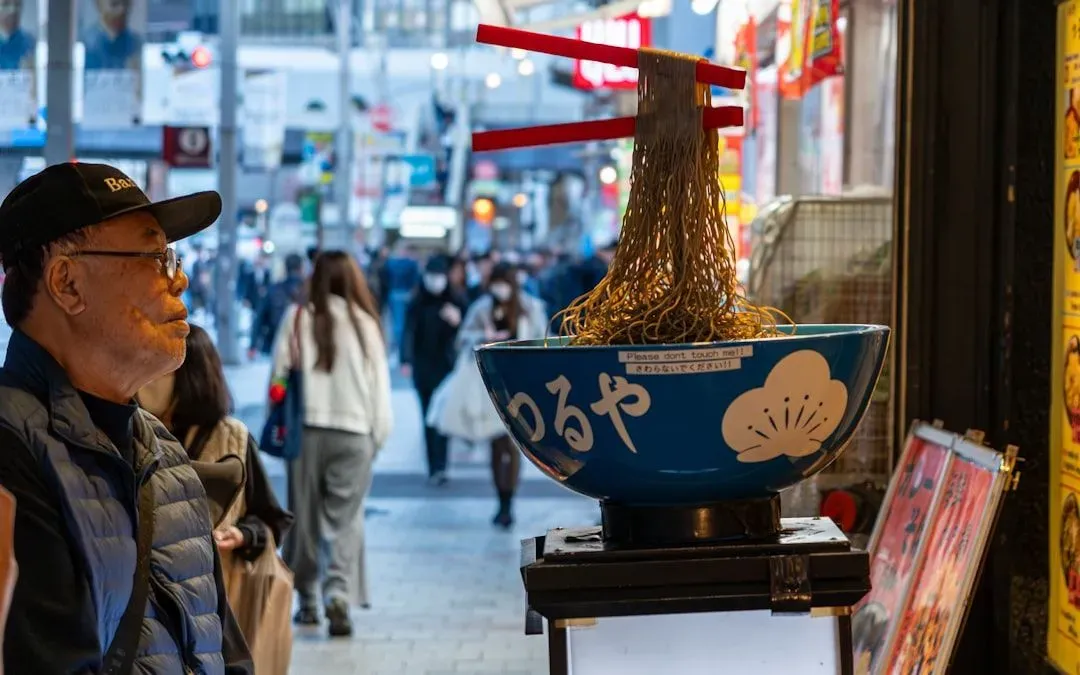
Tokyo ramen festival outdoor market
📷 Bhanu Singh / Unsplash

Tokyo Ramen Festa brings over 25 shops to Komazawa Olympic Park across two five-day runs in late October and early November. Stalls pour Sapporo miso, Aomori niboshi broth, and Hakata tonkotsu from steaming kettles. Buy paper vouchers at central kiosks for roughly ¥1,000 before queuing at the tents.

💡 Insider tip: Arrive on a weekday between 14:00 and 16:00 to drop wait times from 40 minutes to five.
🕐 Daily 10:30–20:30 during festival dates (late October to early November)💴 Free entry; uniform price per ramen bowl (approx. ¥1,000)🚶 12 min walk from Komazawa-daigaku Station Komazawa Park Exit

6. Yanaka Ginza & Nezu Shrine — Autumn Street Food and Yanaka Matsuri
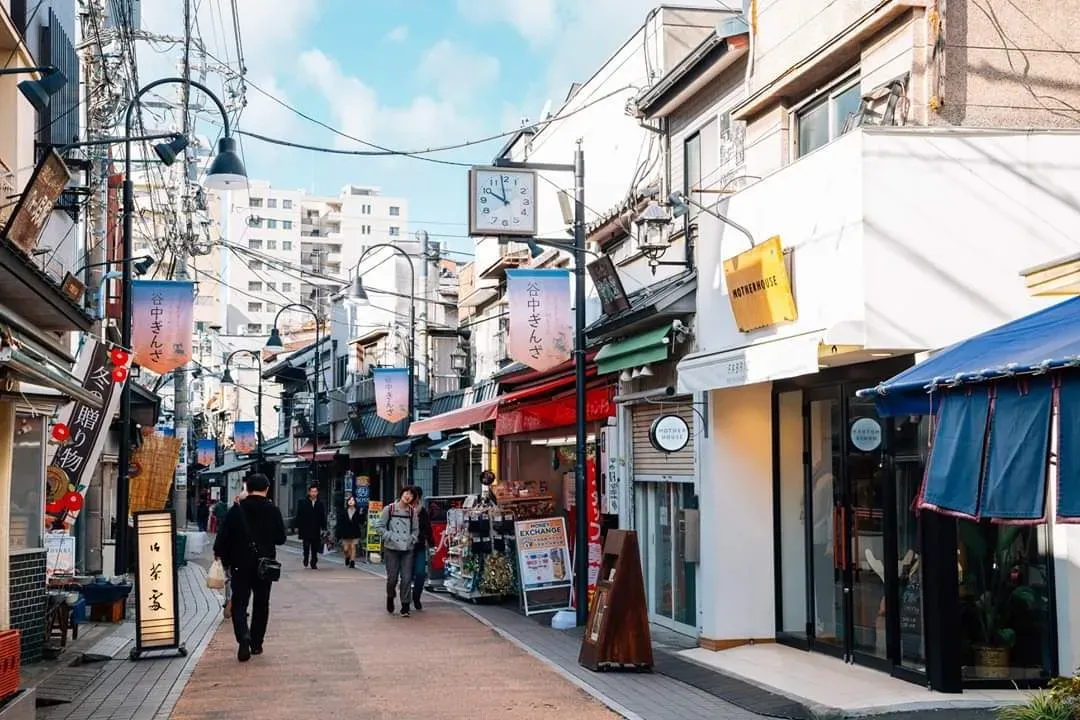
Yanaka Ginza, Osaka
📷 Google Places

Yanaka Ginza and Nezu Shrine show off Tokyo's older downtown in early October. Nezu's red torii gate tunnel empties out, while roasted kuri carts fire up for the Yanaka Matsuri. Down the Yuyake Dandan stairs, the 170-meter Yanaka Ginza arcade serves seasonal snacks like kabocha croquettes and sweet-potato taiyaki. Walk these alleys with our guides on the Tokyo tour · Día 1.

💡 Insider tip: Grab a paper cone of hot candied chestnuts at Kuriya Kuriya near Nezu.
🕐 Shops generally open 10:30–18:30 daily; shrine grounds open dawn to dusk💴 Free🚶 5 min walk from Nippori Station West Exit or Nezu Station
📍 View on Google Maps

7. Kanda Used Book Festival — Jinbocho's Massive Open-Air October Sale
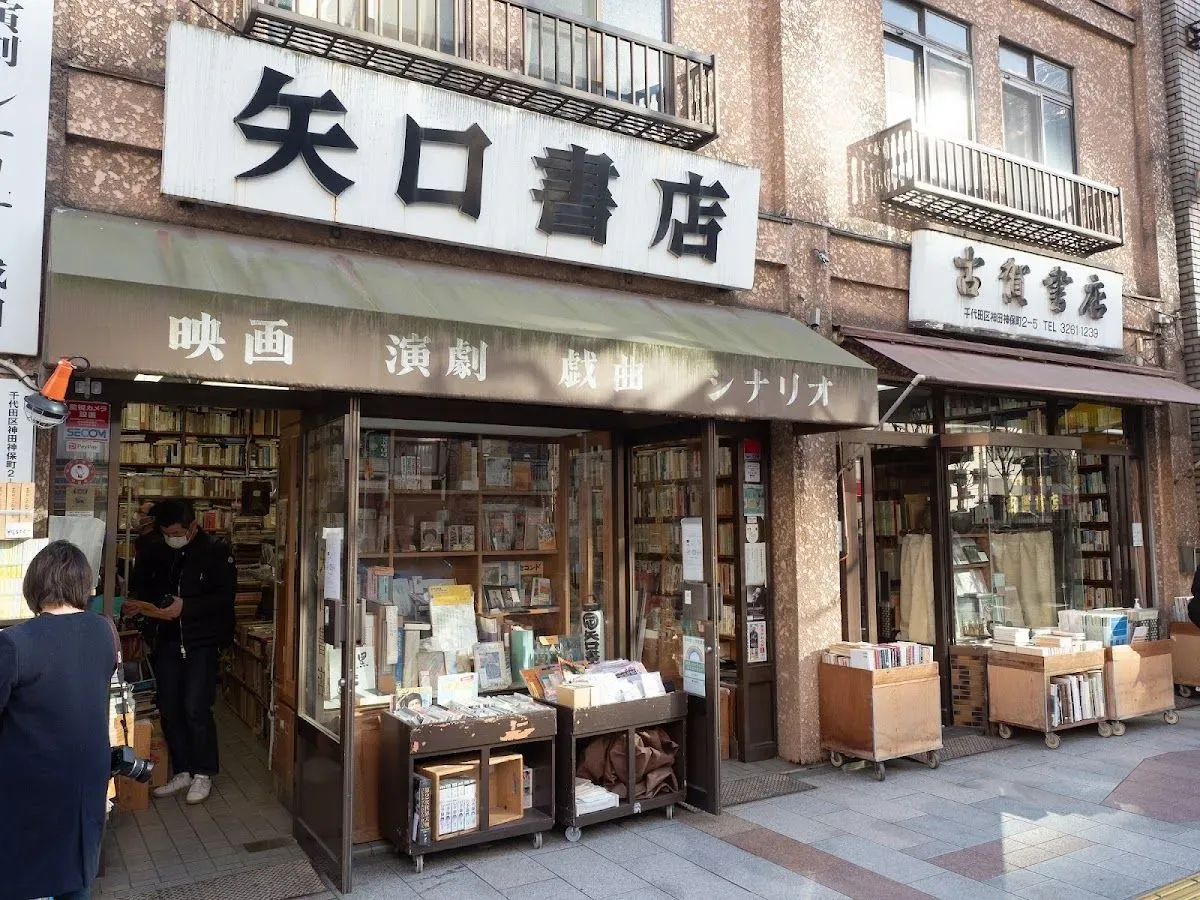
Jimbocho Book Town, Osaka
📷 Google Places

During the late October Kanda Used Book Festival, over 100 antiquarian dealers roll carts of one million discounted volumes onto Jinbocho's sidewalks. Roughly 130 specialist bookshops line Yasukuni-dori and its side alleys. For one week, a 500-meter corridor of carts displays woodblock prints, vintage film posters, and art monographs.

💡 Insider tip: Rummage through the carts outside Kitazawa Bookstore for vintage English editions and botanical plates.
🕐 Daily 10:00–18:00 during the festival week (late October)💴 Free entry; books priced individually from ¥100🚶 Directly outside Jinbocho Station Exits A5 or A7
📍 View on Google Maps

8. Koishikawa Korakuen — Full-Canopy Japanese Maples Along the Canal
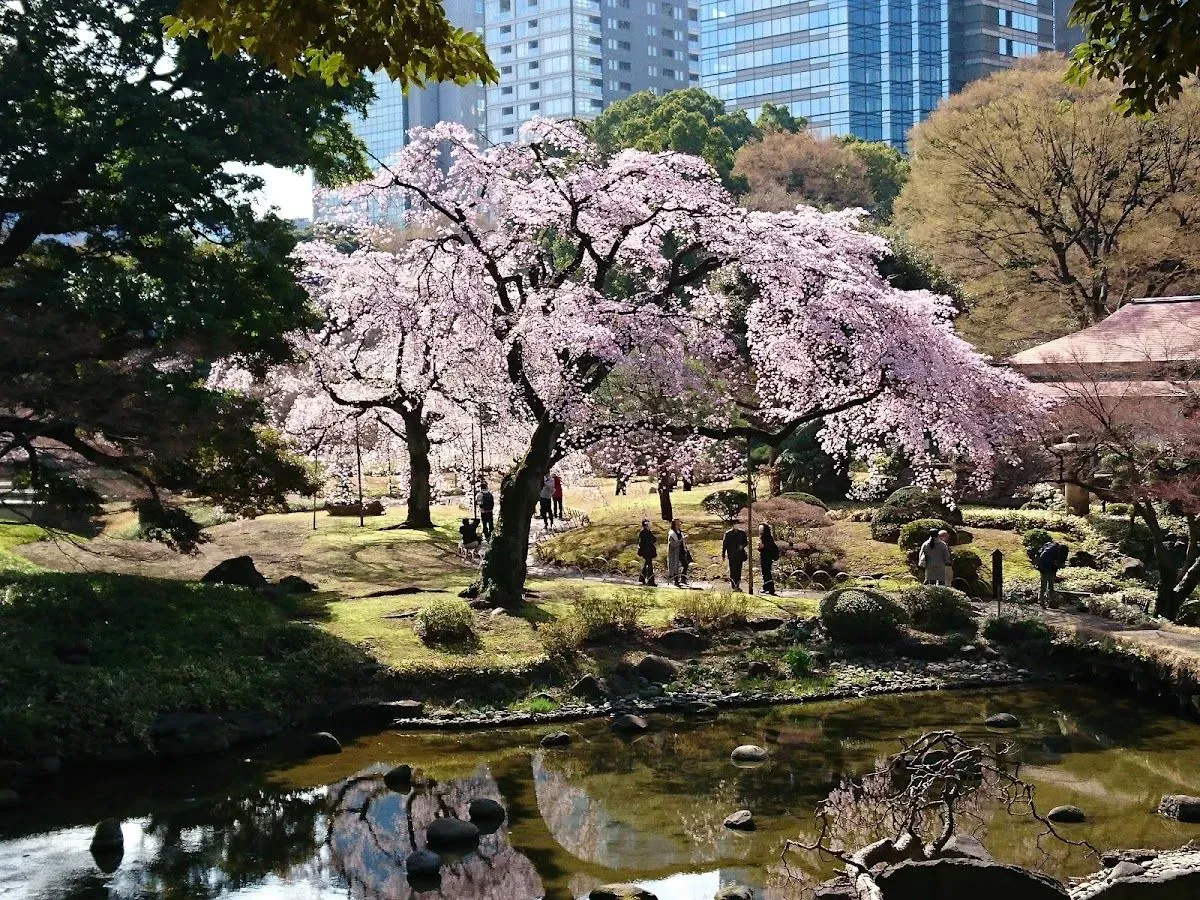
Koishikawa Korakuen Gardens, Osaka
📷 Google Places

Dating to 1629, Koishikawa Korakuen is one of Tokyo's oldest surviving feudal grounds. Founded by Tokugawa Yorifusa and finished by his son Mitsukuni, this circuit garden incorporates Chinese design alongside Japanese ponds. The Oi River section mimics Kyoto's Arashiyama, shading stone canals and the seventeenth-century Engetsu-kyo bridge with maples. Admission is ¥300, set right beneath Tokyo Dome.

💡 Insider tip: Enter through the Southwest Gate near Iidabashi Station to reach the densest maple stands first.
🕐 Daily 9:00 AM–4:30 PM💴 ¥300 adults, ¥150 seniors (65+)🚶 3 min walk from Iidabashi Station or 8 min from Korakuen Station
📍 View on Google Maps

9. Meguro River & Daikanyama — Clear Autumn Walks and Craft Beer Yards
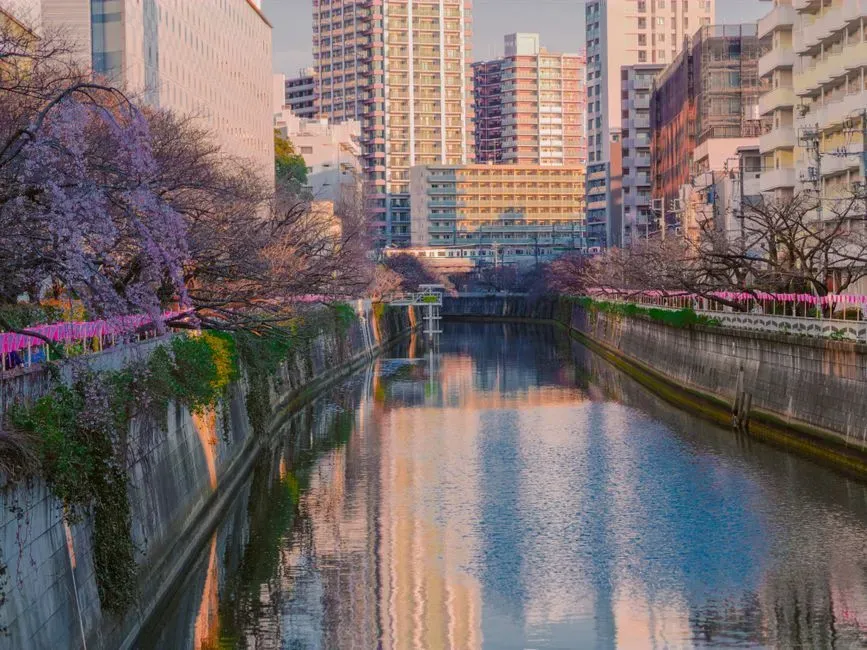
Naka Meguro canal autumn
📷 Alex Brites / Pexels

Meguro River empties out in October once cherry blossom crowds vanish. Sycamores and cherry trees drop orange leaves into the 3.8-kilometer canal, bordered by design shops and coffee counters. Head uphill to Daikanyama Log Road for seasonal red ales on the terrace at Spring Valley Brewery.

💡 Insider tip: Arrive at Naka-Meguro Station around 15:00, browse the canal, and reach Daikanyama at dusk.
🕐 Public street open 24 hours; cafes generally open 11:00–21:00💴 Free🚶 1 min walk from Naka-Meguro Station East Exit

10. Tori-no-Ichi at Hanazono Shrine — Shinjuku's Raucous November Rooster Fair
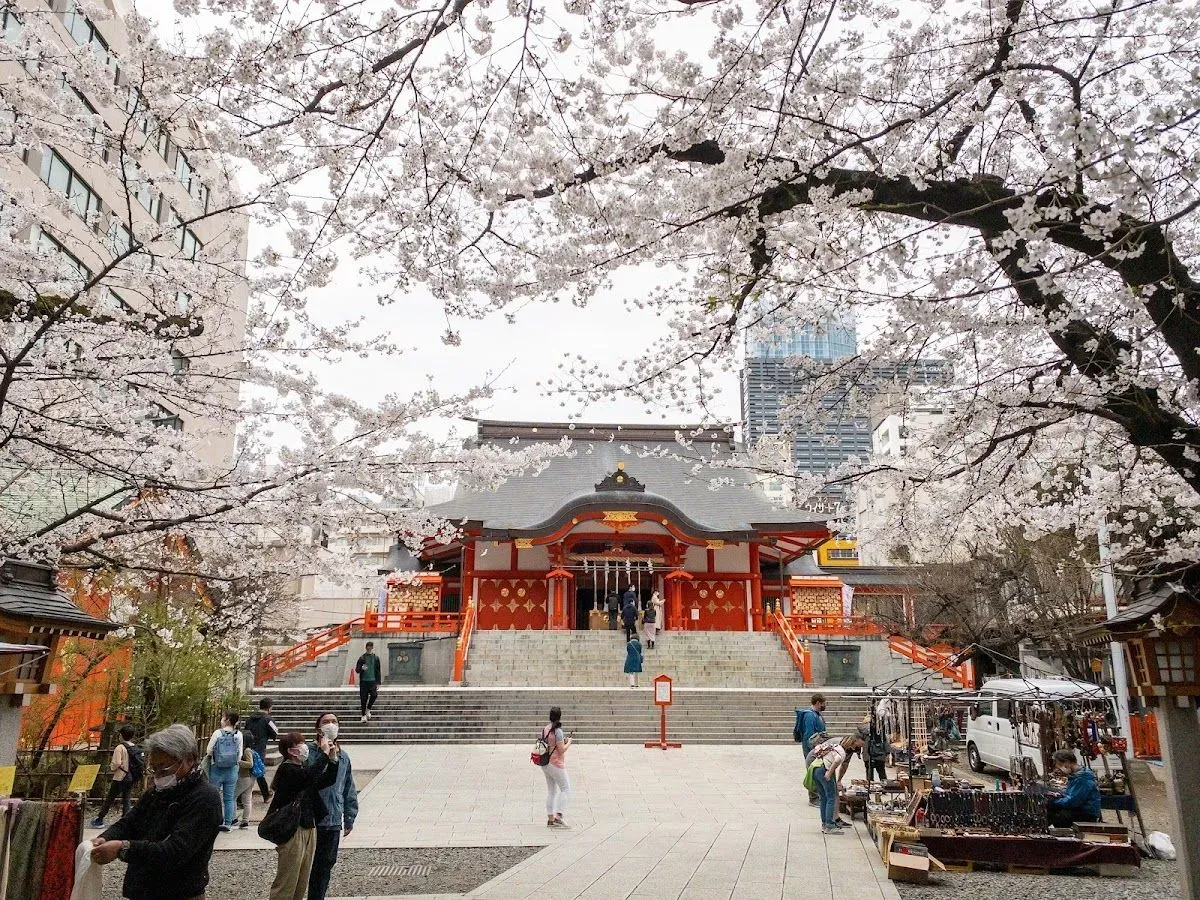
Hanazono Shrine, Osaka
📷 Google Places

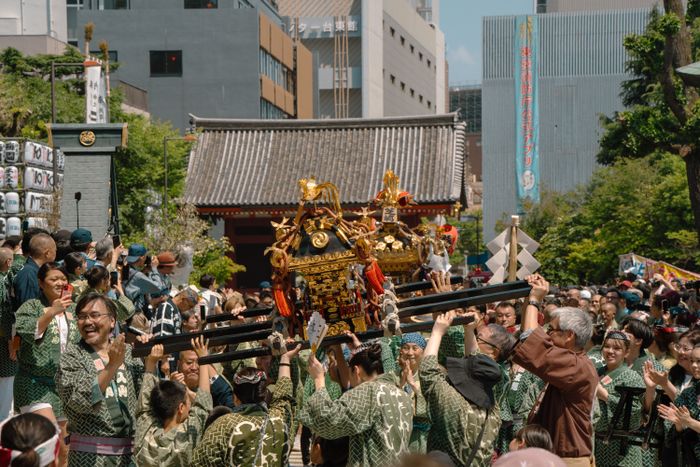
Hanazono Shrine holds Tori-no-Ichi across designated Rooster Days each November. Dating to the Edo period, this festival honors the deity of business fortune with lantern-lit stalls selling kumade—bamboo rakes adorned with masks, gold coins, and sea bream. Merchants seal purchases with tejime rhythmic clapping. Continue into the backstreets on our Shinjuku Night Walking Tour - Dark Side of Tokyo (For Adults 18+ Only).

💡 Insider tip: Show up between 20:00 and 22:00 when the tejime claps peak across the courtyard.
🕐 Open 24 hours💴 Free entry (kumade rakes range from ¥1,000 to over ¥50,000)🚶 Directly outside Shinjuku-sanchome Station Exit E2
📍 View on Google Maps

Experience Autumn in Tokyo with Wabisabi

Explore Tokyo's Edo-era garden ponds, quiet temple courtyards, and lively street markets alongside our knowledgeable neighborhood guides.

Book this tour →
Frequently asked questions

When do autumn leaves actually peak in Tokyo?

Central Tokyo autumn leaves peak between late November and early December. Ginkgo avenues turn bright yellow starting around November 20, while Japanese maples in traditional landscape gardens show deep crimson through the first week of December.

Is October or November better to visit Tokyo?

November is better if your primary goal is seeing fall foliage, night garden illuminations, and traditional festivals. October offers milder 18°C weather, harvest street food markets, and open-air book fairs without peak autumn crowds.

What clothes should you pack for Tokyo in October and November?

Pack light layers for October, where daytime highs reach 20°C and evenings drop to 14°C. By mid-November, pack a medium wool coat, scarves, and heat-retaining undergarments, as night temperatures routinely dip to 8°C during outdoor foliage viewings.

Do you need advance reservations for autumn illuminations in Tokyo?

Most public parks do not require reservations, but popular night illumination events like Rikugien Garden sell timed advance tickets online. Purchasing your ticket in advance online saves you up to 45 minutes standing in chilly evening ticket lines.

Where can you see both fall foliage and traditional festivals in Tokyo?

Hanazono Shrine in Shinjuku hosts the lively Tori-no-Ichi Rooster Fair on designated November dates near the colorful foliage of Shinjuku Gyoen. In western Tokyo, Mount Takao pairs 8th-century temple festivals with mountain maples that peak in early November.

#Autumn in Tokyo#Tokyo Travel Guide#Fall Foliage#Tokyo Events#Tokyo Food#Day Trips Tokyo

Book these experiences

Ready to explore? These Wabisabi Trips tours bring the stories in this article to life.