Ikebukuro is Tokyo's most competitive ramen proving ground, yet thousands of travelers waste an hour standing outside Mutekiya for a bowl locals stopped eating a decade ago. Finding the best ramen in Ikebukuro requires looking down side alleys and booking digital numbered tickets. Here are 12 bowl counters that actually justify your time.
1. Japanese Ramen Gokan — Clarified Clam and Free-Range Shio Soba
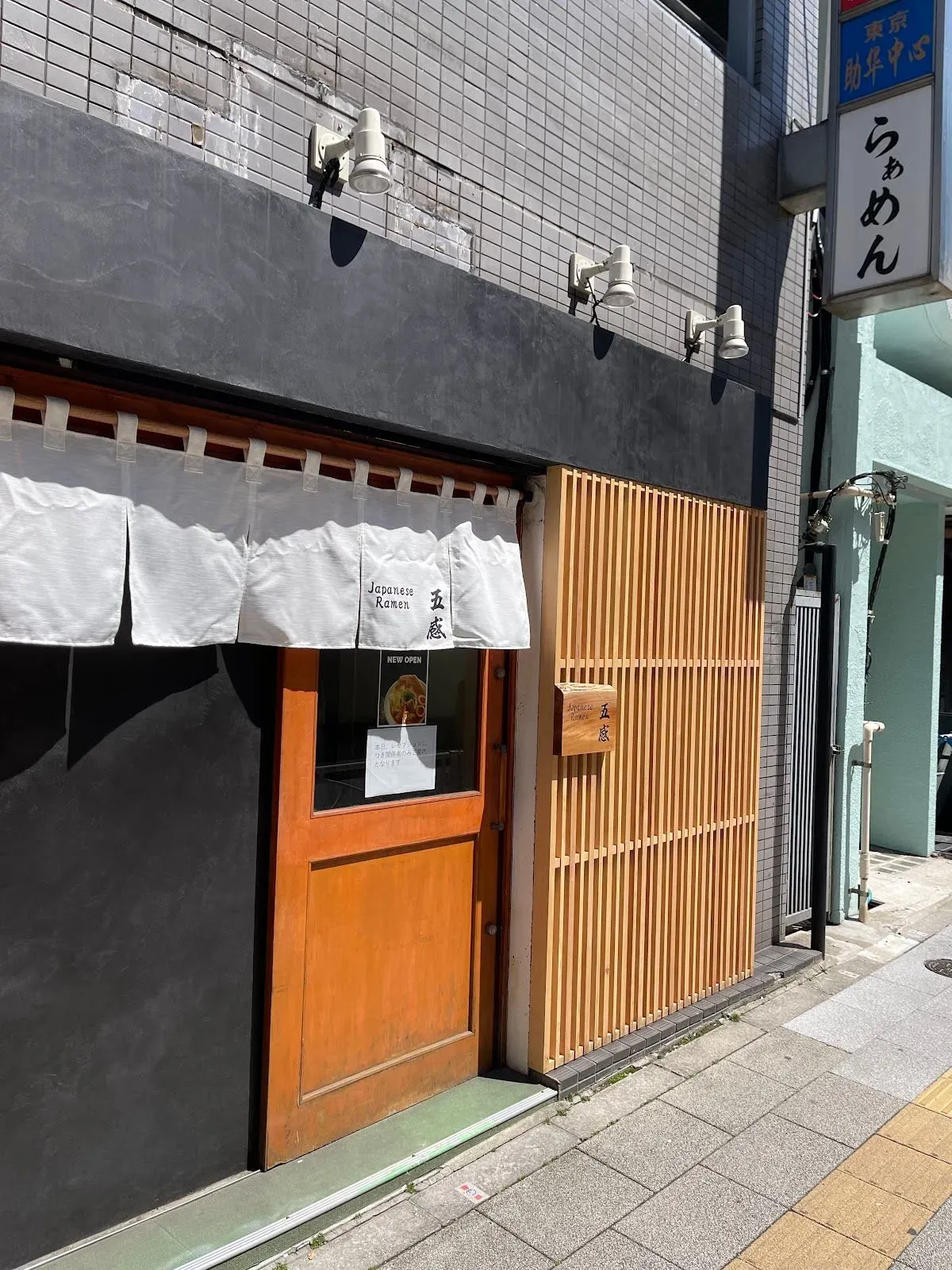
Japanese Ramen Gokan serves Tokyo's premier refined shio soba by simmering Akita Hinai-jidori chicken with five regional sea stocks, drawing lines hours before its 11:30 opening because the kitchen caps daily production at roughly 130 bowls to preserve delicate broth clarity. The broth combines whole Hinai-jidori poultry with clams from Lake Shinji and dried shellfish. Hand-folded wontons and rare-cut chashu float over thin, springy noodles made from domestic Haruyo Koi wheat.
2. Shio Soba Semmonten Kuwabara — Tokyo's Sharpest Mongolian Rock-Salt Broth
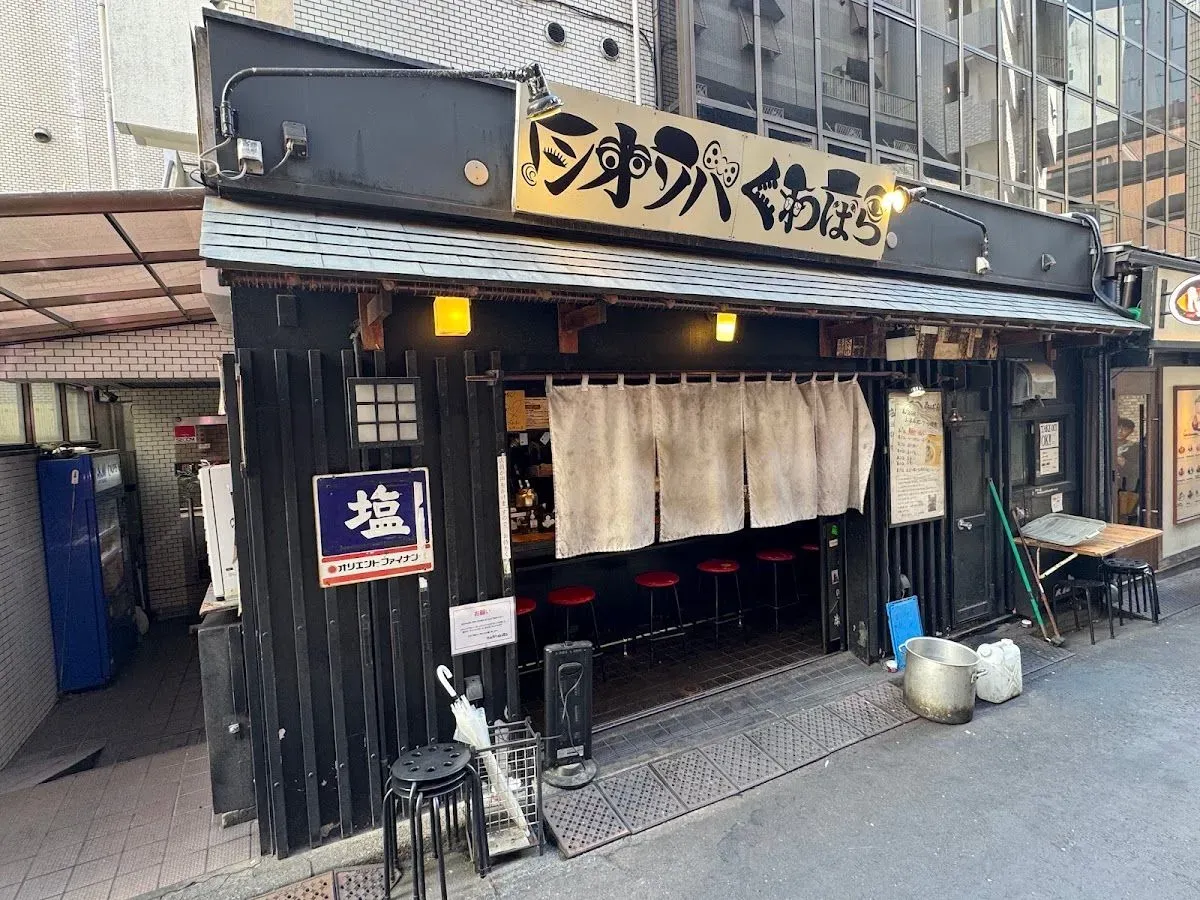
Shio Soba Semmonten Kuwabara delivers Tokyo's sharpest clear salt ramen by combining unrefined Mongolian rock salt dashi with seared pork belly, offering an intensely mineral broth that trades standard mild shio subtleties for aggressive punch in an alley near East Ikebukuro. The base soup is water-clear, but the salinity hits hard and fast. Travelers exploring the area on our Tokyo friki tour stop here for the charcoal-blistered pork belly slabs cut thick across thin noodles.
3. Menya Hulu-lu — Hawaiian Roast-Coffee Vibes and Water-Purified Broth
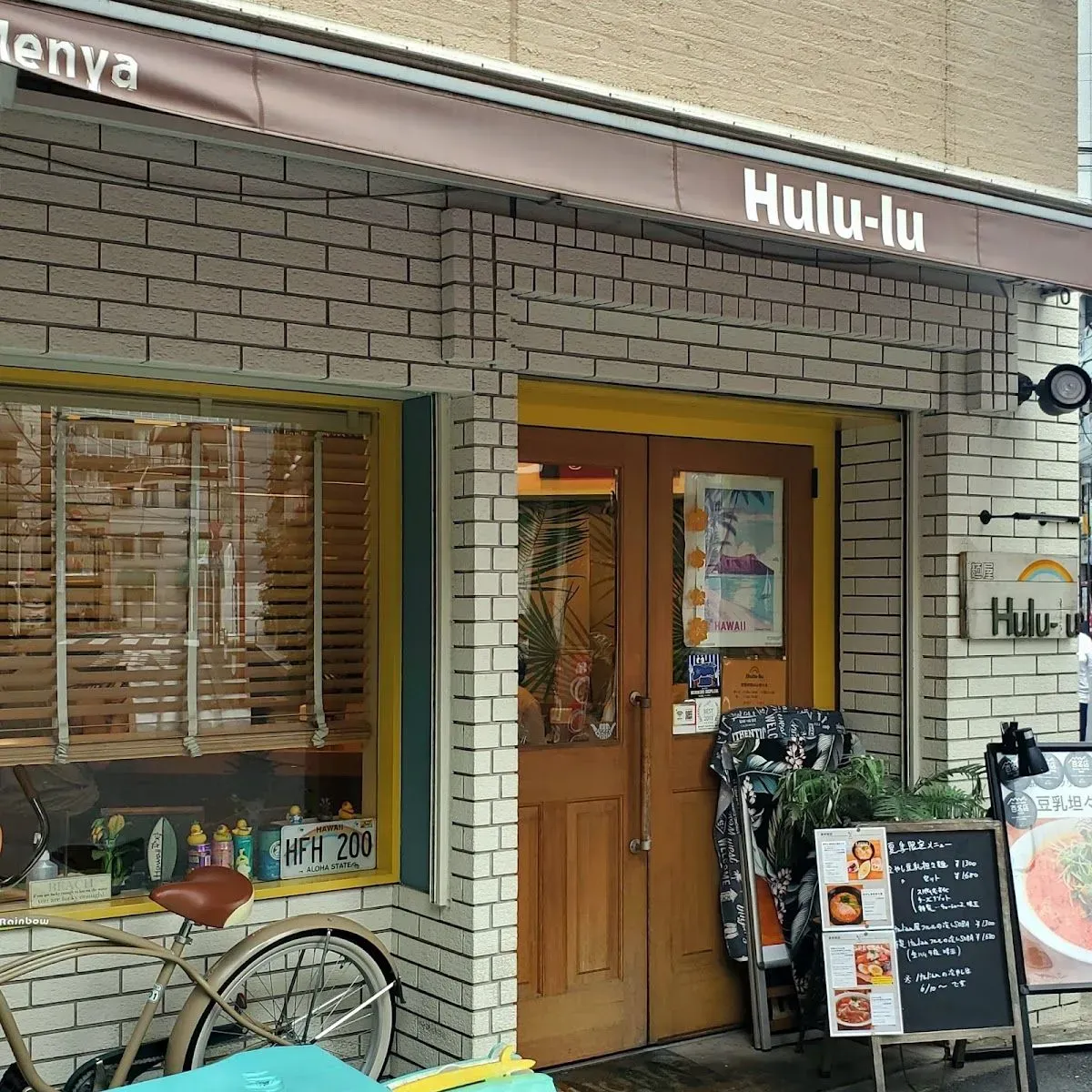
Menya Hulu-lu differentiates itself from conventional noodle shops by using deep-sea Hawaiian mineral water to clarify its golden chicken shio broth, pairing house-made thin noodles with shredded barbecue chashu inside a relaxed dining room styled after a Honolulu coffee counter. Owner-chef Daisuke Furukawa uses imported mineral water because Tokyo tap alters the extraction rate of chicken fat. The result is a clean, amber-tinted bowl topped with fresh kaiware daikon sprouts and yuzu peel.
4. Chisomen Mamiana — Thick Ni-boshi Dipping Noodles in Stone Bowls
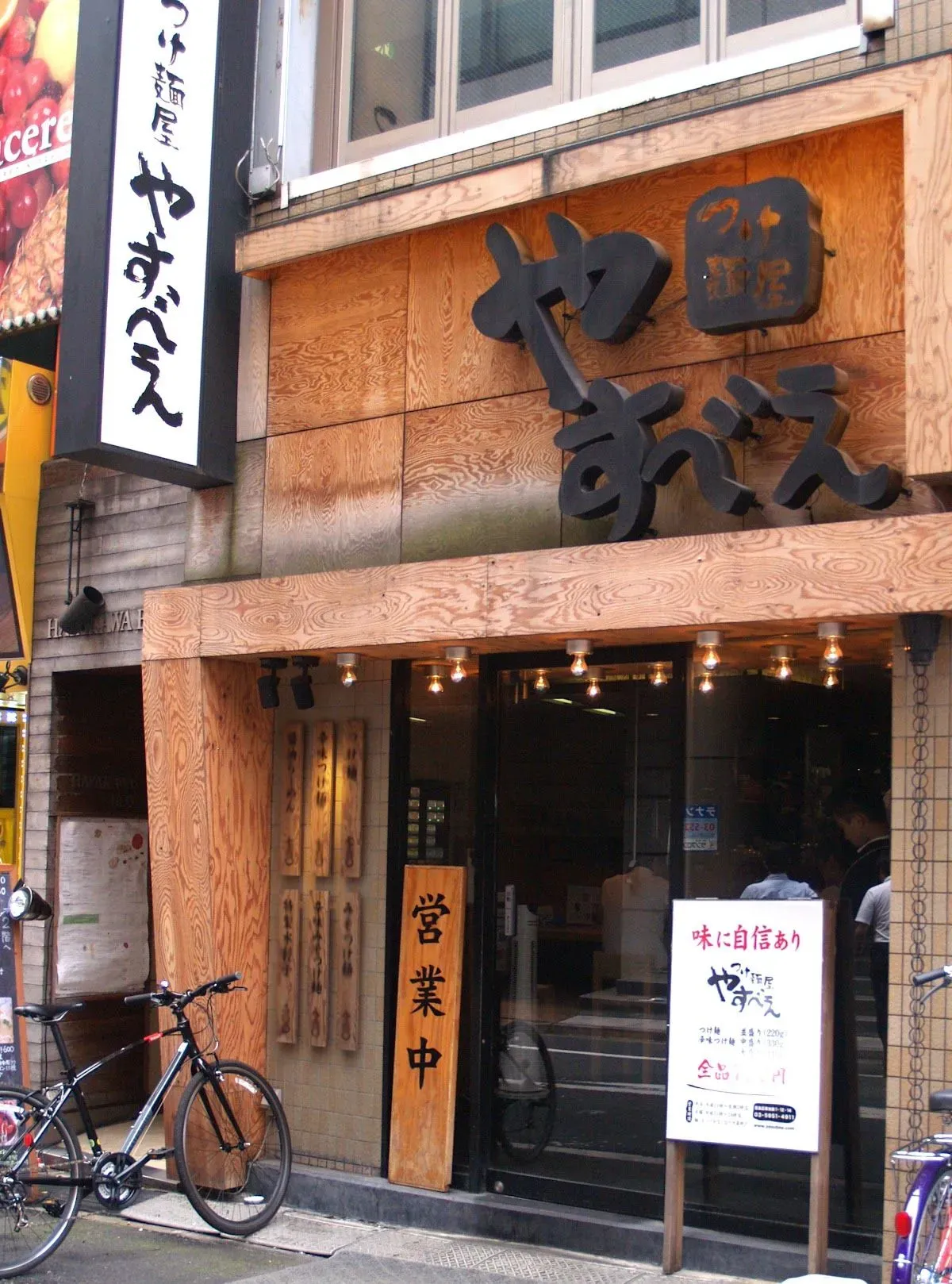
Chisomen Mamiana stands out in Ikebukuro's competitive noodle landscape by serving chilled whole-wheat dipping noodles alongside a boiling stone bowl of dried-sardine emulsion, concentrated across fourteen hours of simmering to coat every strand with intense roasted seafood savory depth. The dipping soup stays boiling hot throughout your meal thanks to heavy stone bowls heated on gas rings before plating. The thick, square-cut noodles carry a nutty grain aroma that cuts cleanly through the smoky fish oils.
5. Kissui Ikebukuro Main Branch — Roasted Sanma Autumn Fish Broth
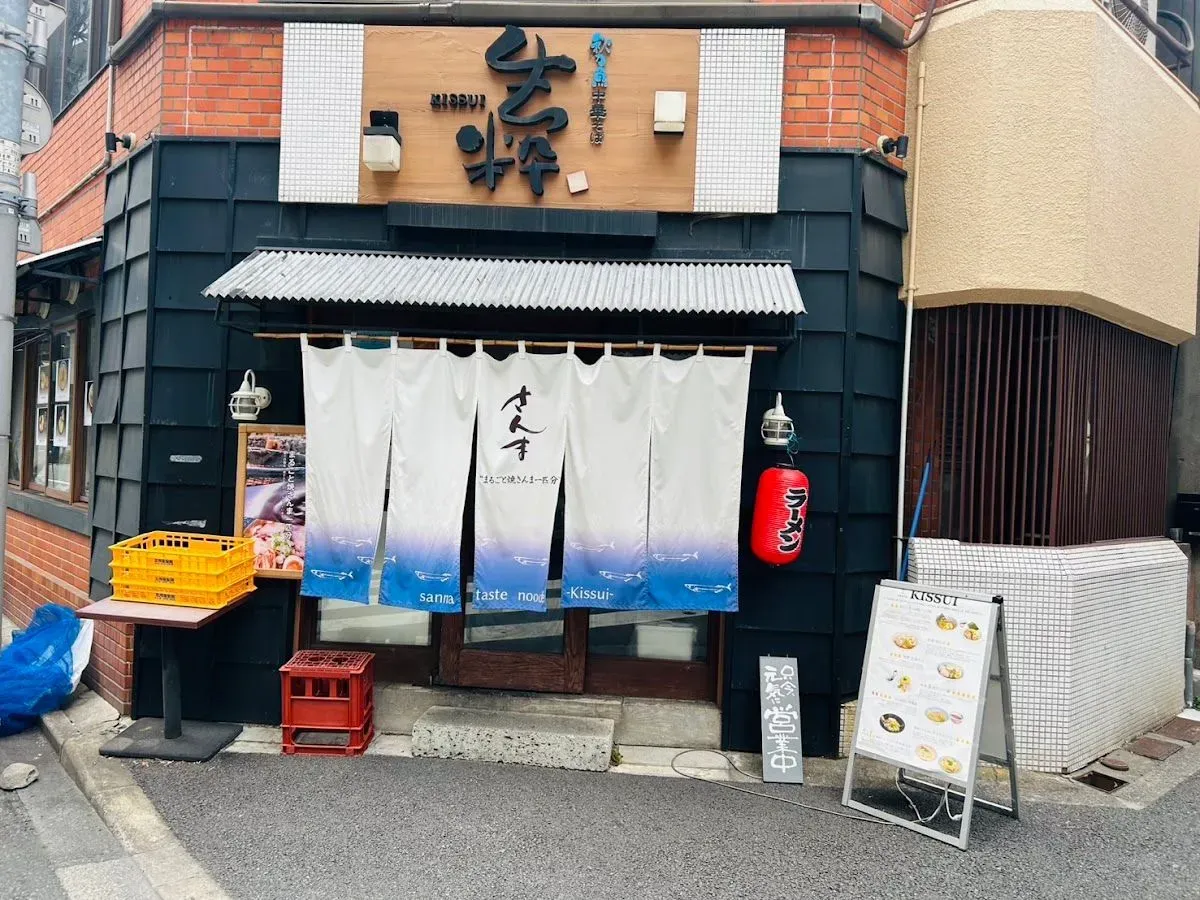
Kissui Ikebukuro Main Branch anchors West Ikebukuro with a distinctive broth brewed from whole roasted Pacific saury fish bones, delivering a deep autumn seafood aroma and smoky richness that sets it apart from Tokyo's standard bonito or niboshi soups. Most Tokyo seafood shops default to sardine or bonito, but Kissui roasts Pacific saury bones until charred before simmering. A side spoon of house-made sansho pepper paste lets you reset your palate midway through the bowl.
6. Menya Hanada Ikebukuro — Garlic-Laced Wok-Charred Red Miso
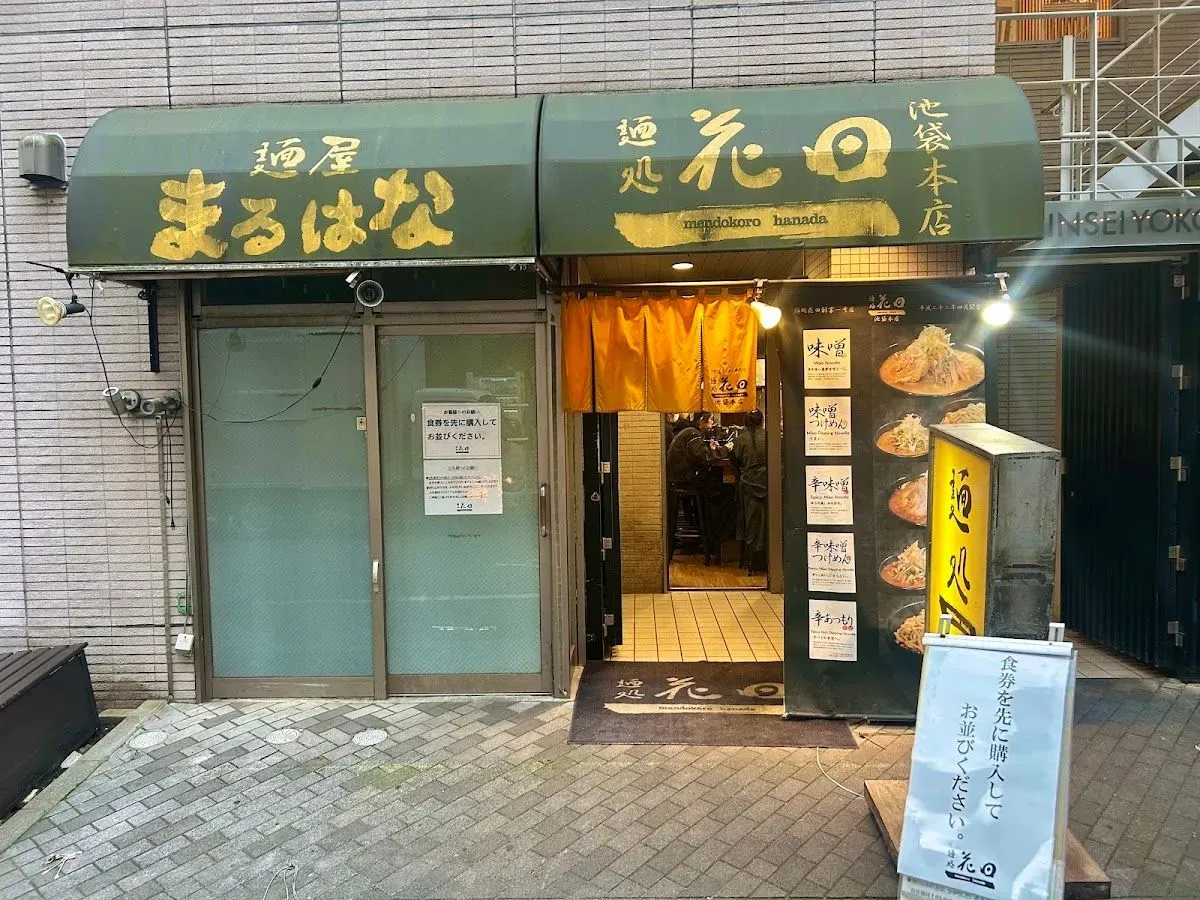
Menya Hanada Ikebukuro produces the neighborhood's thickest miso ramen by stir-frying garlic, ginger, and sweet red miso paste to order in high-heat woks before pouring in rich pork bone stock that seals underneath a searing layer of melted lard. Hanada avoids the thin, sweet miso broth common in chain shops. The cooks wok-fry fresh bean sprouts over high flame for twenty seconds, imparting a smoky wok-hei crunch that contrasts against thick, chewy yellow curly noodles.
7. Tori no Ana — Collagen-Rich White Chicken Paitan
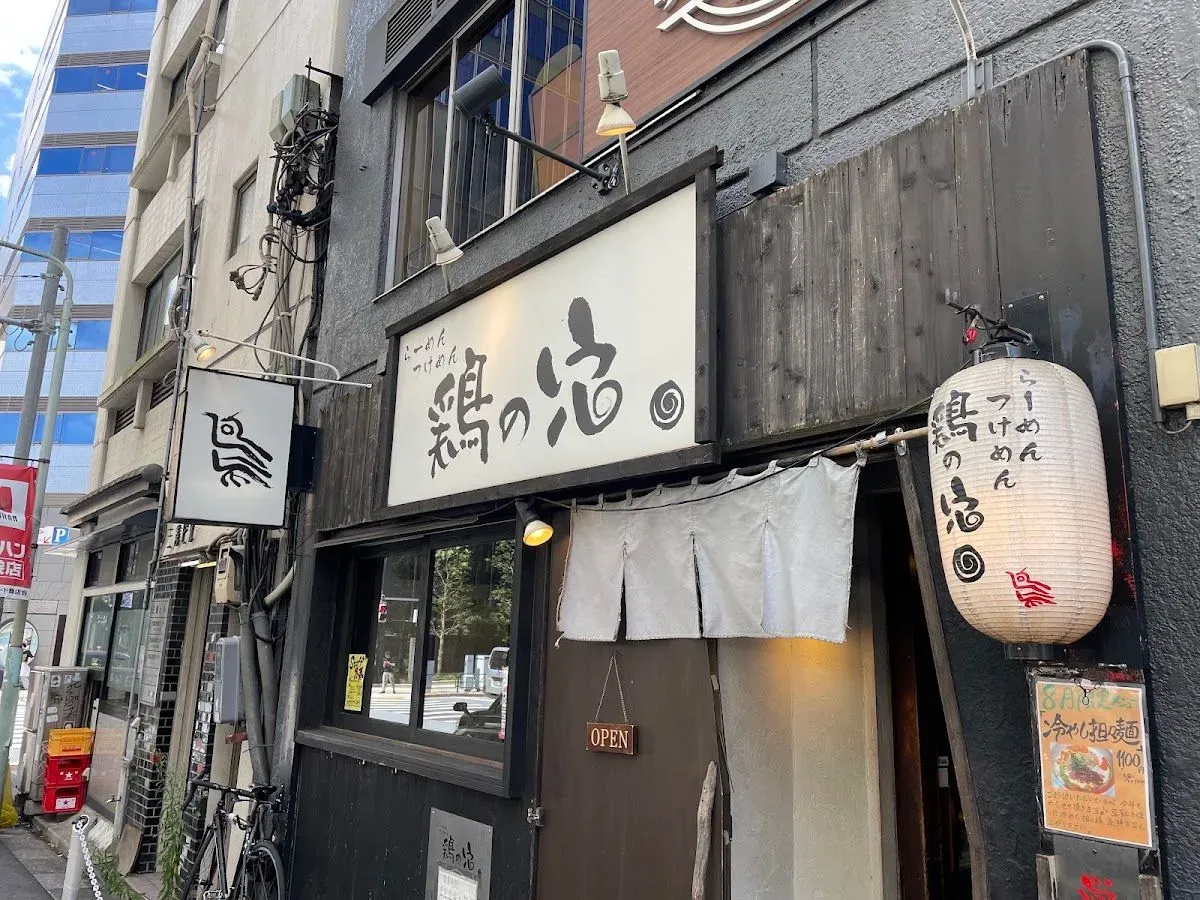
Tori no Ana specializes in pure chicken paitan ramen, cooking whole stewing hens over eight continuous hours to create a cloudy white soup free from pork fat, serving it with tender chicken meatballs and chewy round noodles near Ikebukuro Station's East Exit. The broth approaches the texture of velouté soup, laden with extracted collagen and seasoned with coarse Okinawa sea salt. Each bowl features a charred slice of chicken roll and a soft meatball packed with minced winter cartilege.
8. Shinjiko Shijimi Chuka Soba Kohaku Ikebukuro — Freshwater Clam Shoyu
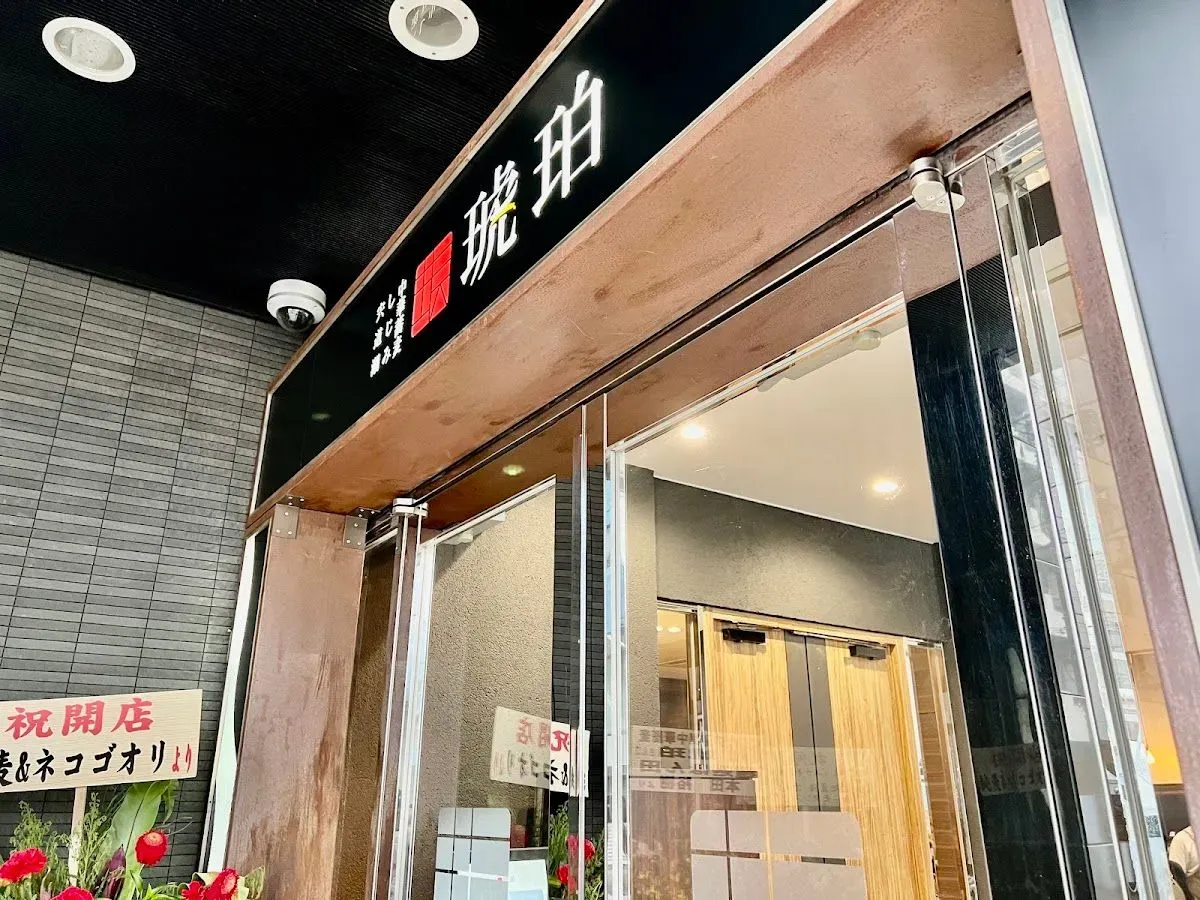
Shinjiko Shijimi Chuka Soba Kohaku Ikebukuro concentrates forty-five grams of wild Lake Shinji freshwater clams into every single bowl, producing a clear, amber-tinted shoyu ramen that won Michelin Bib Gourmand honors for its profound natural umami. Located inside the Tobu Department Store restaurant plaza, Kohaku boils brackish-water shijimi clams with filtered mountain spring water. The soup carries natural succinic acid, creating an intense savory finish that lingers on the tongue without fat heaviness.
9. Rokubou Tantanmen — Brothless Sichuan Pepper Noodles
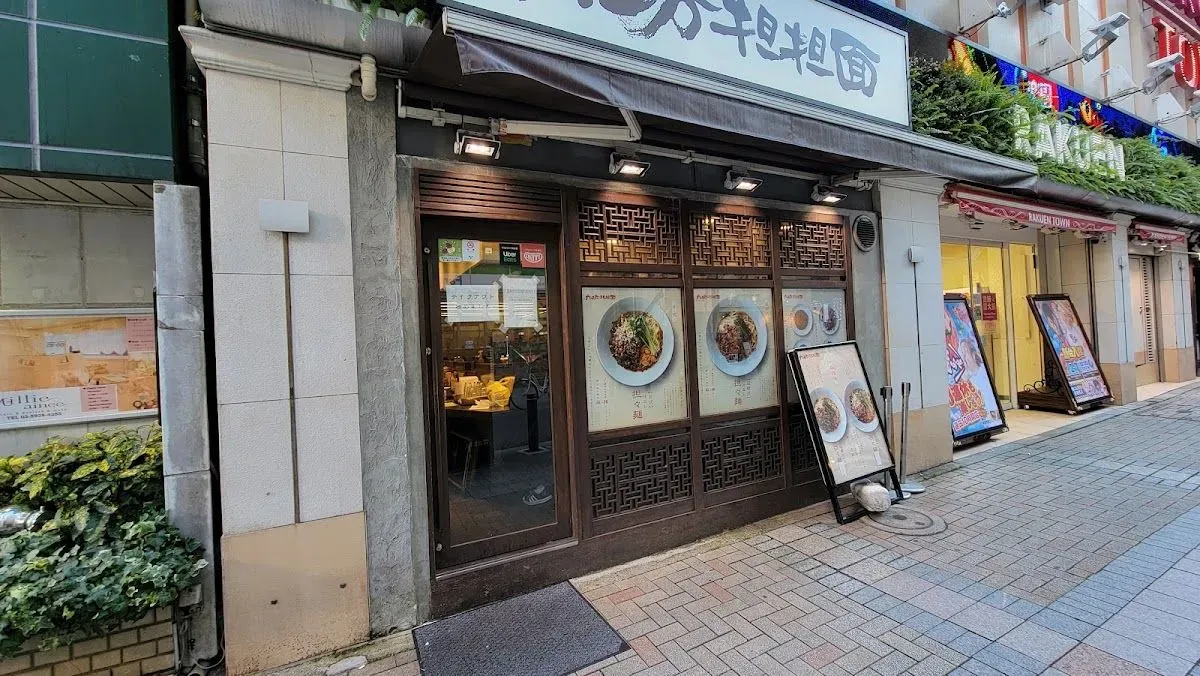
Rokubou Tantanmen brings authentic Chengdu heat to Ikebukuro through customizable soupless maze-soba noodles tossed in stone-ground sesame paste, black vinegar, and freshly pulverized Hanyuan peppercorns that deliver an intense tongue-numbing citrus snap on a calibrated spice scale. You select both your chili heat (kara) and tongue numbness (ma) on a level-one through level-five system. Ground pork sits beside crushed roasted peanuts and Sui Mi Ya Cai preserved greens over thick, springy noodles.
10. Taishoken Higashi-Ikebukuro — The Origin Counter of Tsukemen
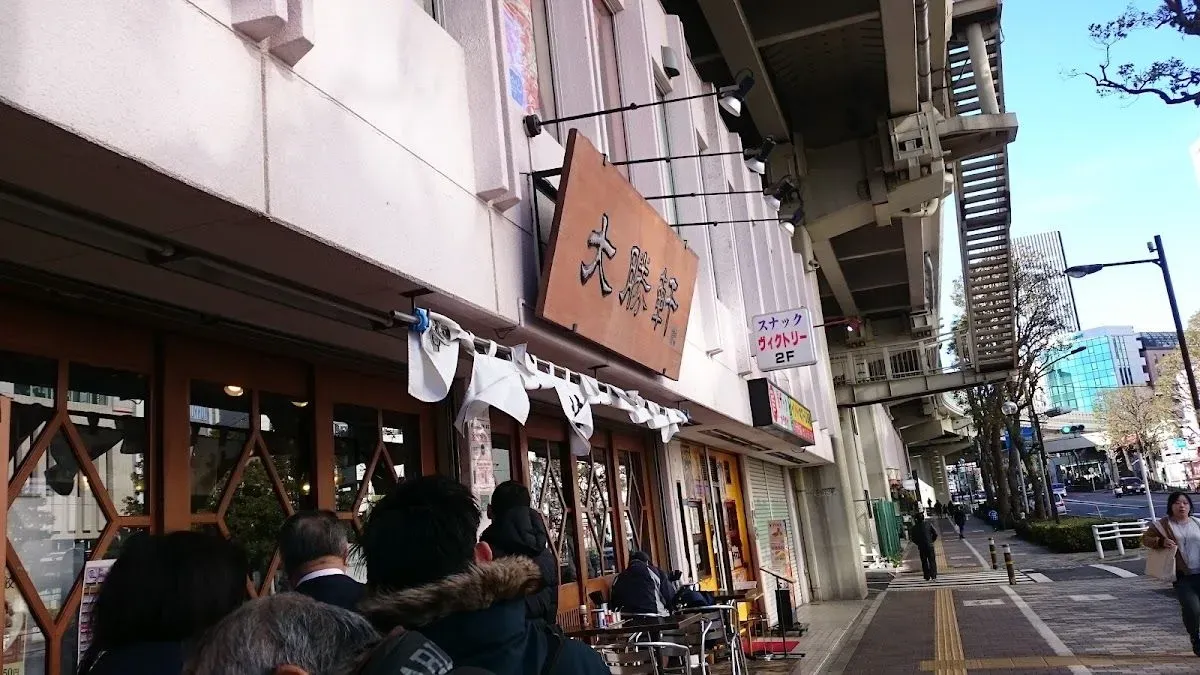
Taishoken Higashi-Ikebukuro represents the historical origin of dipping noodles, where legendary ramen master Kazuo Yamagishi invented tsukemen in 1961 by matching generous three-hundred-gram portions of chilled wheat noodles with a sweet, tangy, vinegar-laced soy dashi soup. Portions here run massive; the default regular serving weighs 320 grams of boiled noodles. Those wanting to explore vintage retro Tokyo culture often combine lunch here with our Hidden Mejiro: History, Retro Tokyo & Manga Legends walking route nearby.
11. Menya Nakagawa — Smooth Niboshi Broth and Shiso Oil
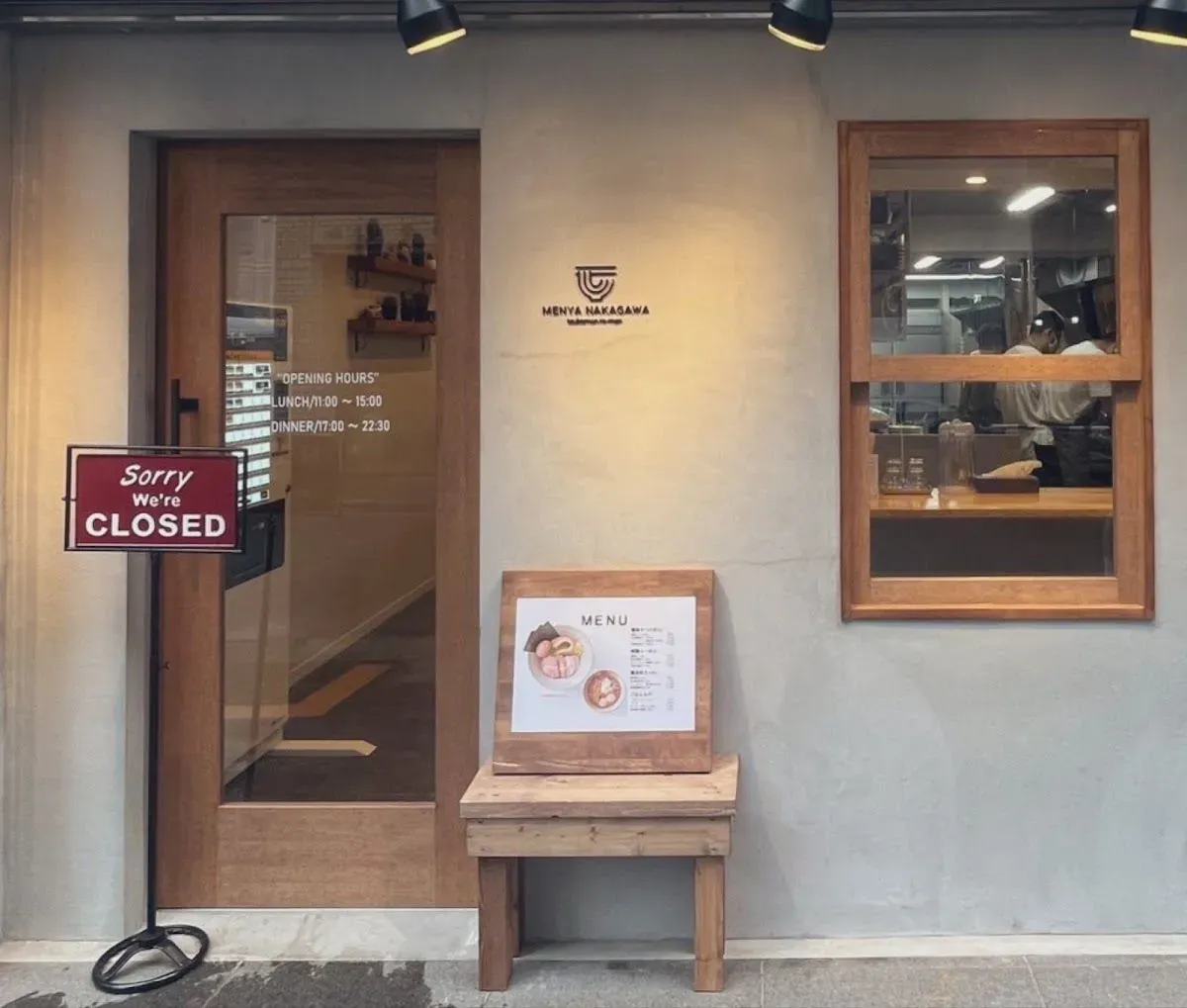
Menya Nakagawa balances dense dried-sardine broth against house-infused green shiso herb oil across an eight-seat counter, pairing delicate herbal freshness with pink sous-vide pork shoulder to modernize traditional Tokyo seafood ramen for diners seeking clean balance over grease. Rather than overwhelming the palate with grey, sandy fish dregs, Nakagawa extracts clear sardine umami at precisely controlled low temperatures. The shiso oil floats across the surface like green beads, breaking up the deep soy glaze.
12. Kikanbo Ikebukuro — Karashibi Miso with Devil-Level Sansho
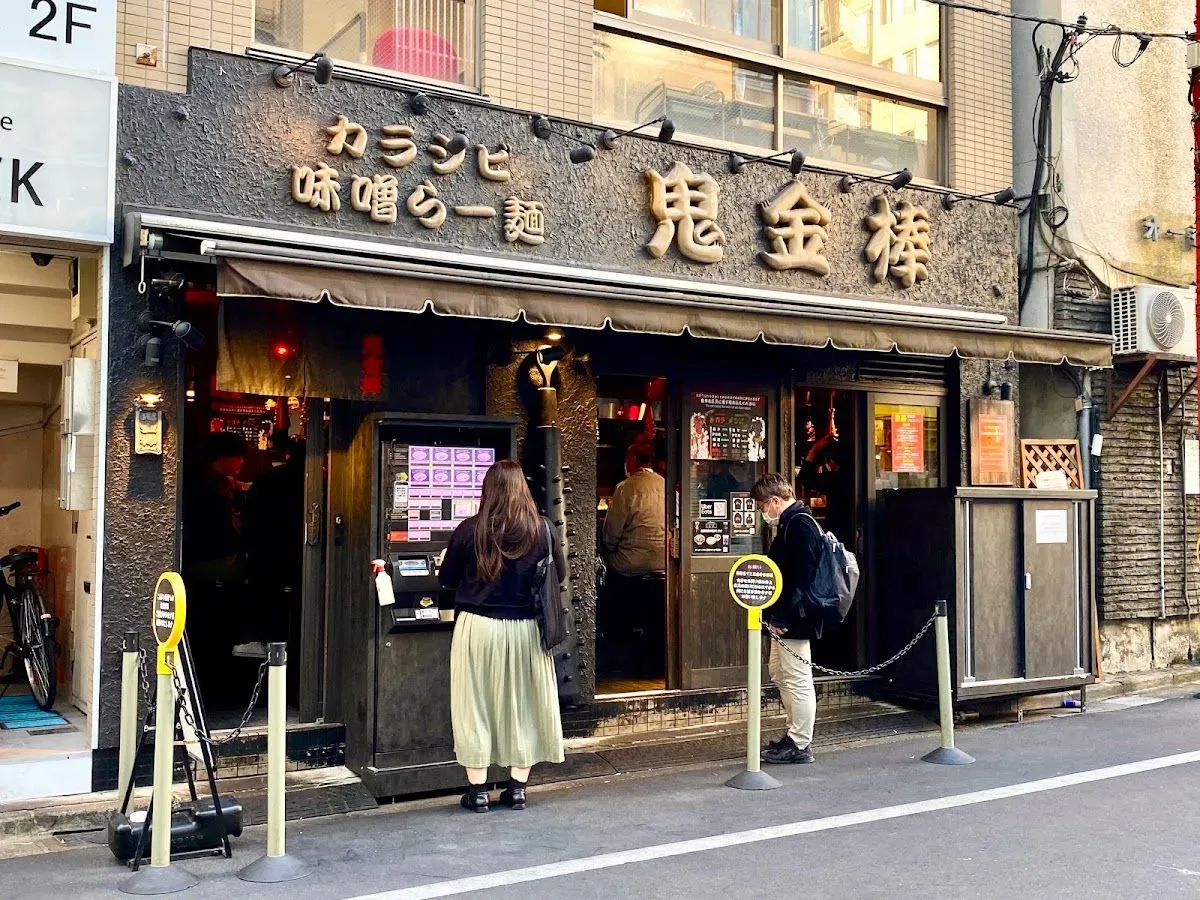
Kikanbo Ikebukuro serves fiery karashibi miso ramen by combining rich pork broth with aged miso, smoked red chili oil, and aromatic Wakayama sansho pepper, allowing diners to dial in five distinct levels of heat and tongue numbness up to blistering devil tier. The kitchen braises whole slabs of pork belly in sweet mirin and dark soy until they collapse under chopstick pressure. That melting pork fat is critical; it coats your lips and calms the sharp, electric sansho buzz.
Experience Ikebukuro with Wabisabi
Skip the tourist traps and taste real Tokyo street culture with our local guides who live and eat in these neighborhoods every day.
Book this tour →