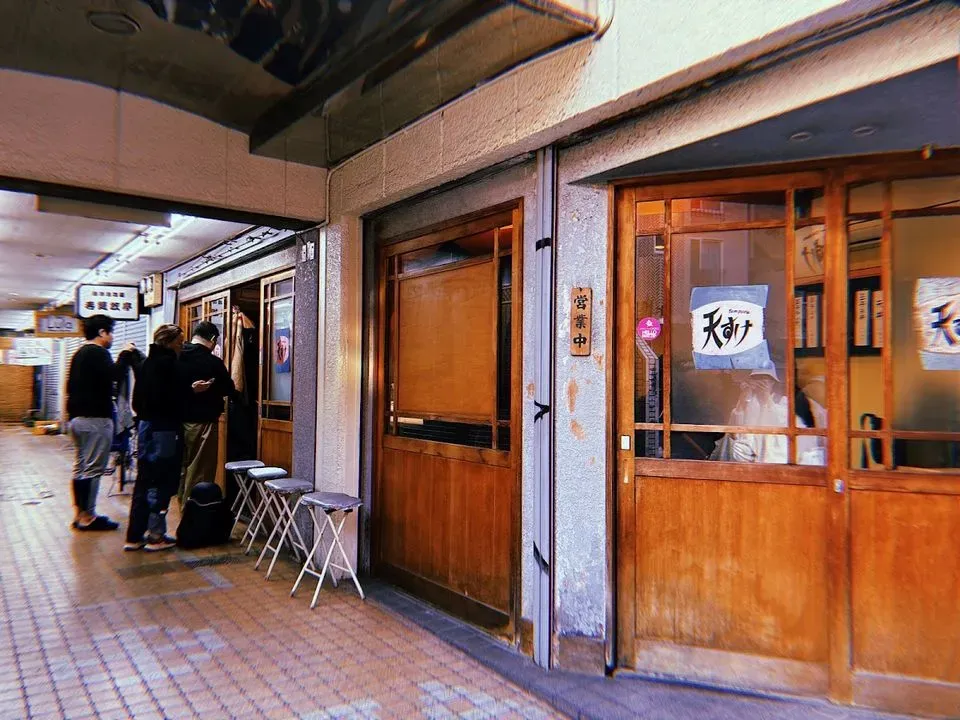
Hidden Gems in Kyoto: 12 Quiet Spots Away from Crowds
Neighborhoods

Hidden Gems in Kyoto: 12 Quiet Spots Away from Crowds

Escape the bus tours with 12 quiet Kyoto temples, private villas, and artisan workshops that offer stillness even during peak travel seasons.

Back to blog
Emma Clarke

Emma Clarke

September 25, 2026·5 min read

Kyoto has 1,600 Buddhist temples and 400 Shinto shrines, yet tour buses swamp fewer than two dozen. Escape Kiyomizu-dera's gridlock. These twelve sanctuaries offer gravel yards, mossy gates, and working artisan studios without the crowds [4].

1. Komyo-in — The Underrated Zen Rock Garden in Tofukuji's Shadow
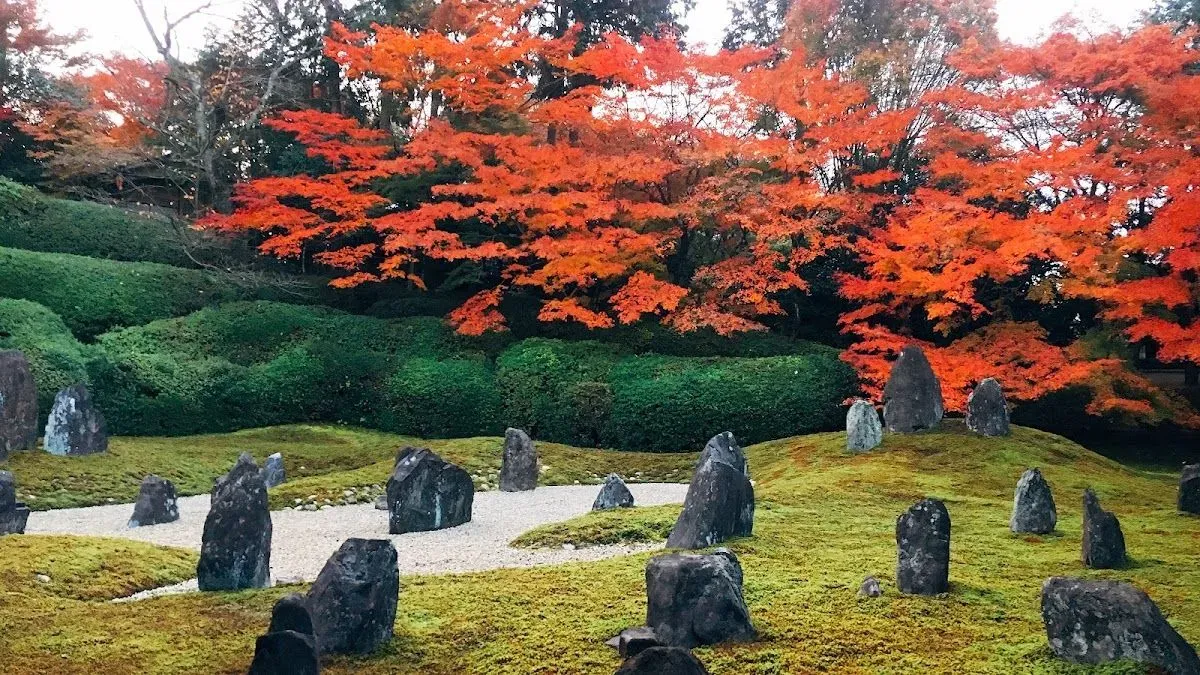
Komyo-in Temple, Kyoto
📷 Google Places

Komyo-in, a Tofuku-ji sub-temple, features Mirei Shigemori's 1939 Hashin-tei dry rock garden. While 3,000 tourists crowd Tofuku-ji's bridge, Komyo-in rarely holds ten. Shigemori placed seventy-five standing stones in raked sand, radiating like halos against clipped azaleas.

💡 Insider tip: Drop your ¥300 cash donation into the bamboo coin slot at the sliding entryway. There is no staffed ticket booth.
🕐 Daily 7:00 AM–5:30 PM💴 ¥300 donation🚶 8 min walk from Tofukuji Station (JR Nara / Keihan lines)
📍 View on Google Maps

2. Genko-an — Blood Ceilings and Framing Windows in Northern Murasakino
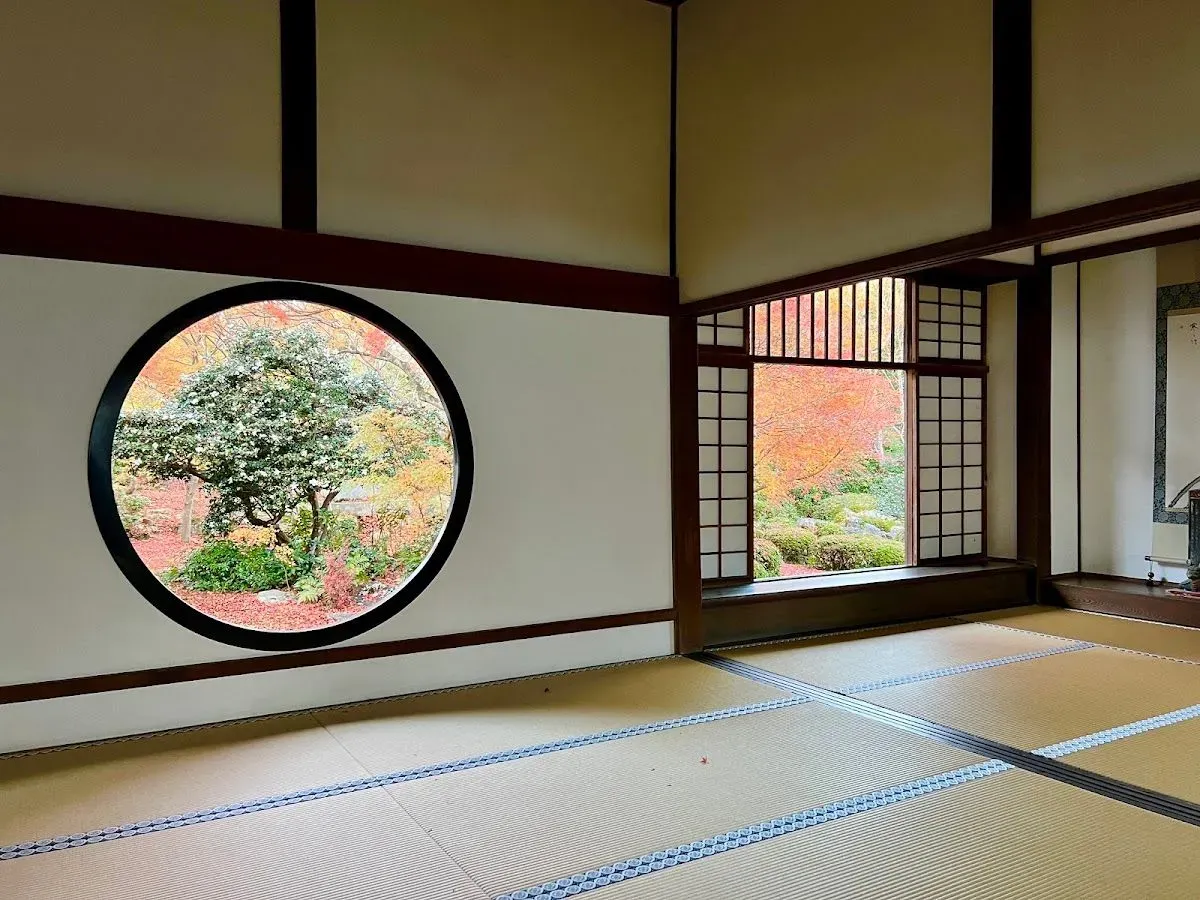
Genko-an, Kyoto
📷 Google Places

Murasakino's Genko-an pairs Zen windows with ceiling boards from Fushimi Castle's bloody 1600 siege. Sit on the tatami to align the circular Window of Enlightenment with the maples. Overhead, dark footmarks remain from 300 samurai who committed seppuku.

💡 Insider tip: Arrive at 09:00 on a weekday to photograph the circular window before morning sunlight bleeds across the floorboards.
🕐 Daily 9:00 AM–4:30 PM💴 ¥500 (¥1,000 in November)🚶 Kyoto City Bus 6 to Genkoan-mae stop
📍 View on Google Maps

3. Shosei-en Garden — A Five-Minute Retreat from Kyoto Station
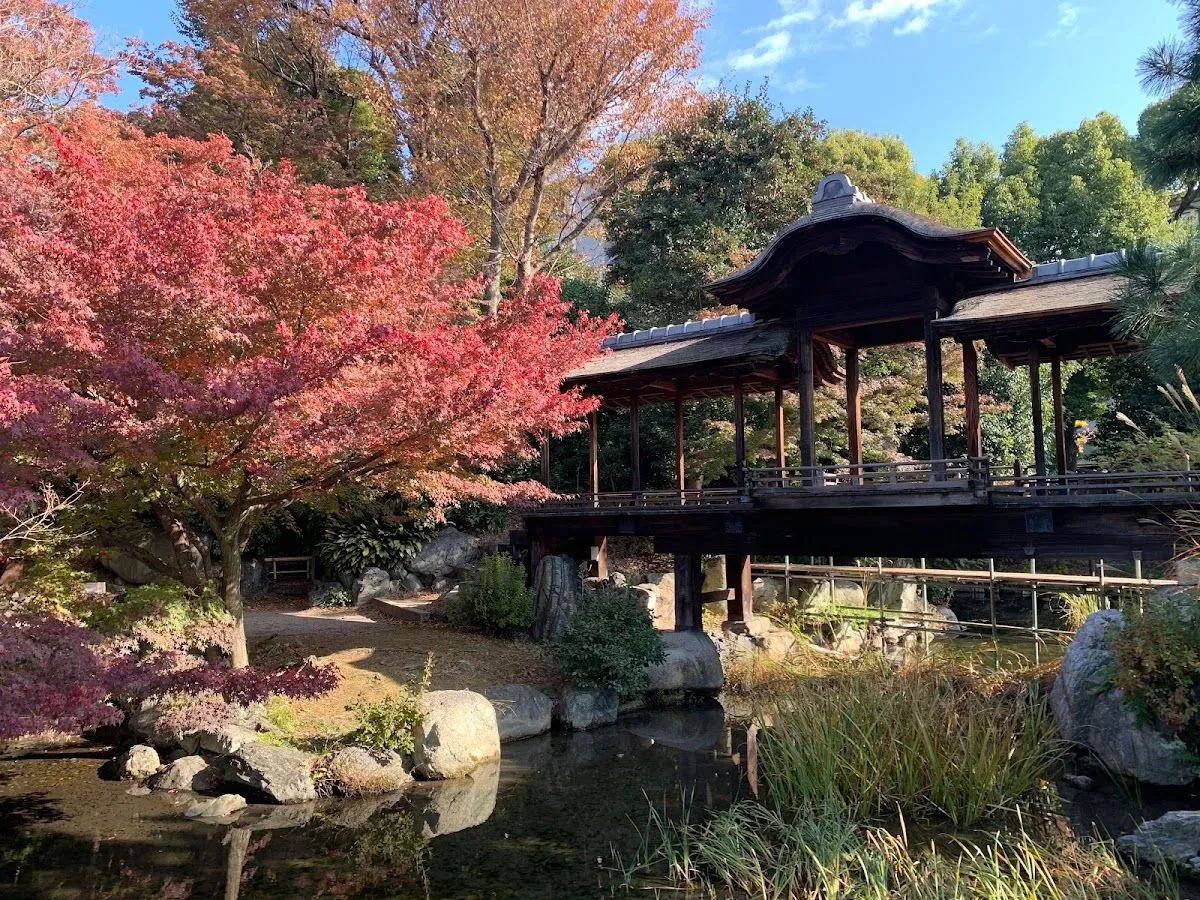
Shōseien Garden, Kyoto
📷 Google Places

Just 700 metres northeast of Kyoto Station sits Shosei-en, a 3.7-hectare villa garden. Behind high mud-and-stone walls, it encloses weeping cherry groves, two large ponds, an arched wooden bridge, and six Edo-period pavilions bypassed by northern-bound bus crowds.

💡 Insider tip: The entry fee includes a 40-page Japanese landscape guidebook worth keeping as a standalone botanical souvenir.
🕐 Daily 9:00 AM–5:00 PM💴 ¥500 donation🚶 7 min walk from Kyoto Station Karasuma Exit
📍 View on Google Maps

4. Shinnyo-do — The Free Autumn Temple Locals Actually Use
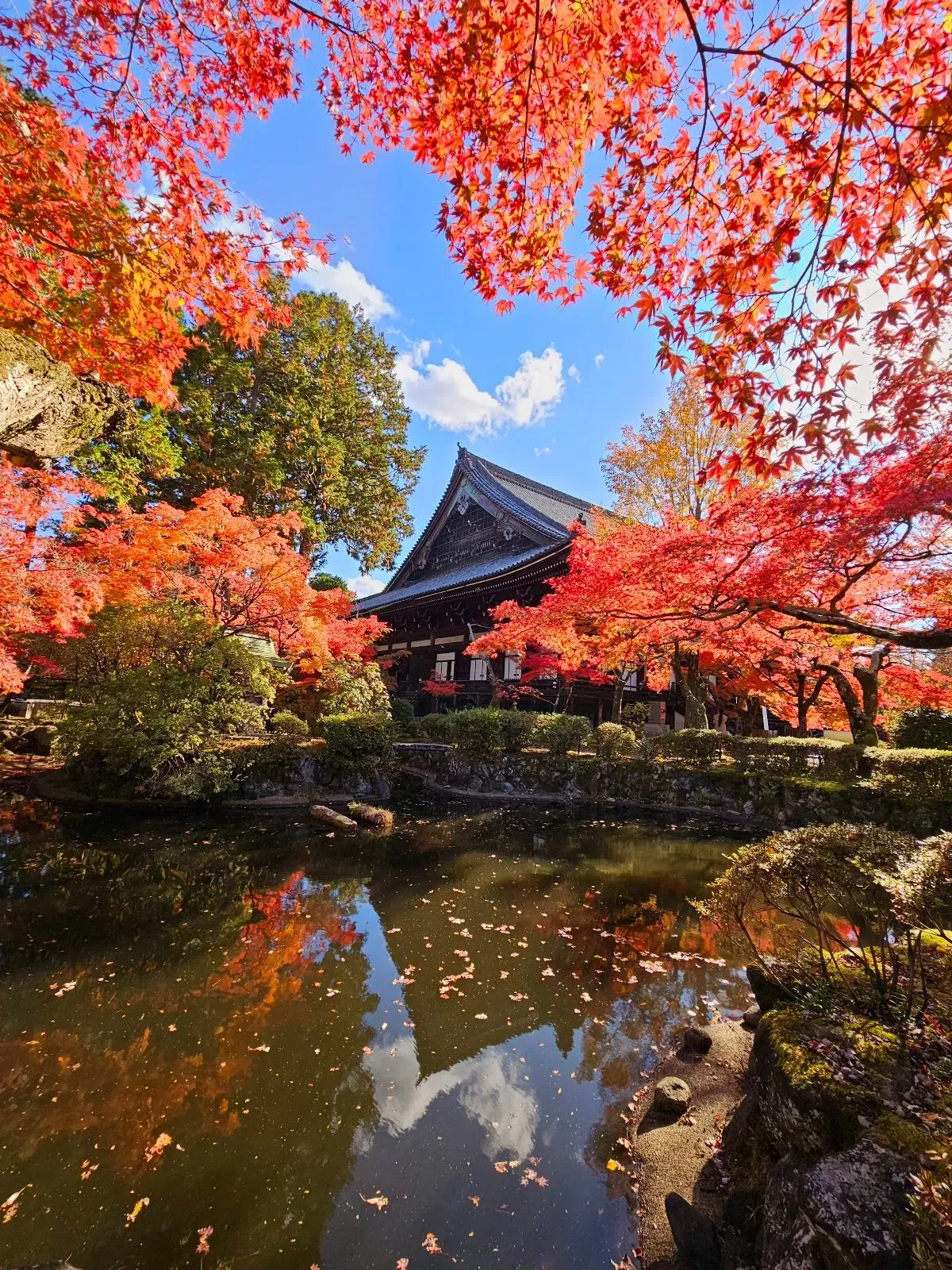
Shinshō Gokurakuji (Shinnyodō) Temple, Kyoto
📷 Google Places

Skip Eikan-do's queues. Shinnyo-do offers free year-round access to wide courtyards, a three-story wooden pagoda, and red maples on Mount Yoshida. We pass its back gate on our guided Kyoto Walking Tour to avoid tour bus routes.

💡 Insider tip: The outer courtyard is free to stroll from sunrise to sunset. You pay ¥500 only to view the inner temple screens.
🕐 Daily 9:00 AM–4:00 PM💴 Free grounds (¥500 for inner chambers)🚶 8 min walk from Shinnyodo-mae bus stop
📍 View on Google Maps

5. Hakusasonso Hashimoto Kansetsu Garden — A Painter's Villa Off the Philosopher's Path
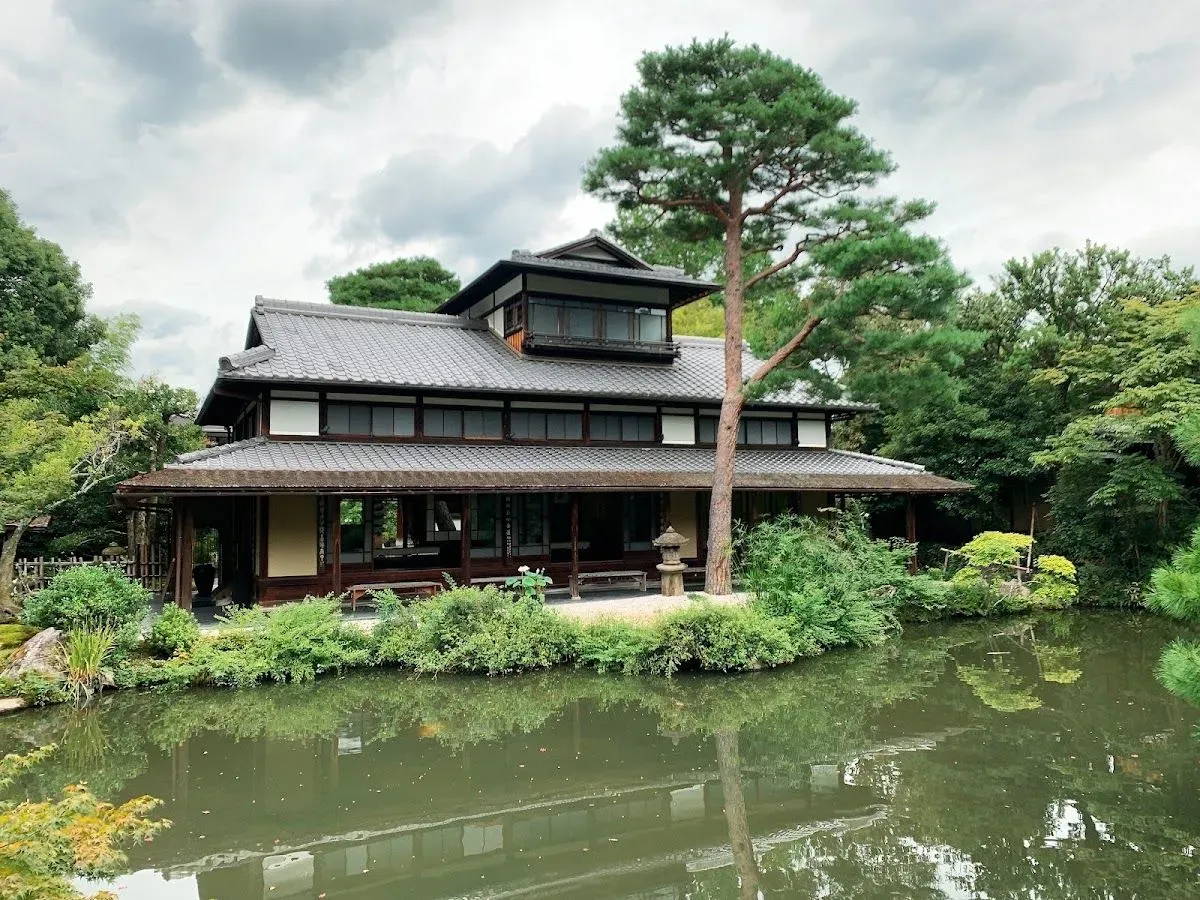
Hakusa Sonso Hashimoto Kansetsu Garden & Museum, Kyoto
📷 Google Places

Hakusasonso is painter Hashimoto Kansetsu's 10,000-square-metre estate near the Philosopher's Path. While Ginkaku-ji congests, Hakusasonso offers empty paths, spring-fed ponds, Kansetsu's personal collection of ancient stone lanterns, and a studio framing Mount Daimonji.

💡 Insider tip: Visit between 14:00 and 16:00 when crowds down the street peak. You will often have the entire pond garden to yourself.
🕐 Monday: 10:00 AM–5:00 PM; Tuesday: Closed; Wednesday: 10:00 AM–5:00 PM; Thursday: 10:00 AM–5:00 PM; Friday: 10:00 AM–5:00 PM; Saturday: 10:00 AM–5:00 PM; Sunday: 10:00 AM–5:00 PM💴 ¥1,300🚶 3 min walk from Ginkakuji-mae bus stop
📍 View on Google Maps

6. Honen-in — The Moss Gate Most Walk Past on the Way to Ginkaku-ji
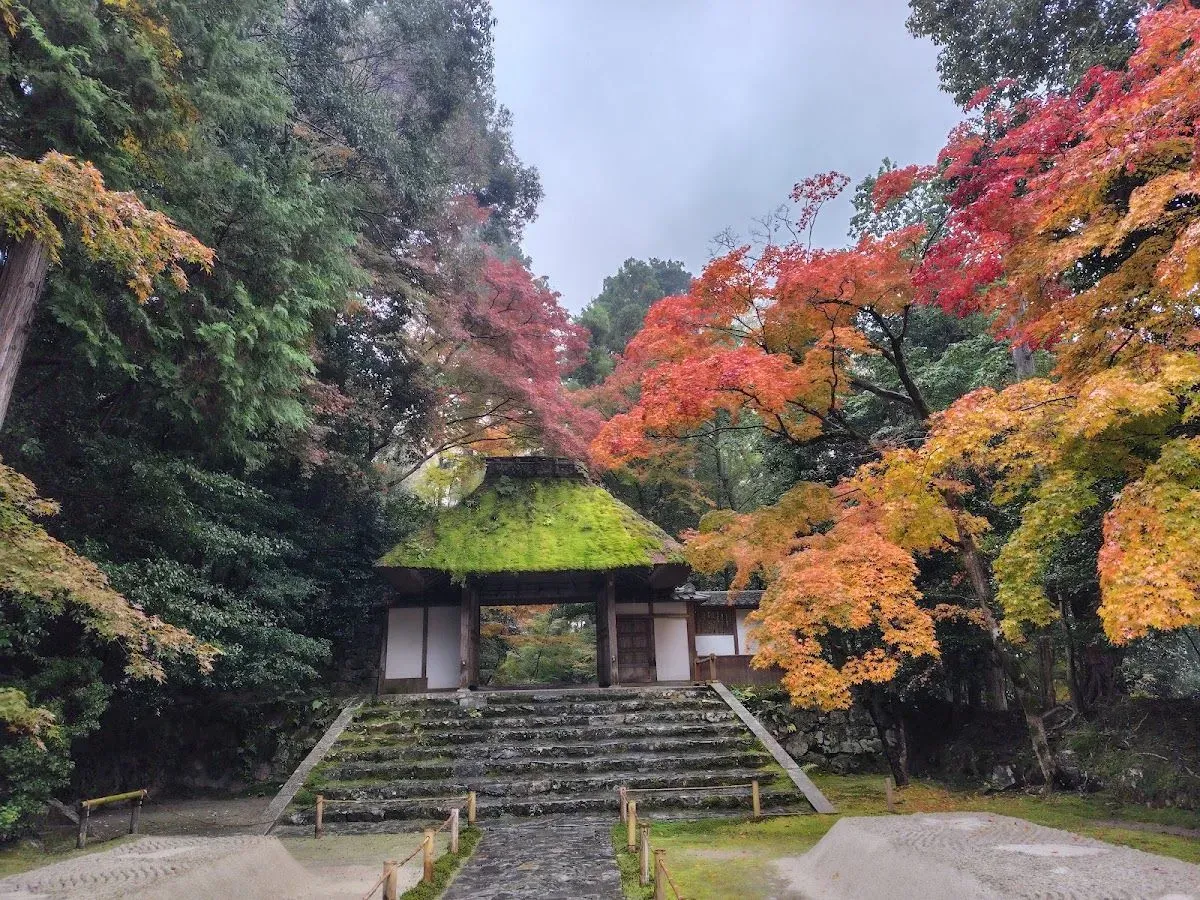
Hōnenin Temple, Kyoto
📷 Google Places

Honen-in filters visitors through an unpaved forest trail beneath a moss-thatched roof gate. In the courtyard, two raised sand mounds, *byakusadan*, are raked fortnightly with seasonal water and leaf patterns. Outer courtyard admission is free.

💡 Insider tip: Arrive at 08:30 before morning walkers enter. The trickling natural spring water is completely clear without chatter.
🕐 Daily 6:00 AM–4:00 PM💴 Free (special hall openings ¥800)🚶 10 min walk from Minamida-cho bus stop
📍 View on Google Maps

7. Takenaka Inari Shrine — The Hilltop Torii Path on Mount Yoshida
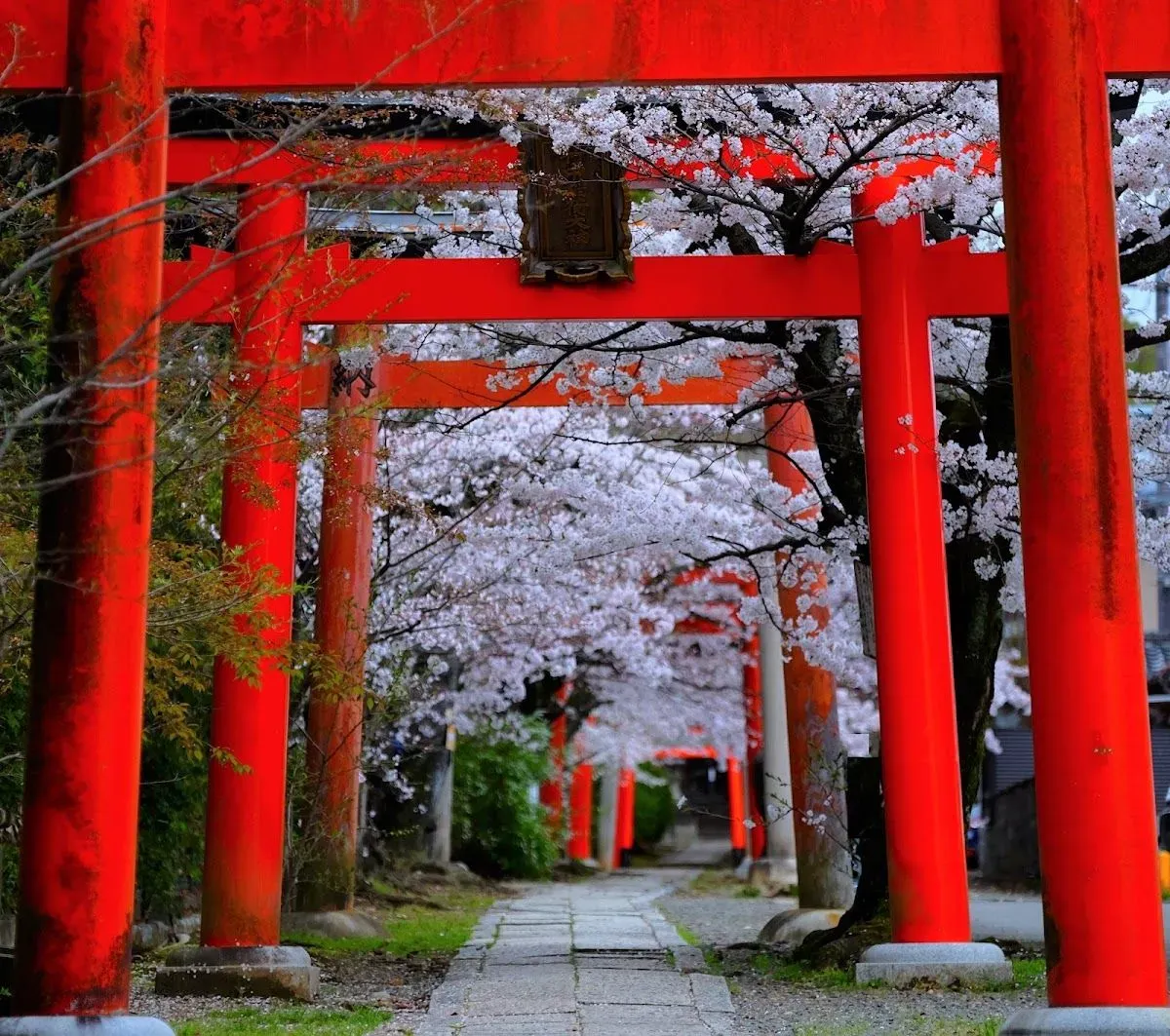
Takenaka Inari Shrine, Kyoto
📷 Google Places

Takenaka Inari crowns Yoshida Hill with a vermilion torii corridor and stone foxes. Local professors read newspapers on benches under old cherry trees. In early April, blossoms drape the red gates without a single selfie stick in sight.

💡 Insider tip: Take the stone stairs down the western ridge afterward to find retro timber cafes along Mount Yoshida.
🕐 Open 24 hours💴 Free🚶 12 min uphill walk from Kyodai Seimon-mae bus stop
📍 View on Google Maps

8. Manshu-in Monzeki — Northern Shirakawa's Imperial Hermitage
Manshuin Temple, Kyoto
📷 Google Places

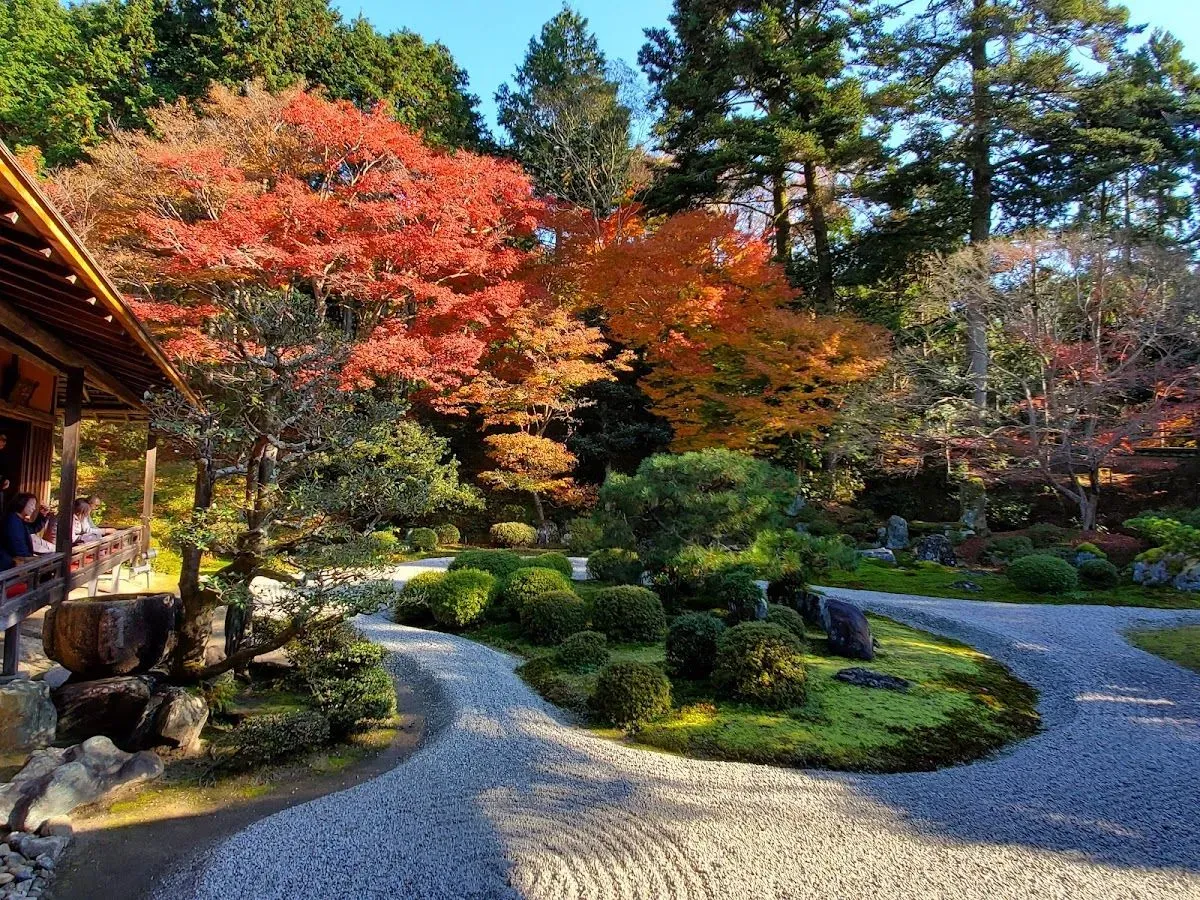
Established by imperial princes, Manshu-in Monzeki houses Kano Tanyu screen paintings and a Crane and Turtle dry landscape garden. A steep twenty-minute walk from Shisen-do keeps tour operators away. Sit on the veranda over white gravel in total silence.

💡 Insider tip: Combine this with the ramen shops of Ichijoji down the hill. The descent takes fifteen minutes on foot.
🕐 Daily 9:00 AM–4:30 PM💴 ¥600🚶 15 min walk from Ichijoji Station (Eizan Railway)
📍 View on Google Maps

9. Daikaku-ji Osawa Pond — Arashiyama's Quiet Imperial Waterfront
Daikaku-ji Temple, Kyoto
📷 Google Places

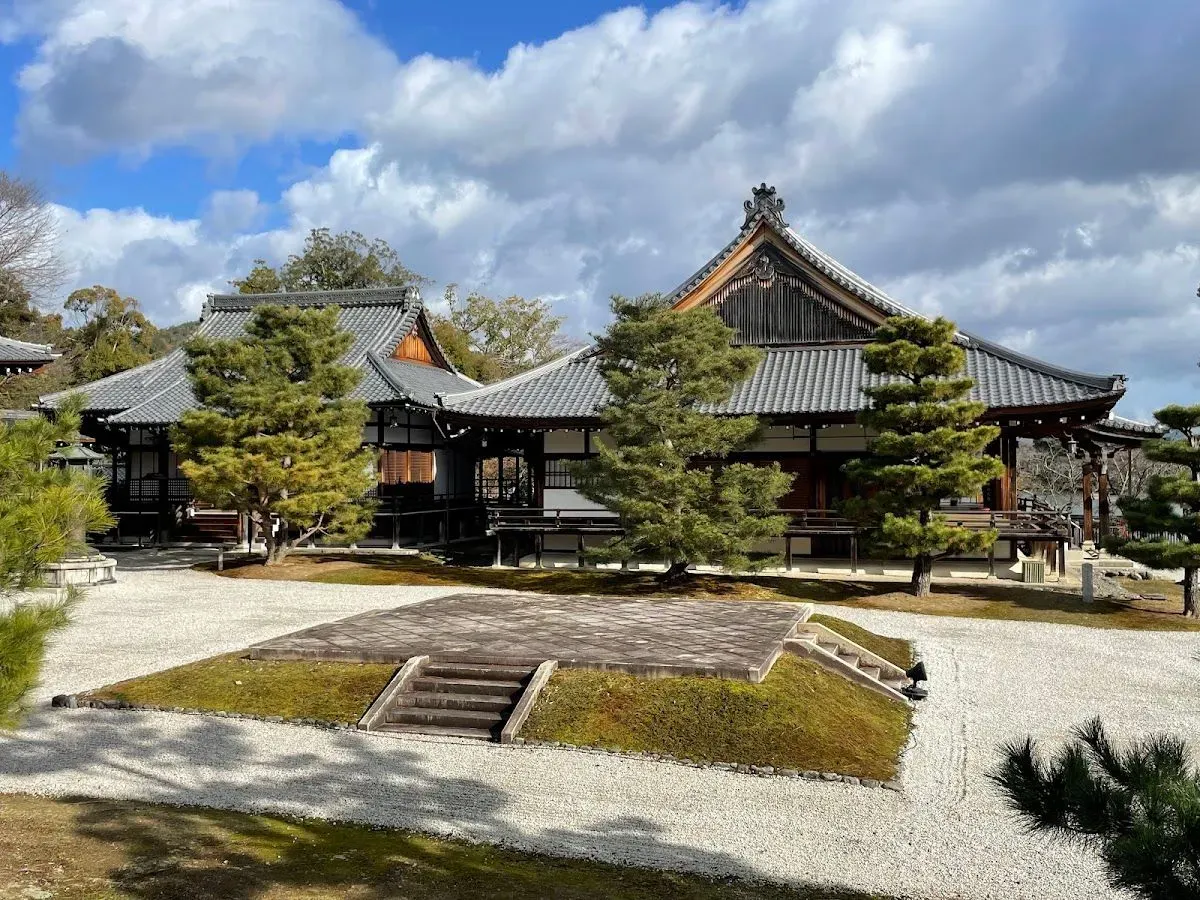
North of Arashiyama, Daikaku-ji borders Osawa Pond, a 1,200-year-old Heian-period water garden. While central Arashiyama swarms by noon, Daikaku-ji's one-kilometre perimeter gravel path offers cherry trees and weeping willows 1.5 kilometres past the tourist core.

💡 Insider tip: Rent a city bicycle from Saga-Arashiyama Station to reach Daikaku-ji in five minutes across quiet residential backstreets.
🕐 Daily 9:00 AM–4:30 PM💴 ¥500 (temple + Osawa pond access)🚶 17 min walk north from JR Saga-Arashiyama Station
📍 View on Google Maps

10. Nishijin Orinasukan — Real Weaving Looms in an Authentic Machiya
Orinasukan / Handwoven Technology Promotion Foundation, Kyoto
📷 Google Places

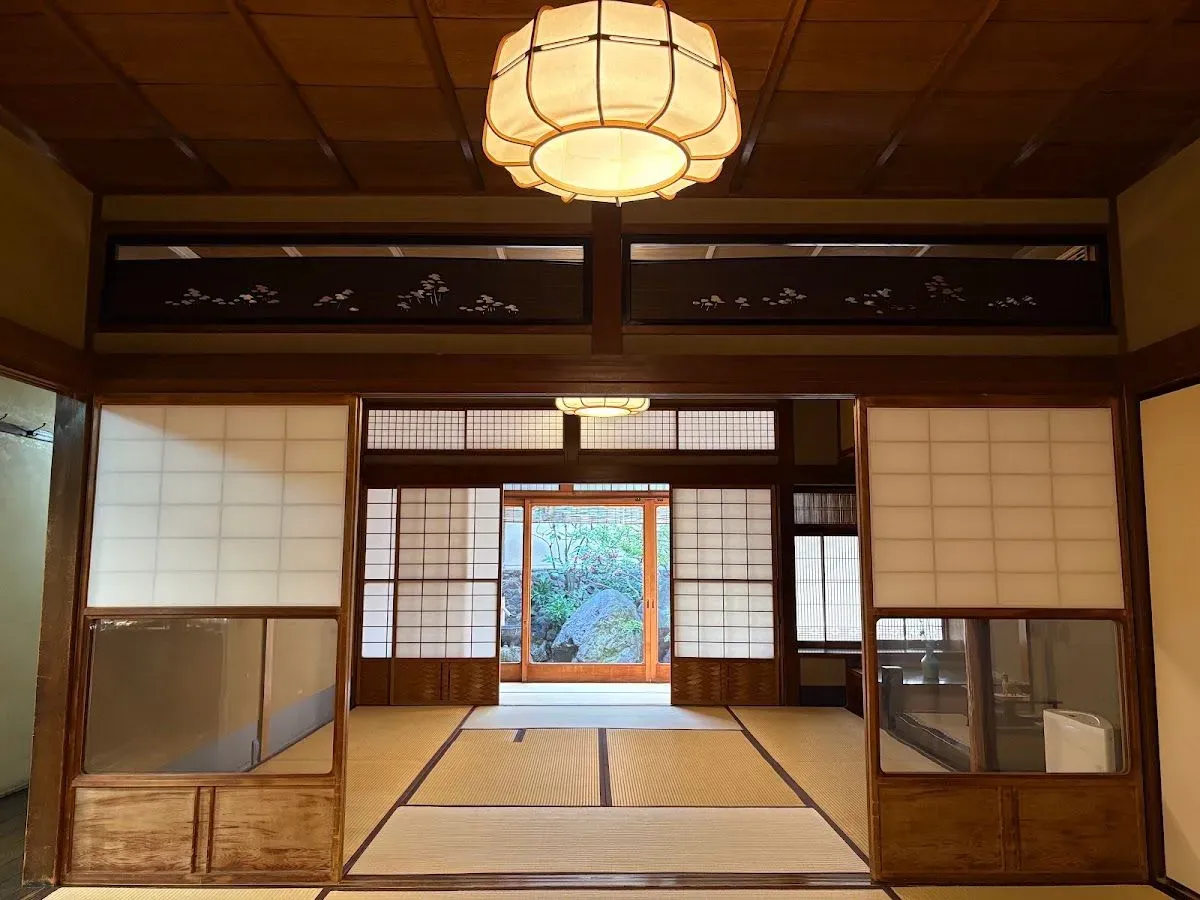
Nishijin Orinasukan occupies a 1936 merchant machiya. Avoid commercial textile centers; here, experienced weavers sit on tatami floors hand-guiding silk threads into ceremonial obi sashes amidst the rhythmic clatter of working jacquard treadle looms.

💡 Insider tip: Walk down the adjacent Kamigoryo Kamicho stone lane after your visit to view rows of authentic merchant townhouses.
🕐 Monday: Closed; Tuesday: 10:00 AM–4:00 PM; Wednesday: 10:00 AM–4:00 PM; Thursday: 10:00 AM–4:00 PM; Friday: 10:00 AM–4:00 PM; Saturday: 10:00 AM–4:00 PM; Sunday: 10:00 AM–4:00 PM💴 ¥500🚶 5 min walk from Imadegawa Jomyoin-mae bus stop
📍 View on Google Maps

11. Sekiho-ji — The Weathered Stone Arhats in Southern Fukakusa

Sekihō-ji Temple, Kyoto
📷 Google Places

In Fukakusa, Sekiho-ji hides five hundred moss-covered stone arhat statues carved by Edo painter Ito Jakuchu. Located one train stop south of Fushimi Inari, the half-buried sculptures sit quietly among bamboo stalks. Photography is strictly prohibited.

💡 Insider tip: Photography is forbidden along the stone arhat trail to protect the fragile moss. Keep cameras stowed in your bag.
🕐 Daily 9:00 AM–4:00 PM💴 ¥300🚶 5 min walk from Keihan Fukakusa Station
📍 View on Google Maps

12. Murin-an — Meiji-Era Water Gardening Along Lake Biwa Canal

Murin-an Garden, Kyoto
📷 Google Places

Built for Prime Minister Yamagata Aritomo, Murin-an frames Higashiyama with water from the Lake Biwa Canal. Hourly capacity caps keep the lawn uncrowded. Book through our Private Kyoto Full-Day Tour — Temples, Shrines & Timeless Streets.

💡 Insider tip: Pay an extra ¥600 at the counter for fresh matcha served with seasonal wagashi sweets on the garden veranda.
🕐 Daily 9:00 AM–6:00 PM💴 ¥600🚶 7 min walk from Keage Station (Tozai Subway Line)
📍 View on Google Maps

Experience Kyoto with Wabisabi

Ditch the crowded bus corridors and explore Kyoto's quietest neighborhood temples and artisan quarters with an experienced local guide.

Book this tour →
Frequently asked questions

What are the best hidden gems in Kyoto to avoid crowds?

Komyo-in, Shinnyo-do, and Honen-in offer peaceful Zen gardens and historic temple halls without tour buses. Heading north to Murasakino or east to Mount Yoshida removes you from the city's primary tourist traffic.

Where can I find quiet temples in Kyoto during peak season?

Visit northern residential enclaves like Ichijoji or Murasakino, where Manshu-in Monzeki and Genko-an remain manageable even in November. Free grounds like Shinnyo-do provide autumn maple views without timed entry queues.

Is Arashiyama worth visiting if I want to escape crowds in Kyoto?

Yes, if you walk 1.5 kilometres north of Saga-Arashiyama Station to Daikaku-ji and Osawa Pond. Day-trippers concentrate around the Togetsukyo Bridge and central bamboo path, leaving northern imperial gardens quiet.

What time should I visit Kyoto attractions to avoid lines?

Arrive between 07:00 and 08:30 for open grounds like Honen-in and Komyo-in before guided tours start at 09:30. Late afternoons past 15:30 are also noticeably calmer at paid garden villas.

Are there any quiet places to visit near Kyoto Station?

Shosei-en Garden sits seven hundred metres northeast of Kyoto Station and spans 3.7 hectares of quiet pond landscapes. Most passengers bypass it completely, leaving its bridges and historic pavilions peaceful throughout the day.

#Kyoto#Temples#Gardens#Off the Beaten Path#Japan Travel#Slow Travel

Ready to experience this yourself?

Wabisabi Trips offers intimate small-group walking tours led by local experts across Tokyo and Japan.

Browse all tours →