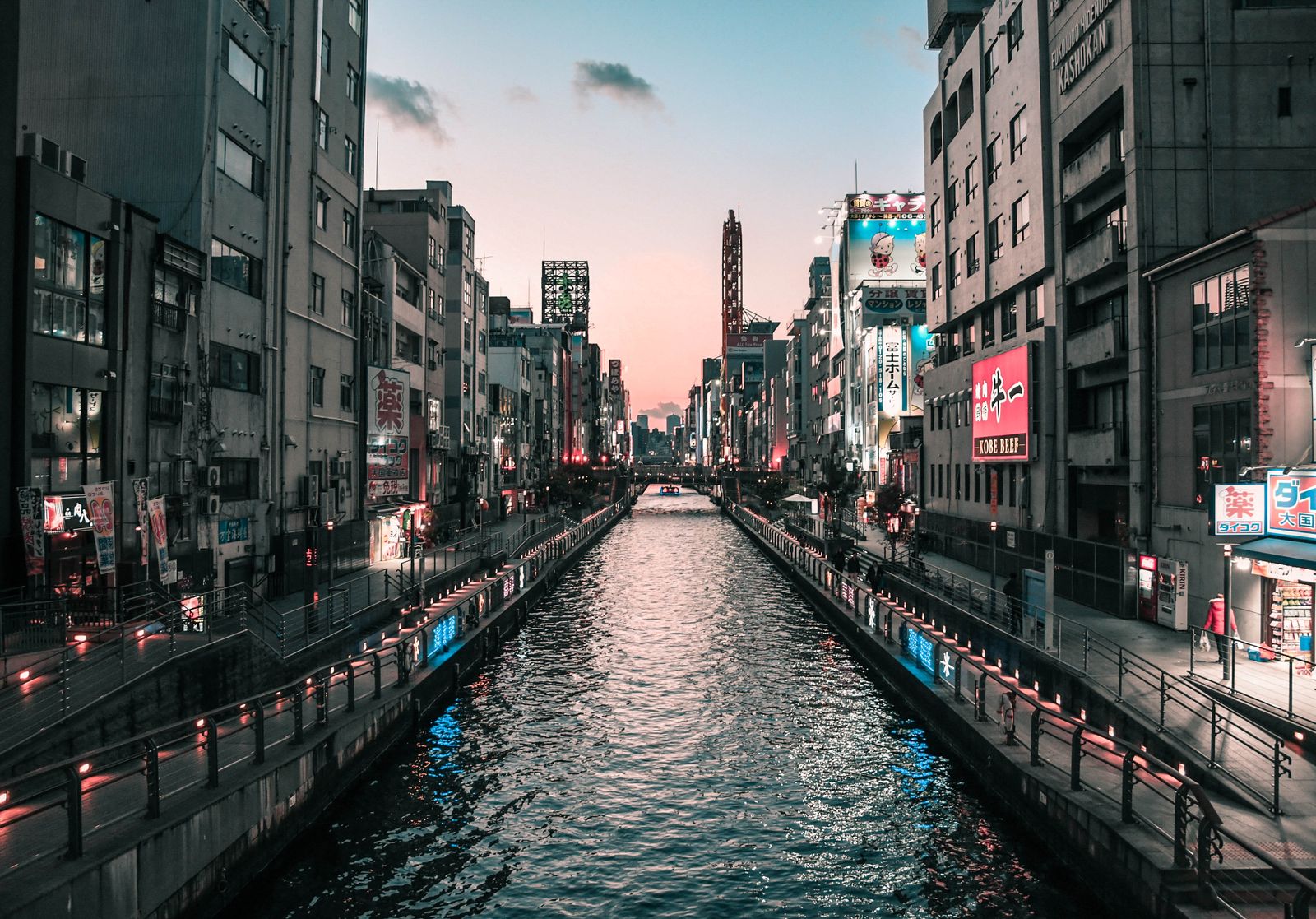

Dotonbori gives visitors a sore neck, bruised shoulders, and hurried takoyaki under giant plastic crab legs. Two blocks off the canal grid, Osaka shifts into wet stone paving, mossy shrines, and six-seat counters where line cooks drink after midnight. Here are eight spots locals keep for quiet evenings, complete with station exits and realistic dinner budgets.
1. Hozenji Yokocho — Stone-Paved Alley Behind the Moss-Covered Fudo Myoo
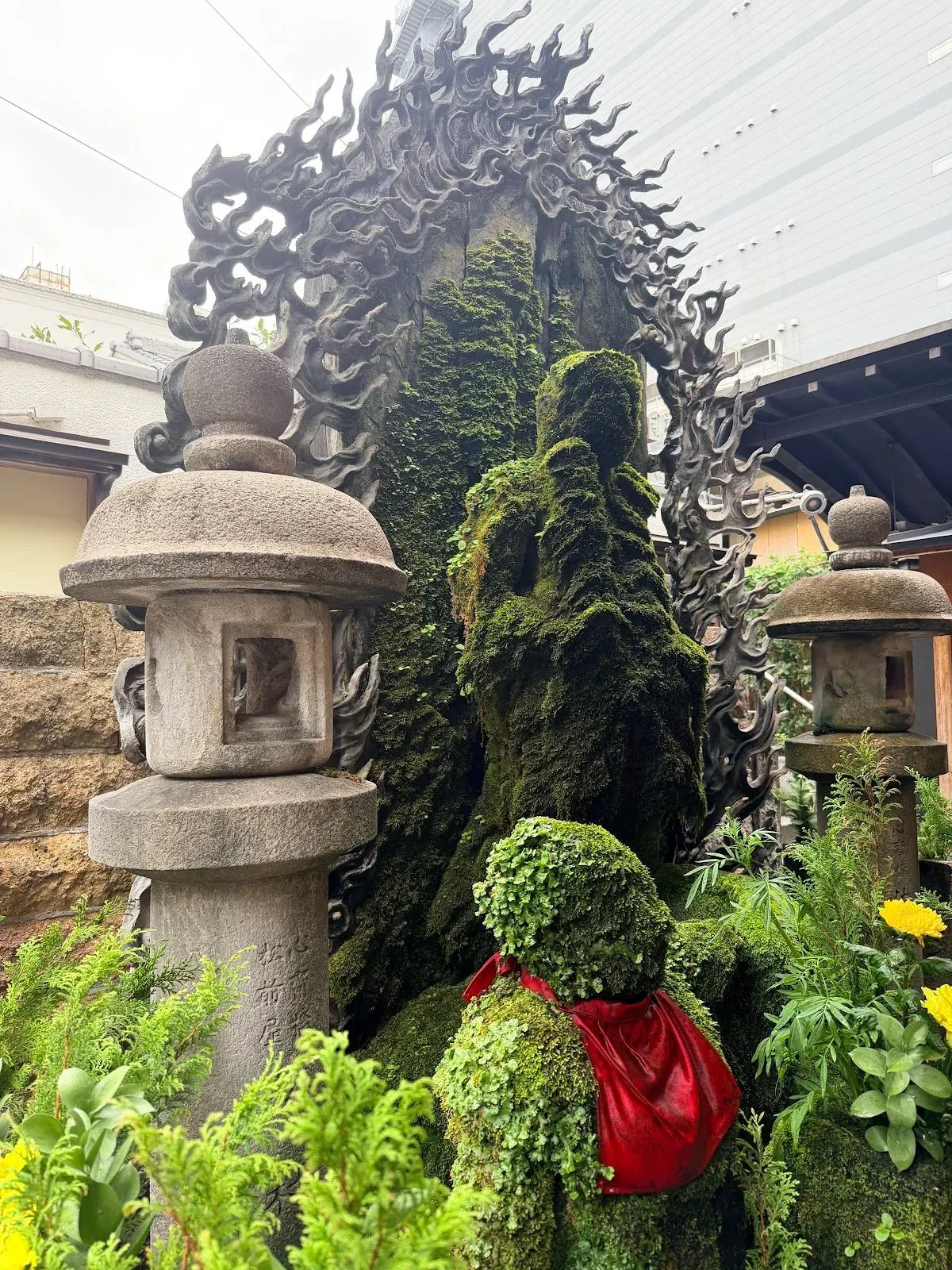
Hozenji Yokocho is an 80-meter stone alley flanking Hozen-ji Temple in Chuo Ward, crammed with 60 eateries and the water-splashed, moss-covered statue of Mizukake Fudo. Dark flagstones glisten after rain just three minutes south of the Dotonbori canal. Visitors ladle cold well water across Fudo Myoo before claiming stools at kushikatsu counters like Wasabi. Our guides walk these stones on the Private Osaka Introduction Tour — Dotonbori, Namba & Local Culture to show how sharply the neighborhood turns within 150 meters.
2. Nakazakicho — Pre-War Nagaya Alleys and Independent Roasters
Nakazakicho is an unbombed pre-war enclave ten minutes northeast of Umeda Station. Surviving 1930s wooden row houses now shelter indie galleries, vintage racks, and hand-drip espresso bars. American incendiary raids flattened a third of urban Osaka in 1945, but two dozen narrow roji alleys survived here intact. At Salon de Amano, painters sip dark sumiyaki coffee under exposed timbers and tangled wiring, insulated from the steel towers of Grand Front Osaka.
3. Ura Namba — Standing Bars and Off-Duty Kitchens South of Sennichimae
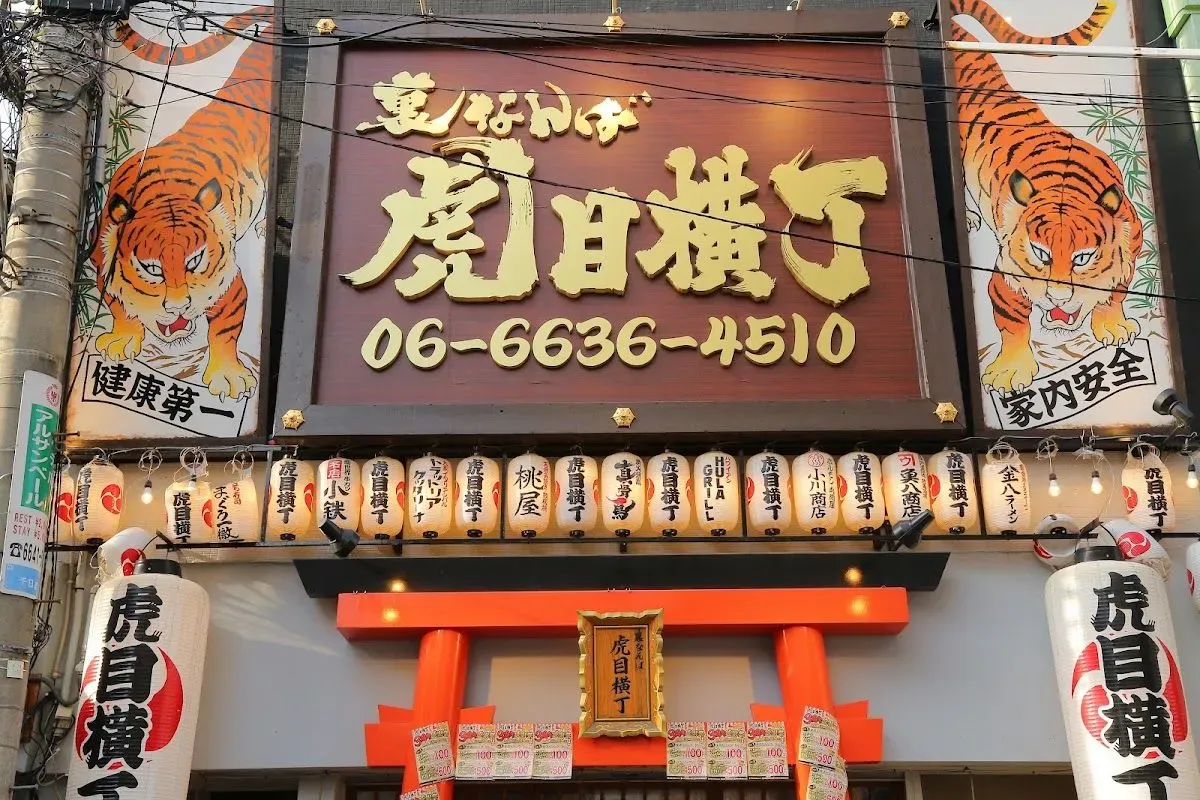
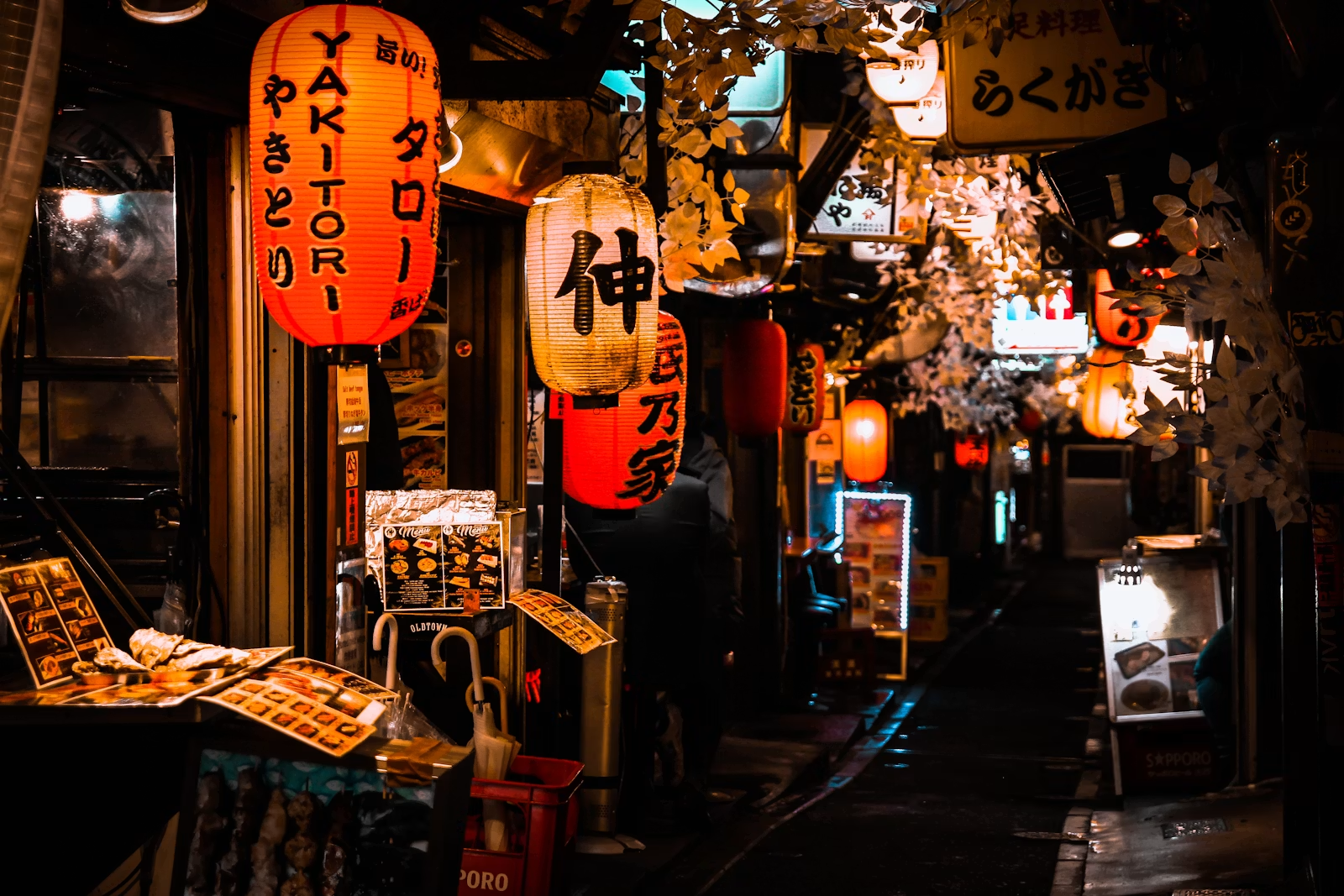
Ura Namba packs over 100 tachinomi standing bars, yakitori grills, and multi-tenant dining blocks behind Sennichimae Kitchenware Street. Osaka cooks head here after midnight. Inside Torame Yokocho, ten counters serve draft lager and smoked offal skewers beneath red paper lanterns. Prices sit at half the canal-front standard, with tachinomi spots dishing out simmered doteyaki beef tendon for ¥350.
4. Karahori Shotengai — Nagaya Regeneration on Uemachi Plateau
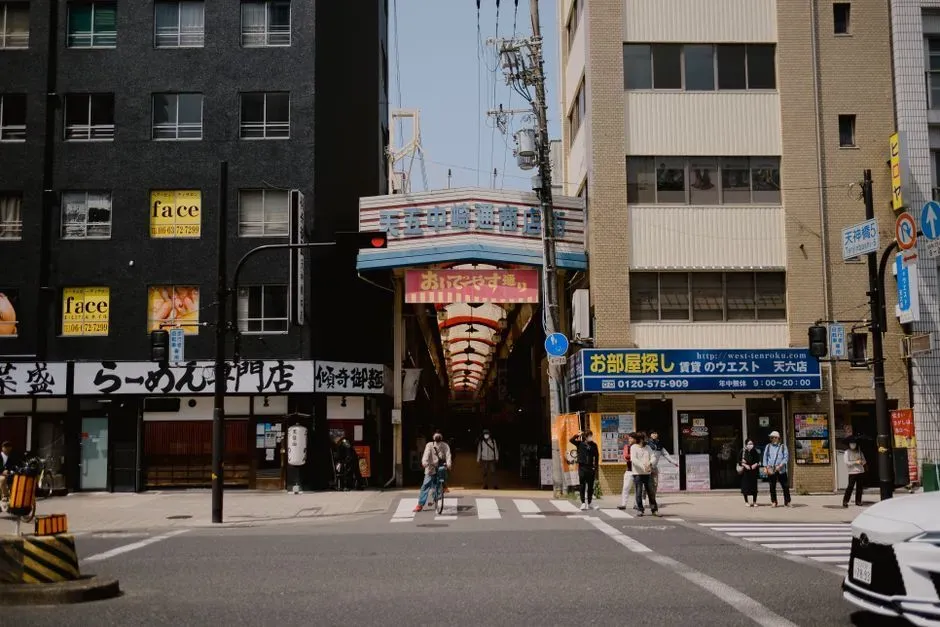
Karahori Shotengai runs down an 800-meter slope on the Uemachi Plateau, where multi-story nagaya complexes mix Showa-era bones with craft studios. Built on the outer moat ridge of Osaka Castle, the steep drop fended off post-war highway bulldozers. The Len compound houses chocolate makers and leather workers across two creaking timber floors. Travelers on our Osaka Castle, Dotonbori & Hidden Osaka – Private 3h Tour often contrast this quiet hillside with the castle grounds nearby.
5. Juso Yokocho — Post-War Nomiya Along the Hankyu Rail Arches
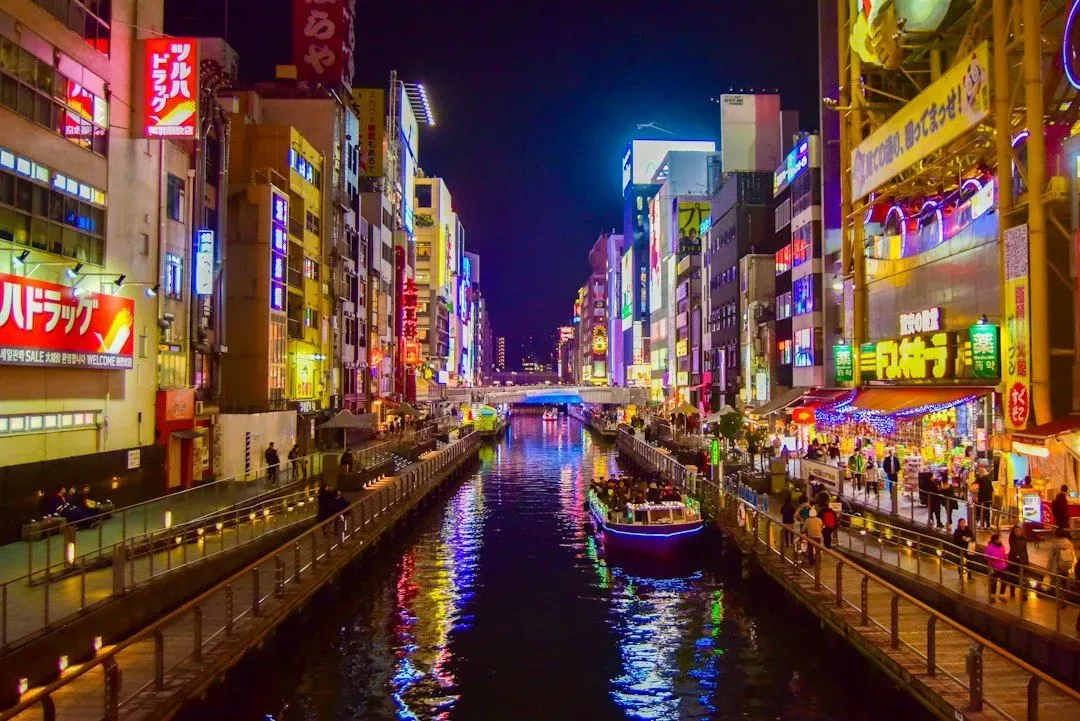
Juso Yokocho sits outside Hankyu Juso Station, running on unpretentious izakayas, scallion-packed negiyaki, and post-war neon. North of the Yodo River, working-class regulars dominate the counters. Negiyaki Yamamoto invented the green onion pancake here in 1965, pouring soy-seasoned batter over piles of chopped scallions and stewed beef flank. Drinkers claim asphalt under the train tracks, matching ¥380 shochu highballs with cold edamame.
6. Osaka Tenmangu Backstreets — Hoshiai Pond and Craft Sake Dens
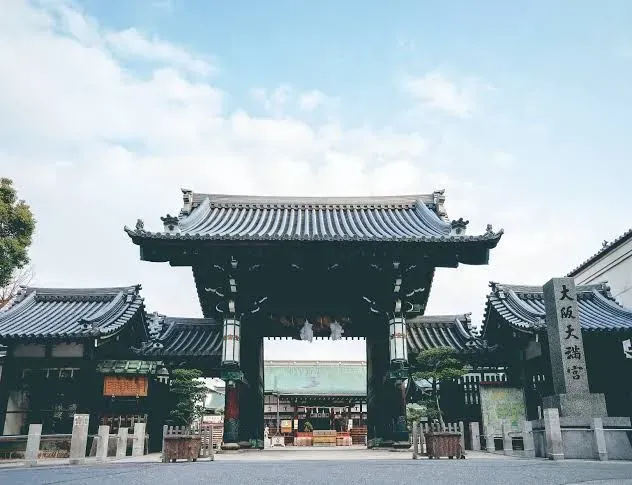
The Osaka Tenmangu backstreets flank Tenjinbashisuji with historic sake sellers, dry stone gardens, and small tasting rooms. Most travelers march down Japan's longest shopping arcade and miss the alleys east of the shrine grounds. Beside Hoshiai Pond, quiet bars pour Kansai junmai flights from small Hyogo and Nara kura. You drink at bare cedar counters while neighborhood merchants discuss festival plans over raw fish.
7. Kyuhoji Temple Quarter — The Teramachi Belt of Chuo-ku
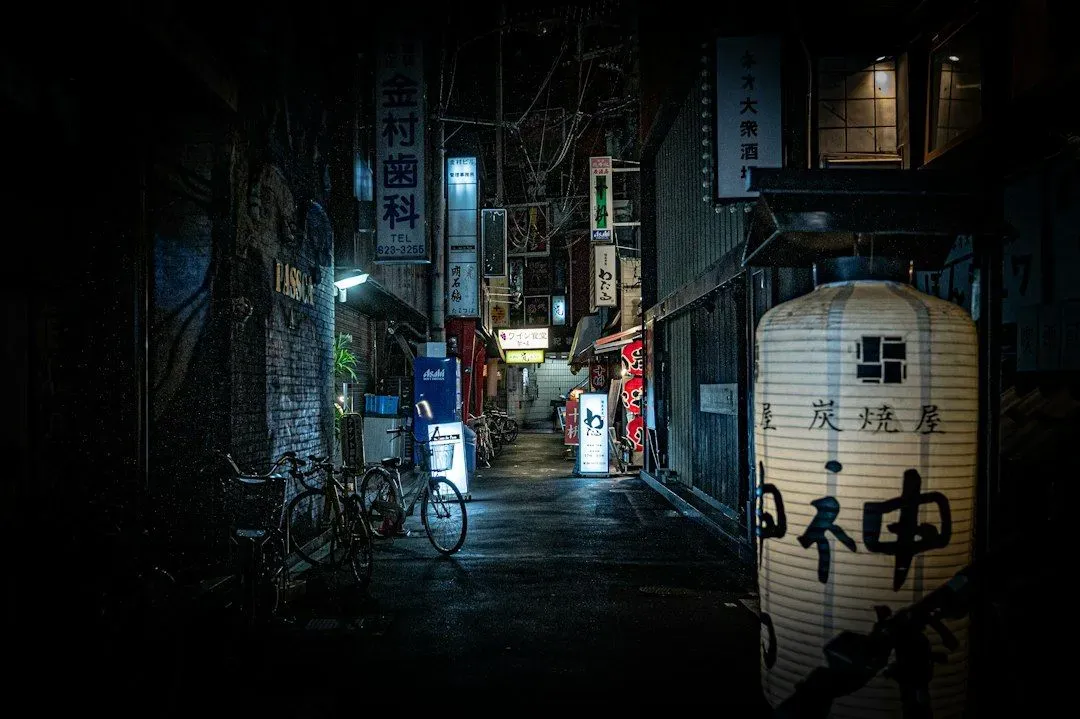
The Kyuhoji Temple Quarter preserves Edo-period Buddhist compounds and stone-paved lanes between modern office blocks in Chuo Ward. Centuries ago, city planners grouped temples along southern defense lines to form dedicated Teramachi zones. Today, Kyuhoji-dori keeps its weathered wooden gates, raked gravel, and stone lanterns directly behind Nagahoribashi subway station. It yields five minutes of utter quiet inside Osaka's corporate core.
8. Tsuruhashi Maze Alleys — Korean Grills and Smoked Kimchi Stalls
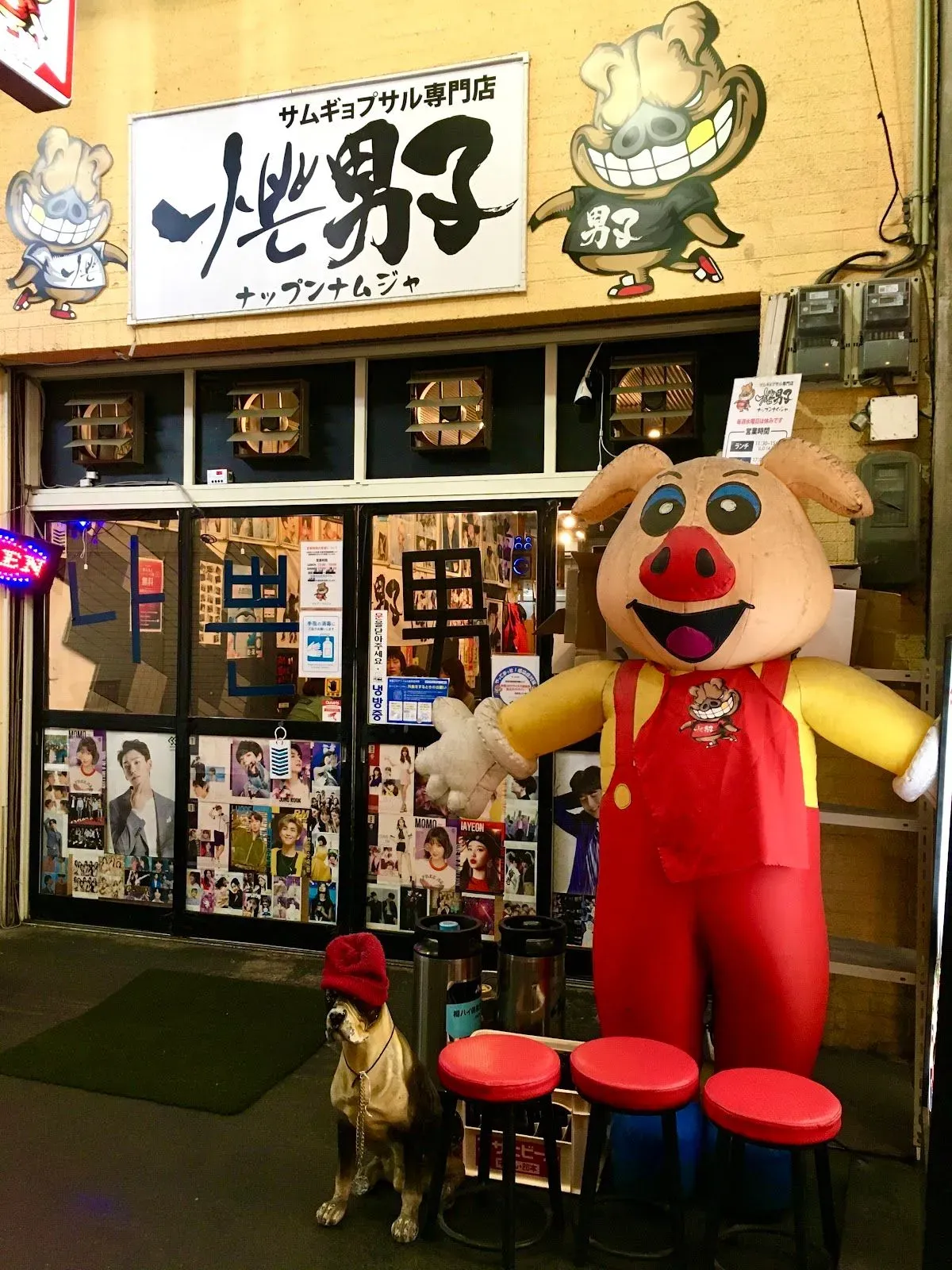
The Tsuruhashi Maze Alleys pack 800 stalls beneath the elevated JR and Kintetsu tracks, grilling yakiniku and fermenting kimchi since the late 1940s. Charcoal smoke, sesame oil, and garlic hit the platform the instant train doors part. Downstairs, ceiling beams drop below two meters. Stalls like Sora squeeze eaters onto backless stools around table roasters, serving offal cuts and beef tongue from ¥500 a plate.
Experience Osaka with Wabisabi
Step beyond crowded tourist strips and let our local guides show you the stone alleys, historic temples, and neighborhood food counters that define real Kansai culture.
Book this tour →