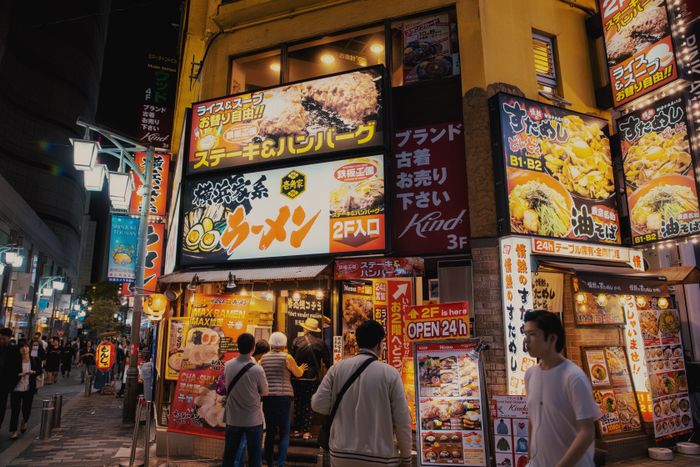
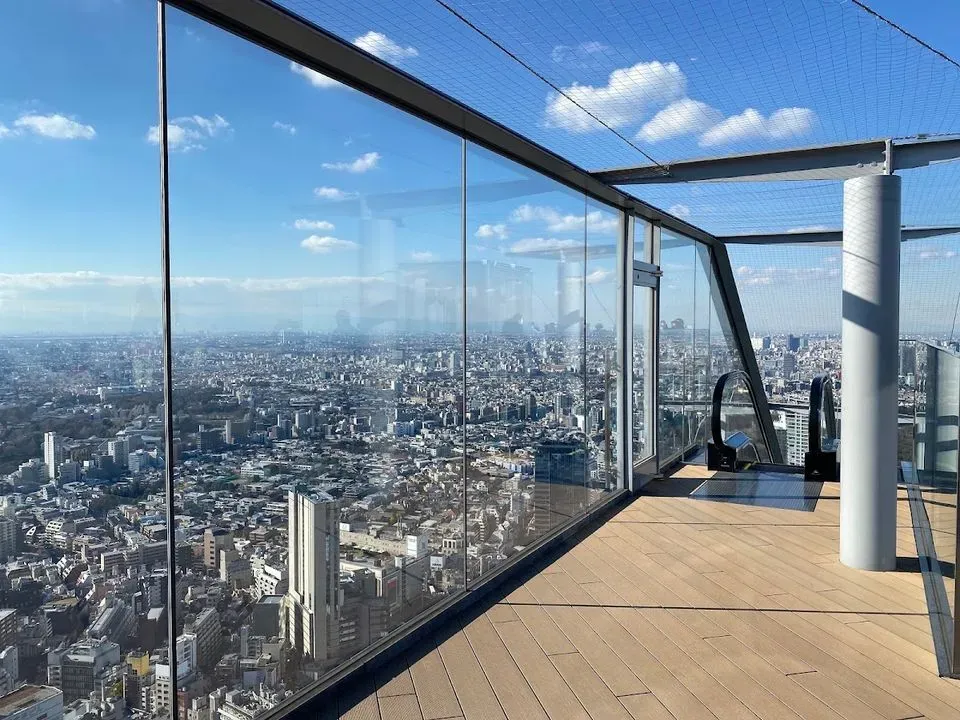
Tokyo is engineered for the solitary wanderer. Partitioned ramen counters, whisper-only music salons, and neighborhood sentos turn solo travel into direct access to the city's private rhythms. Here are 10 of the best solitary outings in Tokyo.
1. Ichiran Ramen Shibuya — Solo Booth Dining Built for Zero Eye Contact
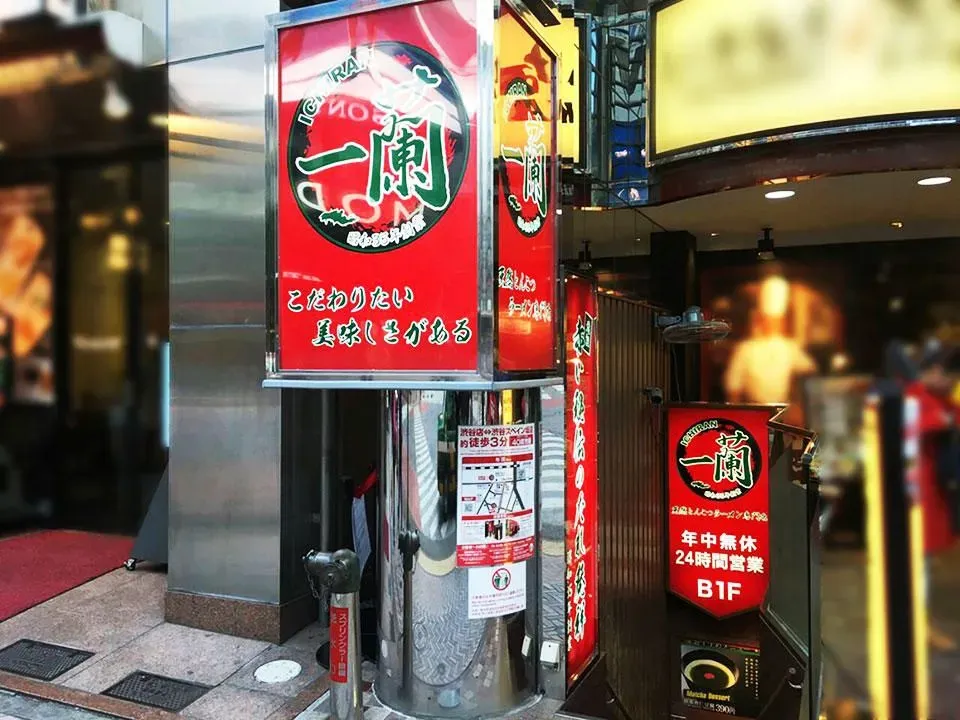
Ichiran Ramen Shibuya removes human contact. Diners sit in individual wooden cubicles facing personal bamboo blinds. Buy a ticket at the entrance vending machine, mark an English slip for noodle firmness and garlic punch, and press the call button. Hands slide your tonkotsu ramen through the hatch without a word. A kaedama noodle refill costs ¥210 and arrives in ninety seconds.
2. Daikanyama T-Site — Late-Night Book Browsing and Solo Espresso
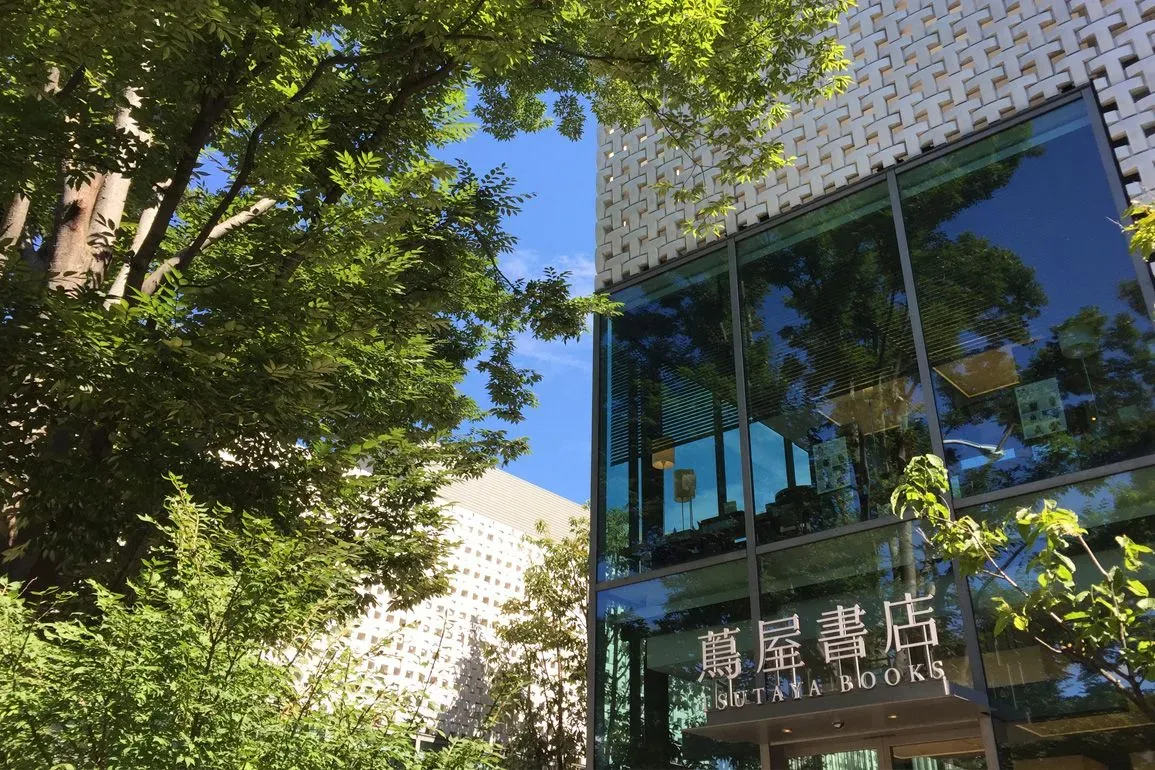
Daikanyama T-Site keeps its three-building bookstore campus open until 22:00. Designed by Klein Dytham Architecture with interlocking white T-motifs, it holds over 150,000 volumes, rare vintage automotive folios, and art imports. Take a monograph to the second-floor Anjin Library & Lounge and nurse a ¥650 espresso without staff hovering.
3. Koganeyu Sento — A Modernized Neighborhood Bathhouse in Kinshicho
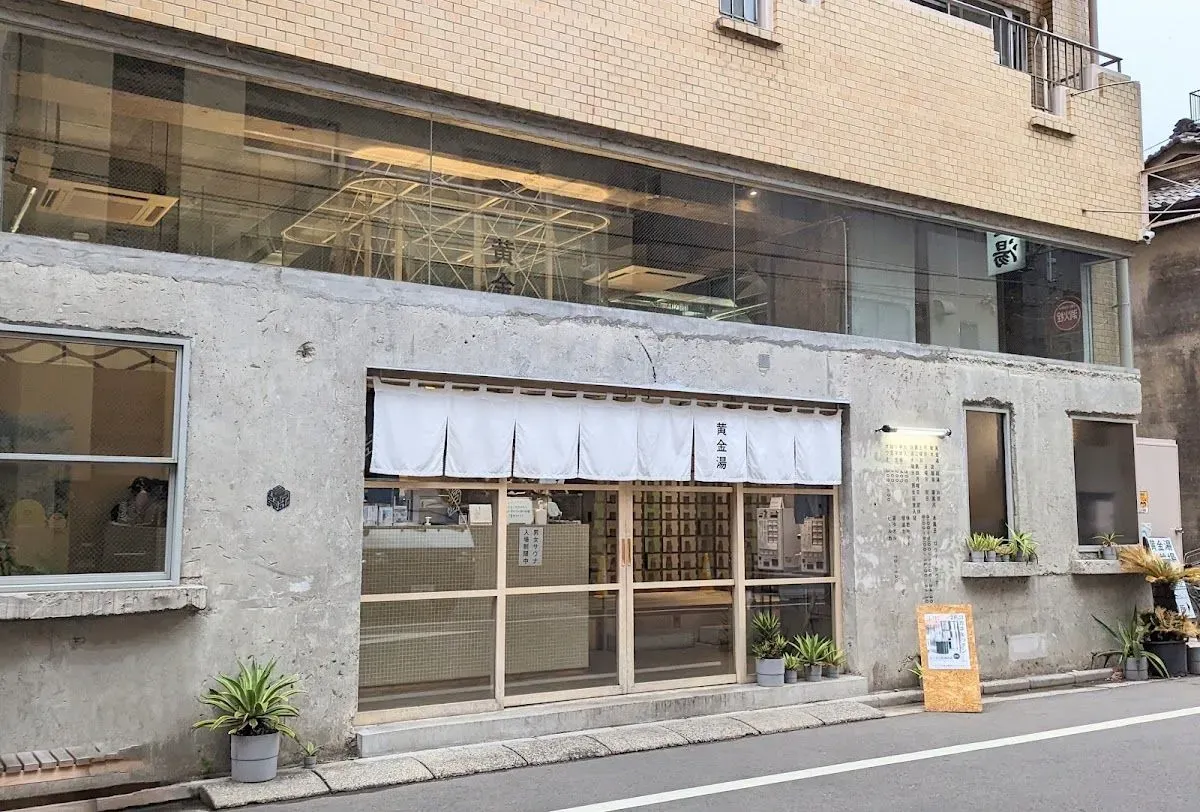
Koganeyu in Kinshicho updates the public sento. Architect Jo Nagasaka overhauled the 1932 bathhouse in 2020 with raw concrete, cedar trim, and a DJ console at reception. For ¥520, alternate between the 43°C hot tub and the 15°C cold plunge under strict rules of silence. Finish with a ¥750 house IPA at the lobby taps.
4. Lion Cafe — Silent Classical Music Listening in Shibuya
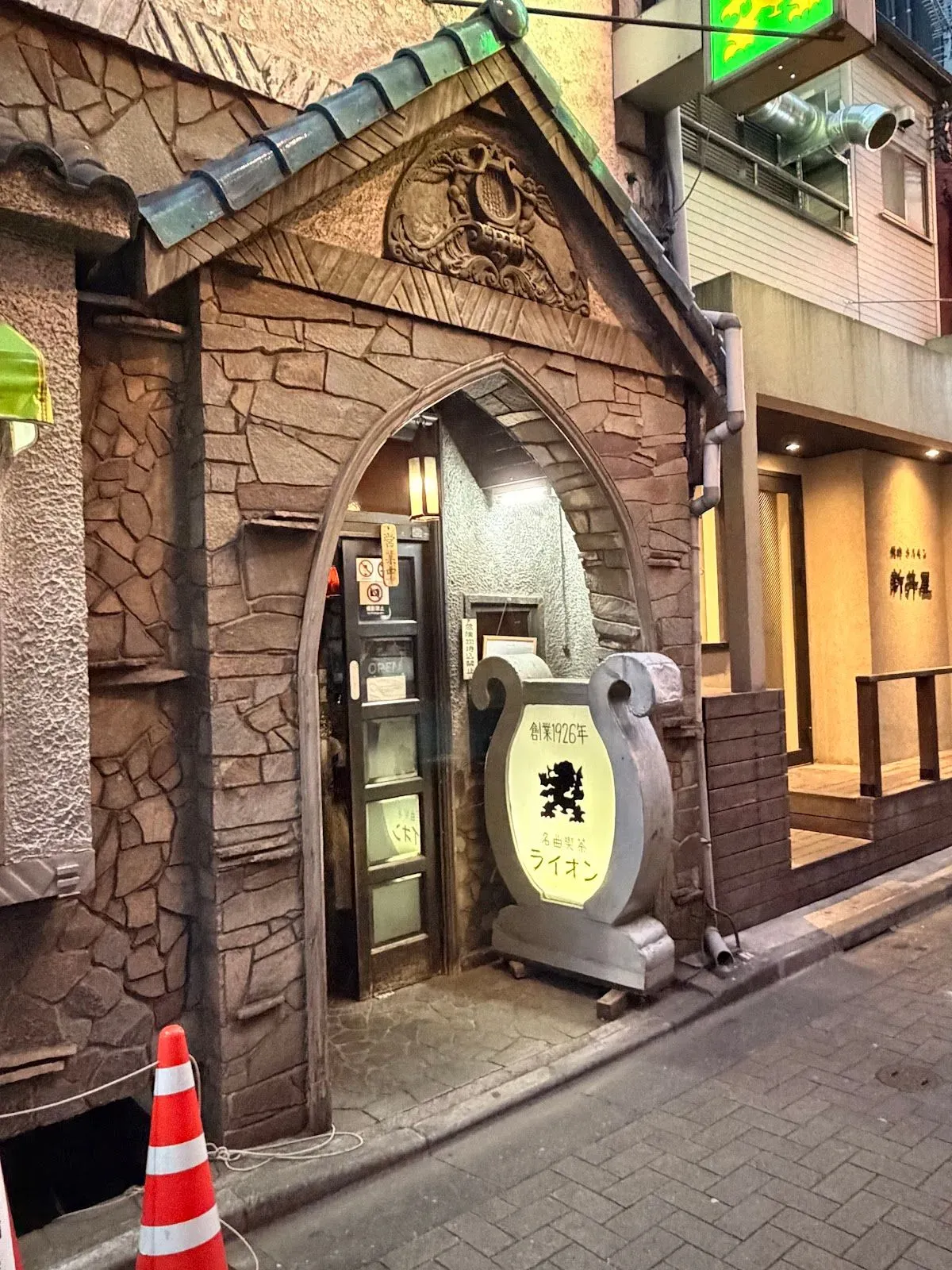
Lion Cafe in Dogenzaka bans talking above a whisper and prohibits phone use entirely. Founded in 1926, this dark kissaten arranges rows of high-backed velvet chairs toward two-story custom horn speakers. Sip a ¥650 iced coffee while listening to vinyl symphonies alongside patrons who spend entire afternoons staring silently forward.
5. Ameyoko Tachinomi Bars — Standing Drinks Under the Yamanote Line Tracks
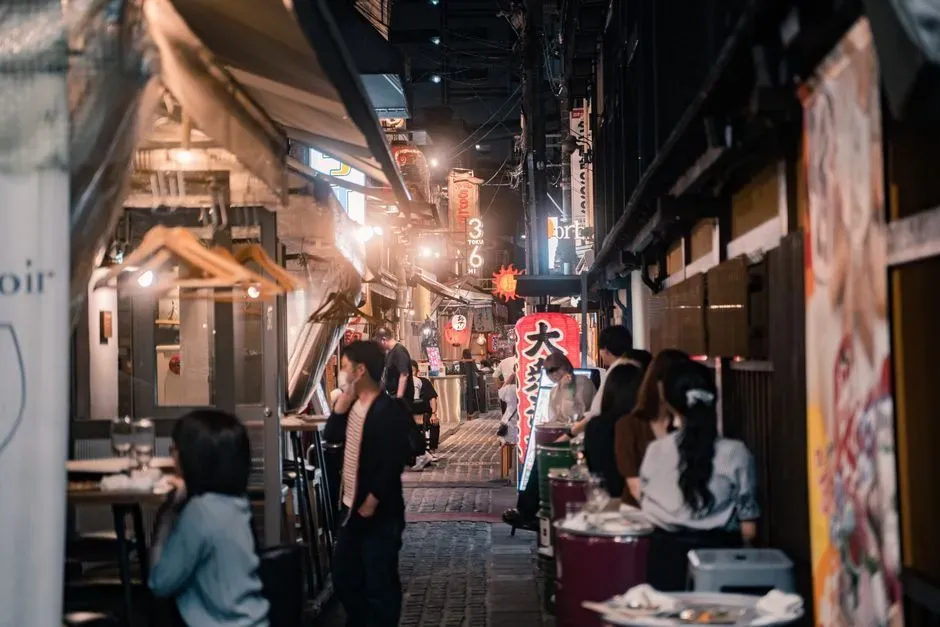
Ameyoko tachinomi like Bunraku place solo drinking culture directly beneath the Yamanote train arches between Ueno and Okachimachi. Claim an open milk crate or lean over a barrel for ¥180 yakitori skewers, simmered beef tendons (gyusuji nikomi), and cold draft beer. Explore the market's back alleys on the Ueno Temples & Ameyoko Market Walking Tour - Blend of Culture + Food + Shopping.
6. Yanaka Cemetery and Old Town — Quiet Strolls Away from Tour Groups
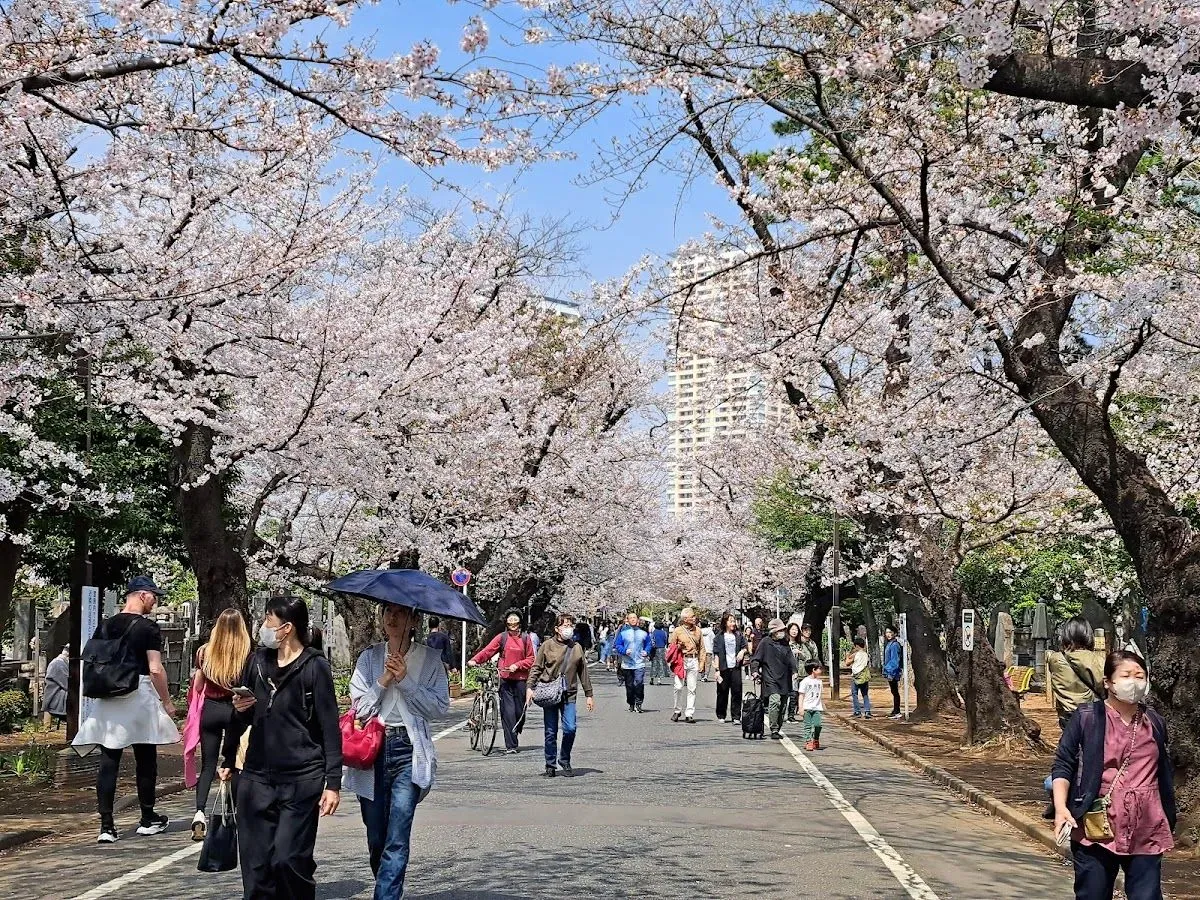
Yanaka Cemetery and its surrounding alleys hold 7,000 graves, pre-war wooden residences, and Buddhist temples untouched by World War II bombs. Solitary walkers can trace gravel paths to the tomb of Tokugawa Yoshinobu, the last shogun, without tourist buses crowding the lanes. Continue through the neighborhood with the Hidden Tokyo - Peaceful Gardens, Historic Shrines & Old Town Streets route.
7. Shimokitazawa Thrift Shops — Second-Hand Hunting at Your Own Pace
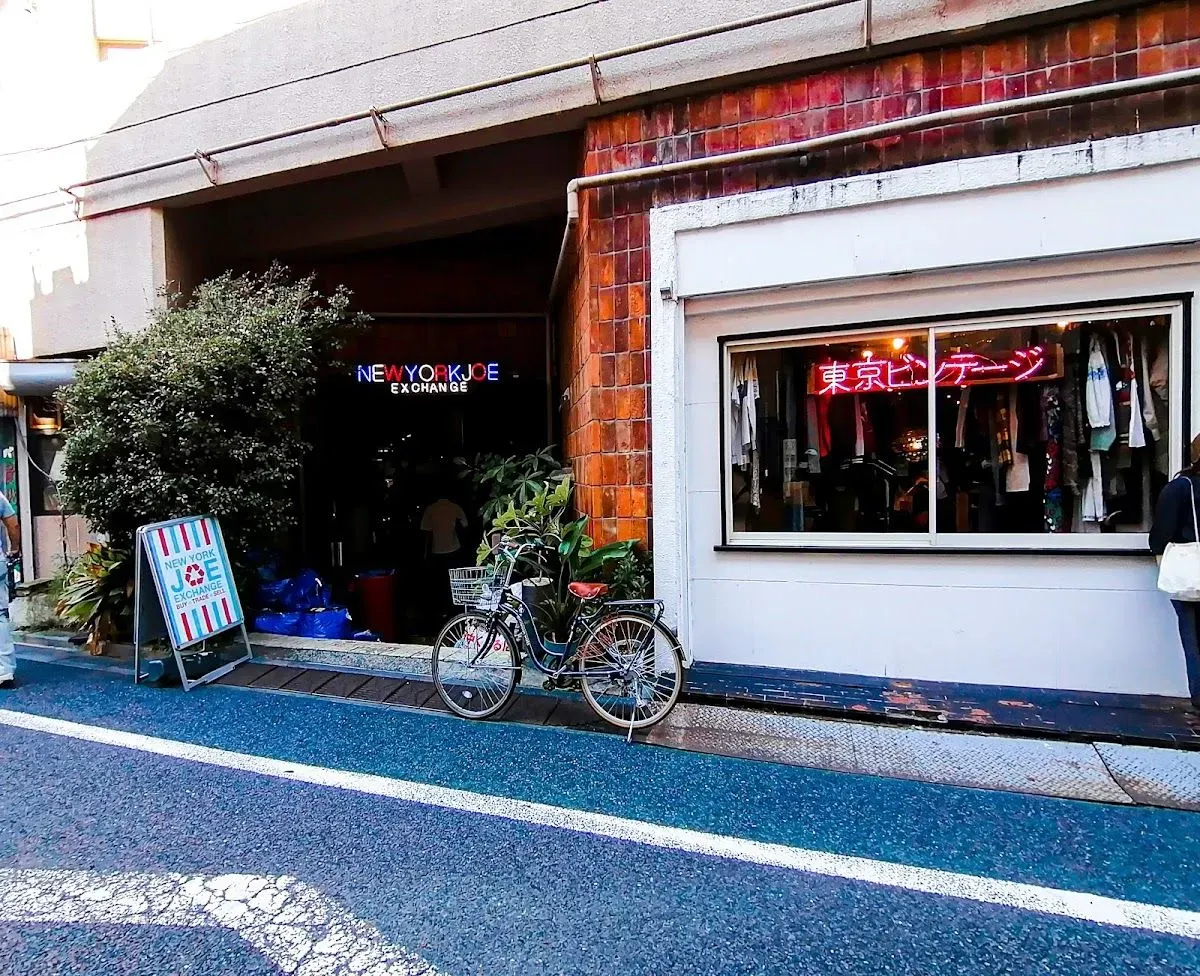
Shimokitazawa concentrates Tokyo's densest cluster of vintage clothing retailers into tight upstairs flats and basements. Thrifting here rewards the solo browser. At New York Joe Exchange—housed in a converted sento—vintage t-shirts run from ¥2,000 and leather jackets from ¥7,000. Inspect hems and Japanese workwear tags without negotiating someone else's pace.
8. Mori Art Museum — High-Floor Contemporary Art and Late Hours
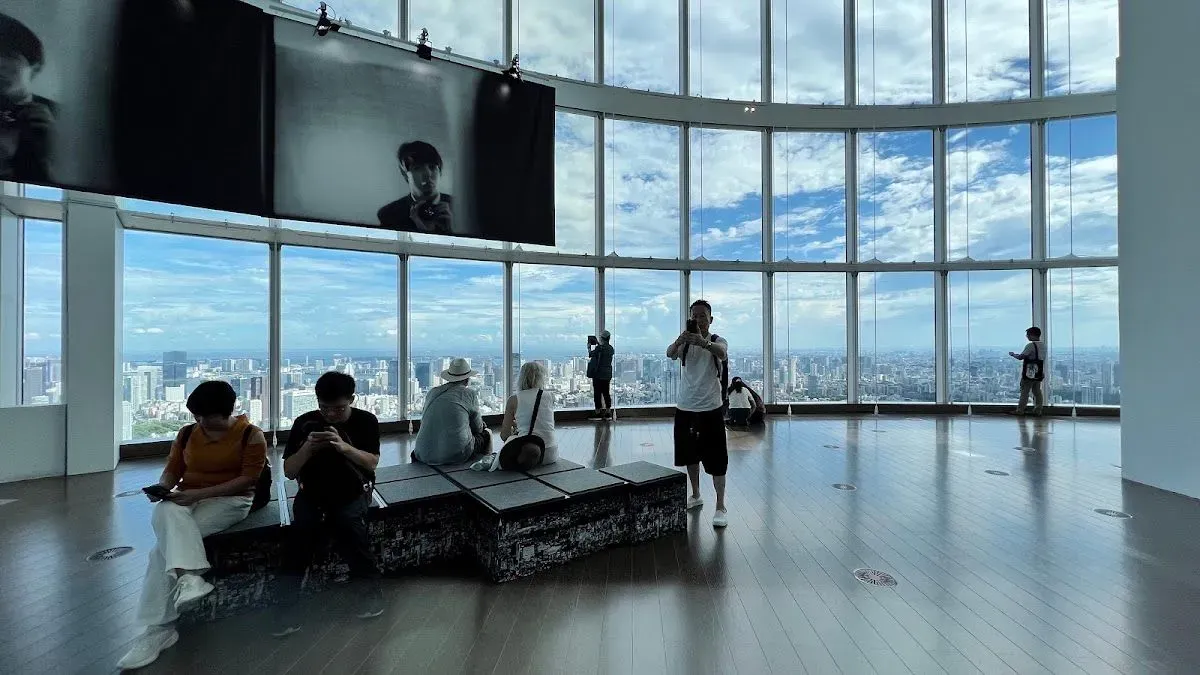
Mori Art Museum occupies the 53rd floor of Roppongi Hills Mori Tower, staying open until 22:00 most nights. Timed online ticketing prevents overcrowding, letting you inspect contemporary installations without daytime field trips rushing past. Drop by the 52nd-floor lounge afterward for a drink facing Tokyo Tower.
9. Shinjuku Gyoen National Garden — Finding Solitude Across 144 Acres
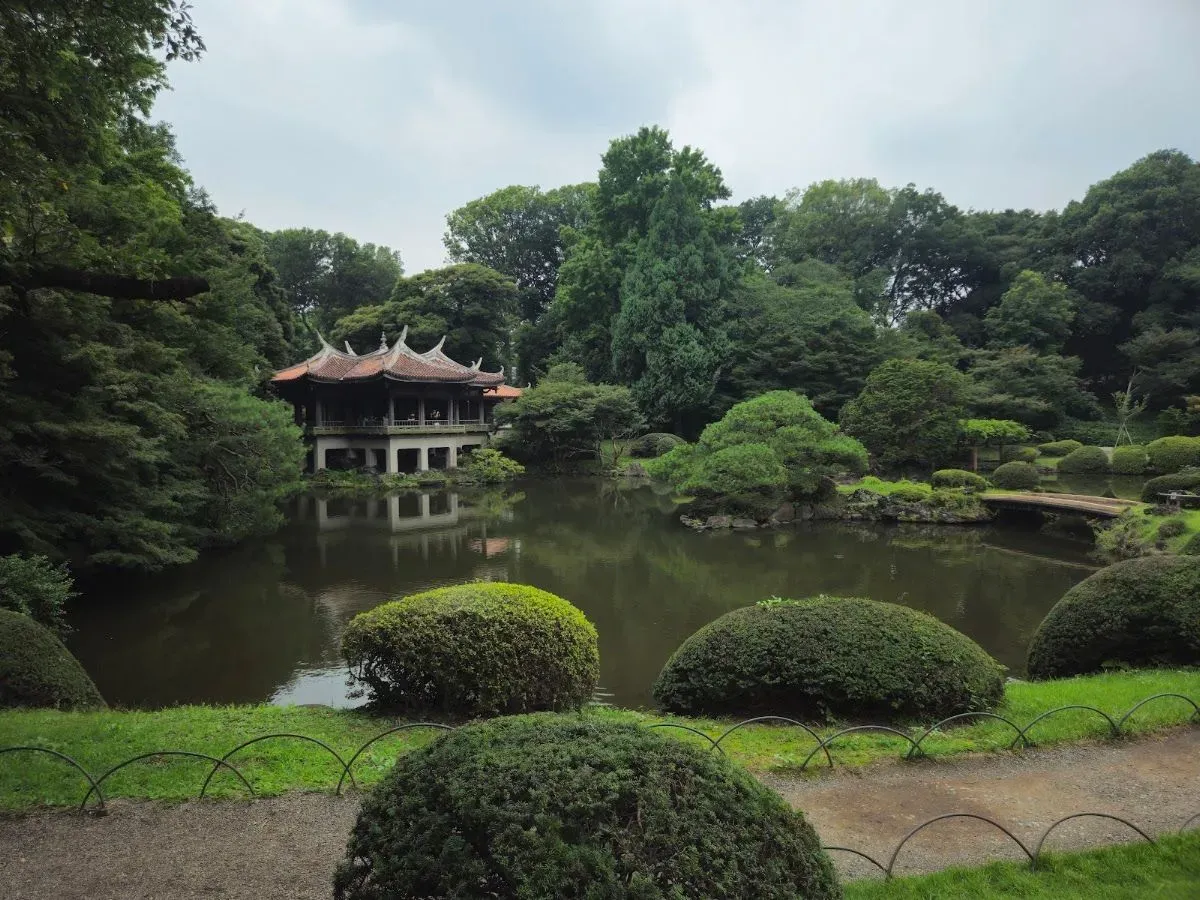
Shinjuku Gyoen spans 144 acres of formal French, English landscape, and traditional Japanese garden grounds. A ¥500 ticket and strict bans on alcohol and sports gear shut out noisy drinking parties. Pick up an onigiri at the station, pass the bag-check turnstiles, and claim a cedar bench beside the central pond.
10. One-Kara Akihabara — Private Soundproof Karaoke Cabins for One
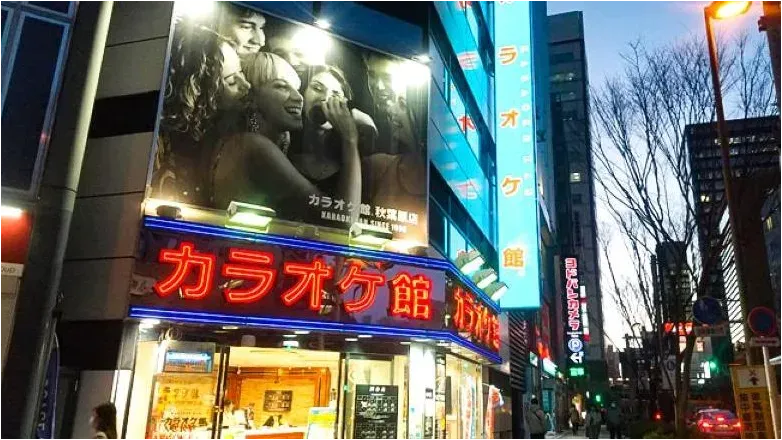
1Kara Akihabara provides dedicated private karaoke booths designed like soundproof flight cockpits. Known as 'hitokara,' solo singing here costs around ¥1,200 per hour. Lock your cabin door, put on the studio monitor headphones, tweak the mixer board's reverb, and blast through the English song catalog without an audience.
Experience Tokyo's Quiet Side with Wabisabi
Our small-group walking tours are tailored for thoughtful travelers who want to explore Tokyo's historic alleys and neighborhood culture without the hassle of large tour crowds.
Book this tour →