Pick your Tokyo base for transit and sleep, not marketing photos. Shinjuku and Shibuya draw crowds, but high rates, 200 exits, and construction stairs wreck arrival day. Here is how eight districts compare on trains, noise, and price.
Is Shinjuku the best base for first-time visitors?
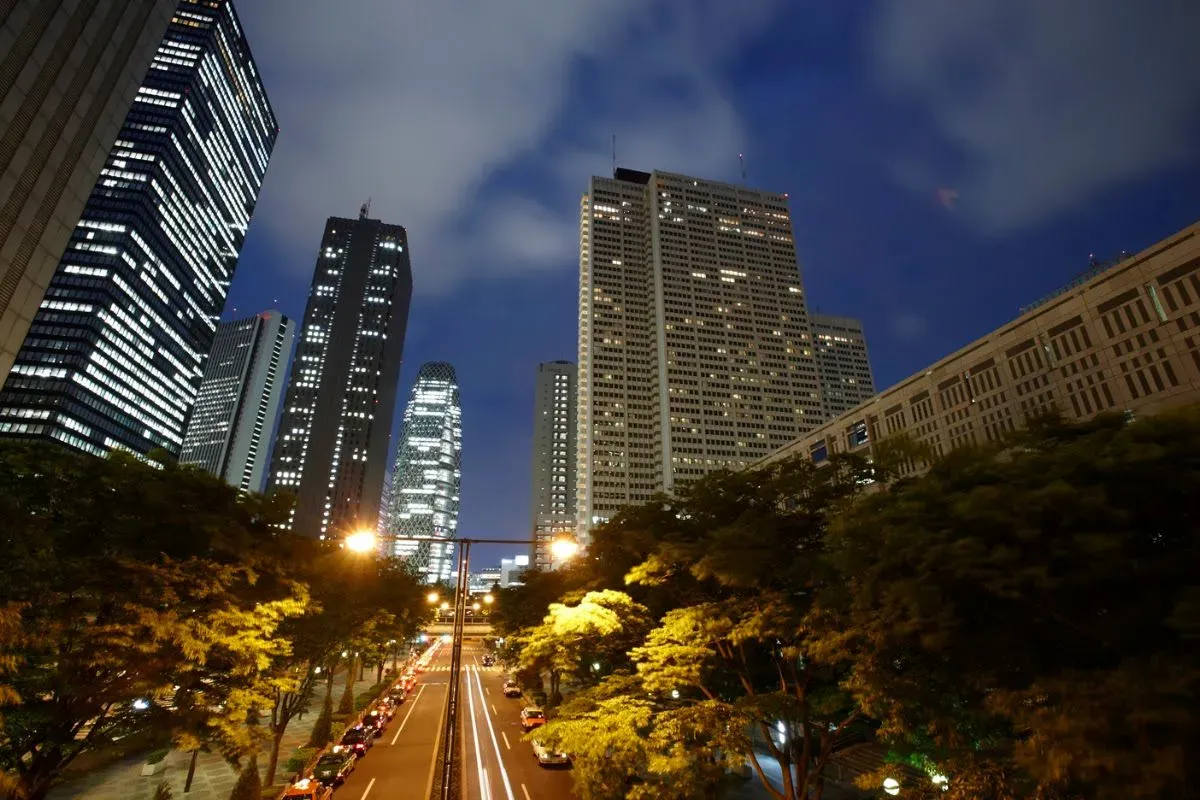
Direct Narita Express trains and twelve rail lines make Shinjuku practical. Skip Kabukicho’s 02:00 siren noise and touts. Sleep west of the tracks near the Tokyo Metropolitan Government Building, where rooms are quiet and access is direct.
Should you stay in Shibuya or nearby Ebisu?
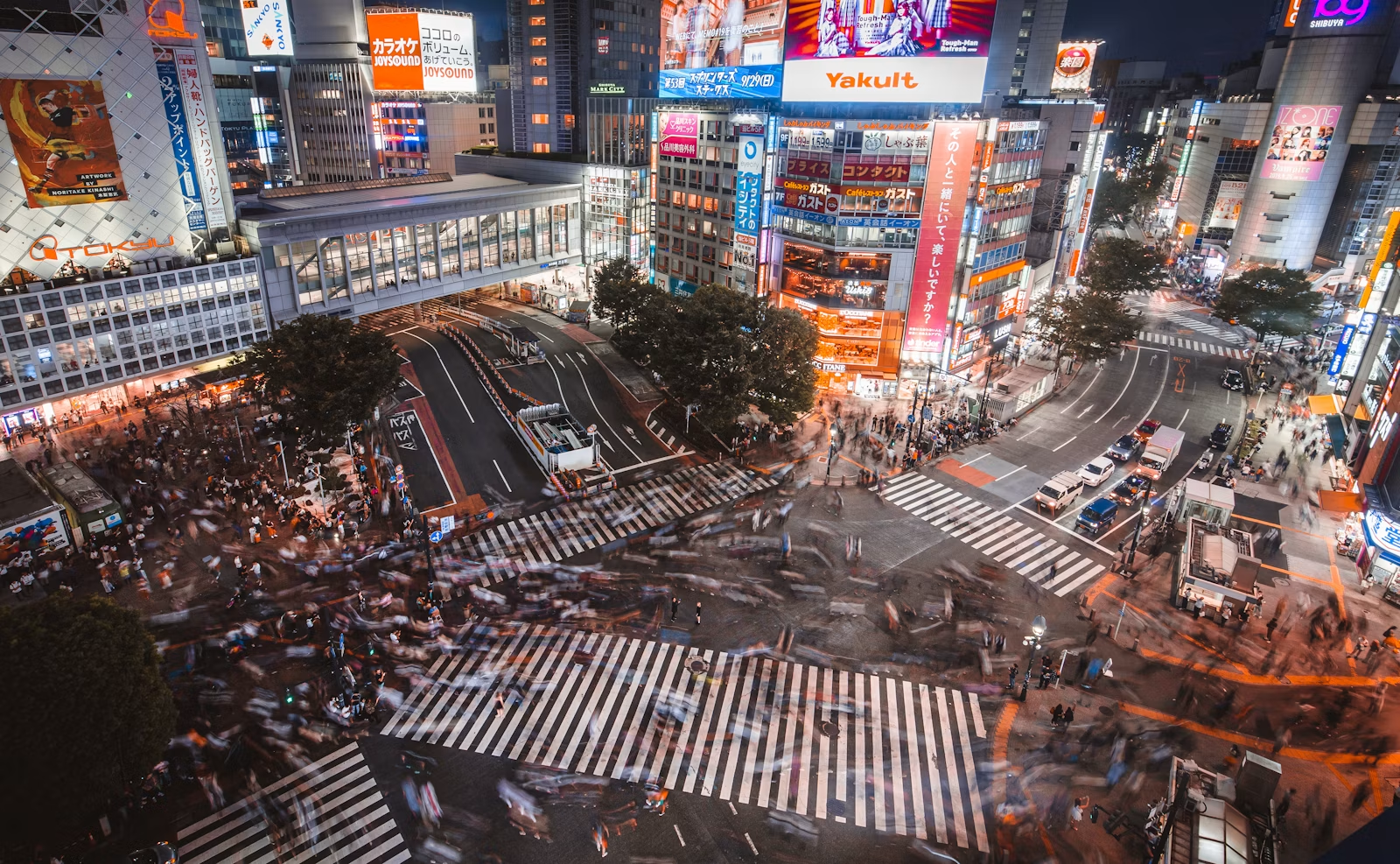
Ebisu beats Shibuya for quiet nights. It sits one stop south on the Yamanote Line, free of Shibuya’s endless redevelopment scaffolding. The terrain is flat, connects to the Hibiya subway, and packs 400 standing bars and yakitori counters.
Why do budget travelers and families prefer Asakusa?
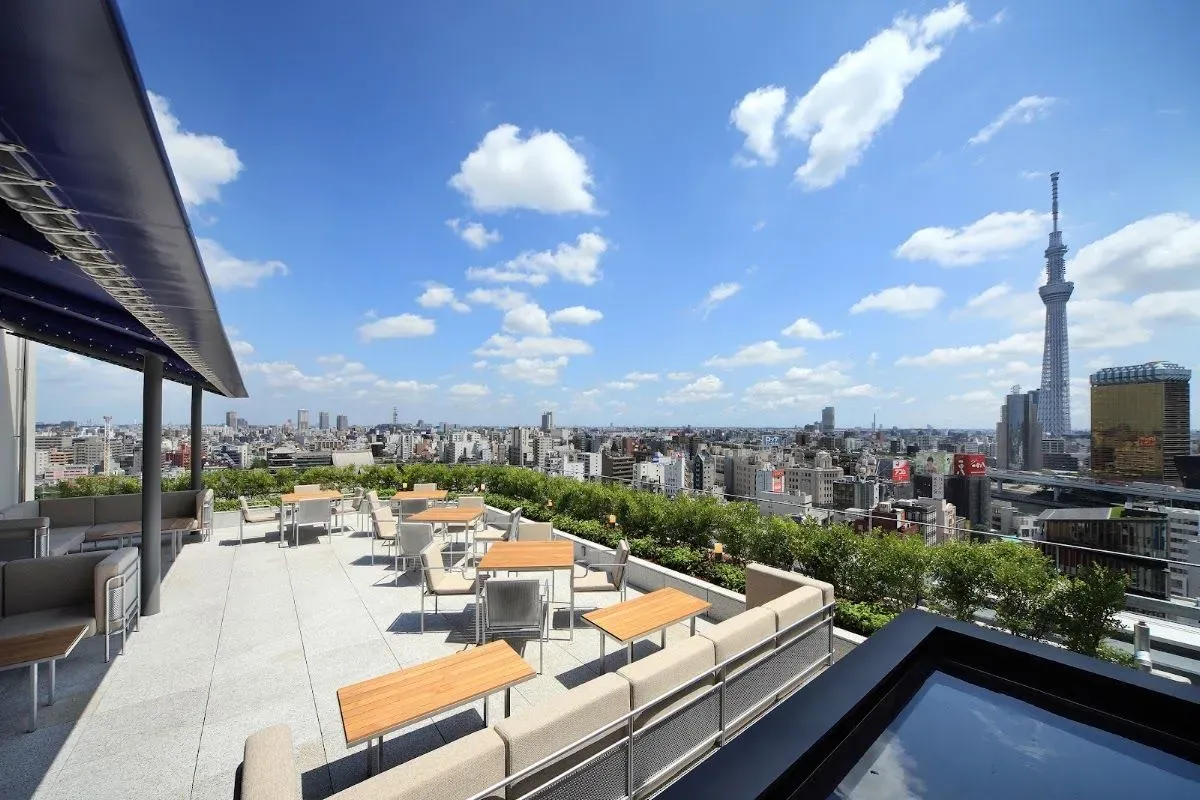
Asakusa cuts room rates 30% compared to western wards. Mid-range rooms run ¥14,000 to ¥20,000. It lacks JR lines and dining closes by 21:00, but Ueno is a five-minute subway ride away.
How convenient is Ueno for regional day trips?
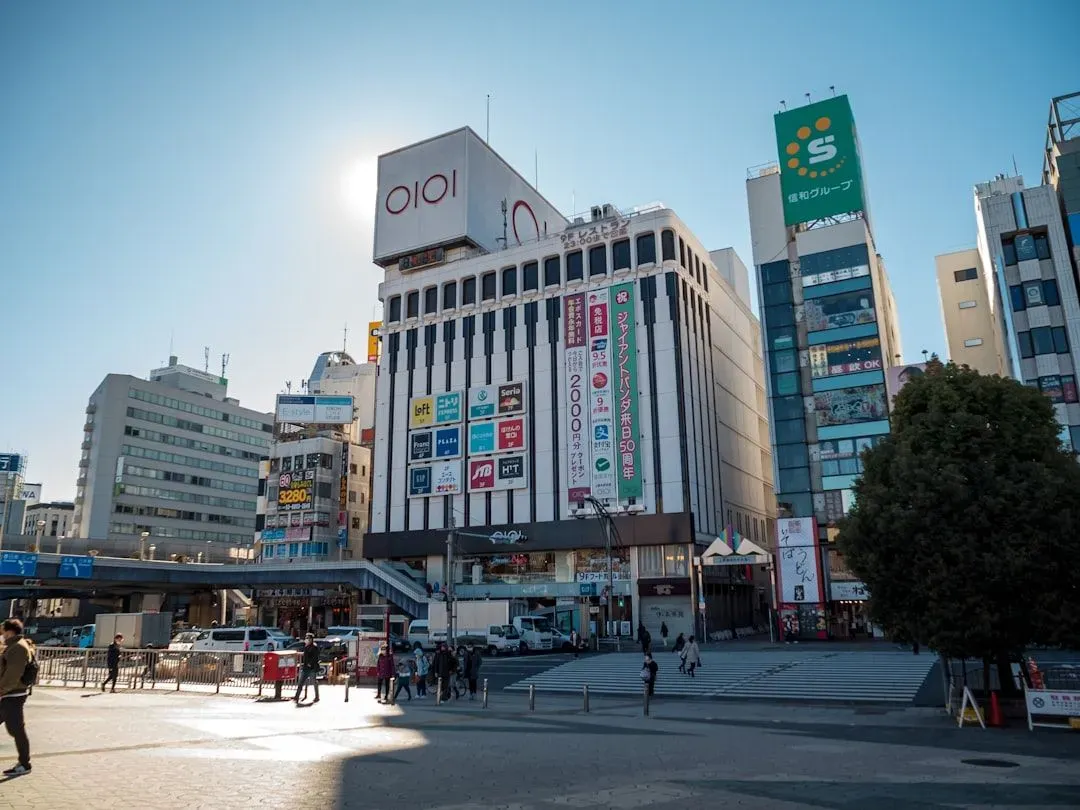
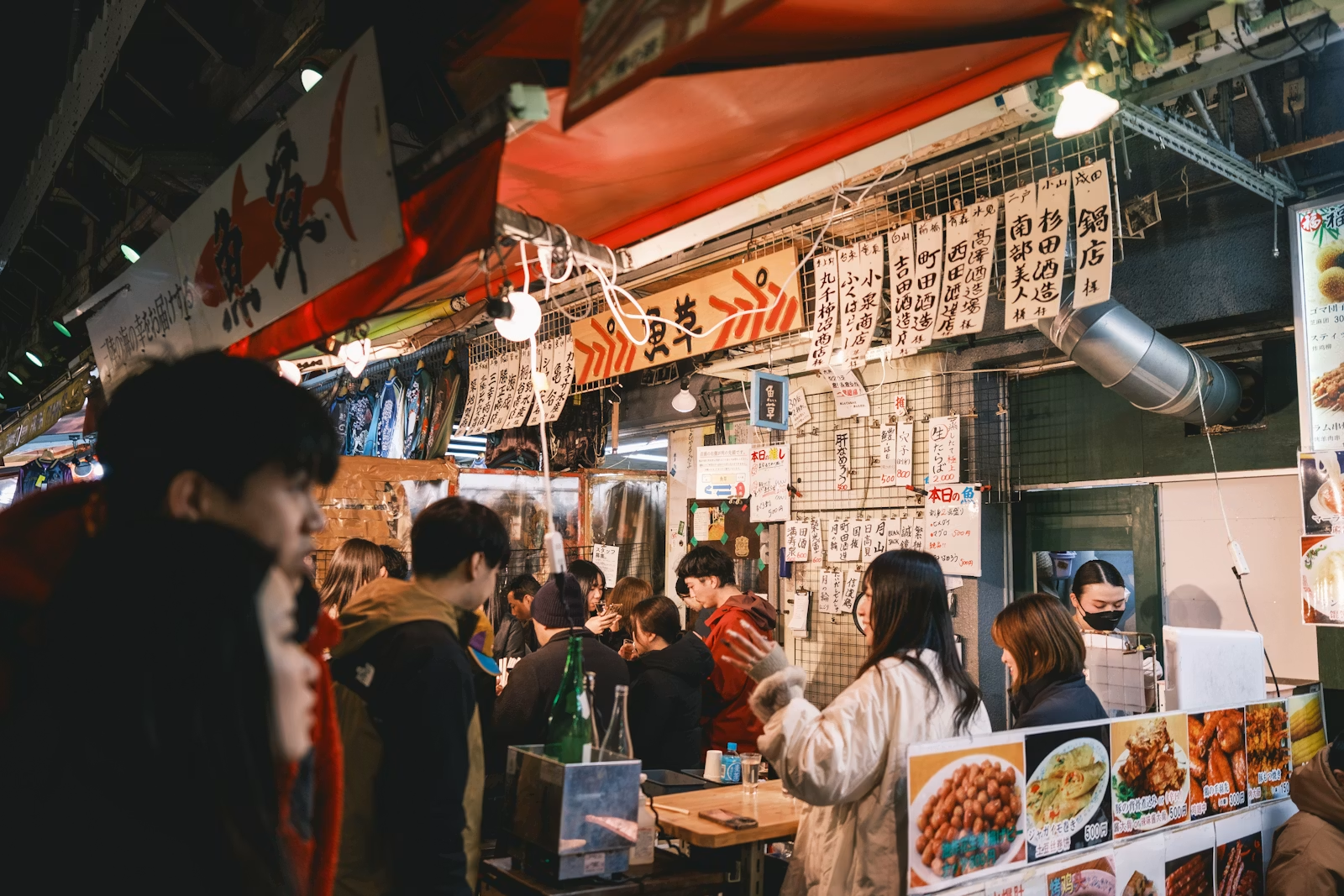
Ueno links straight to Narita via the 41-minute Keisei Skyliner and runs bullet trains north to Tohoku and Kanazawa. Walk three blocks south to Okachimachi along Ameyoko Market for quiet hotels ¥5,000 cheaper than Tokyo Station.
Is Tokyo Station and Ginza worth the higher room rate?
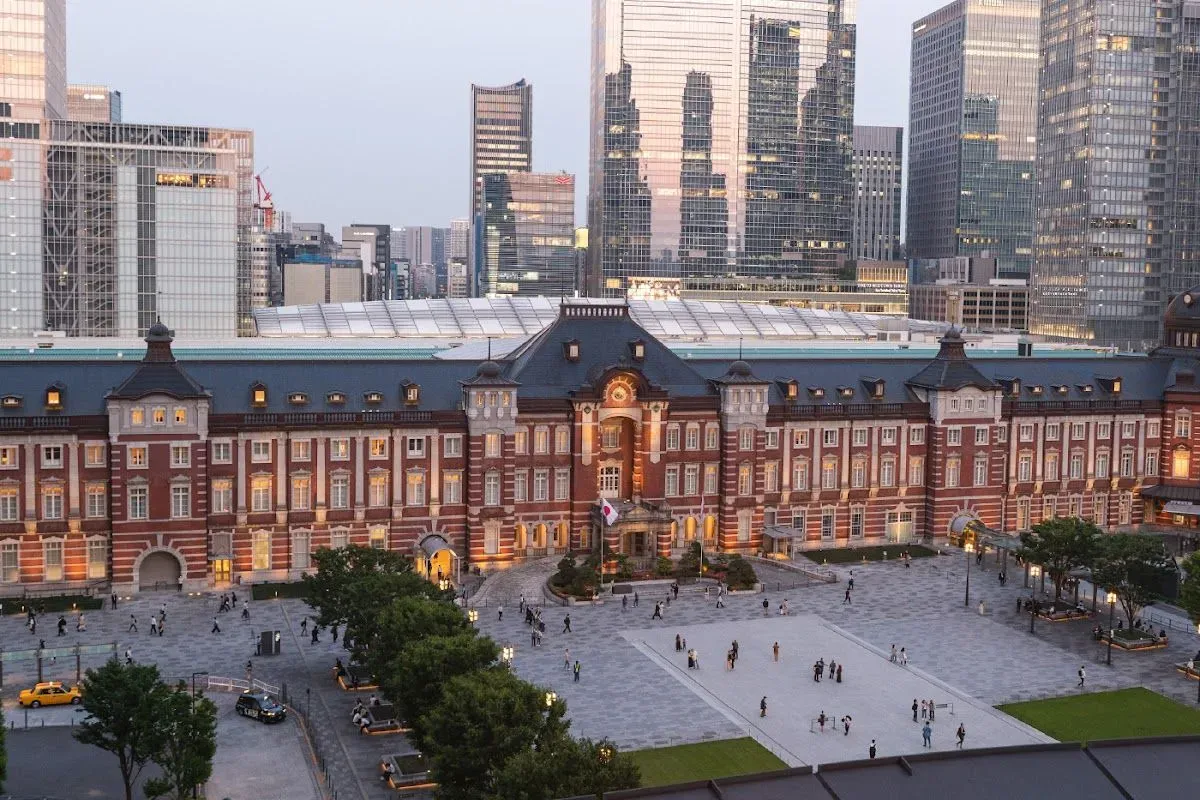
Tokyo Station and Ginza top ¥35,000 a night. Marunouchi links four subways and Kyoto bullet trains via covered walkways. You pay a 40% location premium, but you skip rain, bad pavement, and taxi lines.
Can Akihabara and Kanda work as alternative transit hubs?
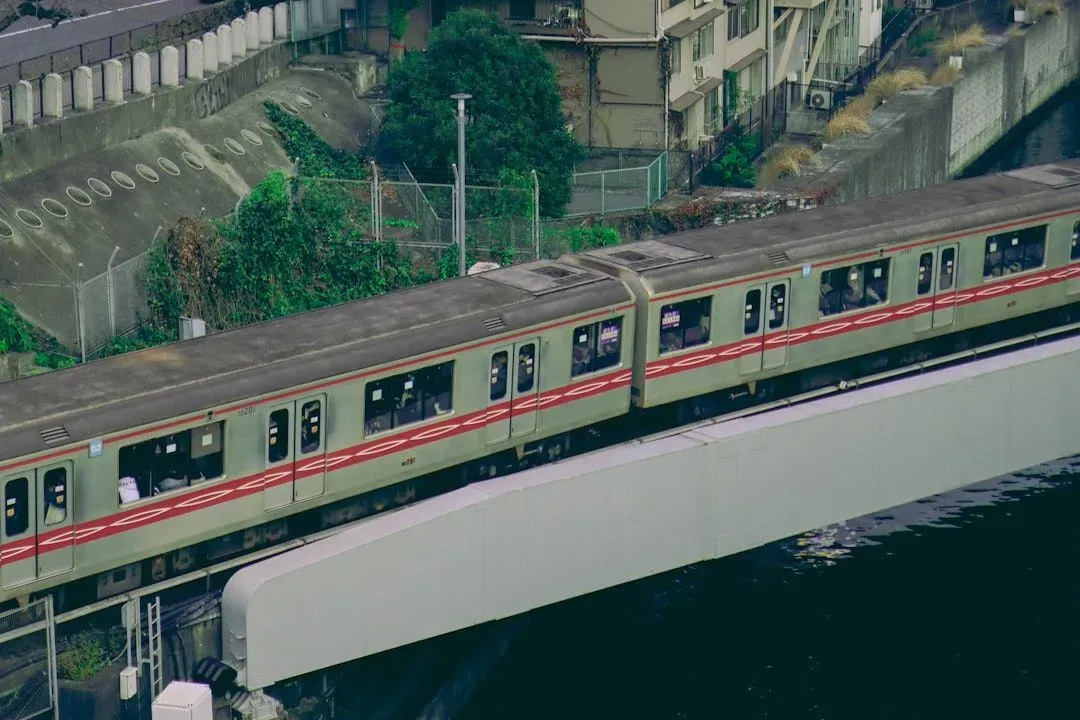
Kanda sits on the Yamanote and Chuo Rapid lines, one stop from Tokyo Station. Business hotels run ¥8,000 cheaper per night. Rooms are small (11 to 14 square meters), clean, and quiet on weekends.
What are the drawbacks of staying in Roppongi or Minato?
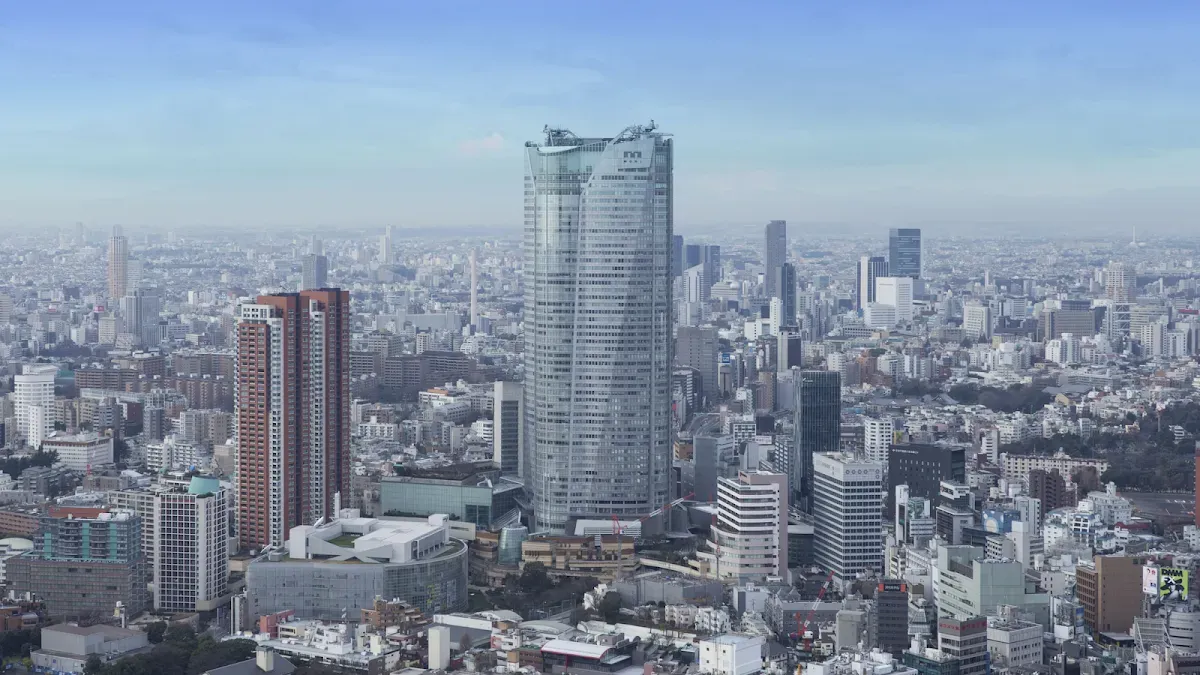
Roppongi brings friction: no JR Yamanote, steep hills, and deep subway platforms that burn five minutes on escalators. Late nights demand ¥3,000 taxi fares, and international chains charge inflated rates for food and lodging.
Should you split your hotel stay across two Tokyo areas?
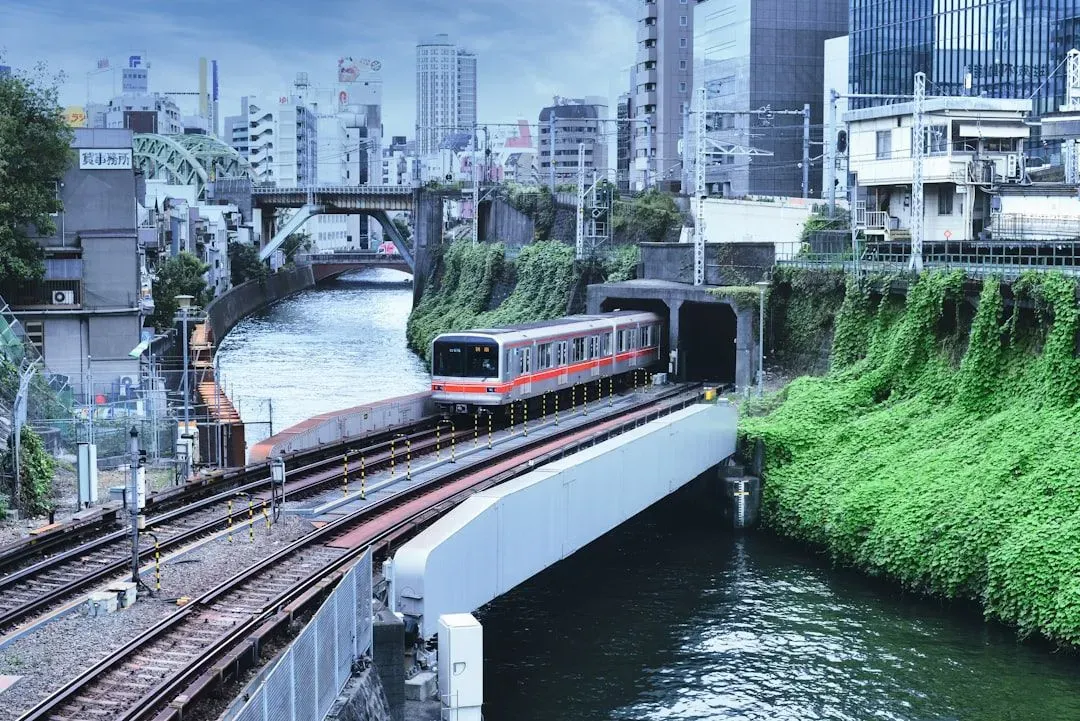
Split stays only make sense for seven nights or more. Pair Asakusa with Shinjuku to cut 45-minute subway commutes. Forward bags desk-to-desk via Yamato Transport for ¥2,000 so you can sightsee unburdened.
Experience Tokyo Neighborhoods with Wabisabi
Navigate Tokyo's sprawling districts with licensed local guides who know every station shortcut, backstreet diner, and neighborhood story.
Book this tour →