GINZA SIX
Good to know before you go
- Getting there
- Ginza Station · 2 min walk (Tokyo Metro Ginza Line, Tokyo Metro Marunouchi Line, Tokyo Metro Hibiya Line)
- Hours
- Shops: 10:30–20:30; Restaurants: 11:00–23:00; Rooftop Garden: 7:00–23:00 (hours vary by store)
- Admission
- Free
- Time needed
- 1–2 hours
- Best time to go
- Saturdays, Sundays, and public holidays between 12:00 and 17:00 (until 18:00 from April to September), when Ginza Chuo-dori directly outside becomes a pedestrian-only zone
Hours can change on holidays — check the official site before travelling.
About
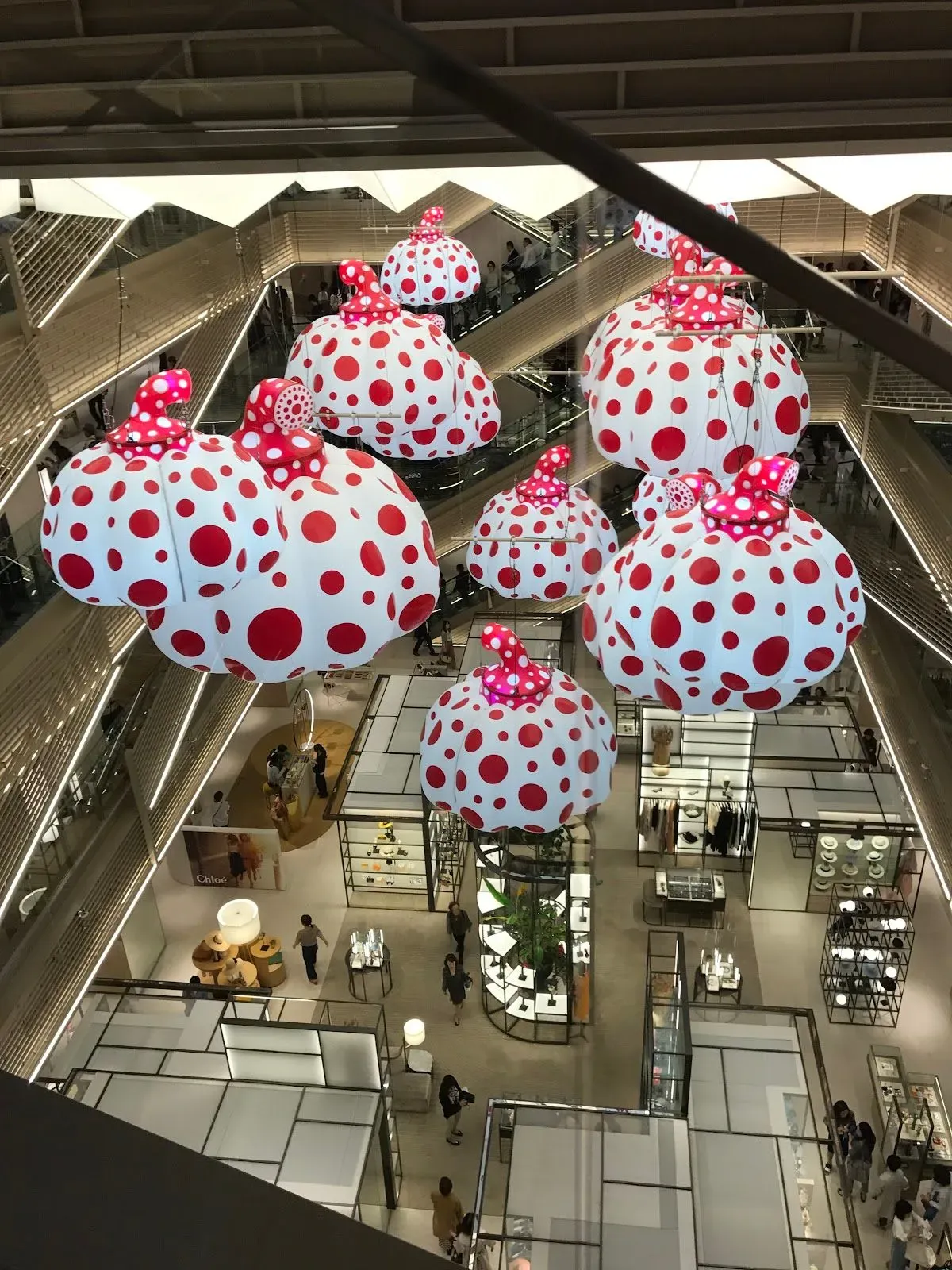
GINZA SIX is Tokyo's premier luxury shopping destination, elevating the traditional department store into a world-class art and fashion gallery. Beyond its 240+ high-end boutiques, it stands out for its stunning avant-garde art installations, a traditional Noh theater in the basement, and a sprawling, tranquil rooftop garden. Expect a highly sophisticated atmosphere where world-class design meets Japanese hospitality.
What Japanese guides note
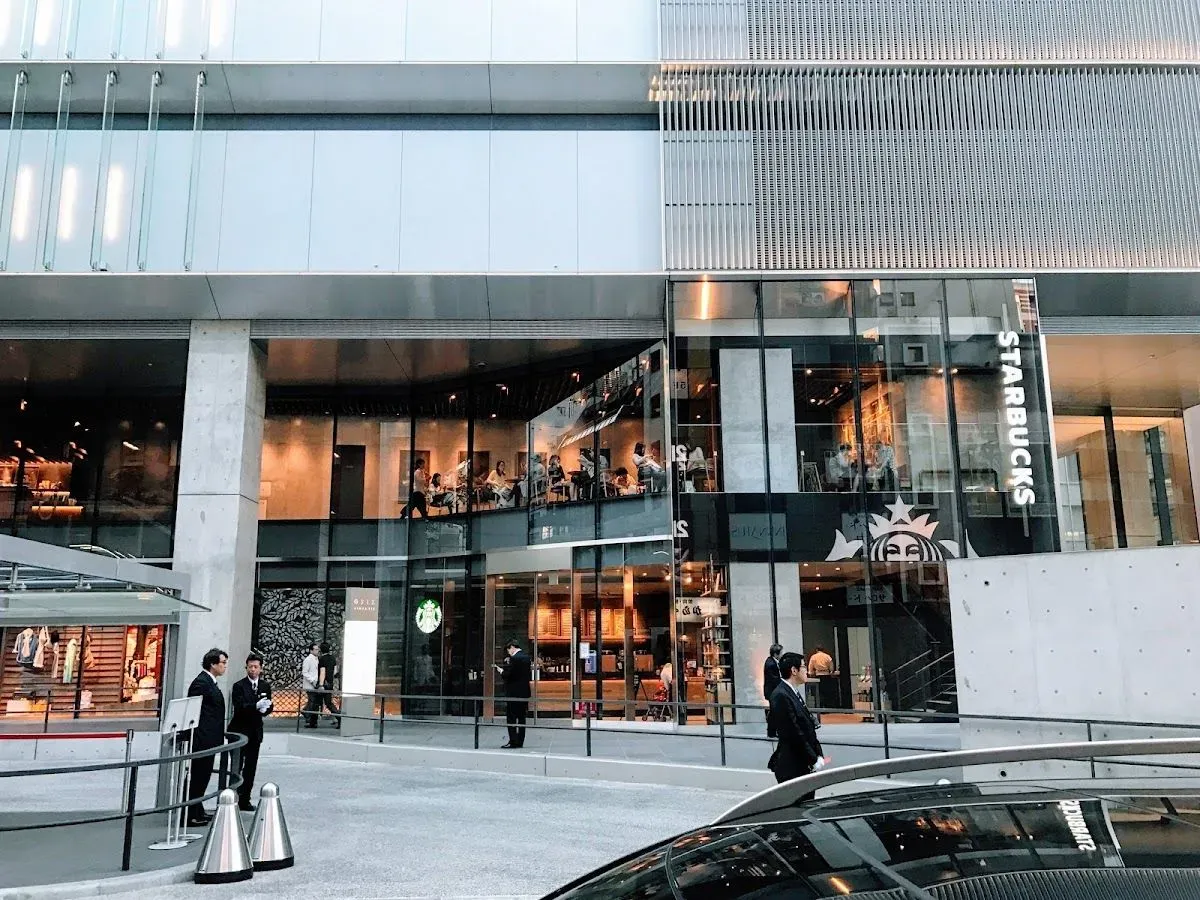
GINZA SIX connects directly to Tokyo Metro Ginza Station through a subterranean passageway leading into floor B2F, allowing entry without crossing street-level traffic. On weekends and holidays starting at 12:00, Ginza Chuo-dori directly out front transforms into a pedestrian promenade, easing access across the shopping district. The 4,000-square-meter rooftop garden remains open to the public daily from 7:00 to 23:00 without requiring retail or dining purchases. Visitors attending performances at the Kanze Noh Theater on B3F access the hall using specific direct elevators located off the Mihara-dori entrance.
Details from local sources
- The complex opened on April 20, 2017, on the redevelopment site of the former Matsuzakaya Ginza department store and surrounding parcels spanning two full city blocks. [source]
- A 125-meter underground walkway connects Tokyo Metro Ginza Station directly into the B2F level of the complex. [source]
- The rooftop garden occupies approximately 4,000 square meters at an elevation of 56 meters and is accessible free of charge daily from 7:00 to 23:00. [source]
- Basement level B3 contains the 480-seat Kanze Noh Theater, the headquarters stage for the Kanze school of Noh. [source]
- The first floor integrates a dedicated tourist bus drop-off bay and a tourist service center offering luggage storage and currency exchange. [source]
- The underground vehicular facility provides 445 parking spaces at 300 yen per 30 minutes, alongside 29 motorcycle spaces. [source]
Insider Tip
Head to the 6th floor's Tsutaya Books to browse art editions, then grab a coffee and enjoy the spectacular, free rooftop garden views.
Frequently asked
Is the GINZA SIX rooftop garden free to visit?
Yes, the 4,000-square-meter GINZA SIX Garden on the rooftop is free and open to the public daily from 7:00 to 23:00, weather permitting. Visitors do not need to make purchases inside the complex to access the lawn, reflecting pools, walking paths, and city viewpoints.
How do you reach GINZA SIX from Ginza Station without going outside?
From Tokyo Metro Ginza Station, follow the signage toward the A2/A3 exit corridor to reach the dedicated underground concourse. This covered passage leads straight into the B2F food hall of GINZA SIX, providing fully sheltered, step-free access regardless of outdoor rain or weather conditions.
What is located on the basement floors of GINZA SIX?
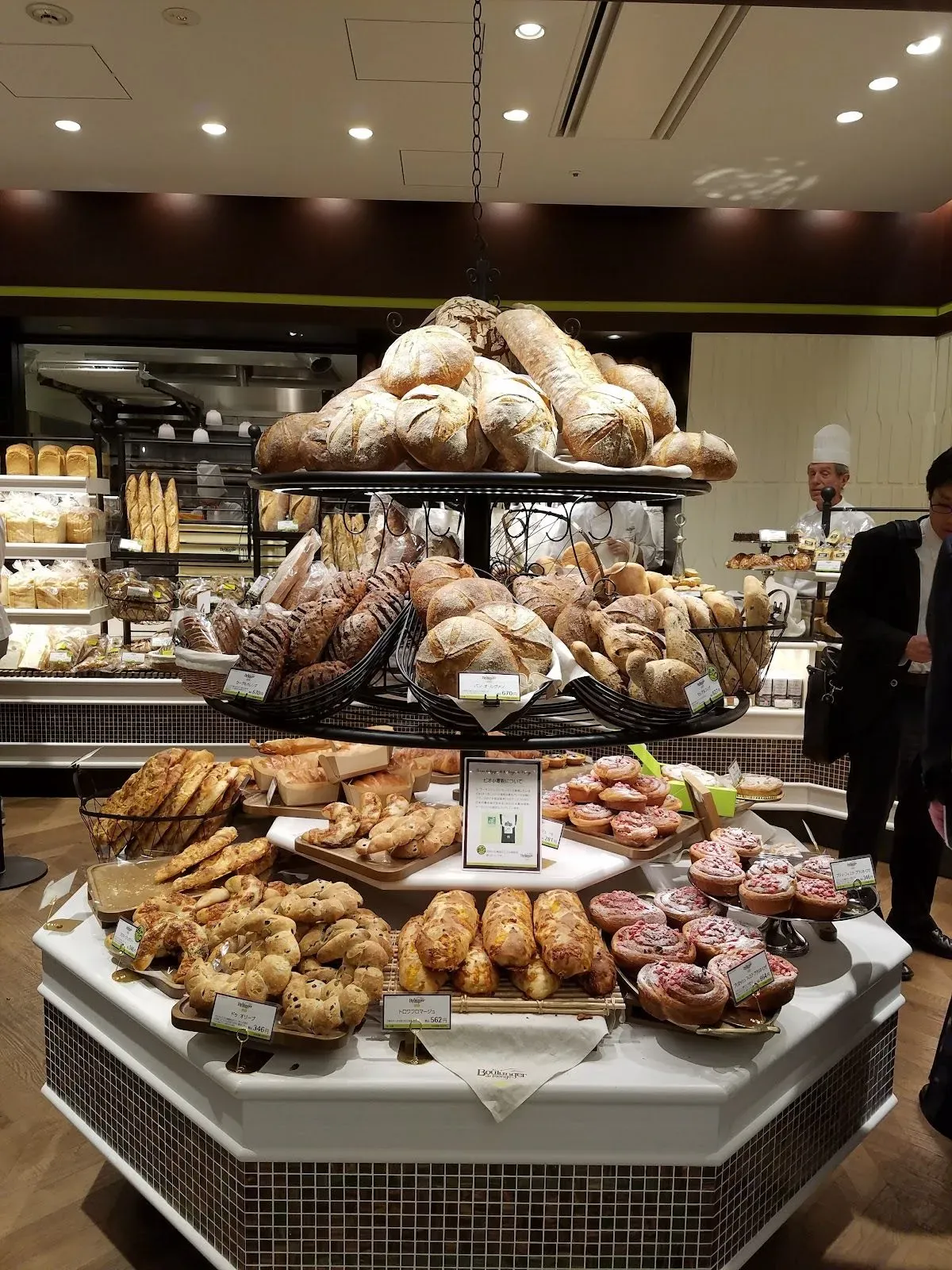
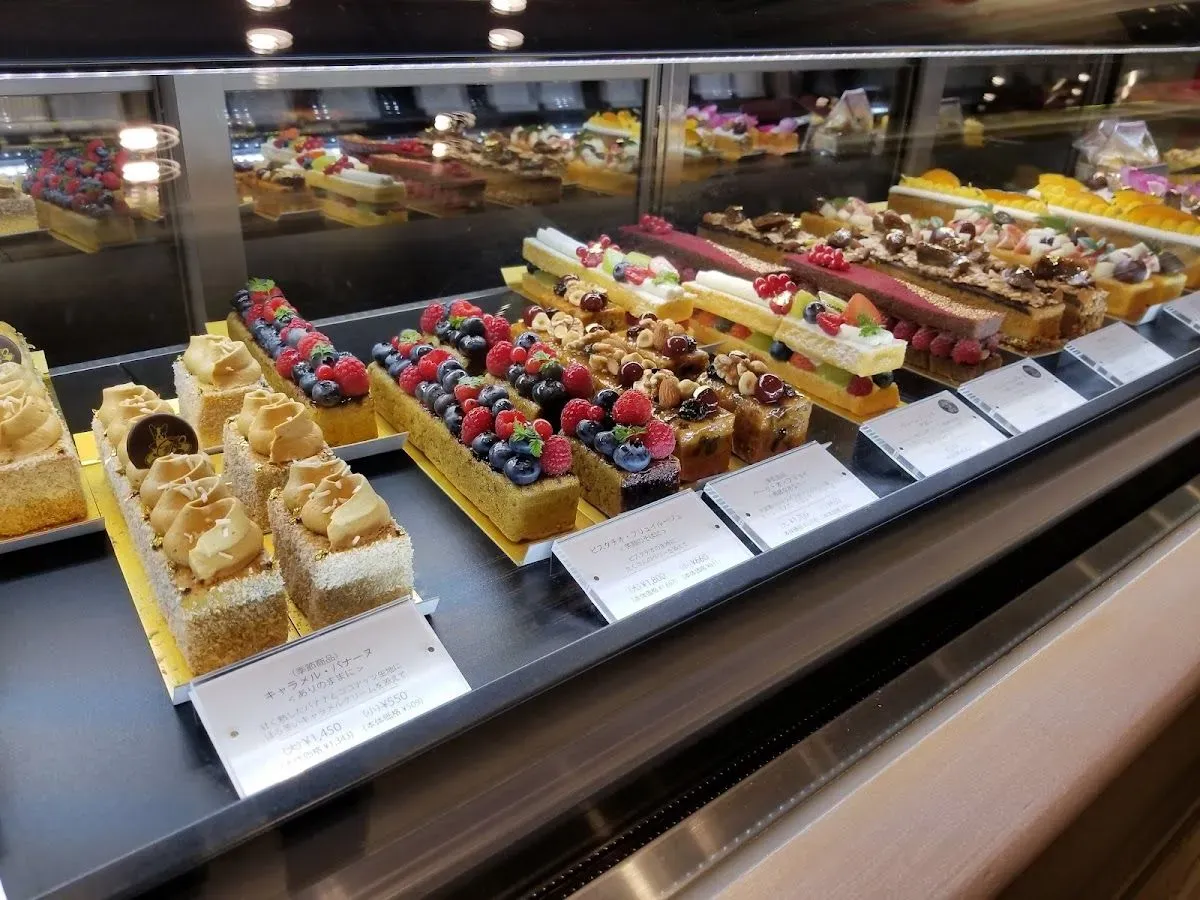
Basement level B2 houses specialty food purveyors, confectioneries, and delis, while level B1 focuses on beauty and cosmetics boutiques. Below the retail spaces, level B3 contains the 480-seat Kanze Noh Theater, which serves as the performance home of the Kanze school of Noh.
Are luggage storage and foreign currency exchange available?
Yes, the Tourist Service Center on the 1st floor provides multilingual sightseeing assistance, currency exchange services, and temporary luggage storage. It adjoins the building's indoor tourist bus terminal on Mihara-dori, serving as an arrival hub for domestic and international travelers visiting the Ginza area.
Can general visitors enter the Kanze Noh Theater inside?
Yes, the 480-seat theater on B3 hosts public classical Noh performances, traditional arts workshops, and cultural events throughout the year. Admission requires purchasing performance-specific tickets via the box office or event organizers; casual shoppers cannot enter the auditorium without a valid event reservation.
Tours near GINZA SIX


On the same walk
Photos