Kaminarimon Gate
Good to know before you go
- Getting there
- Asakusa Station · 1 min walk (Tokyo Metro Ginza Line, Toei Asakusa Line, Tobu Skytree Line)
- Hours
- Open 24 hours
- Admission
- Free
- Time needed
- 10–20 min
- Best time to go
- Daily between sunset and 23:00, when architectural floodlights illuminate the structure and daytime crowds disperse.
Hours can change on holidays — check the official site before travelling.
About
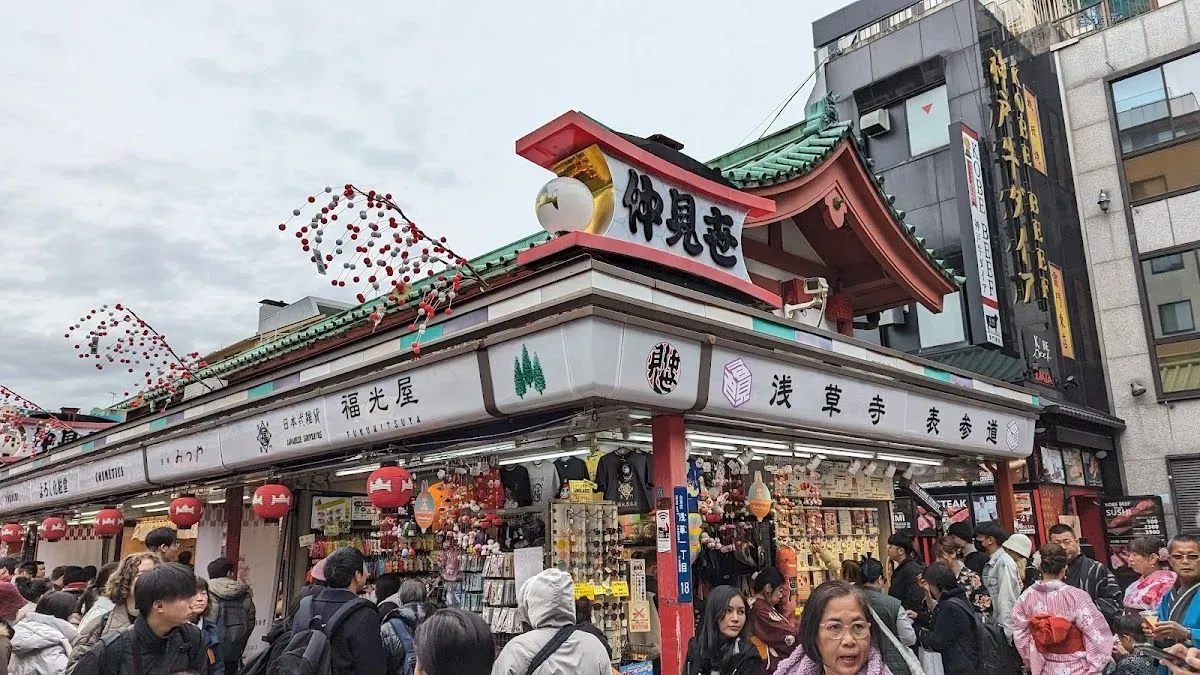
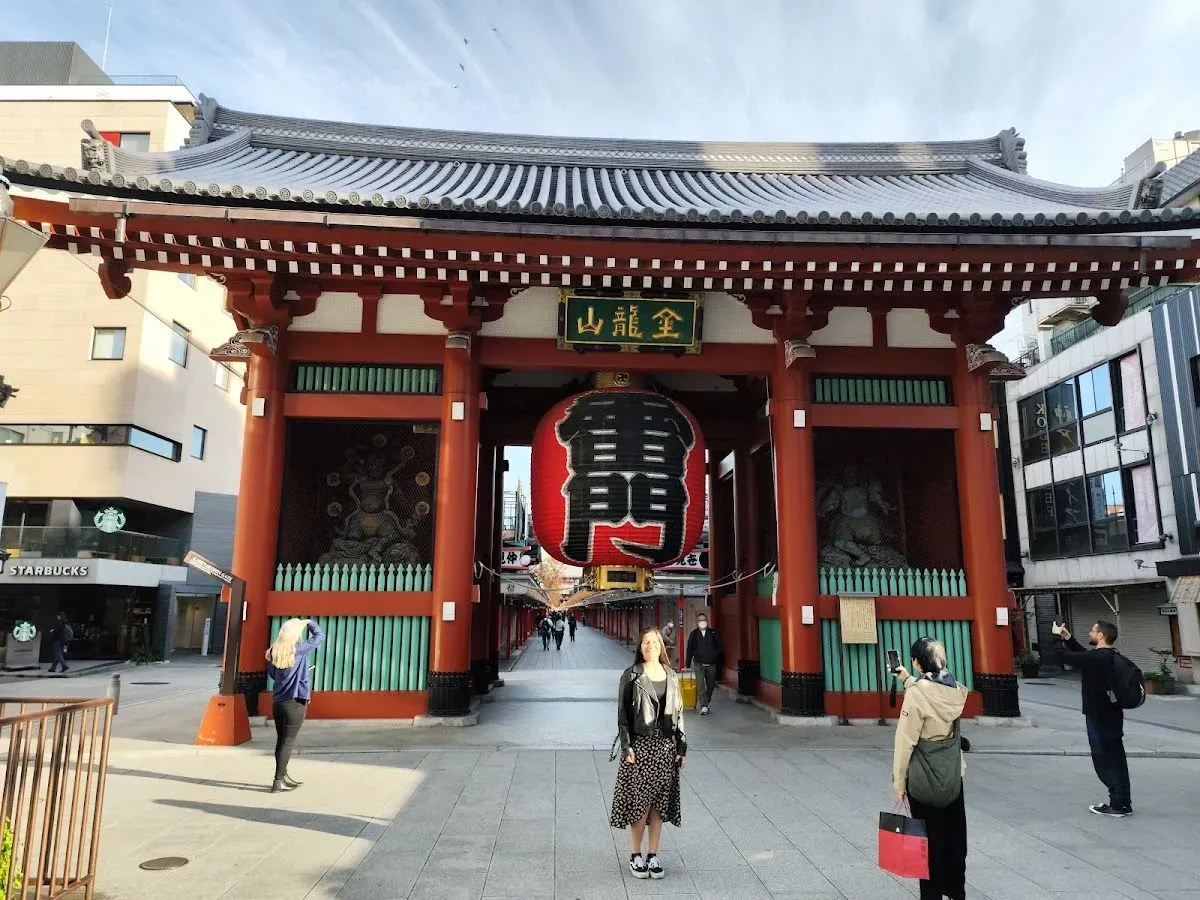
As the dramatic entrance to Tokyo's oldest temple, Sensō-ji, this iconic gate is famous for its colossal, 700-kilogram red paper lantern flanked by fierce statues of the Shinto gods of wind and thunder. It serves as the ultimate threshold between modern Tokyo and the historic Edo atmosphere of Asakusa. Visitors can expect a bustling, highly photogenic atmosphere that leads directly into the vibrant Nakamise-dori shopping street.
What Japanese guides note
Kaminarimon marks the ritual entrance to Sensō-ji temple rather than a standalone photo marker, and visitors customarily bow slightly before crossing the portal. Japanese guidebooks emphasize stepping directly under the lantern to inspect the underside dragon woodwork, then checking the reverse side to view the wooden statues of Tenryu and Kinryu. The gate and approach remain lit until 23:00, allowing clear viewing after the Nakamise shopfront shutters descend.
Details from local sources
- The official religious name of Kaminarimon is Furaijinmon, translating to Wind and Thunder God Gate. [source]
- Following an 1865 fire, the gate was absent for 95 years until Panasonic founder Konosuke Matsushita financed its reconstruction in 1960. [source]
- The reverse side facing Nakamise-dori houses statues of the dragon deities Tenryu and Kinryu rather than the front-facing wind and thunder gods. [source]
- During the annual Sanja Matsuri festival in May, the lantern is hoisted and folded upward so portable mikoshi shrines can clear the entryway. [source]
- The central lantern is rebuilt roughly every ten years by Takahashi Chochin in Kyoto using Tanba bamboo and around 300 sheets of Fukui washi paper. [source]
Insider Tip
To photograph the giant lantern without massive crowds, visit after 9:00 PM when it is beautifully illuminated and the tour groups are gone.
Frequently asked
Why is the name Matsushita Electric printed on the bottom of the lantern?
Konosuke Matsushita, founder of Panasonic (formerly Matsushita Electric), funded the gate's 1960 reconstruction after praying at Sensō-ji for relief from joint ailments. The company name remains inscribed on the lantern's lower metal rim in recognition of his contribution.
What are the opening and closing hours for Kaminarimon?
Kaminarimon is situated over an open pedestrian walkway and remains accessible 24 hours a day with no closing gates. While Sensō-ji's main hall closes at 17:00, the gate structure and Nakamise promenade remain open to pedestrians and illuminated every evening until 23:00.
Why is the gate called Kaminarimon if it houses two gods?
The formal title is Fūraijinmon (Wind and Thunder God Gate), but Edo-period commoners abbreviated it to Kaminarimon (Thunder Gate) by the early 19th century. Satires from that era joked that the wind god was merely a housemate residing inside the thunder god's gate.
Tours near Kaminarimon Gate


On the same walk
Photos