Koishikawa Korakuen Gardens
Good to know before you go
- Getting there
- Iidabashi Station · 3 min walk (Toei Ōedo Line)
- Hours
- 9:00 AM – 5:00 PM (last entry 4:30 PM); closed December 29 – January 1
- Admission
- ¥300 (adults), ¥150 (seniors 65+), free for primary school children and Tokyo-resident or Tokyo-schooling junior high students
- Time needed
- 45–60 min
- Best time to go
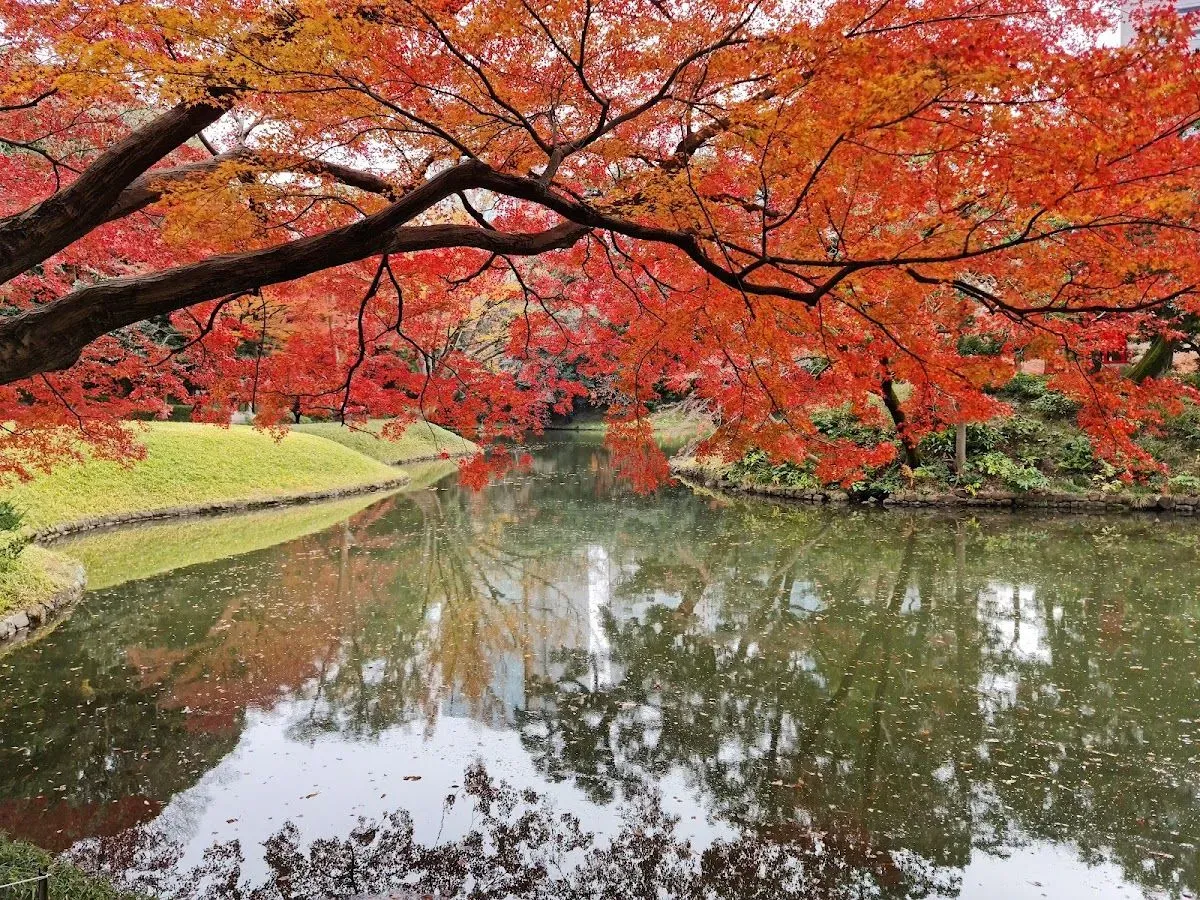
- Late November to early December for autumn foliage across roughly 480 maple trees, or late March for the large weeping cherry tree near the West Gate
Hours can change on holidays — check the official site before travelling.
About
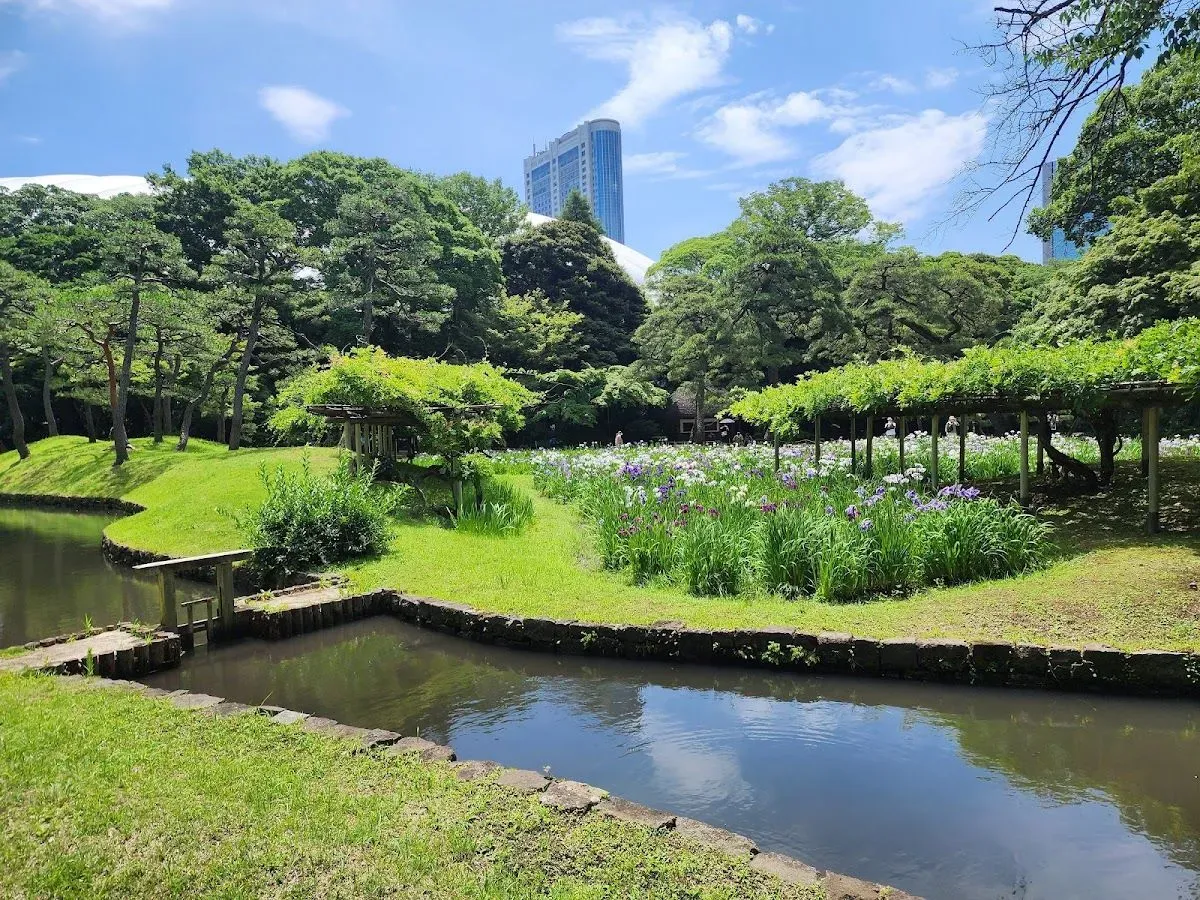
Dating back to 1629, Koishikawa Korakuen is one of Tokyo's oldest and finest traditional landscape gardens, designed to recreate famous Chinese and Japanese scenic spots in miniature. It offers a peaceful escape where you can stroll around a central pond, cross historic stone bridges, and admire weeping cherry blossoms or fiery autumn maples. The unique contrast of tranquil, centuries-old nature set against the immediate backdrop of the modern Tokyo Dome makes it a captivating photogenic stop.
What Japanese guides note
Koishikawa Korakuen maintains two distinct entrances: the West Gate near Iidabashi Station and the East Gate adjacent to JR Suidobashi Station and Tokyo Dome. Garden paths consist largely of gravel, uneven stone steps, and natural earthen slopes, making low-heeled walking shoes practical. While roller coasters and the roof of Tokyo Dome remain audible and visible past the perimeter trees, visiting at 9:00 AM minimizes external crowd noise.
Details from local sources
- It is one of nine cultural heritage sites across Japan, and one of two in the Kantō region alongside Hama-rikyu, designated as both a Special Historic Site and a Special Place of Scenic Beauty. [source]
- The prefix 'Koishikawa' was officially added in 1923 during the Taishō period to differentiate the property from Korakuen Garden in Okayama Prefecture. [source]
- The Karamon gate, originally the formal threshold from the samurai manor into the main stroll garden, was destroyed in 1945 air raids and rebuilt in December 2020. [source]
- Tokujindō is the sole surviving wooden building in the garden from its 17th-century founding period, built by Tokugawa Mitsukuni to enshrine statues of Boyi and Shuqi. [source]
- Volunteer guides conduct free walking tours in English on Saturdays at 10:30 AM and 1:30 PM, excluding July and August. [source]
- Tokugawa Mitsukuni established an operational rice paddy inside the garden to teach noble heirs the toil of agriculture, where Bunkyo Ward fifth-grade pupils continue to hand-plant and harvest rice each year. [source]
Insider Tip
Enter via the West Gate near Iidabashi Station for a quieter, more scenic approach that avoids the busiest Tokyo Dome crowds.
Frequently asked
Can visitors enter the garden from both the East Gate and West Gate?
Yes, both the West Gate near Iidabashi Station and the East Gate near Suidobashi Station admit visitors. Entering through the East Gate provides direct access to the inner garden precinct (Naitei) and the reconstructed Karamon before continuing to the primary circuit around Daisensui pond. (49 words)
Can visitors cross the stone Engetsu-kyo (Full Moon Bridge)?
No, walking onto Engetsu-kyo is prohibited for conservation reasons. Visitors view the 17th-century stone arch bridge from shoreline vantage points, where the arch and its aquatic reflection combine to form the silhouette of a full moon. It was constructed under the guidance of Ming scholar Zhu Shunsui. (49 words)
Are credit cards and transit IC cards accepted for the admission fee?
Yes, gate ticket windows and automated ticket dispensers accept cash as well as major credit cards (Visa, Mastercard, JCB, Amex), Japanese transit IC cards (Suica, Pasmo), and select QR code mobile platforms including PayPay and Alipay. (41 words)
Is Koishikawa Korakuen fully wheelchair accessible?
No, complete traversal is not feasible because the Edo-period design incorporates gravel alleys, unmortared stepping stones, and uneven terrain. Barrier-free access is limited to paths near entrance plazas, though the service center provides loaner manual wheelchairs and maintains accessible restrooms. (42 words)
Does the garden close on Mondays or during bad weather?
The garden operates daily throughout the year, closing only during the New Year period from December 29 to January 1. Standard hours run from 9:00 AM to 5:00 PM, though gates may close during official severe storm or typhoon advisories. (44 words)
Our Tokyo walking tours


On the same walk
Photos