Tokyo Dome City
Good to know before you go
- Getting there
- Kōrakuen Station · 1 min walk (Tokyo Metro Marunouchi Line, Tokyo Metro Namboku Line)
- Hours
- Varies by facility; amusement rides typically operate 10:00–20:00 or 10:00–21:00, and Spa LaQua operates 11:00–09:00 the following morning
- Admission
- Free entry to grounds; individual rides and facilities priced separately
- Time needed
- 3–5 hours
- Best time to go
- Weekday daytime or non-event weekdays, as weekend stadium baseball games and arena concerts create major congestion at restaurants and transit gates
Hours can change on holidays — check the official site before travelling.
About
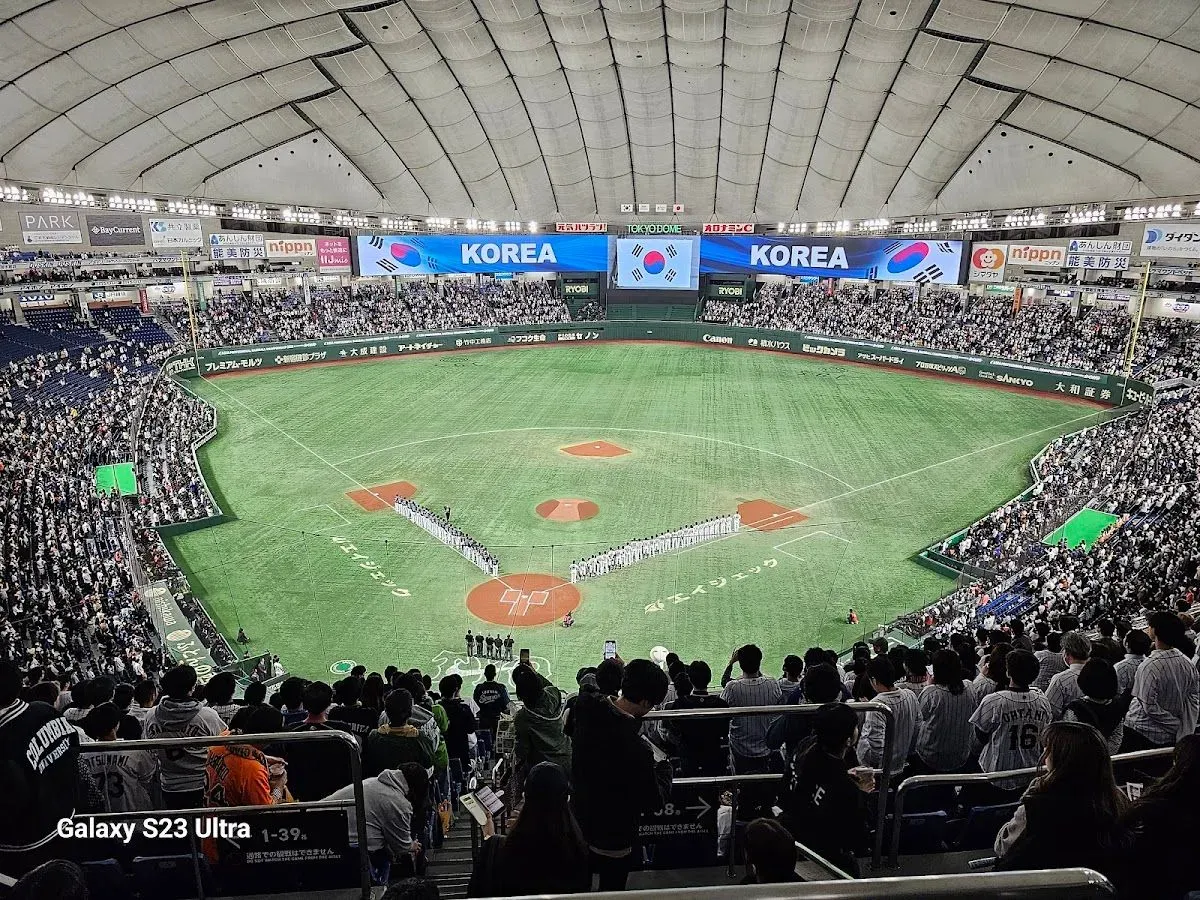
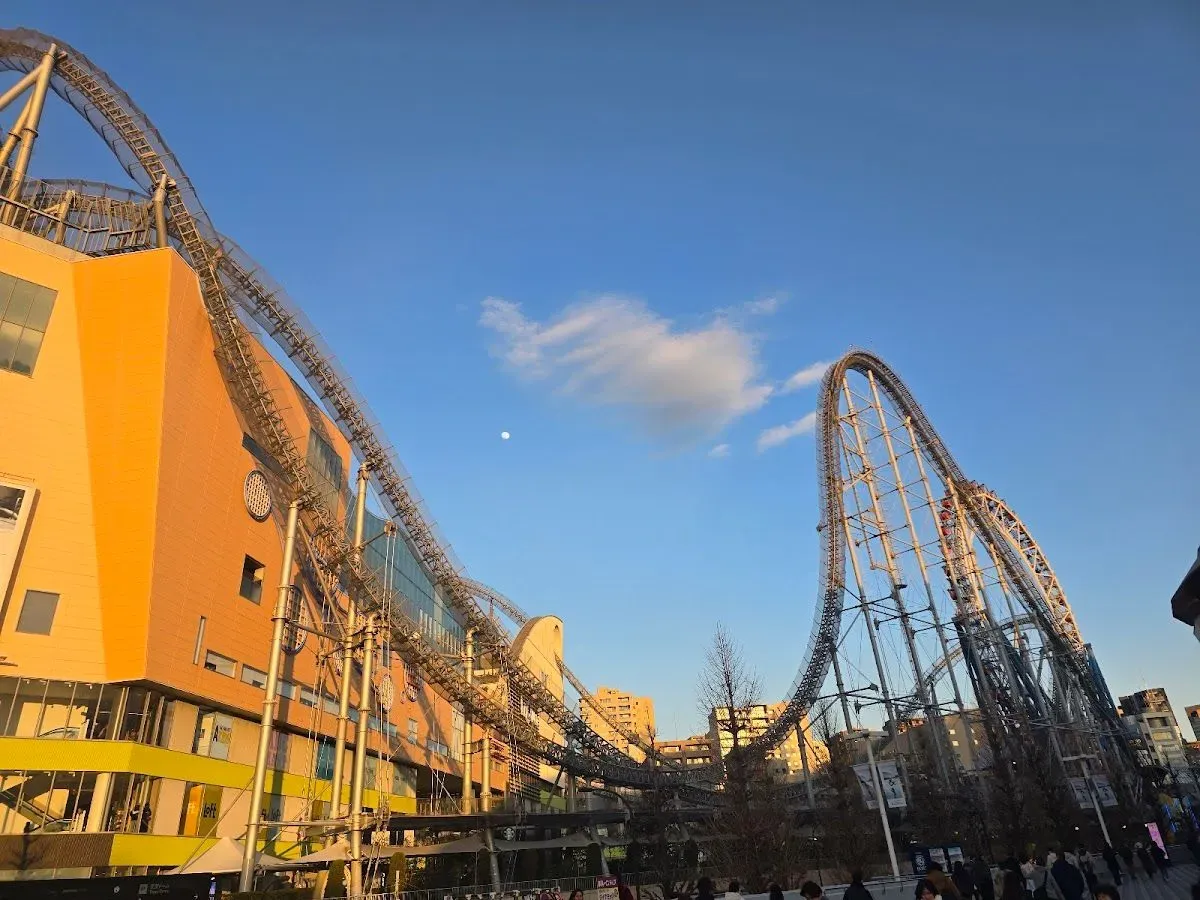
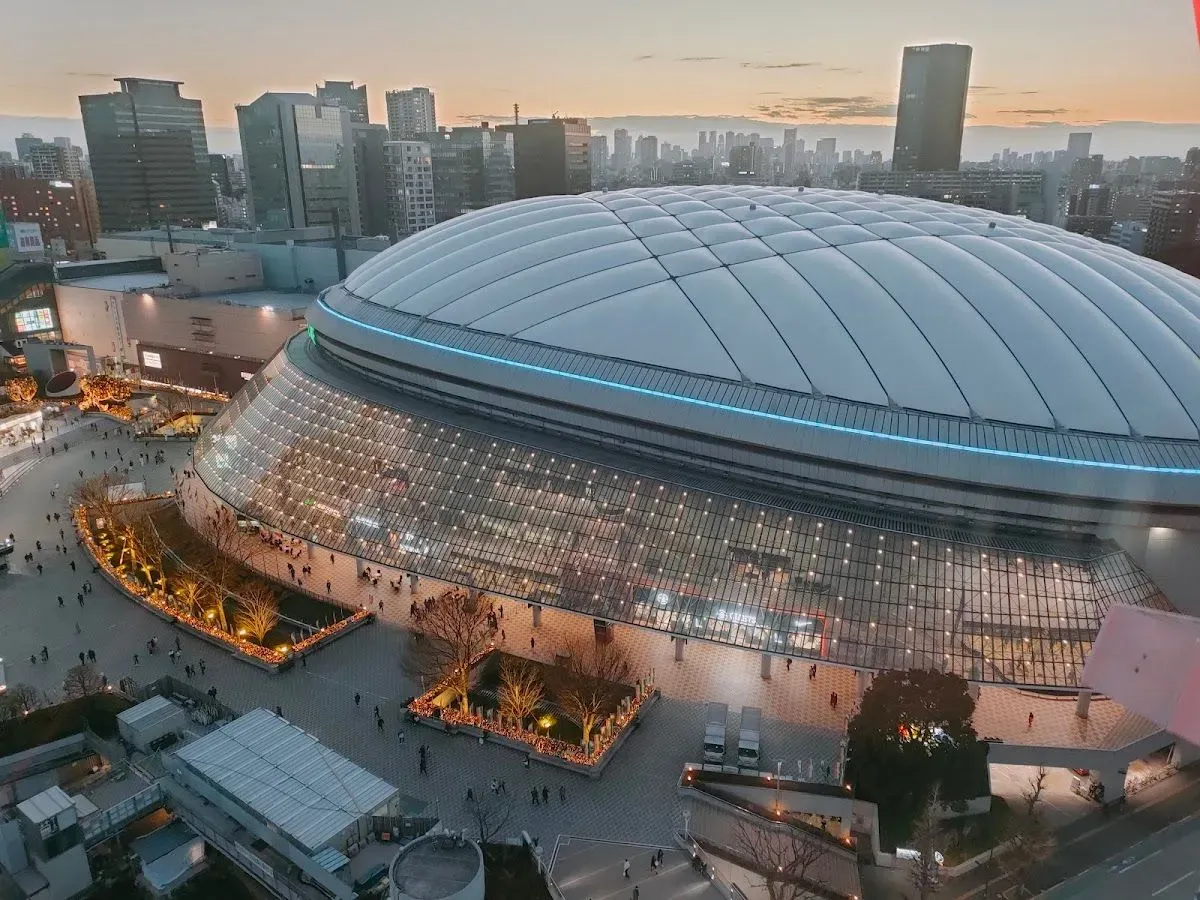
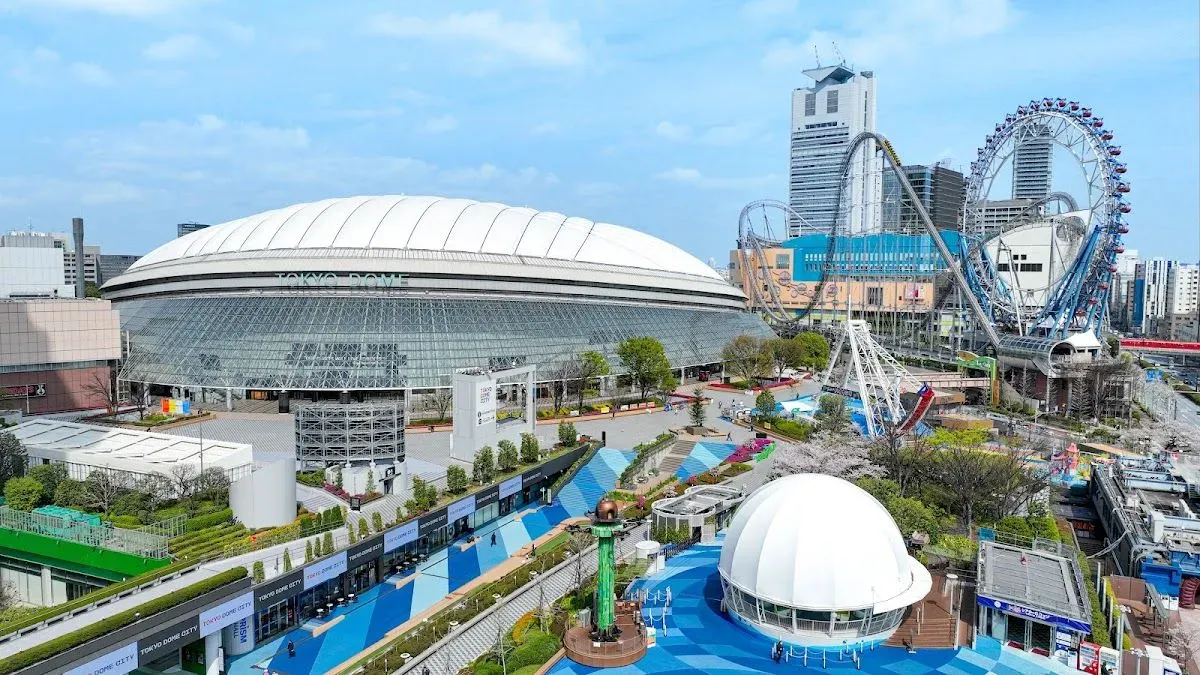
Tokyo Dome City is a massive, multi-purpose entertainment complex in central Tokyo featuring a baseball stadium, an open-gate amusement park, a luxury spa, and extensive shopping. It is worth visiting for the thrilling Thunder Dolphin roller coaster, which spectacularly weaves through a nearby building and a hubless Ferris wheel. Expect a lively, family-friendly atmosphere where you can easily transition from arcade gaming to soaking in natural hot springs at Spa LaQua.
What Japanese guides note
Tokyo Dome City functions as an open pedestrian route linking Suidobashi, Korakuen, and Kasuga stations, meaning visitors can traverse the district freely without theme park tickets. Operational crowding varies according to the Tokyo Dome stadium event schedule, making it practical to verify baseball fixtures or concert end times to avoid packed transit exits. The development borders the historic Koishikawa Korakuen garden directly to the west, allowing a contrast between modern stadium architecture and Edo-period landscaping in a single itinerary.
Details from local sources
- All retail shops, ticket counters, and in-seat vendors inside Tokyo Dome stadium operate on a cashless policy and do not accept physical cash. [source]
- Tokyo Dome City Attractions uses an open-gate layout where pedestrians can enter the park grounds free of charge without purchasing an admission ticket. [source]
- The thermal spring water at Spa LaQua is drawn from a depth of 1,700 meters directly beneath the complex. [source]
- Children aged five and under are not permitted into Spa LaQua, and visitors aged six to seventeen must leave by 18:00 accompanied by an adult. [source]
- The Geopolis area houses Theater G-Rosso, a dedicated indoor stage designed specifically for live Super Sentai stunt shows. [source]
- The amusement grounds first opened to the public on July 9, 1955, under the original name Korakuen Yuenchi. [source]
Insider Tip
Skip the long lines for the Thunder Dolphin coaster by purchasing a 'Skip the Line' priority ticket at the ride's vending machine.
Frequently asked
Can I pay with cash inside Tokyo Dome stadium?
No, the stadium operates on an entirely cashless payment policy. All food concessions, drink stands, ticket counters, and roaming seat vendors require credit cards, transport IC cards like Suica or PASMO, or mobile QR code payments; cash is not accepted anywhere inside the venue.
Is admission to the amusement park grounds free?
Yes, entry into the Tokyo Dome City Attractions grounds is free of charge with no turnstiles. Visitors only pay when boarding individual rides or by purchasing ride wristbands, allowing anyone to freely stroll between the rides, dining areas, and surrounding complex courtyards without an admission fee.
What is the relationship between Tokyo Dome City and Koishikawa Korakuen?
Koishikawa Korakuen is a preserved Edo-period daimyo garden located directly adjacent to the western boundary of the complex. While separate tickets and gates apply, visitors frequently combine visits because the traditional garden paths offer scenic views with the modern roller coaster tracks rising right behind its preserved tree canopy.
What live performances take place at Theater G-Rosso?
Located in the Geopolis zone of the complex, Theater G-Rosso is an indoor theater built primarily for live Super Sentai stunt hero stage productions. The auditorium features custom stunt rigging and trap doors, hosting staged battles on weekends and Japanese school holidays throughout the year.
Our Tokyo walking tours


On the same walk
Photos