Yoyogi Park
Good to know before you go
- Getting there
- Harajuku Station · 3 min walk (JR Yamanote Line)
- Hours
- Open 24 hours
- Admission
- Free
- Time needed
- 1–2 hours
- Best time to go
- Late March to early April for cherry blossoms around the central lawn, or late November to early December for ginkgo and zelkova autumn foliage
Hours can change on holidays — check the official site before travelling.
About
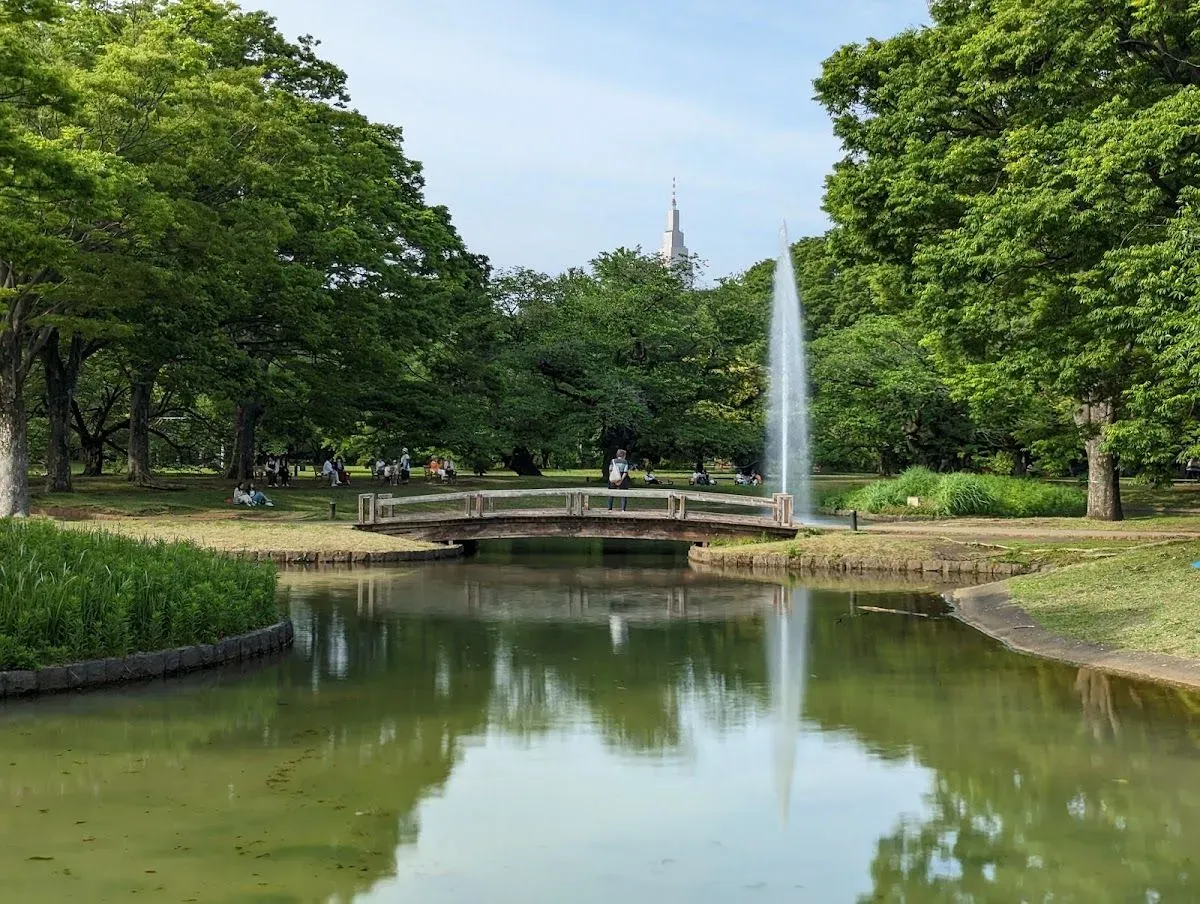
Once the site of the 1964 Olympic Village, Yoyogi Park is one of Tokyo's liveliest green spaces, serving as a vibrant contrast to the adjacent, serene Meiji Shrine. Visitors can expect a sprawling landscape of wide lawns, ginkgo forests, and ponds, which come alive on weekends with street performers, musicians, and local subcultures. It is an essential stop for people-watching, cherry blossom viewing, and relaxing away from the city concrete.
What Japanese guides note
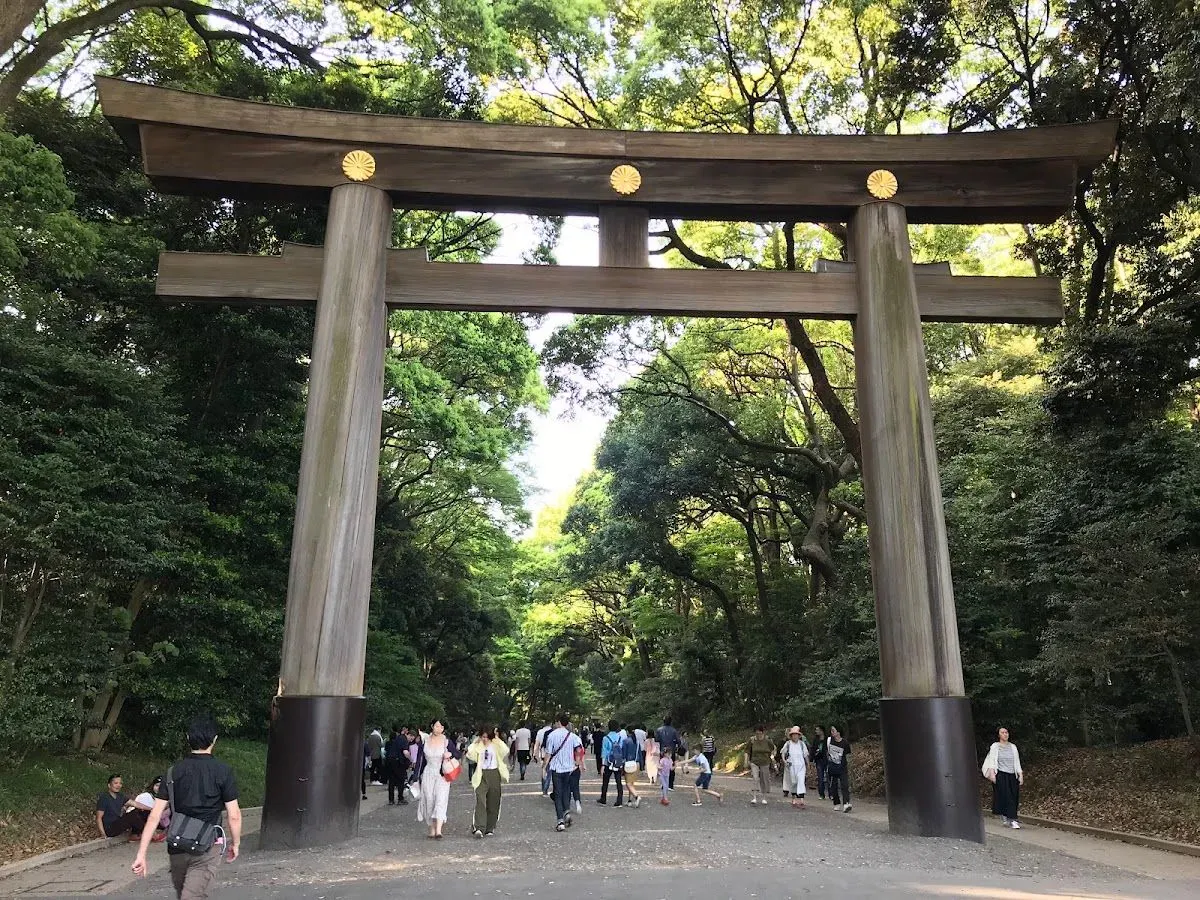
Yoyogi Park requires navigating two separate zones: the forested lawns of Area A and the performance plazas of Area B across the public roadway. Although the park borders Meiji Shrine, perimeter fences block all direct passage between them, so visitors must exit near Harajuku Station to reach the other entrance. Japanese park regulations require cyclists to remain strictly on the paved 1.8-kilometer cycling track, keeping pedestrian walking paths clear.
Details from local sources
- On December 19, 1910, Army Captains Yoshitoshi Tokugawa and Kumazo Hino completed Japan's first powered aircraft flights on this ground when it served as the Yoyogi Military Parade Ground. [source]
- The park is split by a public road into Area A in Yoyogikamizonochō, containing the central lawn and forest, and Area B in Jinnan, containing the stadium and festival plazas. [source]
- Established in 1971 under the guidance of ornithologist Yoshimaro Yamashina and zoo director Tadamichi Koga, the park contains Japan's first urban bird sanctuary. [source]
- The Olympic Memorial House near Harajuku Gate, constructed in 1947 as US military housing and used by the Dutch Olympic delegation in 1964, was rebuilt preserving its original exterior and reopened in April 2026. [source]
- A continuous security fence separates Yoyogi Park from the bordering Meiji Shrine grounds, requiring visitors to exit to the street outside Harajuku Station to move between them. [source]
- The park's cycling center rents tandem two-person bicycles and standard bicycles for use on a dedicated 1.8-kilometer internal loop. [source]
- The park's central pond features three fountain jets that spray water to heights between 15 and 30 meters. [source]
Insider Tip
Enter through the Harajuku gate on a Sunday afternoon to catch the famous Tokyo Rockabilly dancers performing near the entrance.
Frequently asked
Can I walk directly between Meiji Shrine and Yoyogi Park?
No. Despite sharing a border, a continuous perimeter fence separates the two properties. Visitors cannot cross between them inside the grounds. To transfer, exit to the public road near Harajuku Station and enter Yoyogi Park through Harajuku Gate, which takes about one to two minutes on foot.
How is Yoyogi Park divided between its two areas?
Yoyogi Park is divided by a public road into Area A and Area B. Area A, located in Yoyogikamizonochō, holds the central lawn, fountain pond, cycling course, and bird sanctuary. Area B, situated in Jinnan, contains the outdoor stage, an athletic stadium, and event plazas hosting food and cultural festivals.
Can I rent a bicycle inside Yoyogi Park?
Yes. The cycling center near the Sangubashi Gate rents adult bicycles, children's bikes, and two-person tandem bicycles for use on a dedicated 1.8-kilometer circuit. Rentals operate from 9:00 to 16:30 (reception closes at 16:00), closing on Mondays unless that day is a holiday, and during bad weather.
Is picnicking or drinking alcohol permitted in Yoyogi Park?
Picnicking and moderate alcohol consumption on the lawns are allowed, making the central field popular during cherry blossom season. However, open barbecues, portable stoves, fireworks, amplified music, commercial filming without permits, and staking ground sheets are strictly banned under Tokyo Metropolitan Park Association regulations. Visitors must carry home all trash.
What historical remnants from the 1964 Tokyo Olympics remain in the park?
Near Harajuku Gate stands the Olympic Memorial House, which housed the Netherlands delegation during the 1964 Tokyo Olympics after originating as post-war US military housing in Washington Heights. Visitors can also view a memorial arboretum planted with tree species cultivated from seeds brought to Tokyo by athletes from participating nations.
Our Tokyo walking tours


On the same walk
Photos