
Finding the best matcha cafés in Kyoto means skipping the neon tourist traps and stepping into historic timber townhouses. While casual visitors settle for overly sweetened lattes, true tea enthusiasts seek out the centuries-old wholesalers and quiet gardens where whisking ceremonial tea is an art form. If you want to experience authentic Uji green tea, this guide covers the absolute finest spots in the ancient capital.
1. Marukyu Koyamaen — Why It's Among the Best Matcha Cafés in Kyoto
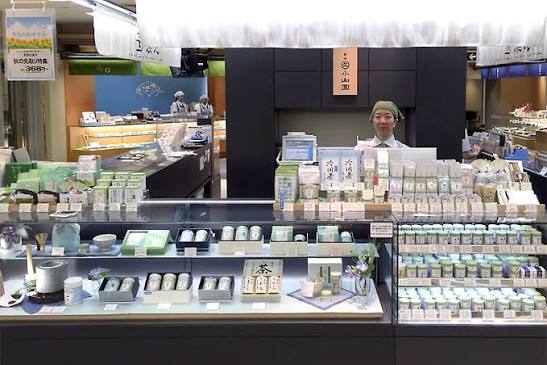
Located a 5-minute walk from Nijojo-mae Station, Marukyu Koyamaen's Nishinotoin teahouse serves their award-winning Uji matcha alongside a legendary Matcha Roll Cake for ¥1,200, offering guests a direct taste of a tea-growing heritage that dates back to the Genroku era of 1688. Run by a family that has farmed tea in Uji for over 300 years, this quiet machiya is a sanctuary for purists. The roll cake is filled with a shockingly rich matcha cream that isn't cloyed with sugar, mimicking the grassy, umami-forward profile of their premium ceremonial grades. Sit at the counter to watch the host whisk your usucha.
2. Ippodo Tea — Whisk Your Own Bowl at a 300-Year-Old Flagship
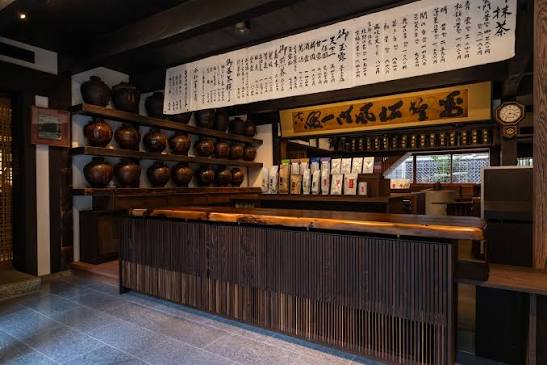
Founded in 1717 near Teramachi Street, Ippodo Tea's flagship Kyoto store features the Kaboku Tearoom, where visitors can whisk their own premium usucha or thick koicha starting at ¥1,200, accompanied by a handmade seasonal wagashi sweet selected daily. This is the high temple of Japanese tea. The dark wooden storefront looks almost exactly as it did in the Meiji era. Inside the tearoom, the staff don't just serve you; they teach you the exact water temperature and whisking speed required to unlock the natural sweetness of their classic blends like Sayaka.
3. Nakamura Tokichi — Iconic Bamboo Cups Inside the Station

Located on the 3rd floor of the Kyoto Station Building, Nakamura Tokichi serves its signature Maruto Parfait in a chilled, authentic bamboo cup for ¥1,500, offering travelers an immediate taste of Uji's 170-year-old tea heritage without leaving the main transport hub. While the main 1854 Uji headquarters requires a dedicated day trip, this station outpost delivers the exact same legendary quality. The Maruto Parfait is a masterclass in textures, layering bitter matcha chiffon cake, soft shiratama dango, sweet red bean paste, and their famous, slippery namacha jelly. It's often crowded, but the queue moves exceptionally fast.
4. Salon de Muge — Decadent Matcha Parfaits from a Michelin-Starred Lineage
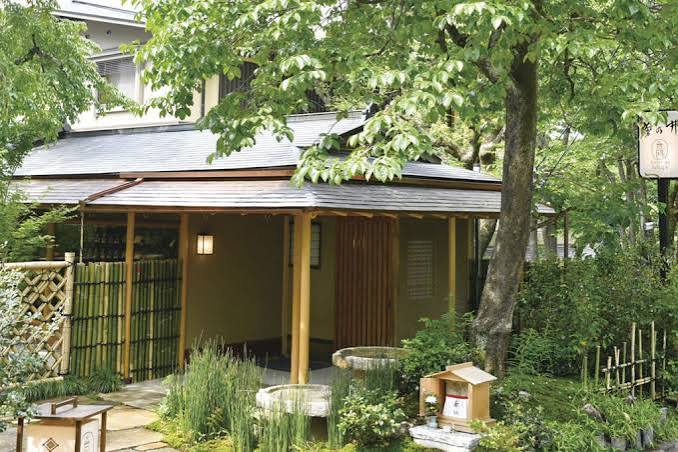
Operated by the family behind the famous three-Michelin-starred Kikunoi ryotei, Salon de Muge in Higashiyama serves a concentrated dark matcha parfait using four times the standard amount of green tea for ¥2,200, set in a peaceful sukiya-style villa overlooking a lush moss garden. This is not your average casual café. The atmosphere is quiet, formal, and deeply relaxing. Their signature parfait is famously intense, prioritizing the sharp, savory bitterness of premium Uji tea over cheap sweetness. Pair it with their freshly made, warm warabimochi for a truly exceptional afternoon in Kyoto.
5. Gion Kitagawa Hanbee — Tea Pairings in a Century-Old Townhouse
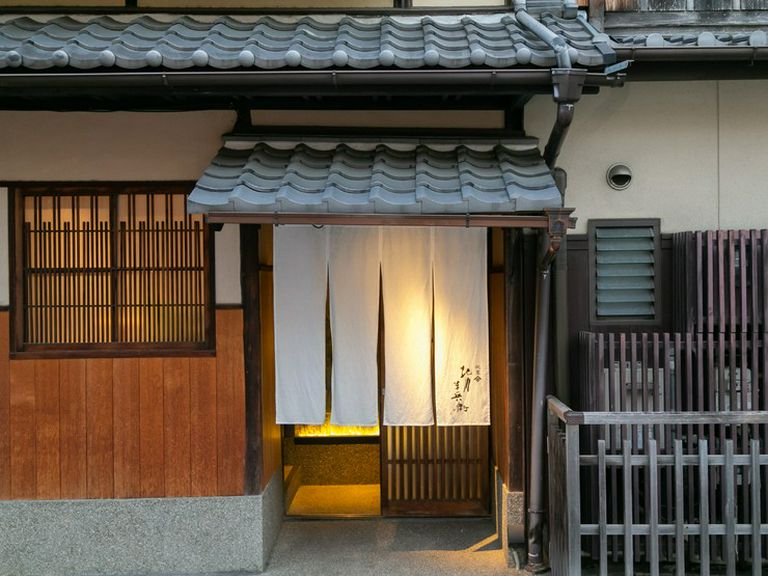
Tucked into a quiet Gion side street, Gion Kitagawa Hanbee offers an elegant five-tea tasting flight paired with matching wagashi confections for ¥3,000, allowing guests to taste the legacy of a tea wholesaler founded back in 1861. Housed in a beautifully restored 120-year-old machiya, this café offers a sophisticated, low-lit alternative to Kyoto's busier tea shops. Their 'Chayomi' flight is highly recommended, taking you on a guided sensory journey from a bright sencha to a rich, grassy matcha, each carefully paired with a bite-sized chocolate or cake to highlight the tea's unique notes.
6. Saryo Housen — Hand-Kneaded Warabimochi Overlooking a Moss Garden
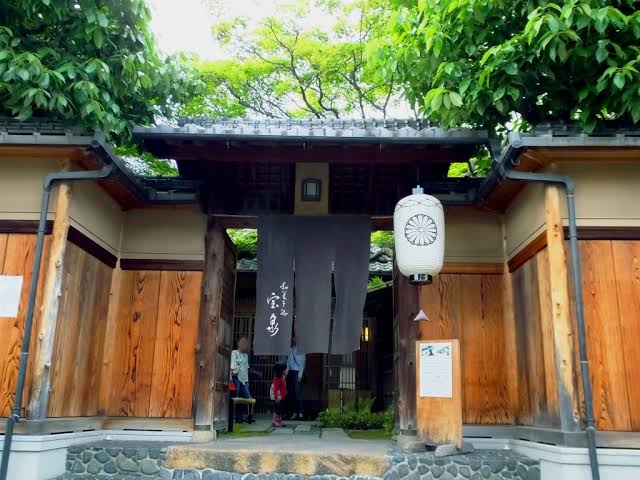
Located in a quiet neighborhood north of Shimogamo Shrine, Saryo Housen serves freshly made domestic warabimochi alongside a bowl of whisked matcha for ¥1,400, providing guests with a serene tatami-room experience overlooking a stunning, meticulously maintained dry landscape garden. While it requires a short bus ride from the city center, the absolute peace here is unmatched. You sit on tatami mats and gaze at a private garden of moss and maple trees. Their warabimochi is legendary—made entirely from pure bracken starch, kneaded to order, and served translucent and cool with a side of rich brown sugar syrup.
7. Saryo Tsujiri — Gion's Legendary Multilayered Parfait Stop
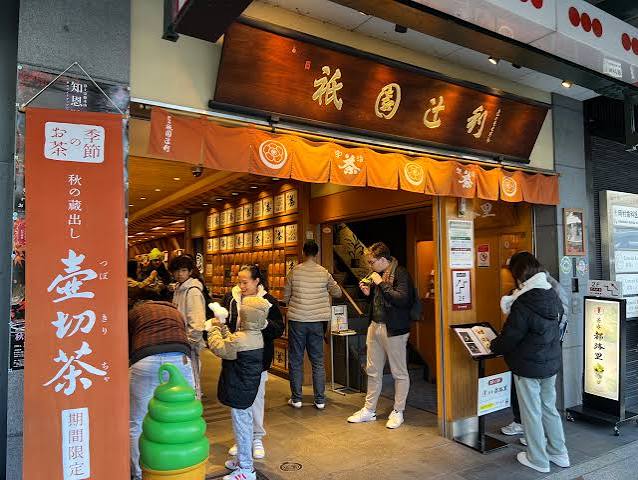
Operating since 1978 on the upper floors of the Gion Tsujiri tea shop, this classic tea salon serves the towering Tokusen Tsujiri Parfait for ¥1,600, combining premium matcha ice cream, hojicha jelly, and soft dango in one of Kyoto's most iconic desserts. This is the granddaddy of Kyoto's modern parfait craze. Founded by a historic tea wholesaler dating back to 1860, Saryo Tsujiri is almost always busy. The parfait is worth the wait, offering a brilliantly balanced mix of sweet red bean paste and bitter tea elements that never feels heavy. It's a classic stop after our Kyoto Walking Tour.
8. Maccha House — Silky Wooden-Box Tiramisu in Kawaramachi
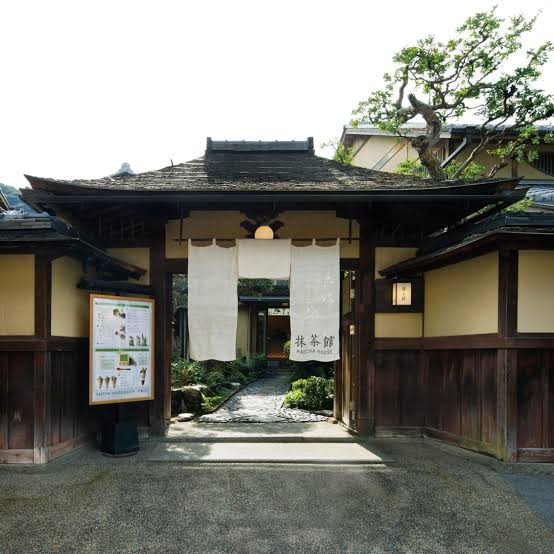
Located in the bustling Kawaramachi shopping district, Maccha House serves its famous Uji Matcha Tiramisu in a traditional wooden masu box for ¥800, layering silky mascarpone cheese over sponge cake soaked in premium green tea from the historic 1836 Morihan brand. Don't write this off as just an online trend. While the presentation in a cedar sake box is clever, the flavor is genuinely excellent. The bitter, grassy matcha powder dusted on top cuts through the rich, creamy sweetness of the cheese below. The interior is modern and clean, offering a quick, casual break from shopping.
Experience Kyoto's Tea Culture with Wabisabi
Let our local guides show you the historic streets of Gion and the quiet shrines of the ancient capital. Book our private walking tour to discover Kyoto's best-kept culinary secrets.
Book this tour →